A federal judge in Miami is set to hear arguments from noncitizen voters facing charges under 18 U.S.C. Section 611, which criminalizes voting by noncitizens in elections involving federal offices. The defendants argue that enforcing citizenship requirements for voting is a state responsibility, not a federal one, based on the Constitution’s provisions regarding elector qualifications. However, the Justice Department counters that Congress has constitutional authority under the Elections Clause to regulate federal elections and has previously criminalized similar offenses. This legal battle highlights the tension between state and federal powers in election regulation.
Written locally by qwen2.5:14b on 2026-09-18,
using this article's own text rather than the other coverage of the
same event (that is the story summary below).
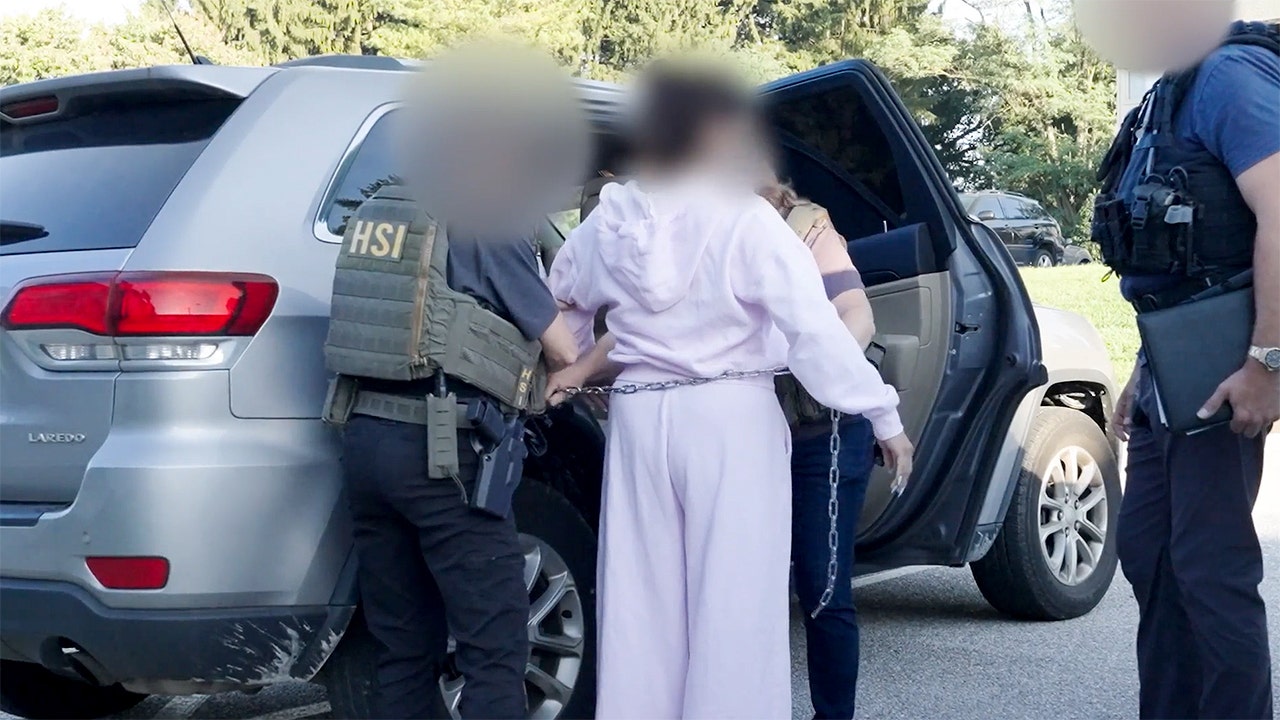
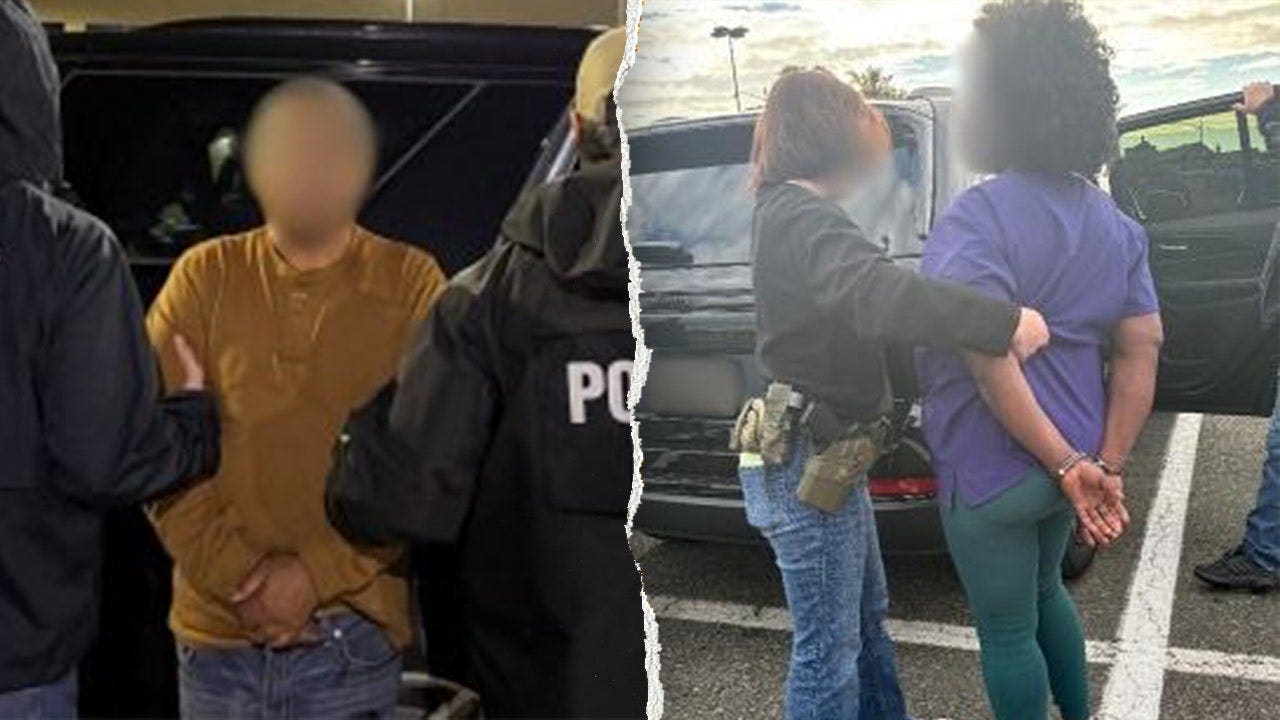
A federal judge in Miami will hear oral arguments this week on a legal theory that five people around the country are betting will spring them from noncitizen voting charges.
asserted
people → hear → charges
Their pitch: The statute that made their vote a federal crime is unconstitutional.
asserted
vote → make → ?
Congress, they argue, never had the authority to touch this.
asserted
they → argue → this
Only the states do.
asserted
states → do → ?
In my courtroom experience, when a defendant stops arguing the facts and starts arguing jurisdiction, it’s usually because the facts are a lost cause.
asserted
facts → stop → jurisdiction
That’s what’s happening here, and the public deserves to understand exactly what’s at stake before a handful of judges decide it quietly.
asserted
handful → ’ → it
The law in question, 18 U.S.C. Section 611, came out of the 1996 Illegal Immigration Reform and Immigrant Responsibility Act.
asserted
law → come → Act
It makes it a federal crime for a noncitizen to vote in an election that includes a federal office.
asserted
that → make → office
Get caught, and you’re looking at a fine of up to $100,000, a year in prison, or both.
asserted
you → catch → prison
For years, enforcement was so lax that Reuters reports some defendants faced fines as low as $150.
asserted
defendants → report → 150
The Trump administration changed that, pairing prosecution with deportation proceedings, and now the people caught in the net are fighting back with a states’ rights argument dressed up as principle.
asserted
people → change → principle
Here’s their case.
asserted
case → ’ → ?
The Constitution ties House elector qualifications to state legislative qualifications under Article I, the 17th Amendment does the same for Senate races, and Article II leaves presidential elector selection to state legislatures.
asserted
Article → tie → legislatures
Every state already requires citizenship to vote.
asserted
state → require → citizenship
So, the defendants argue, enforcing that requirement is a state job, not a federal one.
asserted
enforcing → argue → requirement
Christian Erazo Valdez, an Ecuadorian national charged in Madison, Wisconsin, for voting in the 2024 presidential race, was the first to make the argument in March.
asserted
Valdez → charge → March
Chelsea Cox, a Jamaican national facing similar charges in Miami over a 2020 ballot, is now testing it before U.S. District Judge David Leibowitz.
asserted
Cox → face → Leibowitz
The Justice Department’s answer is straightforward, and it’s the one that should carry the day.
asserted
that → ’ → day
The Elections Clause gives Congress power to make or alter the rules governing federal elections, a power it has used before, including criminalizing repeat voting in the same race.
asserted
it → give → race
Section 611 also sits inside an immigration statute, an area where Congress has broad, well-established authority.
asserted
Congress → sit → authority
The DOJ compares it to the ban on foreign nationals making campaign contributions, a restriction courts have upheld without much fuss.
asserted
courts → compare → fuss
Rob a federally insured bank and tell the judge that only your state’s attorney general has jurisdiction because banks operate branches locally.
asserted
banks → rob → branches
No court would buy it, because federal interests and state administration can coexist without one canceling the other.
asserted
one → buy → other
Elections work the same way.
asserted
Elections → work → way
States run the polling places and print the ballots.
asserted
States → run → ballots
Congress protects the federal offices that those ballots decide.
asserted
ballots → protect → that
That’s not a contradiction.
asserted
That → ’ → ?
It’s the design the founders wrote down.
asserted
founders → ’ → ?
The defendants aren’t inventing their theory from nothing.
asserted
defendants → invent → nothing
States do hold the primary role in setting voter qualifications, and Supreme Court Justice Antonin Scalia spent a career reminding courts that enumerated powers mean what they say and nothing more.
asserted
they → hold → what
But even under a strict originalist reading, the elections clause and the naturalization power both give Congress a legitimate hook here.
asserted
clause → give → hook
Congress passed this law in 1996, long before anyone in this dispute had heard of the current administration.
asserted
anyone → pass → administration
A win for the defendants wouldn’t legalize noncitizen voting.
asserted
win → legalize → voting
It would just hand enforcement back to state prosecutors, some of whom have neither the appetite nor the budget to chase these cases.
asserted
some → hand → cases
With rulings possibly landing before the Nov. 3 midterm elections, the timing raises the stakes for public confidence in an election system that’s already taking enough hits.
uncertain
that → land → hits
Congress should close the door on this argument before a sympathetic judge opens it wider.
asserted
judge → close → it
The right to vote in elections belongs to citizens.
asserted
right → vote → citizens
That’s not radical.
asserted
That → ’ → ?
It’s the whole point of citizenship, and no clever motion to dismiss should be allowed to make it optional.
asserted
it → ’ → citizenship
He has a bachelor’s degree in criminal justice from Northeastern University and has completed postgraduate studies at the University of California, Los Angeles; the University of Pennsylvania; and Harvard University.
asserted
He → have → Pennsylvania
…and 1 more, not listed.
 The Aporia