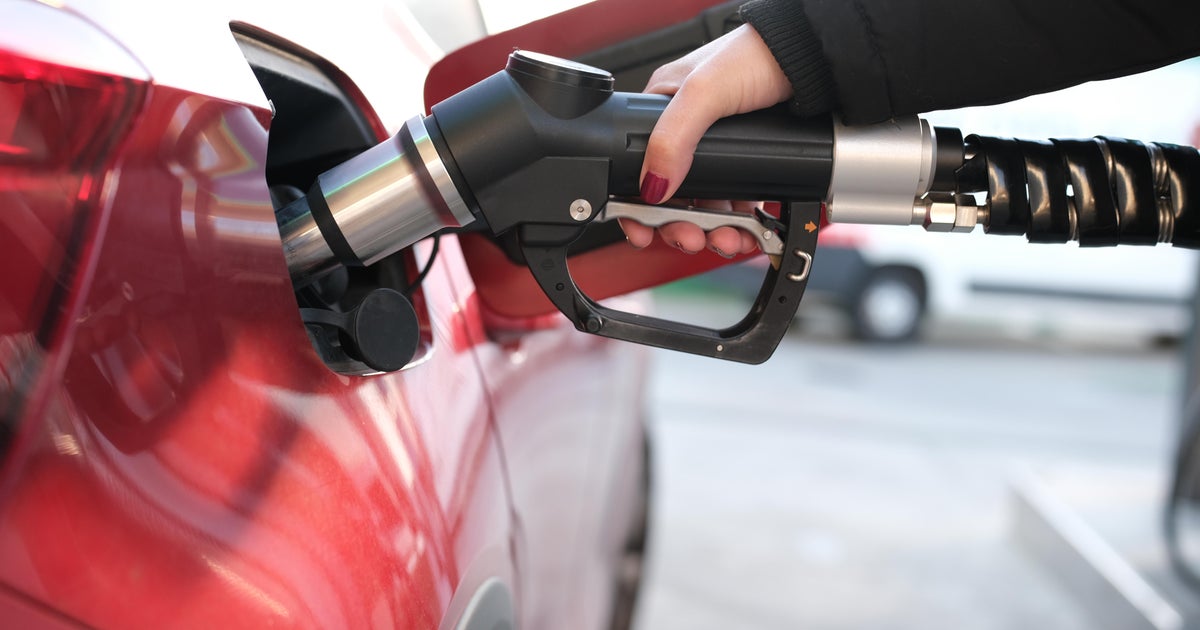
Gasoline and diesel prices continued to surge on Thursday, with energy experts warning that those costs are likely to climb in the days ahead amid festering geopolitical conflicts overseas.
asserted
costs → continue → conflicts
"Consumers should plan on higher prices for longer," said Patrick De Haan, a petroleum expert at GasBuddy, which tracks U.S. fuel prices.
asserted
which → plan → prices
The national average for gasoline jumped 7 cents overnight to $4.44 a gallon, according to AAA, up nearly 50% since before the
started in February.
uncertain
average → jump → February
Diesel, essential for transporting food and other goods around the U.S., hit a record $6.40, up 77 cents since the beginning of September.
asserted
Diesel → transport → September
De Haan projects that gas could hit $4.50 a gallon later this week, citing GasBuddy data, which put the national average at $4.46 a gallon.
uncertain
which → project → 4.46
Ongoing fighting in U.S.-Iran and Russia-Ukraine wars, which have crimped global oil supply, "increase the likelihood of further increases," he said.
asserted
he → crimp → increases
De Haan said diesel could hit $6.60 a gallon as early as this weekend.
uncertain
diesel → say → weekend
A handful of states have already exceeded that benchmark, including California, where diesel costs an average of $8.35 a gallon, according to AAA.
uncertain
diesel → exceed → AAA
Some motorists respond to higher gas prices by driving less, noted Tom Kloza, chief energy adviser for Gulf Oil.
asserted
Kloza → respond → Oil
But reducing diesel consumption is harder given that the fuel is widely used in trucking, rail, construction and other critical commercial activities.
asserted
fuel → reduce → trucking
"Buckle up and recognize that inflation is likely to get turbocharged by these high prices for a product you probably don't care much about, which is diesel fuel," he told CBS News.
asserted
he → buckle → News
"Everything that moves around the country and all crops are dependent on spending money on that fuel.
asserted
that → move → fuel
In addition to consumer goods, elevated diesel prices could also increase Americans' utility bills, Kloza said.
uncertain
Kloza → increase → bills
Northeast residents in particular could also be in for an
, given that around 4 million households rely on heating oil, made from diesel, to keep their homes warm, he said.
uncertain
he → give → homes
"They're looking at prices in the $6 range," he said.
asserted
he → look → range
"If you use 1,000 gallons in a winter, that's $6,000."
asserted
that → use → winter
Kloza said that he foresees gasoline hovering between $4.25 and $4.50 a gallon — still painful for consumers, but not significantly above Thursday's national average.
asserted
gasoline → say → average
Geopolitical conflicts have pushed crude oil prices higher, raising gasoline and diesel costs for Americans.
asserted
conflicts → push → Americans
Brent crude, the global oil benchmark, traded around $103 a barrel Thursday.
"
asserted
crude → trade → 103
It's the two wars, which now look like the three," said Tom Kloza, chief energy adviser for Gulf Oil, referring to the
an expansion in the conflict sparked by attacks from Iran-backed and the ongoing .Fuel
asserted
Kloza → look → backed
prices are rising due to reduced refining capacity — both overseas and in the U.S. — which has exacerbated the global oil shortage, De Haan said.
asserted
Haan → rise → shortage
The Midwest is getting hit particularly hard after an ExxonMobil refinery outside of Chicago had to halt production for several hours following a
over the weekend.
asserted
refinery → hit → a
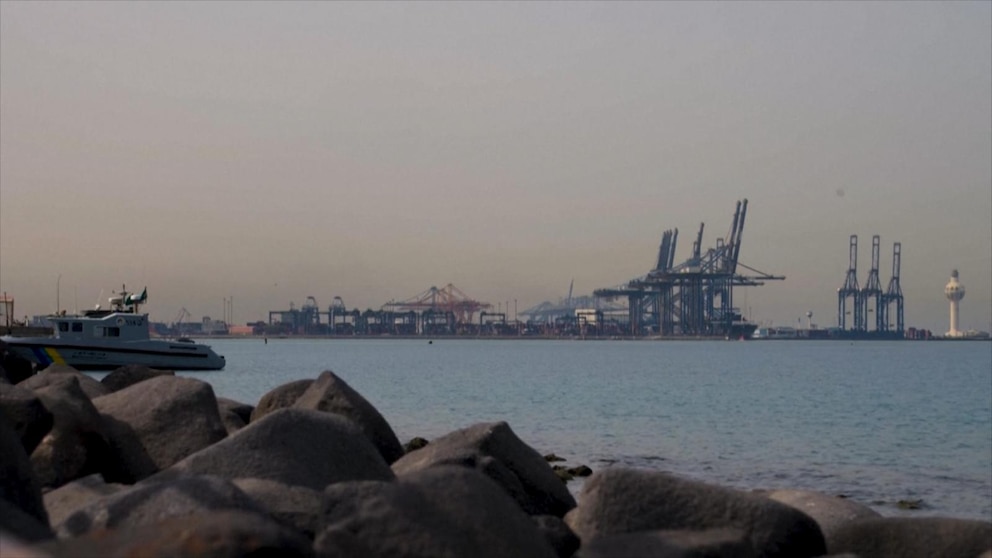
Recent Houthi attacks in the Red Sea and the shutdown of the key oil pipeline in Saudi Arabia have been "particularly impactful," he said.
asserted
he → say → Arabia
"It's all about refining capacity," he told CBS News.
asserted
he → tell → News
Oil supply has also taken a hit, not only from the slowdown in tanker traffic in the Strait of Hormuz, but the Houthi rebel attack on the so-called East-West pipeline in Saudi Arabia, which has been a key alternative for oil exports.
asserted
which → take → exports
The attack could leave the pipeline out of service for weeks, two regional officials told The Associated Press news agency earlier this week.
uncertain
officials → leave → agency
The attacks on the East-West pipeline cut 4 million barrels per day from the global market, according to Eurasia Group, a global political risk research and consulting firm.
uncertain
attacks → cut → Group
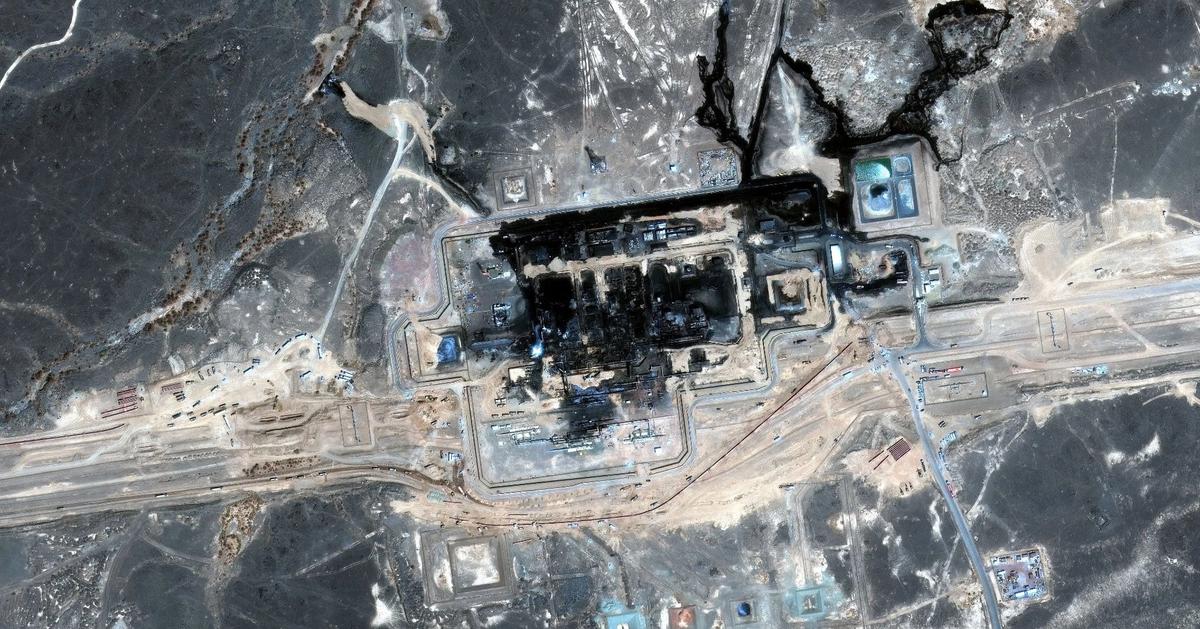
targeting Russian oil infrastructure have also dealt a major blow to Russia's refining capacity, cutting off a key supplier, De Haan added.
asserted
Haan → target → supplier
Kloza estimates 3 million barrels of refining have been knocked out due to the Ukrainian drone strikes, further reducing the world's refining capacity, which he said is normally around 100 million barrels a day.
asserted
he → estimate → capacity
"Russia exports a significant amount of diesel to the global supply chain," De Haan said.
asserted
Haan → export → chain
"Without that export, which Russia has banned since July, and with these continued attacks, it makes it less and less likely that Russia can meaningfully contribute."
Midwest, West Coast getting hit
While the conflicts are thousands of miles away, the economic pain is landing close to home, with American drivers in some states paying much more to fuel their cars than the national average.
Gas prices in Illinois averaged $4.78 a gallon on Thursday, more than 30 cents above the national average.
Kloza said the West Coast, which already has limited refining facilities, is also feeling the pinch of higher gas prices.
asserted
which → ban → prices
Drivers in California, the state with the highest fuel prices, are paying more than $6 a gallon on average for gas.
asserted
Drivers → pay → gas
"Blue states tend to be more expensive," Kloza said.
asserted
Kloza → tend → ?
"Red states tend to be cheaper, and that has a lot to do with where the energy is and where the refining is."
asserted
refining → tend → lot
 The Aporia