That is 0 articles you have read today.
The Aporia is free and carries no advertising, so readers are the only
thing paying for it. If you are getting this much out of it, a small
donation is what keeps it independent.
Daily limit reached
You have read 0 articles today.
That is more than the 15 a day The Aporia gives away,
and well past what it can carry on nothing. Your allowance resets at
midnight.
There is no advertising here and nothing about you is sold, so readers
are the only thing paying for it. If the site is worth this much of
your day, it is worth a few dollars.
Everything else stays open: the
maps, the
directory and
search do
not count against this, and neither does re-opening something you have
already read today.
Mortgage rates in the US have risen for a fourth consecutive week to just under 7%, according to Freddie Mac’s latest report released Thursday. This marks the highest rate since January 2023, with the average 30-year fixed-rate mortgage jumping from 6.76% last week to 6.95%. The increase reflects rising borrowing costs due to inflation and the Federal Reserve's recent interest rate hike, impacting homebuyers' purchasing power and potentially delaying housing market recovery.
Written locally by qwen2.5:14b on 2026-09-17,
using this article's own text rather than the other coverage of the
same event (that is the story summary below).
Story summary
The Federal Reserve is expected to raise interest rates by 25 basis points, increasing them from 3.75% to 4%, during its meeting on September 16, 2023, according to the CME Group's FedWatch tool which predicts a near 90% likelihood of this hike. This decision comes amid soaring inflation and pressure from global economic factors such as rising oil prices, which surged past $100 per barrel due to conflicts in the Middle East. Despite President Donald Trump urging lower interest rates, financial markets strongly anticipate the rate increase, leading Fed Chair Kevin Warsh to potentially face criticism from both sides. This move is seen as necessary to curb inflation but could also negatively impact homebuyers and those seeking loans or credit cards, given that affordable borrowing options might become less accessible.
Written for “Fed Interest Rate Hike” on 2026-09-18,
grounded in this article and the 43 other(s) covering the same event.
Why this leaning score
The model judged this article politically coded and scored it -0.35, but none of the 1 quote(s) it offered could be found in the article text, so the score is not published.
Written under an earlier scoring contract, which gave a paragraph
rather than checkable quotes. Re-analysing this article replaces it.
Leaning score withheld for article 16515: no verified evidence · logged 2026-09-17
Mortgage rates climbed for the fourth week in a row, driving the average long-term US home loan rate to just below 7%, its highest level in over 19 months.
asserted
rates → climb → months
The benchmark 30-year fixed rate mortgage rate rose to 6.95% from 6.76% last week, mortgage buyer Freddie Mac said Thursday.
asserted
Mac → fix → %
Higher mortgage rates can add hundreds of dollars a month to borrowers’ costs, limiting homebuyers’ purchasing power.
asserted
rates → add → power
As rates rise, that can also lead prospective home shoppers to delay buying.
asserted
that → rise → shoppers
The average rate hasn’t been this high since Jan. 30, 2025.
Borrowing costs on 15-year fixed-rate mortgages, often sought by borrowers refinancing a home loan, also rose this week.
asserted
costs → fix → loan
That average rate increased to 6.26% from 6.09% last week.
asserted
rate → increase → %
The housing market has been stuck in a rut this year in large part because of rising borrowing costs, as mortgage rates have kept marching higher in the months since the war between the US and Iran began in late February.
asserted
war → stick → February
Mortgage rates are influenced by inflation, Federal Reserve policy and bond-market investors’ expectations for the economy, among other factors.
asserted
rates → influence → factors
They generally follow the trajectory of the 10-year Treasury yield, which lenders use as a guide to pricing home loans.
asserted
lenders → follow → loans
That yield, which was at 3.97% in late February, before the war began, breached 5% on Monday for the first time since 2023.
asserted
war → begin → 2023
While the central bank doesn’t set mortgage rates, its decisions to raise or lower its short-term rate are watched closely by bond investors and can ultimately affect the yield on 10-year Treasurys.
asserted
decisions → set → Treasurys
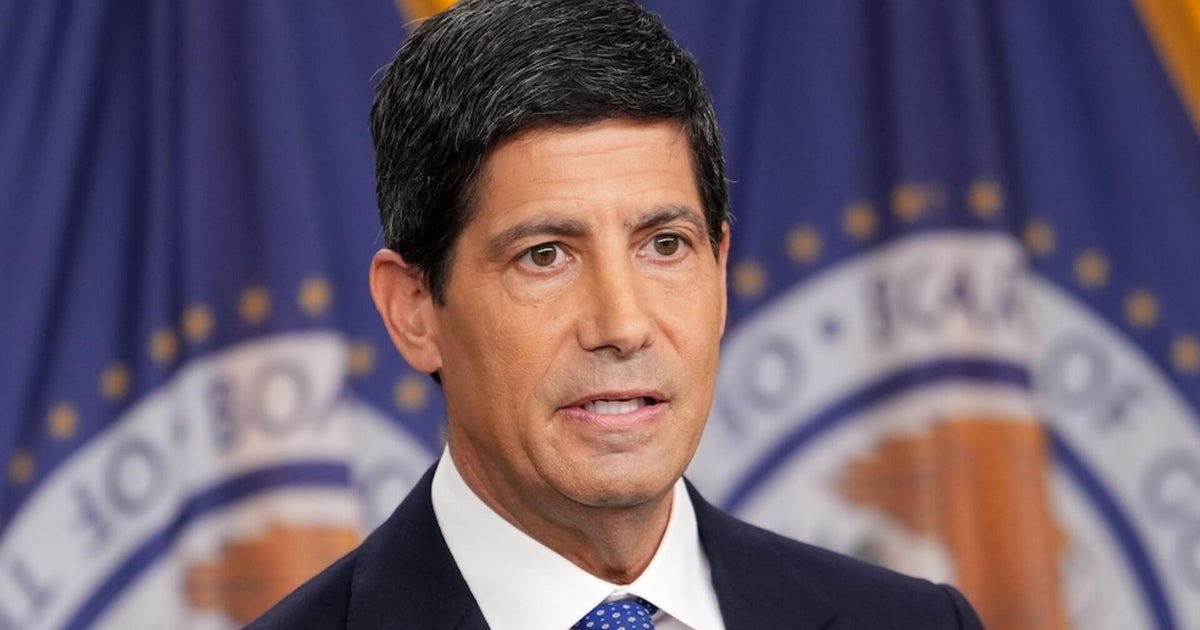
The Fed also signaled Wednesday that another rate hike could occur later this year.
uncertain
hike → signal → ?
“The rate hike all but guarantees that mortgage rates will remain stuck at or above the 7% threshold, which creates a psychological and financial barrier that will sharply squeeze affordability and sideline even more prospective buyers,” said Lisa Sturtevant, chief economist at Bright MLS.
asserted
Sturtevant → guarantee → MLS
The housing market has been in a slump since 2022, when mortgage rates began to climb from pandemic-era lows.
asserted
rates → begin → lows
Sales of previously occupied US homes were essentially flat last year, stuck at a 30-year low.
asserted
Sales → occupy → low
US sales of those homes slowed again last month.
asserted
sales → slow → homes
A sharp run-up in home prices, especially in the early years of this decade, and a chronic shortage of homes nationally worsened by years of below-average home construction have left many aspiring homeowners priced out of the market.
asserted
up → worsen → market
That has many would-be homebuyers keeping an eye on mortgage rates, which can boost home shoppers’ purchasing power when they come down, but also reduce how much homebuyers can afford when rates rise.
asserted
rates → have → much
 The Aporia