Claims extracted
17
sentences that state something as happening or true
Uncertain
12%
2 of 17 hedged
("reportedly", "may", "according to")
Leaning
not political
takes no side on a contested political question
Publisher signals
72/100
BBC News's corrections and
hedging, across everything collected from it. Not a measure of accuracy.
Outlets on this story
1
Economy/Business
Same framing elsewhere
1
articles that frame the event the way this one does
The Commerce Department said the US economy grew at an annual rate of 1.5% in the second quarter, down from 2.1% seen in the first three months of the year.
asserted
economy → say → year
Analysts had forecast growth to remain around 2%.
asserted
growth → forecast → ?
It comes as the world's largest economy continues to weather the financial impact of the war with Iran and US businesses navigate tariffs.
asserted
businesses → come → tariffs
The second quarter downturn was due to lower government spending, investment and exports, which offset the boost in consumer spending.
asserted
which → offset → spending
Consumer spending, which accounts for more than two-thirds of economic activity in the US, grew at a rate of 3.2% last quarter after slowing to 0.5% earlier this year.
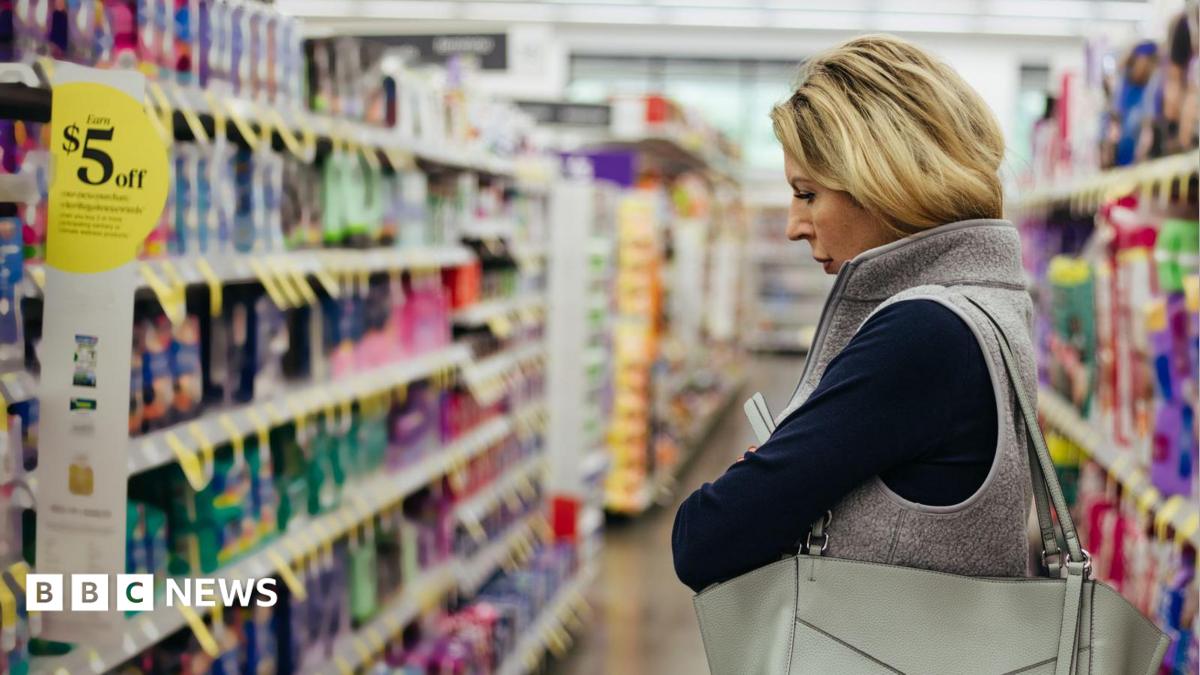
Despite prices rising at 3.5% in the year to June, Americans continued to spend on motor vehicles - particularly light-duty trucks - furniture and prescription drugs, according to surveys.
uncertain
Americans → account → surveys
Michael Pearce, chief US economist at Oxford Economics, said the growth slowdown underplayed the "strength" of the US economy and suggested the pace would return to above 2% later this year.
uncertain
pace → say → %
He said there were signs that investment in industries away from the AI boom was "reviving".
asserted
investment → say → boom
Pearce added that "surging AI-related investment is still the biggest game in town", but said the rise in imports of microchips used in its development mean its contribution to growth remained "modest".
asserted
contribution → add → growth
The Federal Reserve decided to hold interest rates for a fifth time in a row in Wednesday, with new chairman Kevin Warsh warning there was no "magic wand" to tackle rising prices.
asserted
Warsh → decide → prices
Prices in the US have been rising at a rate above the Fed's 2% target for more than five years, but the Commerce Department said consumer spending remained resilient.
asserted
spending → rise → years
The Fed said US economic activity was expanding at a "solid pace despite uncertainty caused by the conflict in the Middle East".
asserted
activity → say → East
The main economic concern from the conflict has been rising oil prices, which have surged again following recent escalations.
asserted
which → rise → escalations
Higher oil prices typically lead to increased prices at the pumps, with average gasoline prices now back above $4 a gallon.
asserted
prices → lead → 4
But Bradley Saunders, North America economist for Capital Economics, said while growth had slowed in recent months, the figure "seriously undersells a healthy economy".
asserted
figure → say → economy
He said the statistics showed households had "shrugged off" the hit to budgets from higher fuel prices.
asserted
households → say → prices
Separate data on the cost living was also released on Thursday.
asserted
data → release → Thursday
The Personal Consumption Expenditures Price Index, a measure of inflation closely watched by the Federal Reserve, increased by 3.7%.
asserted
Index → watch → %
 The Aporia