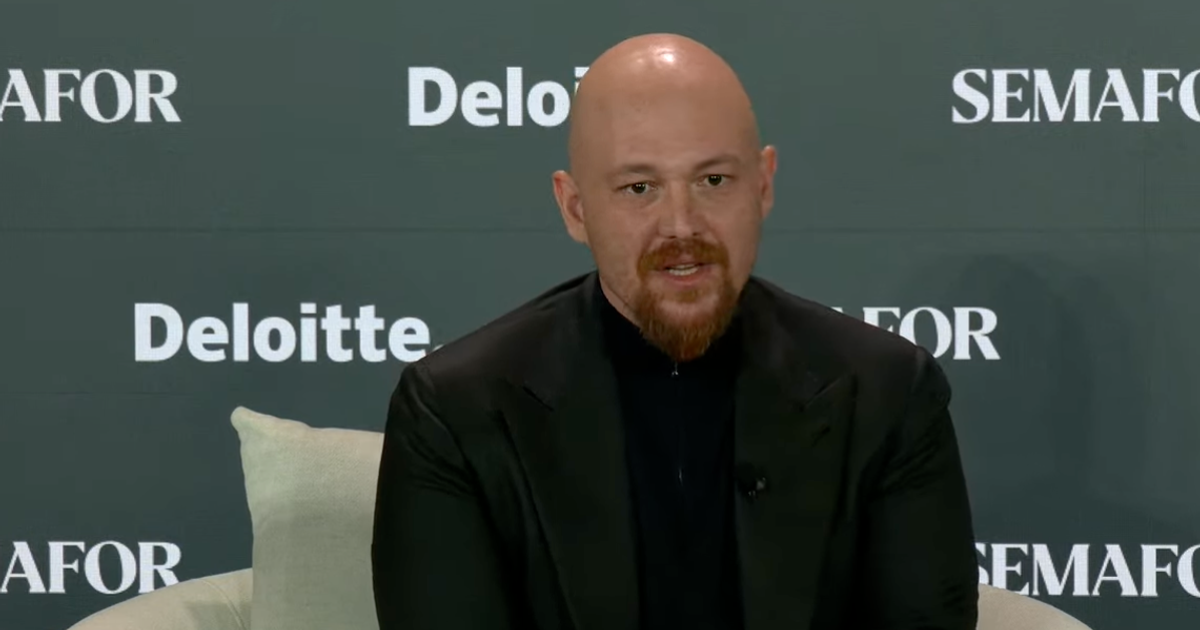
Photo via Semafor

US-China AI race causing global ‘alarm,’ UN's top tech enovy says

Read the original at Semafor ↗
Cite

Kesslen, B. (2026, November 17). US-China AI race causing global ‘alarm,’ UN's top tech enovy says. Semafor. https://www.semafor.com/article/11/17/2026/uns-top-tech-envoy-says-us-china-ai-race-causing-global-alarm

Dated from the outlet's own feed. Check the original for its byline.

Semafor · collected 2026-11-17 · by Ben Kesslen

Quick Summary

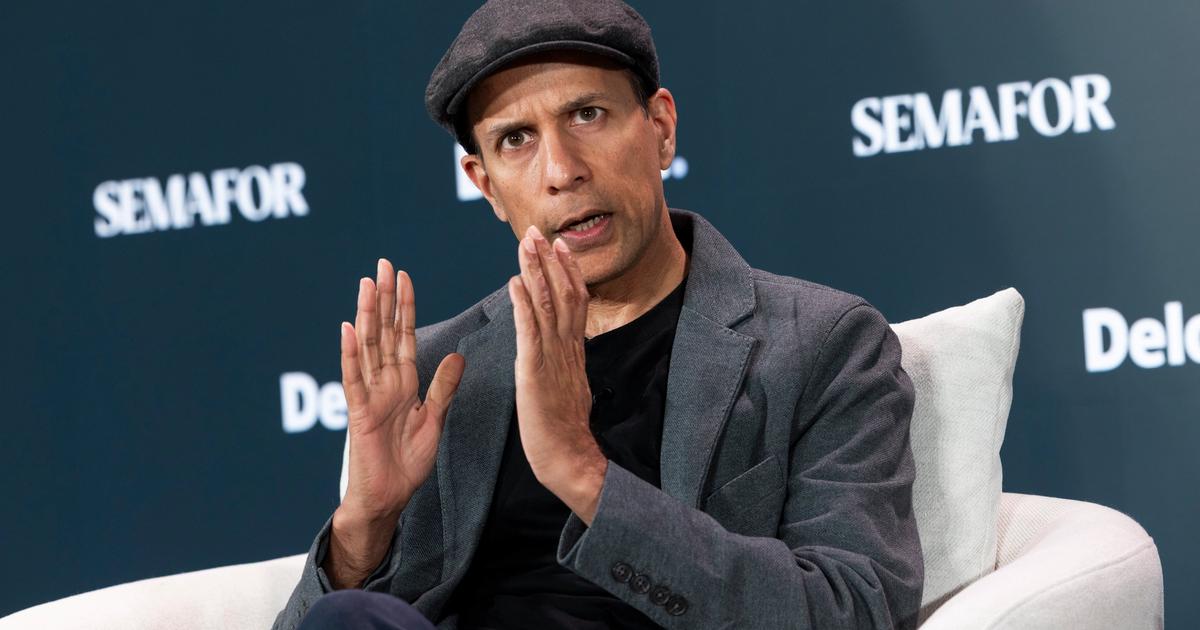
UN’s top tech envoy, Amandeep Singh Gill, stated at Semafor’s Silicon Valley & The World event that the global community views the AI competition between the US and China with concern. Countries fear being left behind as the focus remains on these two nations, and there is a desire to develop their own AI capabilities and infrastructure. Gill also noted that the current competitive environment may lead to a disregard for safety standards and ethical guidelines in AI development.
Written by AI on 2026-11-17, from this article's own text only (the story summary below draws on all the coverage).

AI analysis

Story summary

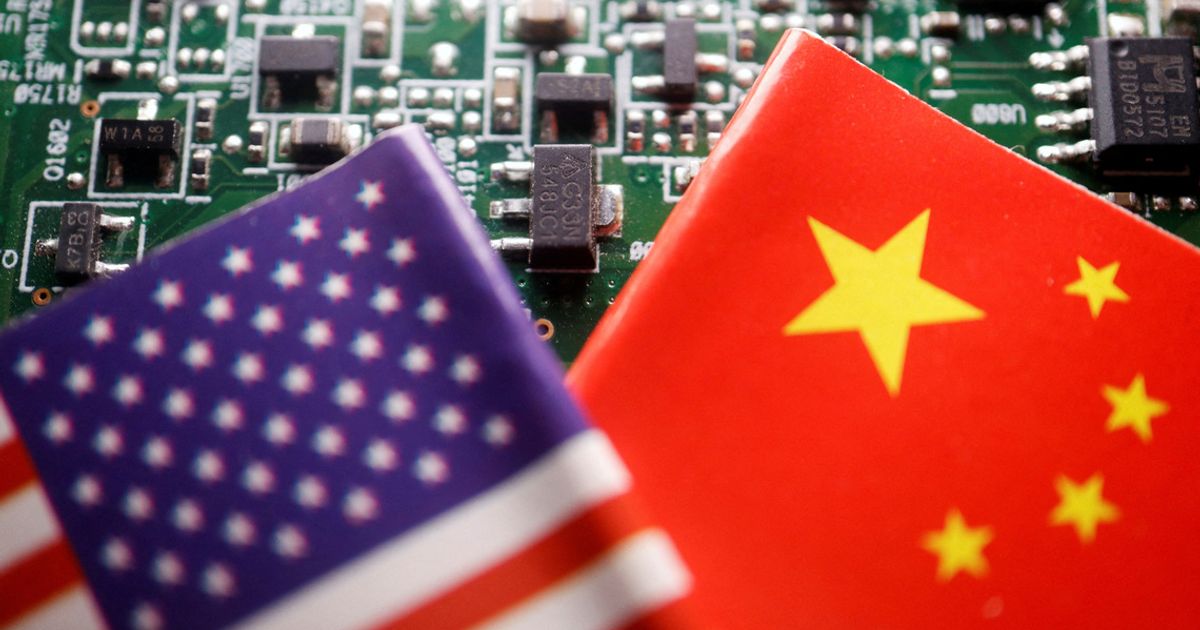
The AI industry faces growing skepticism and regulatory pressure in the US and Europe, with new governors in states like Texas and Ohio pledging to halt data center construction. This shift comes as the US prepares for a new Congress deeply skeptical of the tech industry. Meanwhile, global leaders are concerned about the US-China AI race, with the UN's top tech envoy, Amandeep Singh Gill, stating that the rest of the world views this competition with "some kind of alarm." Gill noted that while other countries do not want to compete with the US and China's frontier labs, they still seek to innovate and develop their own AI infrastructure, raising concerns about the potential for rule-breaking in the race for technological advancement.

Written for “US-China AI Race Causing Global Alarm” on 2026-11-18, grounded in this article and the 3 other(s) covering the same event.

Compared with similar articles

This article reads unscored and hedges 0% of its claims. Each row says how that neighbour differs.
Semafor
Leans left Hedges 1 of 9 claims Outlet record 65/100
CBC News
Leans right Hedges 11 of 41 claims Outlet record 60/100
“The articles discuss different aspects of AI regulation and global competition, not the same specific event.”
Semafor
Leans right Hedges 2 of 13 claims Outlet record 65/100
The Straits Times
Hedges 3 of 25 claims Outlet record 64/100
“The articles discuss related topics about the US-China AI race but describe different events and contexts, with Article A focusing on a statement by the UN's top tech envoy about global concerns and Article B discussing upcoming AI safety talks between the US and China.”
The Daily Caller
Hedges 7 of 24 claims Outlet record 93/100
“The articles discuss related topics about the US-China AI competition but describe different aspects of the issue.”
Deutsche Welle
Hedges 5 of 49 claims Outlet record 95/100
“The articles discuss the broader context and implications of the US-China AI competition, but do not describe the same specific event or incident occurring at the same time and place.”
Semafor
Hedges 2 of 12 claims Outlet record 65/100
“The articles discuss different aspects of AI at the same conference but do not describe the same specific incident.”

Story

US-China AI Race Causing Global Alarm
Technology · 4 article(s) covering the same event. See how they differ ↑
How this article was measured signals, leaning charts, publisher record, byline, topics and claims

Signals How these are calculated →

Claims extracted
4
sentences that state something as happening or true
Uncertain
0%
0 of 4 hedged ("reportedly", "may", "according to")
Leaning
withheld
no quote in the article backed the model's score
Publisher signals
65/100
Semafor's corrections and hedging, across everything collected from it. Not a measure of accuracy.
Outlets on this story
4
Technology
Same framing elsewhere
1
articles that frame the event the way this one does
Analyzed 2026-11-17 · how these are computed

How this is being covered How these are calculated →

Article leaning vs. publisher reliability
Source leaning vs. consistency

Publisher

Semafor · 1852 article(s) · 6 correction(s) detected
Running correction rate · 6 correction(s)

Who wrote this

Ben Kesslen
6 article(s) here · 0 carrying a prediction
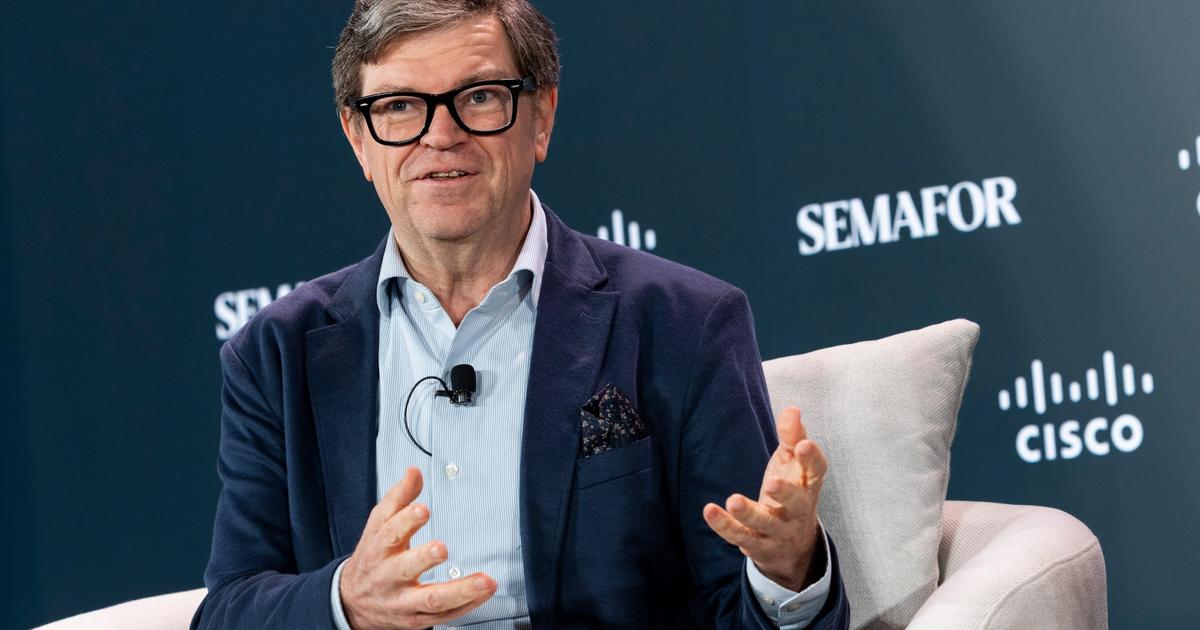
LeCun predicts a short period “where AI tools facilitate cyberattacks and favor the attacker over the defender,” but that will be “just a short period of transition.”
Investing in African AI would be “creating a market,” Gill said, and could improve AI’s reputation by showing how it can be used to improve water scarcity, public health, and public services issues.
That may be one reason, he said, for recent high-level technological disruptions, like the outages this week reported by banks and airlines.
“If it wasn’t for Jensen, there wouldn’t be a lot of funding going into US open model companies like Reflection and others.
Also by Ben Kesslen
Nothing else under this byline is closely related to this article, so these are simply their most recent.
All 6 articles by Ben Kesslen →

Topics

China Semafor Silicon Valley & The World the United Nations

Subjects

China GPE · 2× Gill PERSON · 2× Semafor ORG · 2× Amandeep Singh Gill PERSON · 1× Mohammed Sergie PERSON · 1× Silicon Valley & The World ORG · 1× the United Nations GPE · 1×

Narrative

Gill told Semafor’s Mohammed Sergie that while other countries are not trying to compete with frontier labs in the US and China, they still want to innovate. “So this also translates to some alarm in terms of guardrails, because if you have a race, then you tend to ignore the rules,” Gill said, adding that recent incidents around AI safety have sparked concerns among several countries that “shortcuts are being taken.”
framing: assertive · carried by 1 article(s) · first seen 2026-11-17

Claims (4 extracted, 0 hedged)

The rest of the world is looking at the AI arms race between the US and China with “some kind of alarm,” the UN’s top tech envoy said Tuesday. asserted
envoy → look → alarm
Other countries “don’t want their agency taken away with this attention just on this competition between two players,” Amandeep Singh Gill, the Under-Secretary-General and Special Envoy for Digital and Emerging Technologies of the United Nations, said at Semafor’s Silicon Valley & The World. asserted
Gill → want → Valley
“The rest of the world wants to build up its own models, its own infrastructure.” asserted
rest → want → models
Gill told Semafor’s Mohammed Sergie that while other countries are not trying to compete with frontier labs in the US and China, they still want to innovate. “So this also translates to some alarm in terms of guardrails, because if you have a race, then you tend to ignore the rules,” Gill said, adding that recent incidents around AI safety have sparked concerns among several countries that “shortcuts are being taken.” asserted
shortcuts → tell → countries
Give feedback · no sign-in needed

No sign-in needed for now. Your note is sent without a name, so it cannot be answered.

History Support