The Aporia
The Aporia
The Aporia

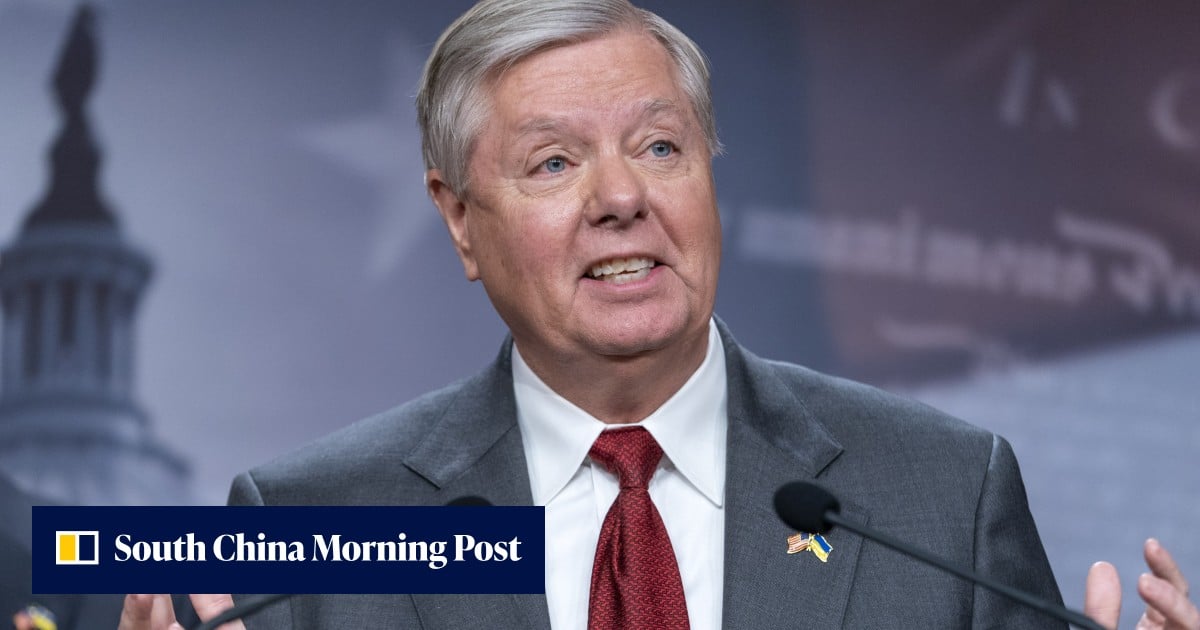
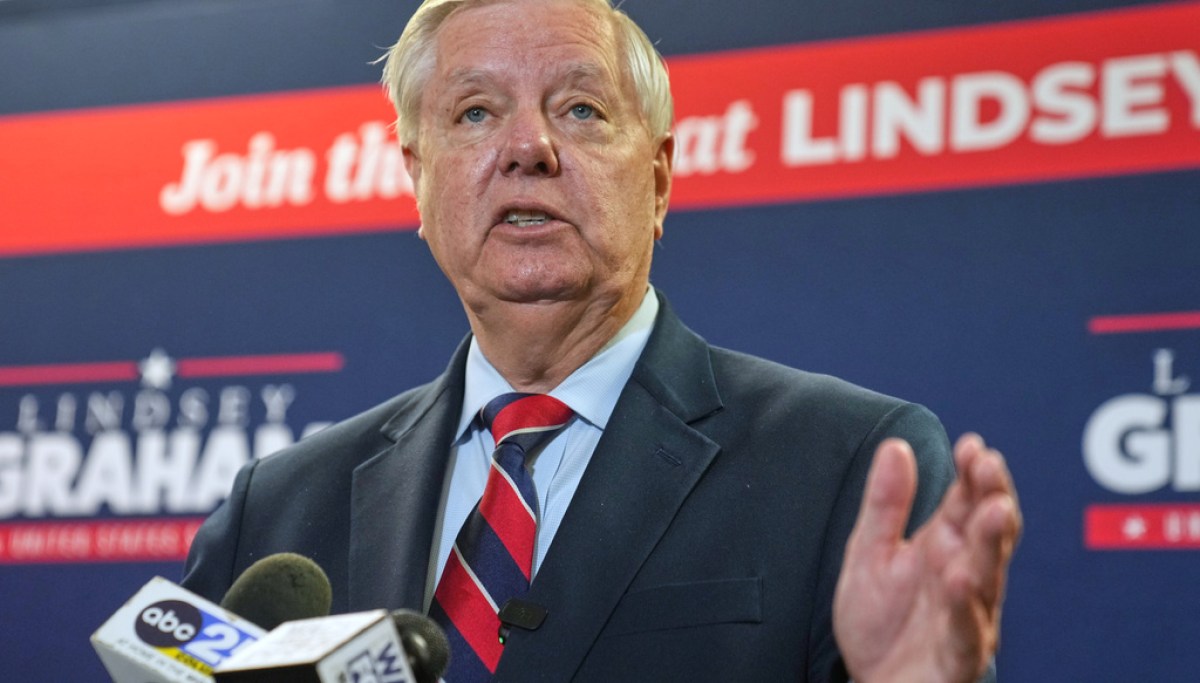
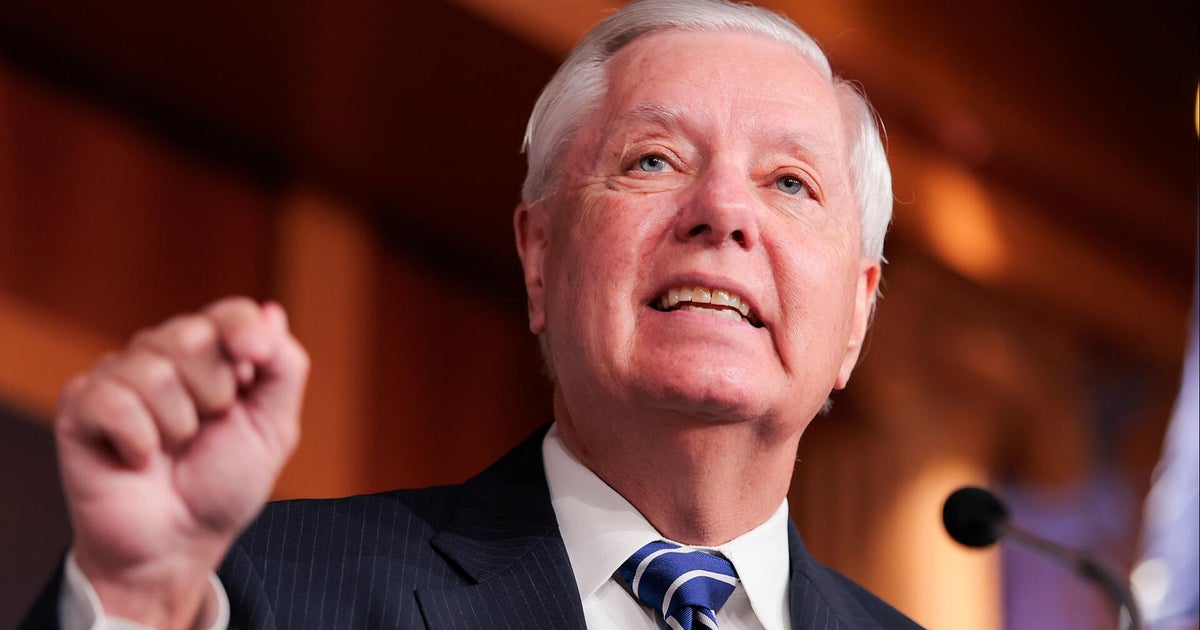
The United States House of Representatives passed a bipartisan sanctions bill targeting Russia on Wednesday, with a final vote of 262 to 159, after more than a year of delays and opposition. The legislation, championed by the late Senator Lindsey Graham, gives President Donald Trump new powers to impose tariffs up to 100 percent on countries like China and India that import energy supplies from Russia. This measure aims to further restrict financial support flowing to Moscow due to its ongoing war in Ukraine. While it received overwhelming bipartisan support in both chambers of Congress, Democrats were divided over concerns about expanding presidential tariff authority, with some fearing potential misuse against allies. The bill now awaits President Trump's signature.
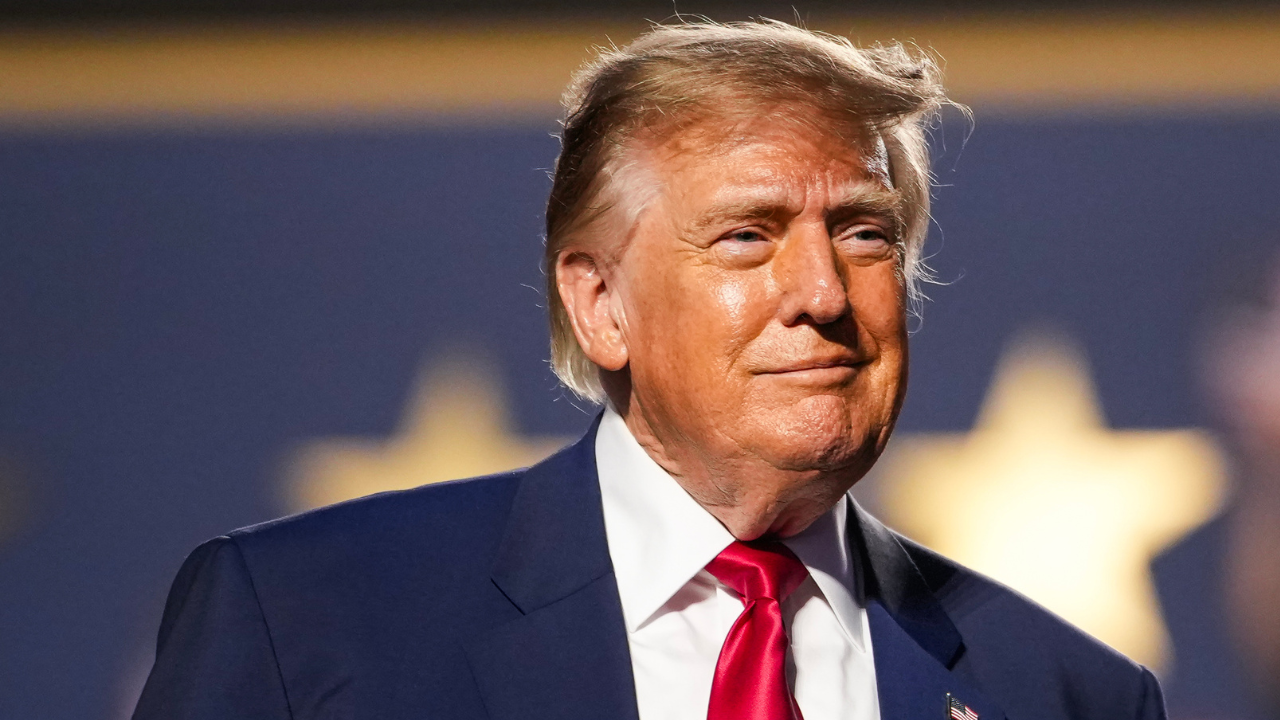
US President Donald Trump is expected to sign new legislation to step up economic pressure on Russia’s energy sector, over the objections of Democrats worried about handing him new trade powers.
The House of Representatives passed the sanctions bill, which had been championed by the late Sen. Lindsay Graham, on Wednesday.
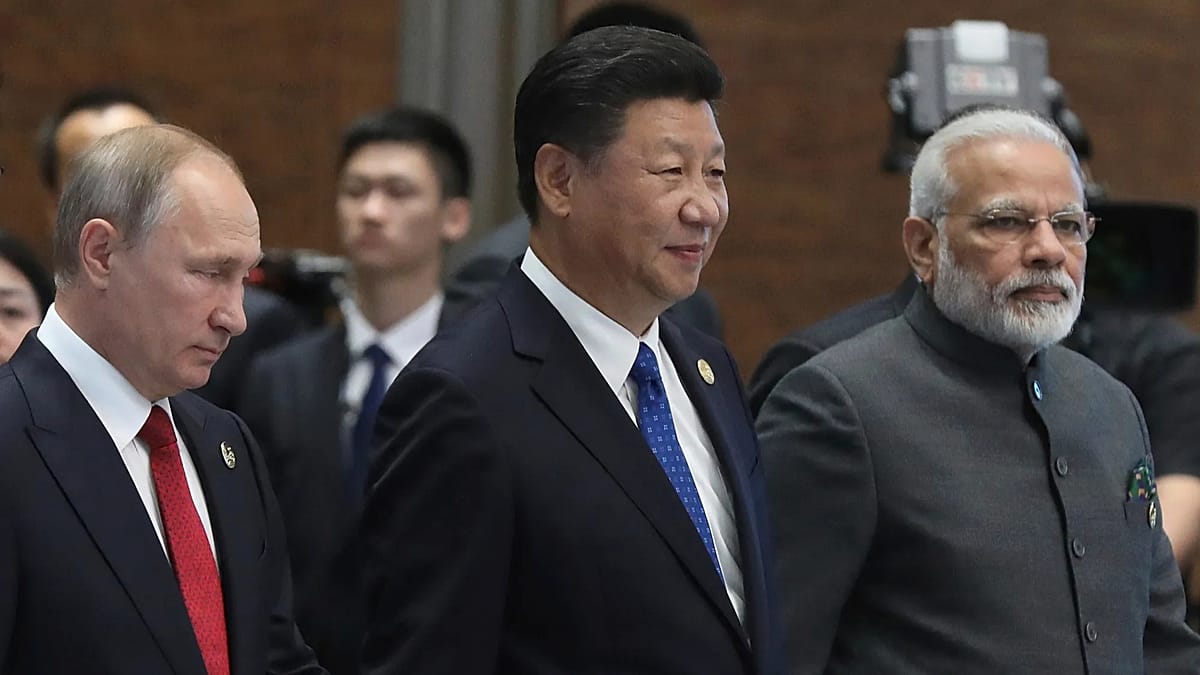
Among other measures, it allows Trump to impose tariffs of up to 100% on the top buyers and “facilitators” of Russian oil and gas (a list that includes China and, opponents like Rep. Greg Meeks (D-NY) say, could be manipulated to include any country on Trump’s bad side).
With some exceptions, the Trump administration has so far been reluctant to use its existing authority to escalate sanctions against Russia, fearing doing so could exacerbate the global oil and gas crunch.