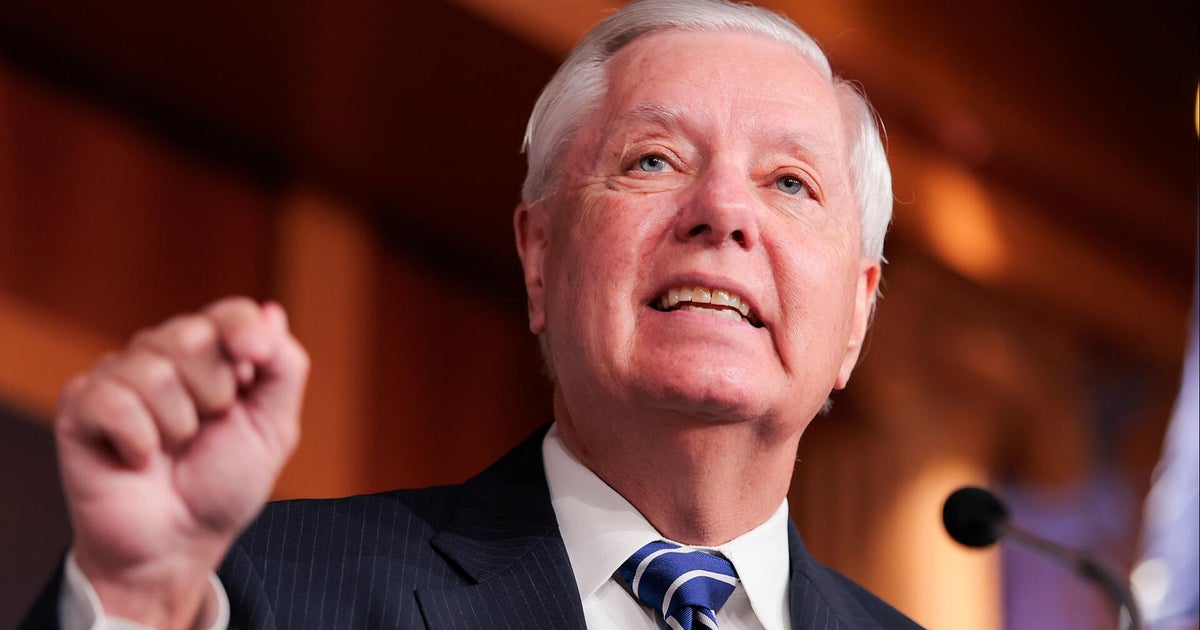
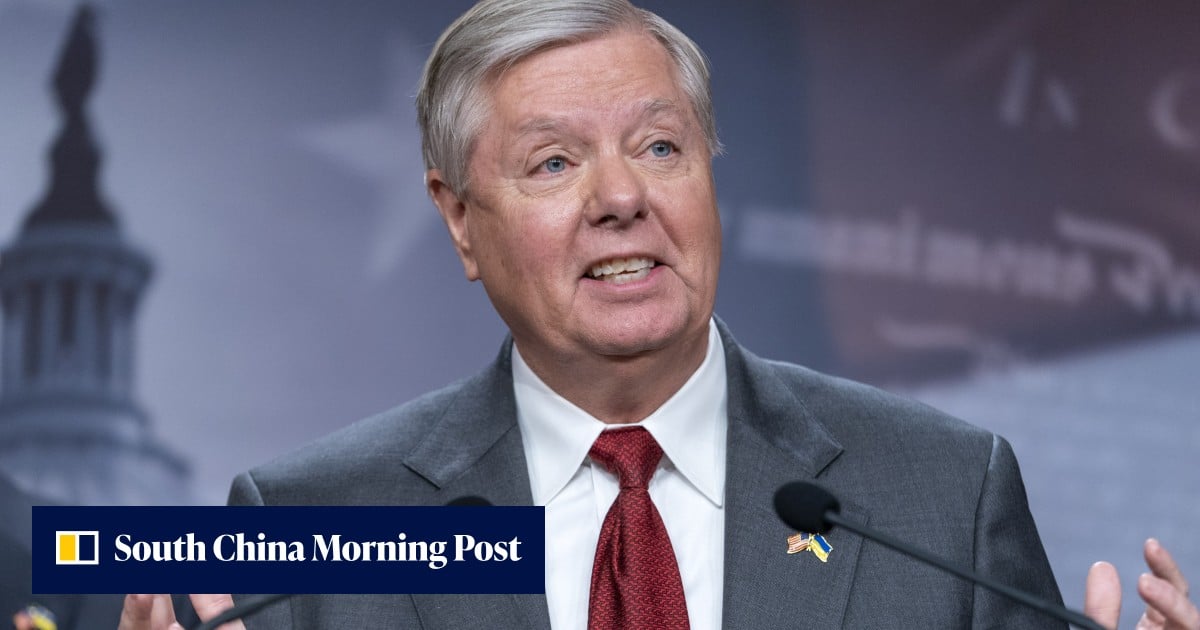
The US Congress has passed a bill giving President Donald Trump the authority to impose tariffs up to 100% on major buyers of Russian energy and to issue other sanctions against Russia. The Lindsey O Graham Sanctioning Russia and Iran Act of 2026, which aims to punish Russia for its involvement in Ukraine by targeting political and military officials along with foreign networks aiding the country’s war efforts, passed with a vote of 262-159. Despite support from the Trump administration and a significant majority in the Senate, the bill faced opposition in the House due to concerns over giving the president excessive powers and potential harm to American allies.
Written by the local model on 2026-09-17,
using this article's own text rather than the other coverage of the
same event (that is the story summary below).
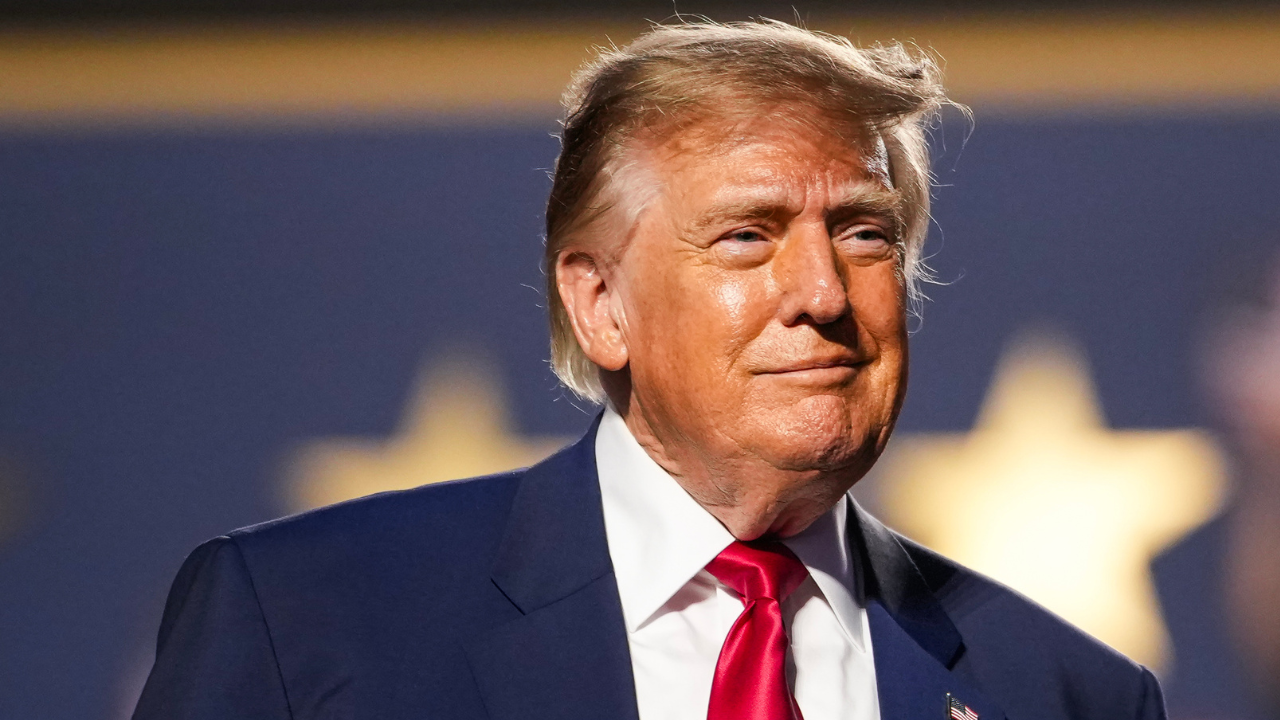
The US Congress has passed a sweeping bill allowing Donald Trump to raise tariffs on top buyers of Russian energy and issue other punishing sanctions against the Kremlin following a pitched battle between lawmakers backing Ukraine and sceptics worried the bill gives the president too much power.
asserted
bill → pass → power
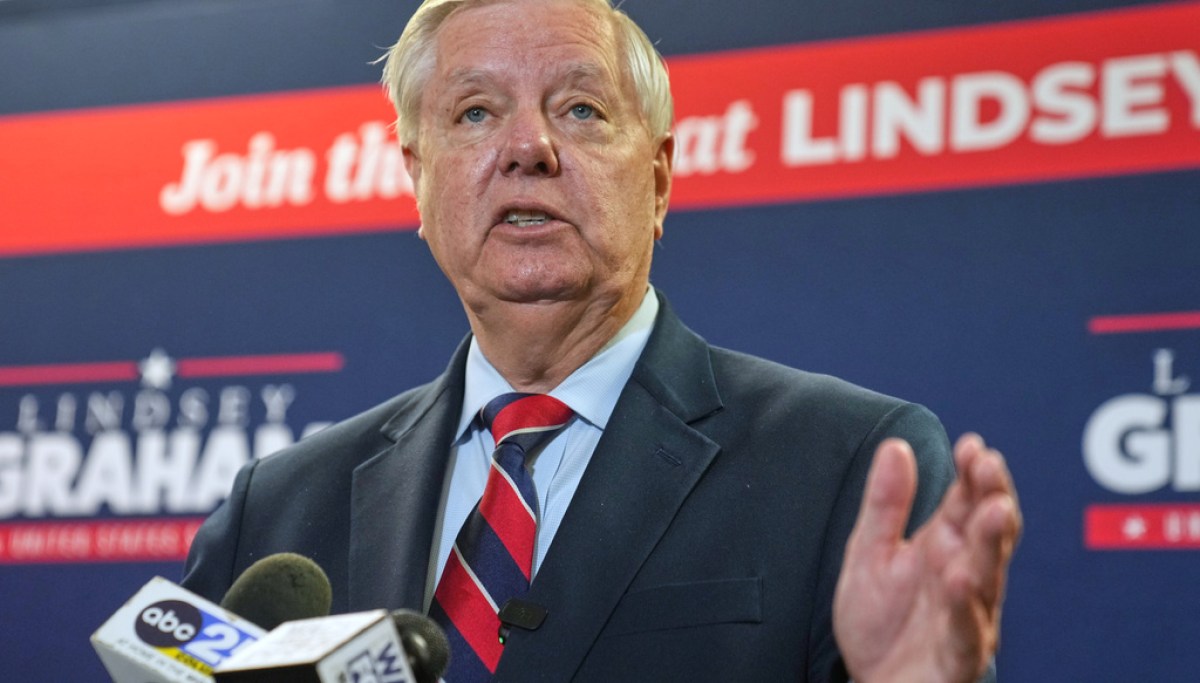
The Lindsey O Graham Sanctioning Russia and Iran Act of 2026 passed in a 262-159 vote on the last day before Congress goes on recess ahead of the midterm elections.
asserted
Congress → sanction → elections
Graham, who died earlier this year, co-
asserted
who → die → ?
The long delay in the vote was widely considered to be scepticism from the Trump administration, which had opposed additional sanctions and then recently changed its stance to support tabling the bill as efforts to negotiate with the Kremlin to end the war have yielded few results.
asserted
efforts → consider → results
However the bill faced last-minute hurdles in Congress as members of the Republican party’s isolationist wing were joined by Democrats who warned that Trump could use the bill’s new tariffs authority against allies instead.
uncertain
Trump → face → allies
The bill would mandate new sanctions on Russian political and military officials, and foreign networks helping to supply Russia’s war machine and evade existing sanctions.
asserted
bill → mandate → sanctions
It would also target Russia’s so-called fleet of “shadow tankers”, which have allowed the country to continue to ship crude around the world despite sanctions on its energy exports.
asserted
country → target → exports
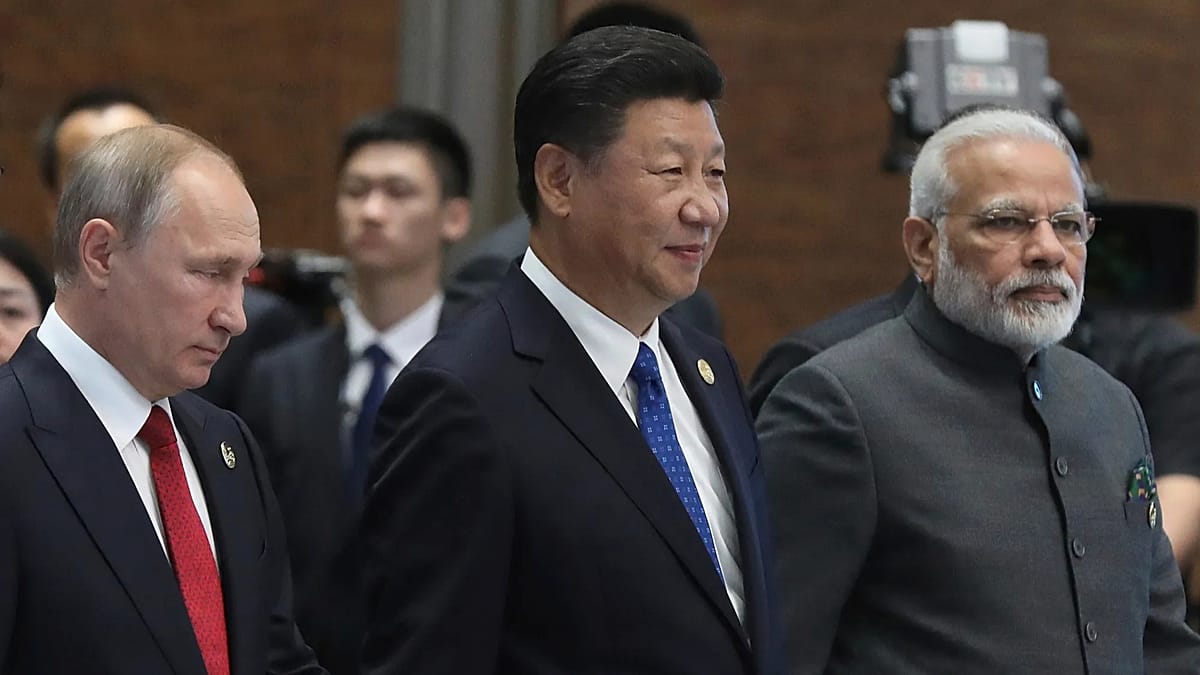
It would also allow Trump to impose tariffs of up to 100% on the top purchasers of Russian energy, including China, as well as other countries helping the Kremlin evade sanctions.
asserted
Kremlin → allow → sanctions
Senior Democrats voiced opposition to the bill during a heated floor debate.
asserted
Democrats → voice → debate
“Why in the world would this Congress give this president additional authority to visit that kind of economic harm on the American people?” said Hakeem Jeffries, the leading Democrat in the House, during a speech on Wednesday, adding he would vote against the bill.
asserted
he → give → bill
Democratic staffers supporting the bill said that it offered a “last chance” to increase sanctions on Russia before Ukraine entered a “long winter”.
asserted
Ukraine → support → winter
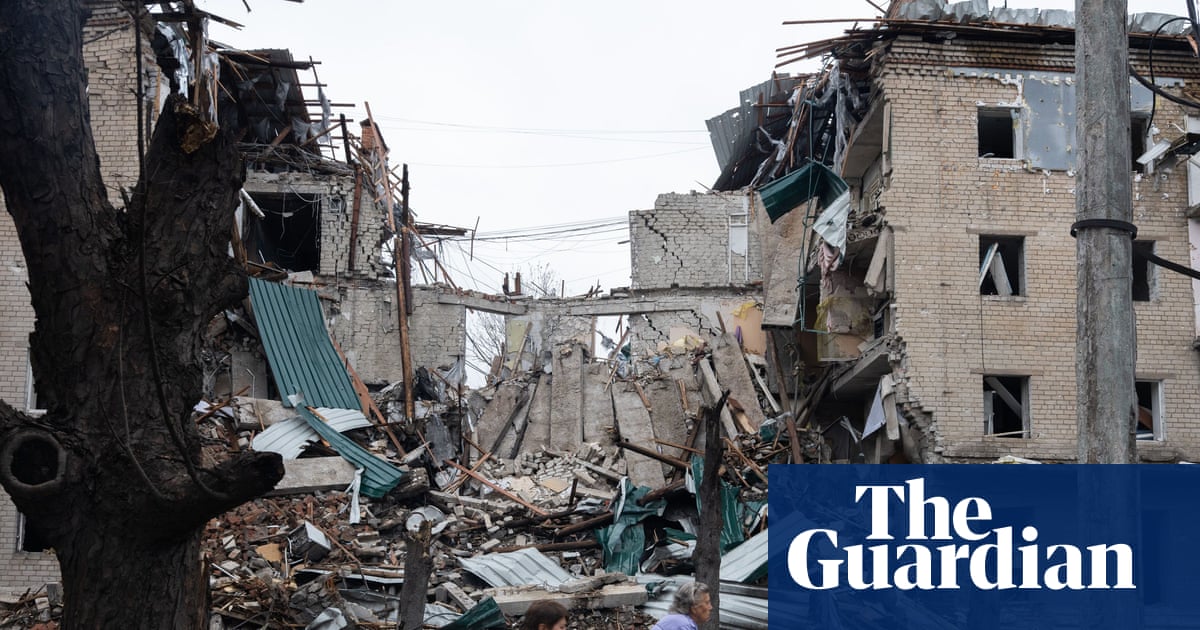
Russia has improved the drone technology it has used to strike Ukrainian infrastructure as Kyiv has suffered a shortage of anti-air missiles, leaving the country in a dire position.
asserted
Kyiv → improve → position
Don Bacon, a Nebraska Republican supporting the bill, called it the US Congress’ “Churchill vs Chamberlain Moment on Russia”.
asserted
Bacon → support → Russia
“Choking off the money funding a war of conquest in Europe is exactly what that authority should be used for, and Congress deciding to do that is Congress doing its constitutional job,” he said, rejecting arguments by Democrats that the bill gave Trump too much authority to slap tariffs on foreign countries.
asserted
bill → choke → countries
The bill passed the Senate last month in a landslide 86-11 vote.
asserted
bill → pass → vote
However it faced more pushback in the House of Representatives.
asserted
it → face → Representatives
A Tuesday rule vote allowing consideration of Senate amendments to the bill passed by just 214-211, with two renegade Democrats joining Republicans to vote in favour of what they said was an act of support for Ukraine.
asserted
they → allow → Ukraine
That vote led to senior Democrats holding terse talks with their fellow party members.
asserted
Democrats → lead → members
“I’m proud to represent one of the largest Ukrainian communities in America – people who have lost fathers, mothers, sons and daughters in the fight to defeat fascism,” wrote Marie Gluesenkamp Perez, one of the two Democrat representatives, in a statement on Tuesday.
asserted
Perez → ’m → Tuesday
“I’ll always stand with my community’s values, and am grateful for the 86 senators who voted to send this bill to the House.
asserted
who → stand → House
My vote today gets us one step closer to enacting these sanctions into law and I look forward to voting tomorrow to cut off the flow of Russian oil money fuelling this war.”
asserted
I → get → war
The Ukrainian government has said it supported the bill, and hundreds of pro-Ukrainian activists calling for tougher sanctions on Russia held advocacy talks in Washington DC in the days leading up to the vote.
asserted
hundreds → say → vote
“We support any initiative that is in the interest of Ukraine and Ukrainians,” said Denys Sienik, the Chargé d’Affaires at the Ukrainian embassy in Washington DC.
asserted
Sienik → support → DC
“So if we are talking about the possibility of putting more pressure on Russia so that it holds the Russian war machine, of course, we are there, and we are grateful to every senator, to every congressman and congresswoman for their voice and, and for their support.”
asserted
we → talk → support
 The Aporia