The Bank of England’s monetary policy committee left interest rates unchanged at 3.75% for now but indicated they may increase due to ongoing conflict in the Middle East pushing oil prices above $100 a barrel. This complicates Prime Minister Andy Burnham's efforts to reassure voters, as rising inflation and energy costs could undermine recent cost-of-living measures despite his intentions to focus on domestic issues rather than international conflicts.
Written locally by qwen2.5:14b on 2026-09-17,
using this article's own text rather than the other coverage of the
same event (that is the story summary below).
Story summary
The Bank of England decided to keep interest rates at 3.75%, marking the sixth consecutive meeting where they have held steady despite rising inflation concerns. The Monetary Policy Committee (MPC) voted 6-3 to maintain current rates, with three members advocating for a hike to 4%. Inflation rose to 3.1% in August, up from 2.9% the previous month, surpassing the Bank's target of 2%. Economists predict further rate increases if global energy prices remain volatile due to the ongoing conflict in Iran. Meanwhile, mortgage rates have already climbed beyond the base rate as lenders anticipate future hikes by the central bank.
Written for “Interest Rates Decision UK BoE” on 2026-09-17,
grounded in this article and the 6 other(s) covering the same event.
Why this leaning score
The article's own words the score was based on. Each is quoted
verbatim and was checked against the article text before being
stored, so you can find it in the original.
-
Good luck to Andy Burnham convincing voters he is giving them “breathing space,” if the Bank of England ratchets up interest rates in the coming months.
left suggests that rate rises will be politically damaging
-
Burnham kicked off his premiership with modest but tangible cost of living measures, such as capping bus fares and slashing VAT on electricity bills. But he now faces a double whammy.
left emphasizes the negative impact of rate rises on cost-of-living measures
-
Higher inflation and energy prices threaten to overwhelm the benefits of such handouts; but higher interest rates on government borrowing has increased the costs of future measures to protect consumers.
left frames rate rises as harmful to consumer protection efforts
Leaning score -0.45 for article 15952 (high confidence, 3 verified quotes) · logged 2026-09-17
Good luck to Andy Burnham convincing voters he is giving them “breathing space,” if the Bank of England ratchets up interest rates in the coming months.
asserted
Bank → convince → months
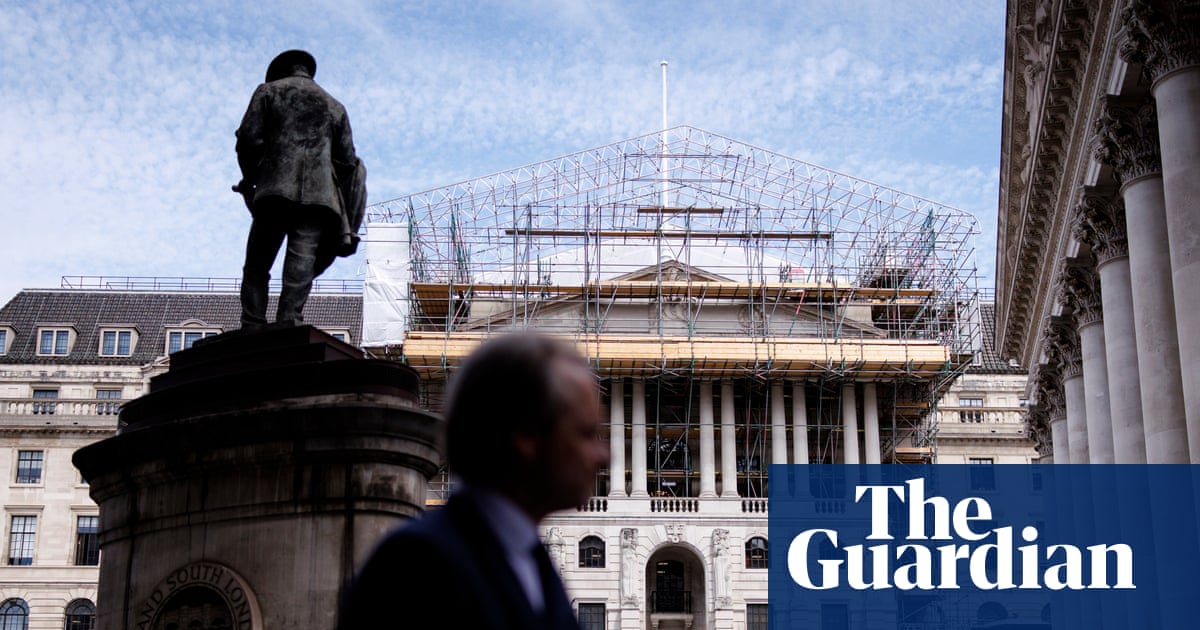
That was the prospect opened up by Thursday’s minutes of the Bank’s monetary policy committee (MPC) meeting, which left rates unchanged at 3.75% – for now – but suggested policymakers may be unlikely to hold out much longer.
uncertain
policymakers → open → %
“If the conflict in the Middle East persists for an extended period, as appears to be the case,” the Bank governor, Andrew Bailey warned.
asserted
governor → persist → period
“It is likely that policy may have to tighten.”
uncertain
policy → have → ?
With classic Bank understatement, Bailey warned that since hostilities heated up again, there had been, “a seeming loss of urgency to find solutions”.
asserted
hostilities → warn → solutions
When the new prime minister arrived in Downing Street in July, the war had abated, and the UK economy was puttering along nicely.
asserted
economy → arrive → July
Since then, the resumption of the Iran conflict has pushed global oil prices back above $100 a barrel, with painful knock-on effects across Europe and Asia.
asserted
resumption → push → Europe
In the UK, inflation hit 3.1% in August, driven by rising fuel prices.
asserted
inflation → hit → prices
And even without a rate rise from the Bank, mortgage rates have already jumped, as markets contemplate a period of higher inflation.
asserted
markets → jump → inflation
The MPC now expects inflation to be above 4% in the first quarter of 2027.
asserted
inflation → expect → 2027
The minutes of the their meeting suggested a marked reluctance to raise rates for now.
uncertain
minutes → suggest → rates
While energy prices have shot up, the jobs market remains weak, helping to contain the risks of the “second-round effects” that allow inflation to become embedded.
And the six:three vote for a hold was the same as at their last meeting in July, suggesting no rush to jump immediately.
asserted
vote → shoot → rush
The widely expected hold decision leaves the Bank an outlier among leading central banks.
asserted
decision → expect → banks
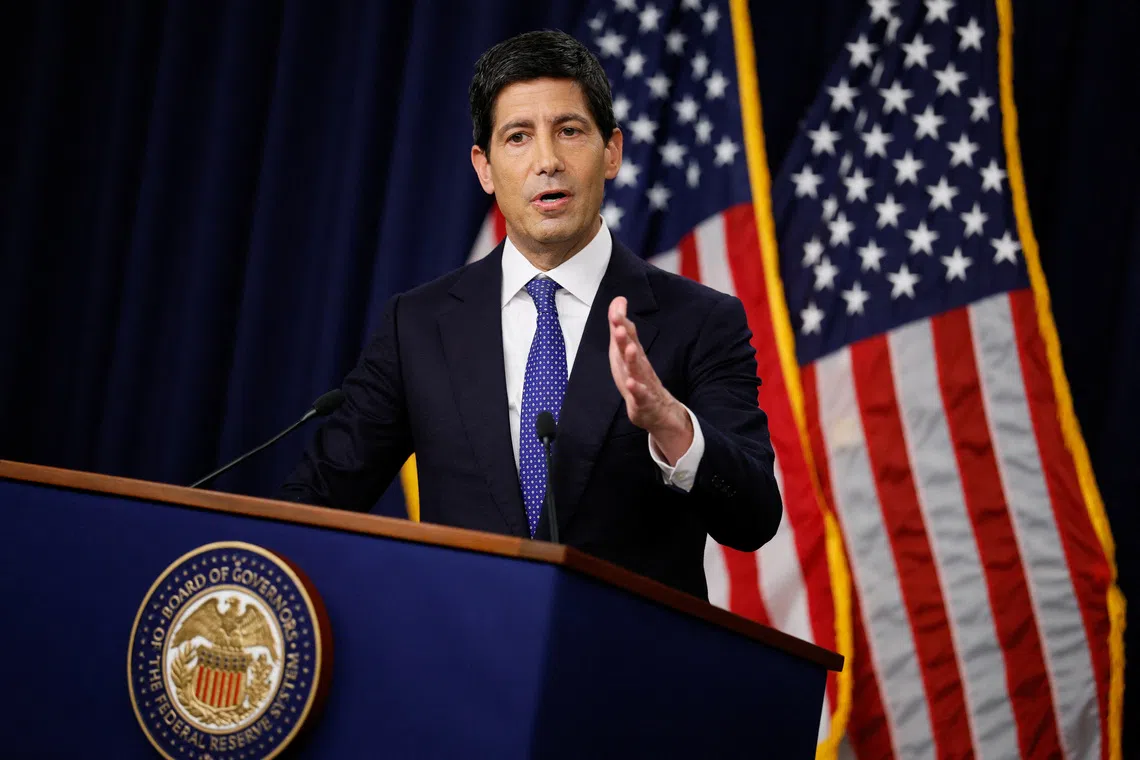
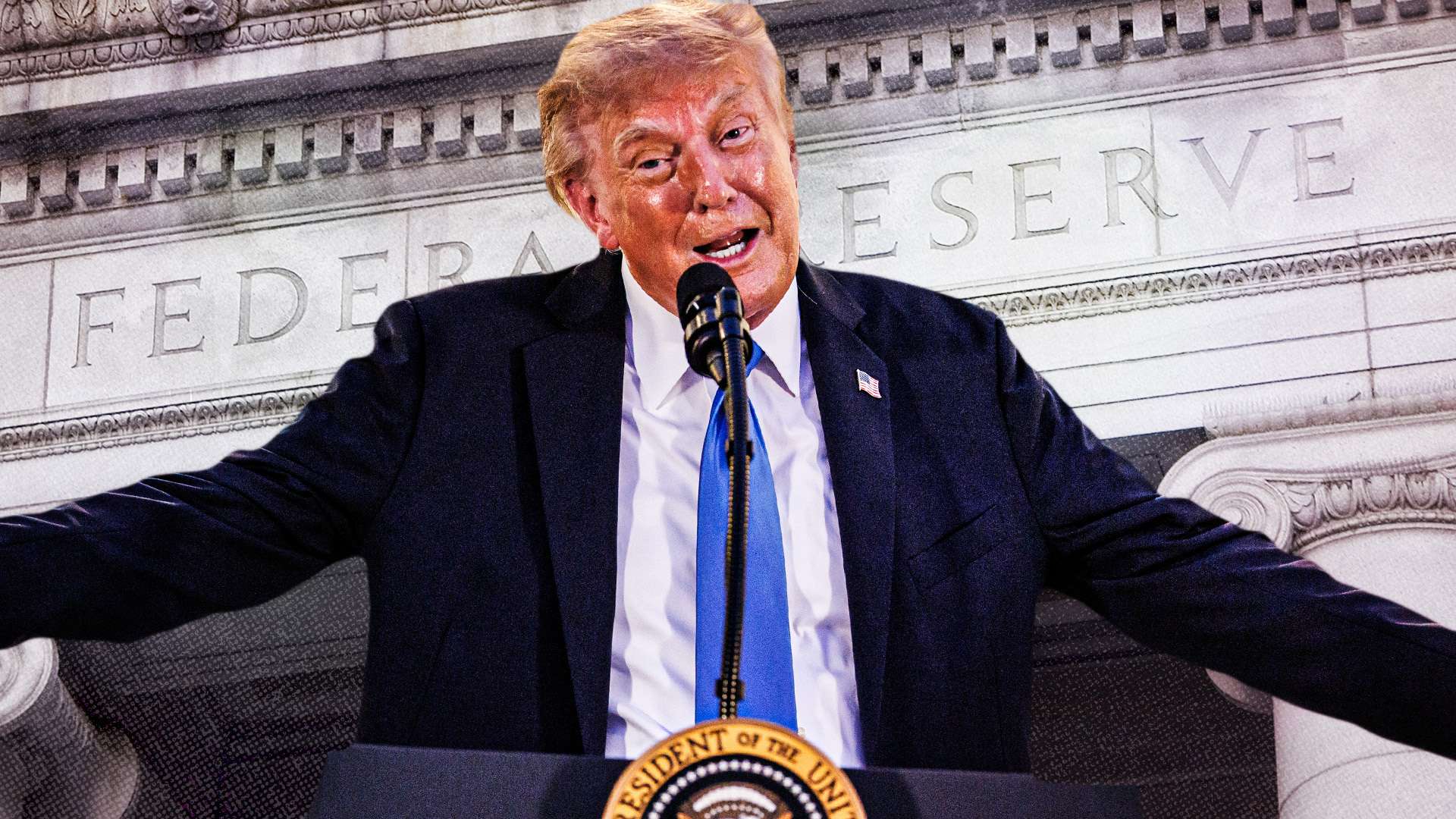
Kevin Warsh, chair of the US Federal Reserve, defied Trump’s urgent calls for rate cuts on Wednesday by increasing US borrowing costs for the first time since 2023 – a move that went down well in financial markets, but predictably infuriated the president.
asserted
that → defy → president
The ECB raised rates last week; the Bank of Japan is expected to follow on Friday.
asserted
Bank → raise → Friday
Burnham kicked off his premiership with modest but tangible cost of living measures, such as capping bus fares and slashing VAT on electricity bills.
asserted
Burnham → kick → bills
But he now faces a double whammy.
asserted
he → face → whammy
Higher inflation and energy prices threaten to overwhelm the benefits of such handouts; but higher interest rates on government borrowing has increased the costs of future measures to protect consumers.
asserted
rates → threaten → consumers
All this at a time when – as the MPC acknowledges – weather shocks are likely to push up food prices, and bond markets remain fragile.
asserted
markets → acknowledge → prices
The new prime minister has made clear that he expects to focus more on domestic affairs and less on striding the global stage than his beleaguered predecessor Keir Starmer.
asserted
expects → make → predecessor
But if – as currently seems likely – the Iran war goes on and on, the costs of global geopolitics will be felt at home regardless.
asserted
costs → seem → home
 The Aporia