U.N. talks seek to rein in 'killer robots' as fears over AI weapons grow
GENEVA —
asserted
fears → seek → weapons
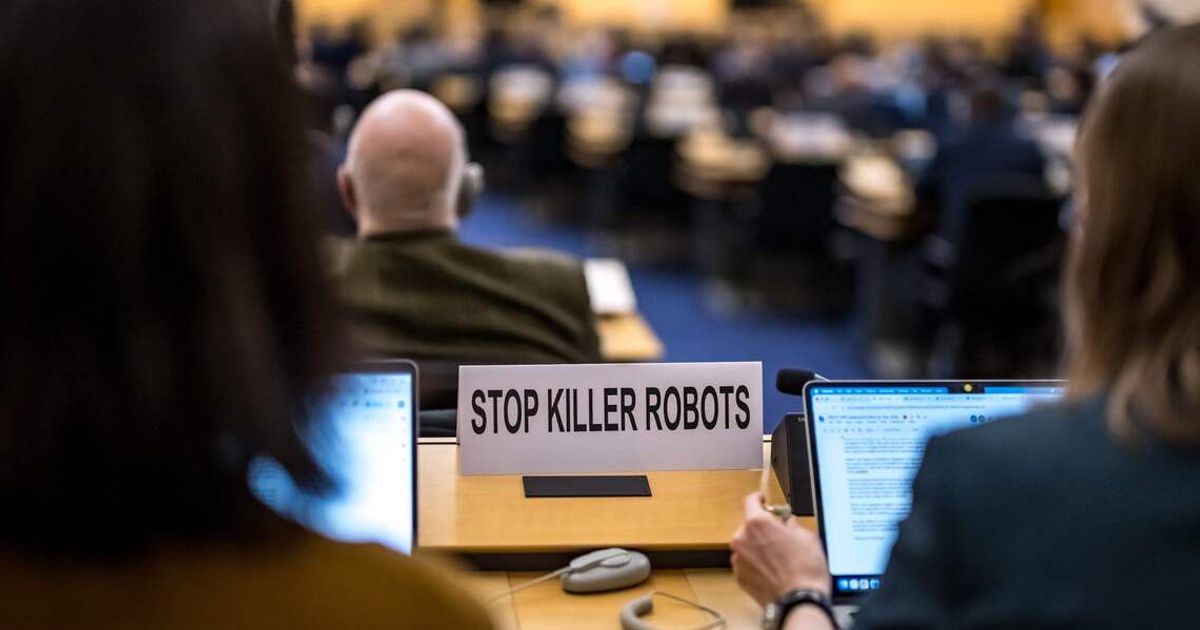
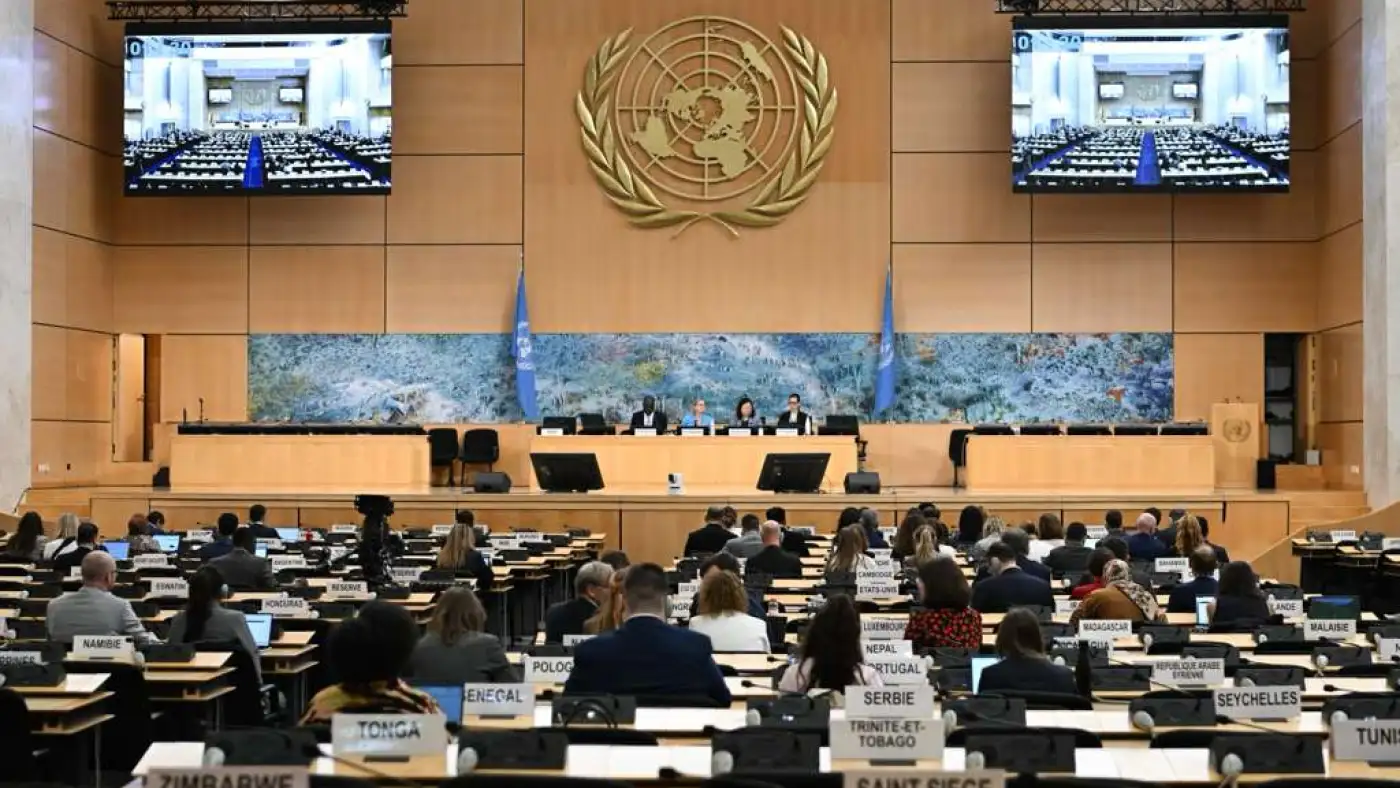
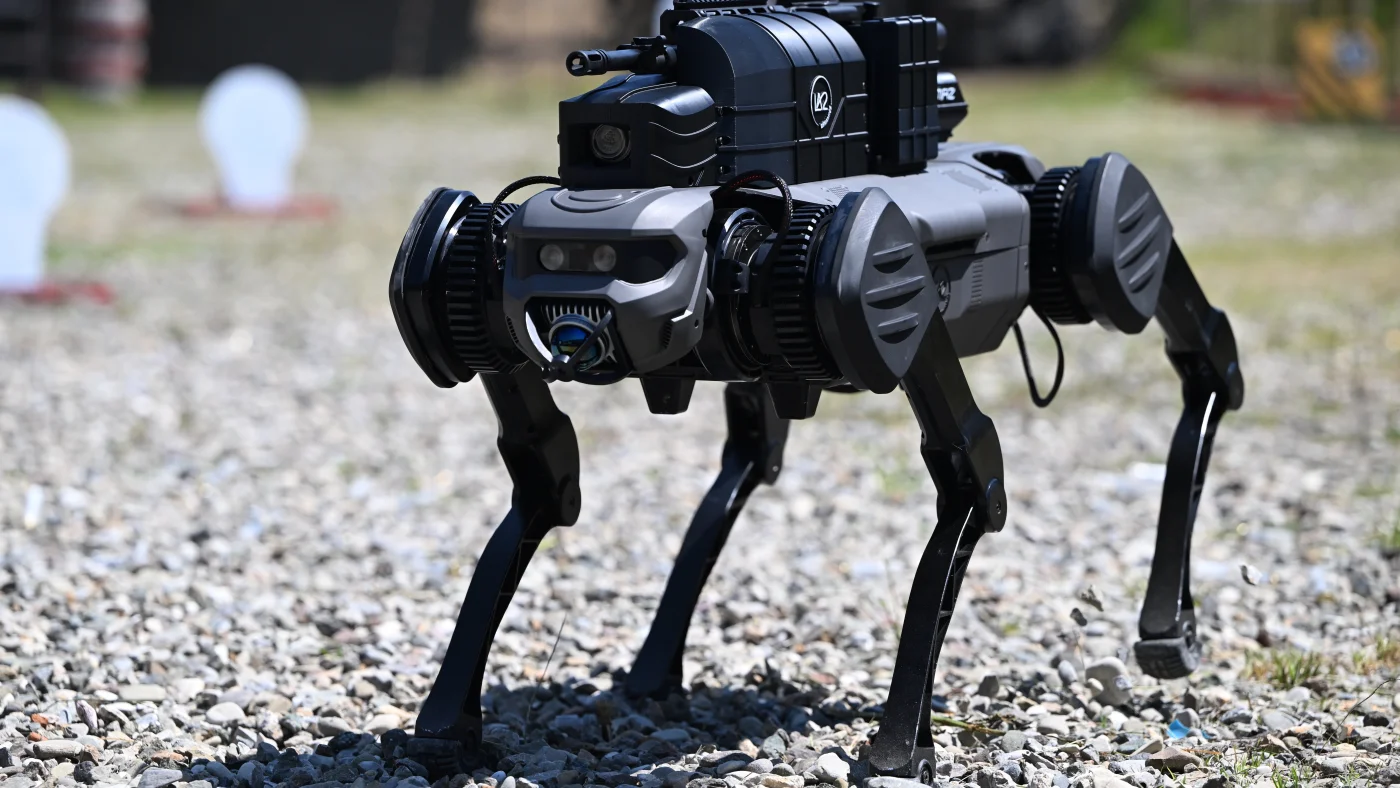
Negotiations on possible rules for the use of lethal autonomous weapons, also known as 'killer robots' are underway at the United Nations in Geneva.
asserted
Negotiations → know → Geneva
Supporters of controls on autonomous weapons say this week's U.N. conference on Certain Conventional Weapons (or CCW), which meets just once every five years, is the last best chance to agree rules before it is too late.
asserted
it → say → rules
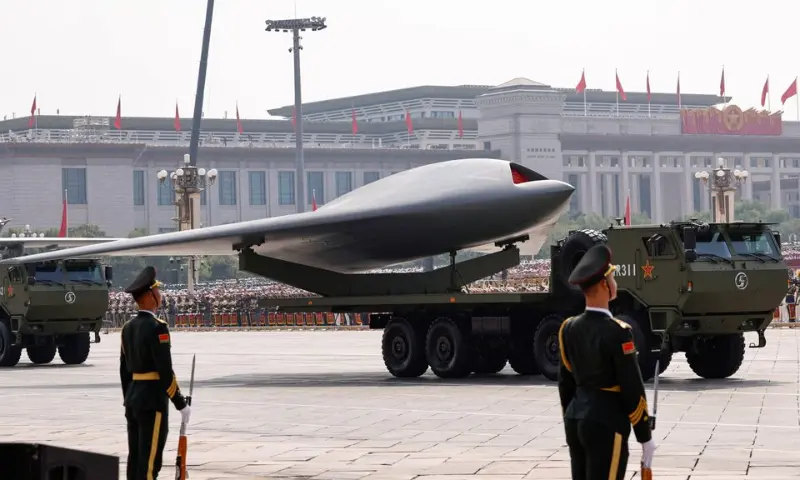
Warfare technology has advanced rapidly in the last few years, with some experts warning that the world is just months away from having weapons that can choose targets and make the decision to kill autonomously.
asserted
that → advance → decision
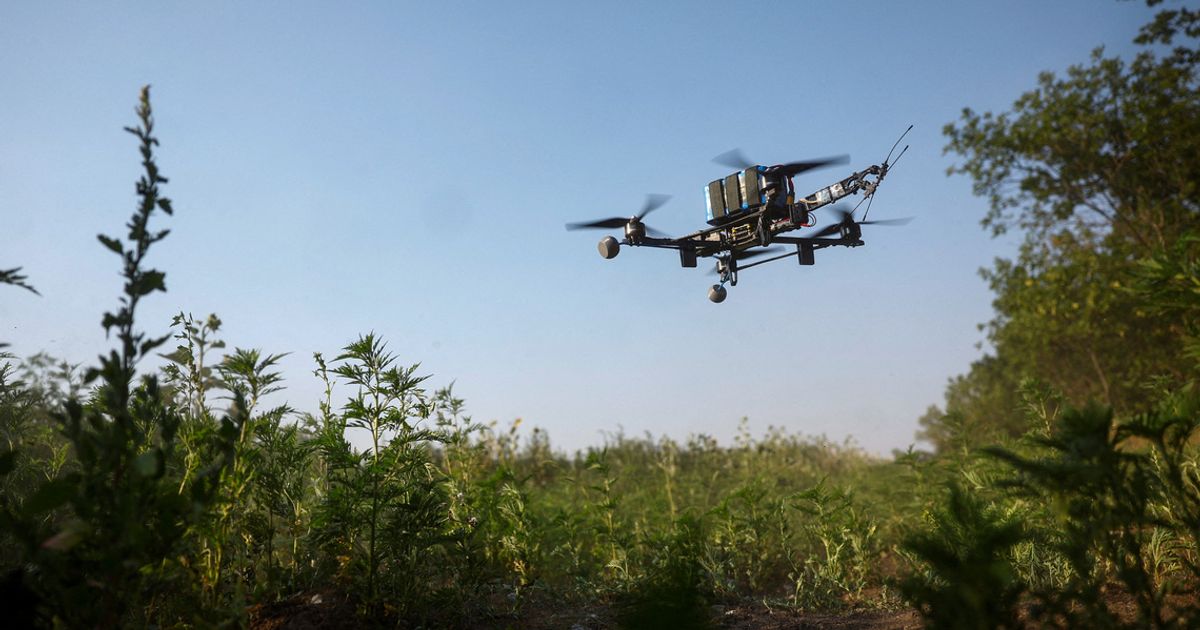
In Ukraine and Gaza, AI-assisted weapons have already been used to take out targets, with Ukrainian civilians reporting being 'hunted' by drones as they shop or go to school.
asserted
they → assist → school
But these are still controlled remotely by humans.
asserted
these → control → humans
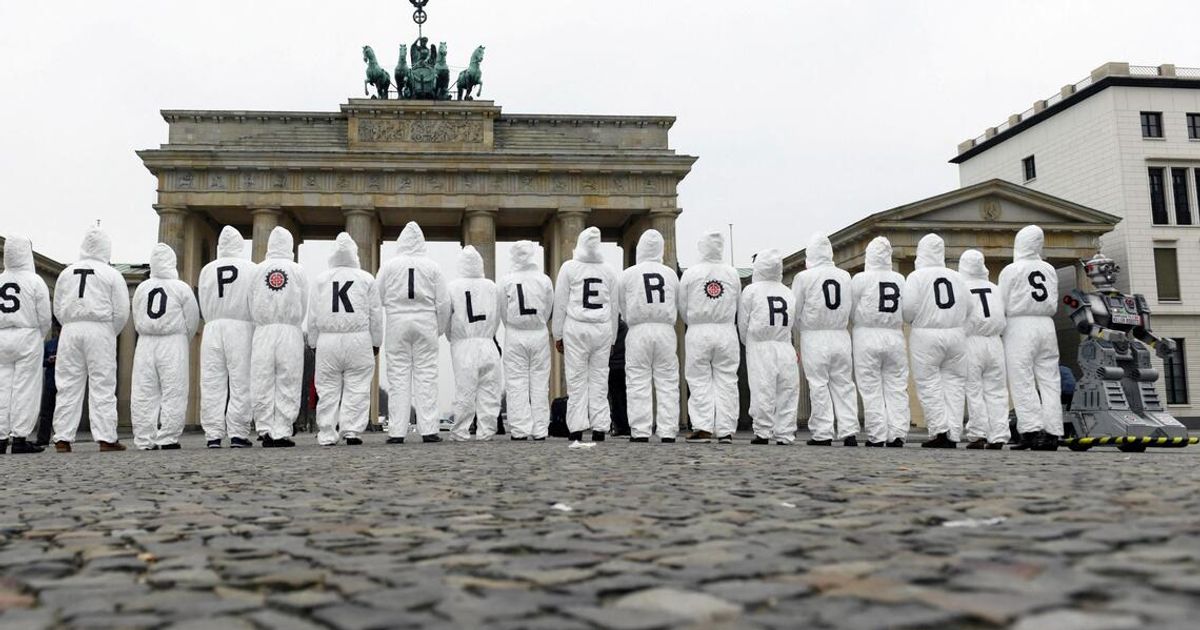
Humanitarian organizations say the decision to kill – and responsibility for that choice – must stay in human hands.
asserted
decision → say → hands
, the United Nations, the International Committee of the Red Cross and the Pope have all called for legally binding rules.
asserted
Nations → call → rules
U.N. Secretary-General Antonio Guterres warned that allowing fully autonomous weapons to kill would be 'crossing a moral red line'.
asserted
weapons → warn → line
The Red Cross is especially worried that existing rules of war – the Geneva Conventions – cannot be fully respected by autonomous weapons.
asserted
rules → exist → weapons
War is often chaotic and confusing, and the situation can change rapidly.
asserted
situation → change → ?
Under the Conventions, soldiers who are wounded or in the process of surrendering can no longer be targeted.
asserted
wounded → wound → process
Georgia Haines, a legal adviser with the Red Cross, worries that autonomous weapons will not be able to distinguish between a soldier who is still fighting, one who is wounded and one who wants to surrender.
asserted
who → worry → soldier
The risk is that, based on the technology we are seeing, they are not able to understand in the same way that a human is the contextual signals.
asserted
human → base → way
Meanwhile, human rights groups warn that the technology behind AI-assisted weapons is becoming increasingly cheap and easy to use.
asserted
technology → warn → weapons
The more it is adopted by the military, the greater the danger of proliferation and its use by terrorist groups or law enforcement agencies in repressive regimes.
asserted
it → adopt → regimes
In theory, a swarm of autonomous drones could be programmed to kill everyone wearing a red sweater, everyone carrying a poster or even everyone speaking a certain language.
uncertain
swarm → program → language
Many of the countries now meeting in Geneva take such concerns very seriously.
asserted
Many → meet → concerns
At least 50, including Ireland, Italy, Brazil, Mexico, France and Germany, are calling for a strict timetable to agree on binding rules governing autonomous weapons.
asserted
50 → include → weapons
But among states that are already developing and using semi-autonomous weapons, there is pushback.
asserted
that → develop → weapons
The United States, Russia and Israel have indicated they are set to oppose legally binding rules, with Washington proposing a five-year timetable to draft non-binding guidelines instead.
asserted
Washington → indicate → guidelines
It did not ratify the Ottawa Convention on landmines, for example, although it did, over time, stop deploying them and reduce its stockpiles.
asserted
it → ratify → stockpiles
Under President Trump, doubts about international law have grown.
asserted
doubts → grow → law
Washington has imposed sweeping sanctions on the International Criminal Court, and just this weekend, Secretary of State Marco Rubio, in a keynote speech to the Federalist Society, warned against "quoting laws to men with swords."
asserted
Rubio → impose → swords
The problem for states meeting in Geneva is that U.N. negotiations on limiting specific weapons are supposed to be conducted by consensus.
asserted
negotiations → meet → consensus
This was achieved in 1995, when countries agreed to a ban on blinding lasers, but other agreements have proved elusive.
asserted
agreements → achieve → lasers
With landmines, countries frustrated by the delay finally took negotiations outside the U.N. process to create the Ottawa Convention.
asserted
countries → frustrate → Convention
This week, there may be a compromise: a longer or even open-ended negotiating period to come up with rules that individual states can adopt as binding or non-binding.
uncertain
states → come → that
For diplomats supporting such a solution, it is a way to ensure at least some progress.
asserted
it → support → progress
For campaigners, it is less than ideal, with one likening it to kicking a very dangerous can down the road.
asserted
one → liken → road
 The Aporia