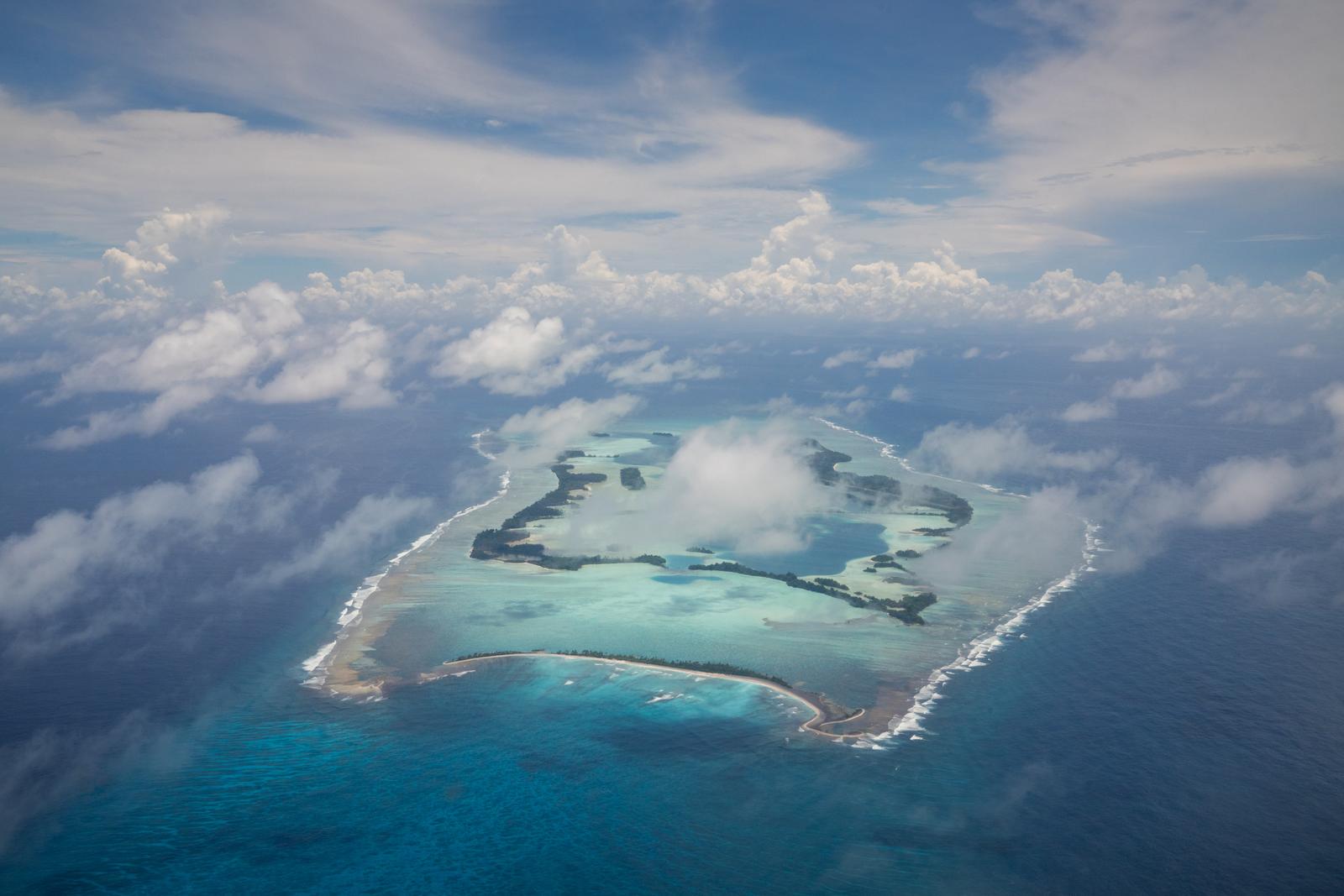
These birds fly 17,000 miles every year.
asserted
birds → fly → miles
Climate change could make it harder
Pectoral sandpipers are ultra-marathoners.
uncertain
sandpipers → make → ultra
They fly more than 17,000 miles a year, crossing entire continents on their migration from Alaska to Argentina and back again.
asserted
They → fly → Argentina
They don't soar or coast on the wind – they flap the entire way.
asserted
they → soar → wind
And these elite athletes are only the size of a robin, weighing around three ounces.
asserted
athletes → weigh → ounces
The sandpipers are among more than 12 million shorebirds that migrate to Alaska every year to breed, spending the short summer season in open lands near water.
asserted
that → migrate → water
For years, scientists have been trying to understand how these unassuming birds accomplish such monumental journeys from places like New Zealand, Asia, South America.
asserted
birds → try → Zealand
"Shorebirds are not these little brown birds on the beach, but they're miraculous migrants that travel these huge distances by these crazy adaptations," says Rick Lanctot, a wildlife biologist with the U.S. Fish and Wildlife Service.
asserted
Lanctot → travel → Service
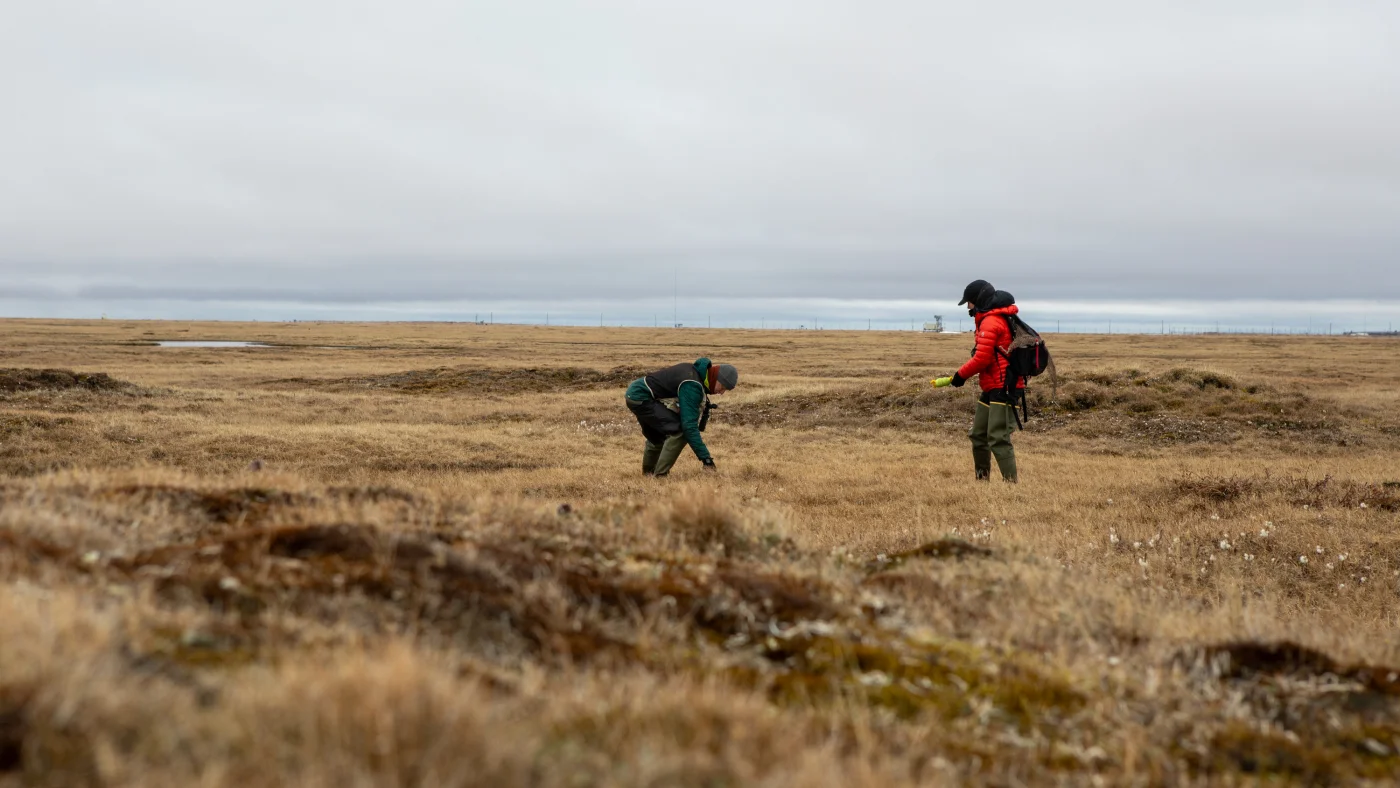
For 24 years, Lanctot and other researchers have tracked the return of shorebirds to northern Alaska.
asserted
Lanctot → track → Alaska
The data shows a concerning trend.
asserted
data → show → trend
Overall, almost half of the 41 shorebird species that breed in Alaska are declining.
asserted
that → breed → Alaska
Some have lost more than half of their population over the last 30 years.
asserted
Some → lose → years
Migration, like any kind of travel, requires careful timing.
asserted
Migration → require → timing
Birds orchestrate their journeys to take advantage of the seasons, arriving when food is ample and the weather is ideal.
asserted
weather → orchestrate → seasons
But for many species, their itineraries are going increasingly awry.
asserted
itineraries → go → species
Habitats they count on, such as wetlands and grasslands, are disappearing.
asserted
they → count → wetlands
In a hotter climate, spring is arriving earlier, which affects when their food is available.
asserted
food → arrive → climate
It's like making a pit stop on a road trip and finding all the restaurants are closed.
asserted
restaurants → make → trip
The question is whether long-distance migrators, which already push the limits of survival, can adapt to a rapidly warming world.
asserted
which → push → world
"Shorebirds truly are sentinels about what is happening to the planet, because they're touching down in so many of the places across that planet," says Nathan Senner, who studies shorebirds at the University of Massachusetts Amherst.
asserted
who → happen → Amherst
"If we can't listen to what they're telling us about the unpredictability of what we're currently doing to the planet, then we're not going to be able to respond to a lot of changes.
asserted
we → listen → changes
Lanctot gently holds a brown and white pectoral sandpiper in his hands as field technician Braden Meyer attaches what looks like a tiny backpack.
asserted
what → hold → backpack
This tracking tag will log the bird's locations as it flies thousands of miles.
asserted
it → log → miles
Nearby, male pectoral sandpipers call out, searching for females and attempting to ward off other males.
asserted
sandpipers → call → males
Some have already found places to nest, spread out among the low-lying plants of the Arctic tundra.
asserted
Some → find → tundra
The sun is still well above the horizon at midnight, since summer days last for 24 hours in Utqiaġvik, the northernmost city in the U.S., formerly known as Barrow.
asserted
days → know → Barrow
The female Lanctot holds recently arrived from Argentina, after a pit stop in the Central U.S. to eat.
asserted
Lanctot → hold → U.S.
Flying here used all her energy reserves.
asserted
Flying → fly → reserves
Loading...
"When we catch birds when they first show up, they're really skinny," Lanctot says.
asserted
Lanctot → load → birds
"You can feel the keel or the breastbone really prominently.
asserted
You → feel → keel
They have hardly any fat on them."
asserted
They → have → them
His team secures the backpack tracking tag with stretchy loops around the bird's legs.
asserted
team → secure → legs
It will collect her GPS position every 15 minutes, storing the data until the bird flies by any cell tower on her journey, where it's uploaded.
asserted
it → collect → journey
Lanctot's team also uses tiny tags that attach to a bird's leg like an anklet, which weigh about as much as a grain of rice and were originally designed for butterflies.
asserted
which → use → butterflies
Tracking technology has revealed that shorebirds undertake far more arduous journeys than once thought.
asserted
shorebirds → reveal → journeys
While scientists have studied the migrations of larger animals for decades, tracking tags have only become light and compact enough for small birds in the last 15 years.
asserted
tags → study → years
Since then, new migratory records have been broken.
asserted
records → break → ?
One bird, a bar-tailed godwit, flew more than 8,000 miles for 11 days straight without stopping from Alaska to Australia.
asserted
bird → fly → Australia
Researchers are still figuring out how these birds navigate an entire ocean.
asserted
birds → figure → ocean
They also seem to take advantage of weather patterns, waiting for the optimal winds.
asserted
They → seem → winds
…and 55 more, not listed.
 The Aporia