Bring back seabirds
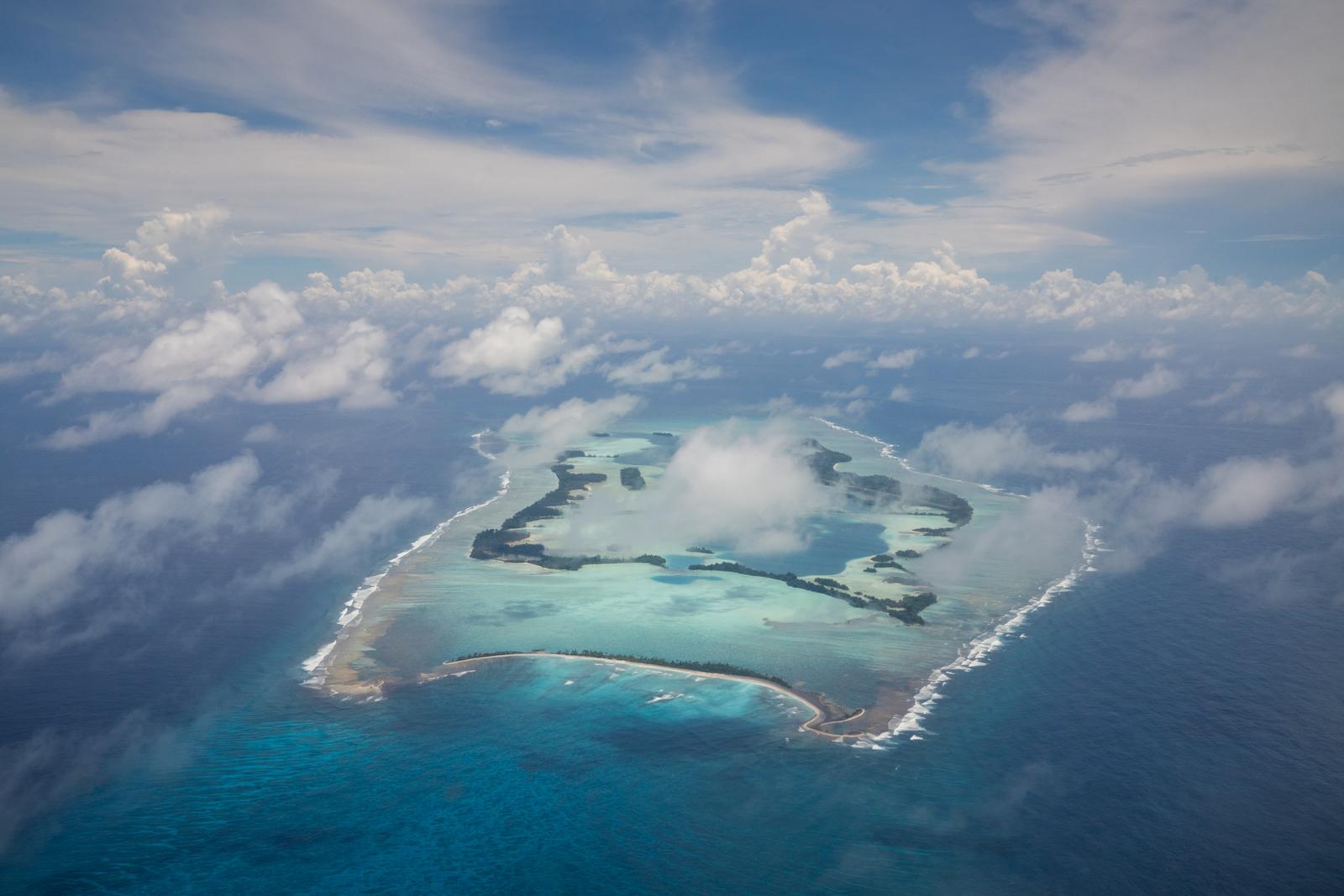
The remote Pacific Ocean has some of the most pristine coral reefs in the world.
asserted
Ocean → bring → world
The corals themselves are bigger than cars, their delicate arms creating a dense underwater maze.
asserted
arms → create → maze
Above them, the skies are filled with seabirds like red-footed boobies and white terns, searching for fish.
asserted
skies → fill → fish
These species, separated by land and sea, are far more intertwined than once thought.
asserted
species → separate → land
Their relationship is the backbone of an entire ecosystem — a hidden connection that's changing the way scientists think about conservation.
asserted
scientists → hide → conservation
Coral reefs near seabird colonies are generally healthier, thanks to the nutrients that birds deposit in their guano.
asserted
birds → deposit → guano
On some islands, this close-knit partnership has broken down.
asserted
partnership → knit → islands
Seabird colonies have declined because of habitat loss and invasive species like rats.
asserted
colonies → decline → rats
With fewer birds, fewer nutrients reach the ocean ecosystem.
asserted
nutrients → reach → ecosystem
Now, as coral restoration projects work to bring back reefs, they're also focusing on bringing back seabird colonies, reestablishing a connection that helps both species.
asserted
that → work → species
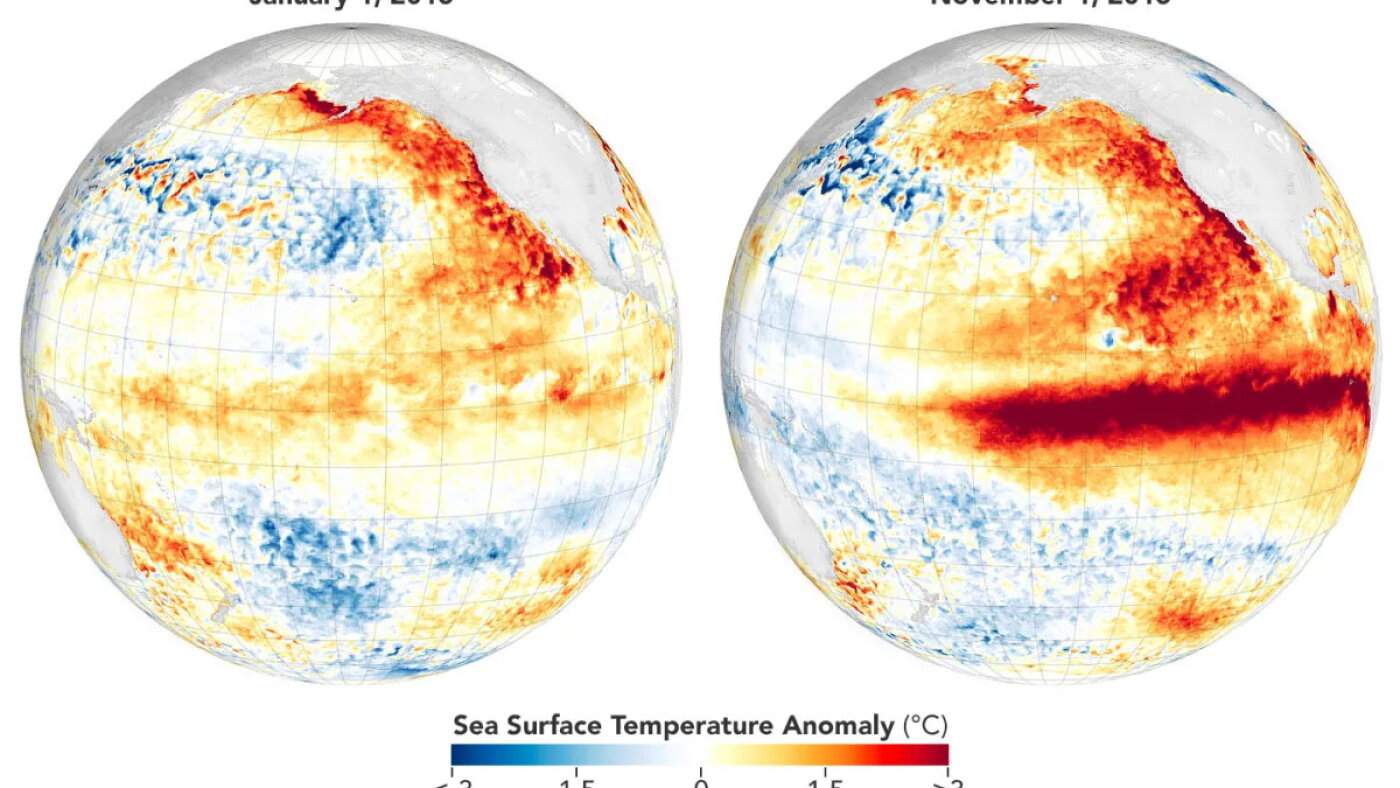
Coral reefs are increasingly vulnerable to rising ocean temperatures, and biologists say they need every advantage in a hotter world.
asserted
they → rise → world
"If we can figure out ways to just stop the local threats to ecosystems, they will, in a lot of cases, find ways to repair themselves," says Alex Wegmann, lead scientist for The Nature Conservancy's island resilience strategy.
asserted
Wegmann → figure → strategy
"They can reestablish their natural functions that will then allow them to adapt to the climate impacts that are coming."
asserted
that → reestablish → impacts
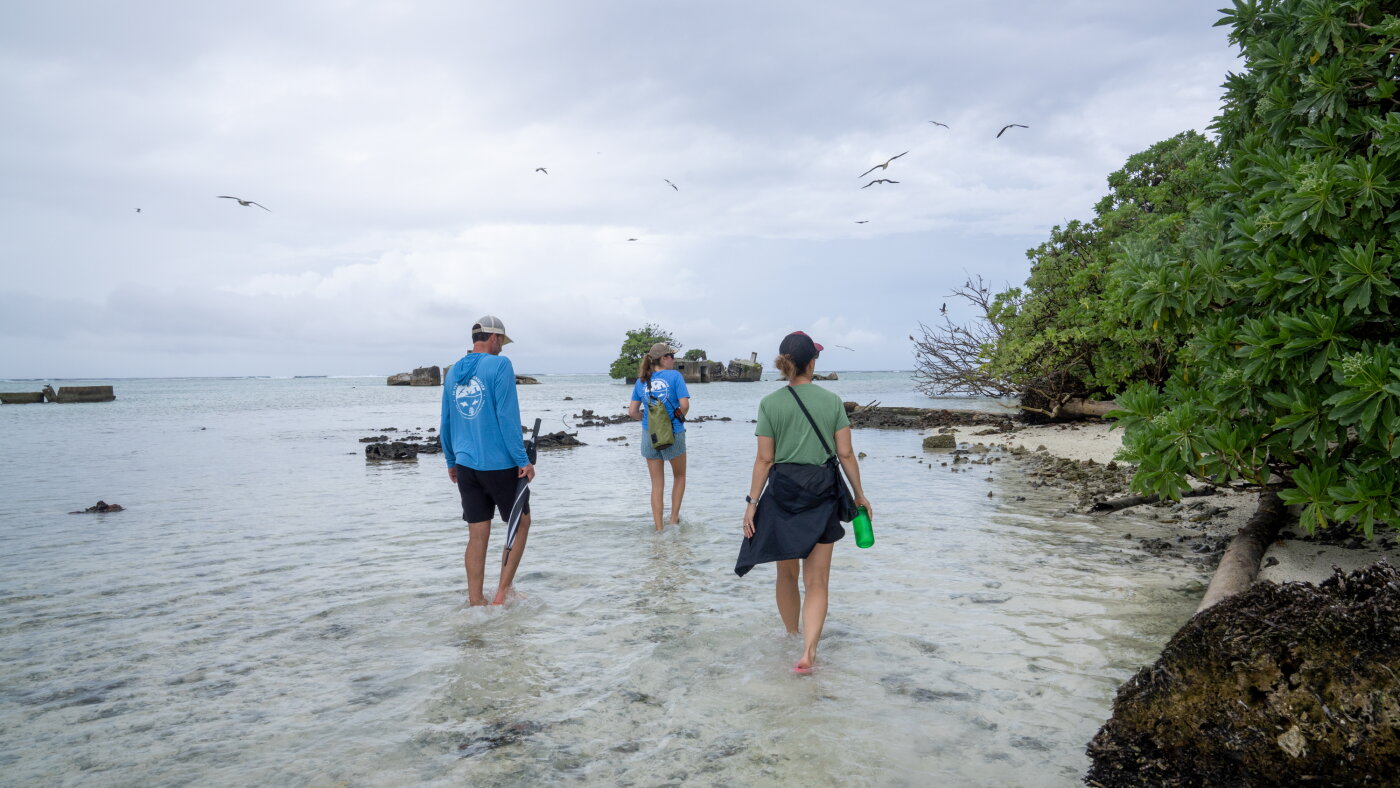
In the rainforest there, a tiny chick the size of a fuzzy, white golf ball perches on a tree limb.
asserted
chick → perch → limb
The parents hover nearby, chattering rhythmically.
asserted
parents → hover → ?
"That's a white tern chick, and a young one at that," Paige Mino, manager of the Palmyra Atoll National Wildlife Refuge with the U.S. Fish and Wildlife Service, says as she looks up at the birds.
asserted
she → say → birds
"I think that their call sounds like an electric rubber band snapping," she adds with a smile.
asserted
she → think → smile
The forest echoes with the calls of seabirds, like red-footed boobies, large birds with bright blue beaks and signature red feet.
asserted
forest → echo → beaks
Almost all of the birds on Palmyra Atoll rely on the ocean, flying out to sea daily to feed on fish or squid, bringing some back for their young.
asserted
all → rely → young
While it was likely visited by Polynesians who crossed the Pacific on seafaring voyages, the atoll wasn't permanently inhabited.
asserted
atoll → visit → voyages
In the 1800s, coconut plantations were developed.
asserted
plantations → develop → 1800s
The U.S. military turned the atoll into a logistical station during World War II, building bunkers and roads.
asserted
military → turn → bunkers
In 2000, The Nature Conservancy bought Palmyra Atoll from private owners and transferred the majority of it to the federal government.
asserted
Conservancy → buy → government
The U.S. Fish and Wildlife Service manages it as a national wildlife refuge.
asserted
Service → manage → refuge
"There's no human impact of pollution or overcapacity, so I think it really gives the wildlife and vegetation the space to thrive," Mino says.
asserted
Mino → be → space
"It gives the wildlife a chance to do what they naturally do."
asserted
they → give → what
An ocean mystery
Palmyra Atoll's thriving ecosystem has given scientists a window into the hidden processes that make it work, including some mysteries.
asserted
it → thrive → mysteries
More than a decade ago, a team of scientists noticed something at Palmyra Atoll: Manta rays were more commonly seen in waters near seabird colonies.
asserted
rays → notice → colonies
The massive mantas, some with a 9-foot wingspan, slowly glide through the water as they feed on tiny plankton.
asserted
they → glide → plankton
That led them to uncover an efficient system of nutrient recycling that starts with the birds.
asserted
that → lead → birds
When seabirds return to land after eating fish at sea, they roost in the trees.
asserted
they → return → trees
There, they deposit a lot of nutrients in their guano.
asserted
they → deposit → guano
One study of almost 200 atolls estimated that seabirds brought more than 100,000 pounds of nitrogen back to land.
asserted
seabirds → estimate → land
That acts as a fertilizer, nourishing the trees and plants.
asserted
That → act → trees
Those nutrients spread with Palmyra Atoll's frequent, heavy rains.
asserted
nutrients → spread → rains
They get washed into the ocean, where they help the entire marine food web.
asserted
they → wash → web
Tiny, microscopic plankton grow, feeding larger plankton that are eaten by many species, including fish and manta rays.
asserted
that → grow → fish
Though it's not their primary food source, even corals eat plankton.
asserted
corals → eat → plankton
"Studies show that those marine nutrients from seabird guano are really valuable and important for the whole reef ecosystem," says Katie Franklin, who works on Palmyra Atoll conservation strategy for The Nature Conservancy.
asserted
who → show → Conservancy
"Guano will help nourish the ecosystem from the rainforest to the reef, so we really just want to bring on more guano.
asserted
we → help → guano
…and 48 more, not listed.
 The Aporia