As you may know, I’m fond of finding different ways to classify Democrats.
uncertain
I → know → Democrats
Usually, this concerns the party’s voters, but in a New York Times story out this morning, I turned to their candidates.
asserted
I → concern → candidates
I have no problem with dividing the candidates into progressives and moderate “lanes,” particularly if one recognizes it as a spectrum rather than a strict boundary.
asserted
one → have → spectrum
But after spending a bunch of time last week binge-watching videos, debates, press appearances, and ads from 27 Democratic candidates — 13 leading 2028 contenders, plus 13 candidates who made major breakthroughs on Nov. 31, plus Zohran Mamdani2 — I don’t think that really captures the whole story.
asserted
that → spend → story
Instead, there’s another distinction that I call “fighter” vs. “uniter.”
asserted
I → ’ → uniter
It really does help to watch the candidates in action to see this.
asserted
It → help → this
Gavin Newsom’s whole thing is to fight back by any means necessary.
asserted
thing → fight → means
When it came to leading Democratic efforts to fight Republican redistricting, I thought that was smart.
asserted
that → come → redistricting
I could do without his Trump-style tweeting, but I can understand why some voters like it.
uncertain
voters → do → it
While “fighter” is correlated with “progressive,” the relationship is far from perfect.
asserted
relationship → correlate → progressive
I consider Zohran to be a hybrid of “fighter” and “uniter,” but he’s closer to the latter end of the spectrum and often finds a way to signal that he wants to be a mayor for all New Yorkers, including through his consummately well-presented appearance.
asserted
he → consider → appearance
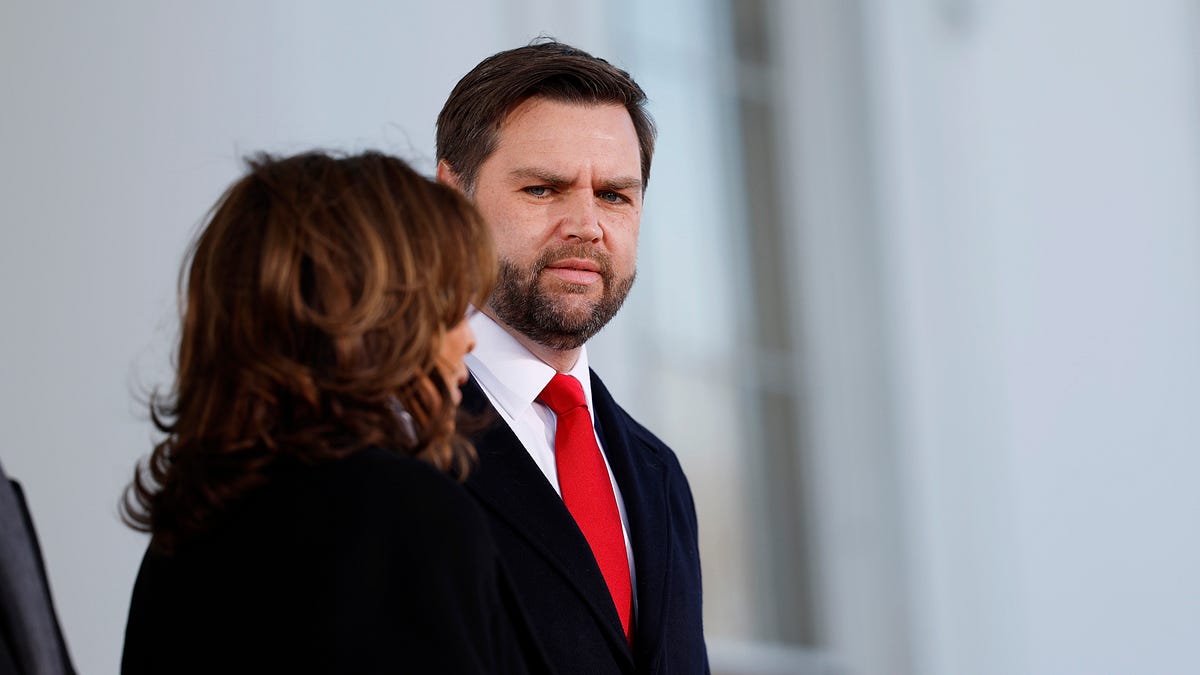
Conversely, I expected Kentucky Gov. Andy Beshear to be fairly mild-mannered, and he often is, but look at him talking about JD Vance:
There were a lot of cases like this.
asserted
him → expect → this
I classified only Kansas Sen.-elect Adam Hamilton as a pure uniter, a 7 on my 7-point scale.
asserted
I → classify → scale
But you can watch someone like Mary Peltola get more and more worked up in her Oct. 15 debate against Dan Sullivan, for instance.
asserted
someone → watch → instance
In her opening statement, she described herself affably as a “lifelong Alaskan, a mother, a grandmother” — but by 10 minutes in, she’d gotten under his skin — and him under hers.
asserted
she → describe → hers
“Dan, you should be ashamed of yourself for propagating these lies,” she said.
asserted
she → propagate → lies
I don’t want to preempt the NYT story too much, so go check it out.
asserted
I → want → it
While James Talarico is perhaps the most obvious example of someone who can blend “fighter” and “uniter” styles, you’re seeing a lot of creative ways to bridge the gap, from Scott Colom’s use of humor to South Carolina Sen.-elect Annie Andrews playing the “I’m just a working mom and pediatrician” card in one commercial to some incredibly vicious attacks on the late Lindsey Graham (when he was originally her opponent) in another.
asserted
he → blend → another
Why “uniter” may be a more natural gear for Democrats
One thing I talked through with my editor, but we didn’t really have space to fit into the piece, is whether one strategy is likely to be more correlated with winning, either in the general election or the primary.
uncertain
strategy → talk → election
I thought it was clear enough that the 2028 candidates (or their consultants) are mostly moving in the fighter direction.
asserted
candidates → think → direction
He still has something of an Obama-esque cadence, but unlike most of the other candidates who are accused of this (Pete Buttigieg, Josh Shapiro, Wes Moore) he doesn’t tilt toward the “uniter” end of the scale.
asserted
he → have → scale
Obama’s shadow does loom over the field, however.
asserted
shadow → loom → field
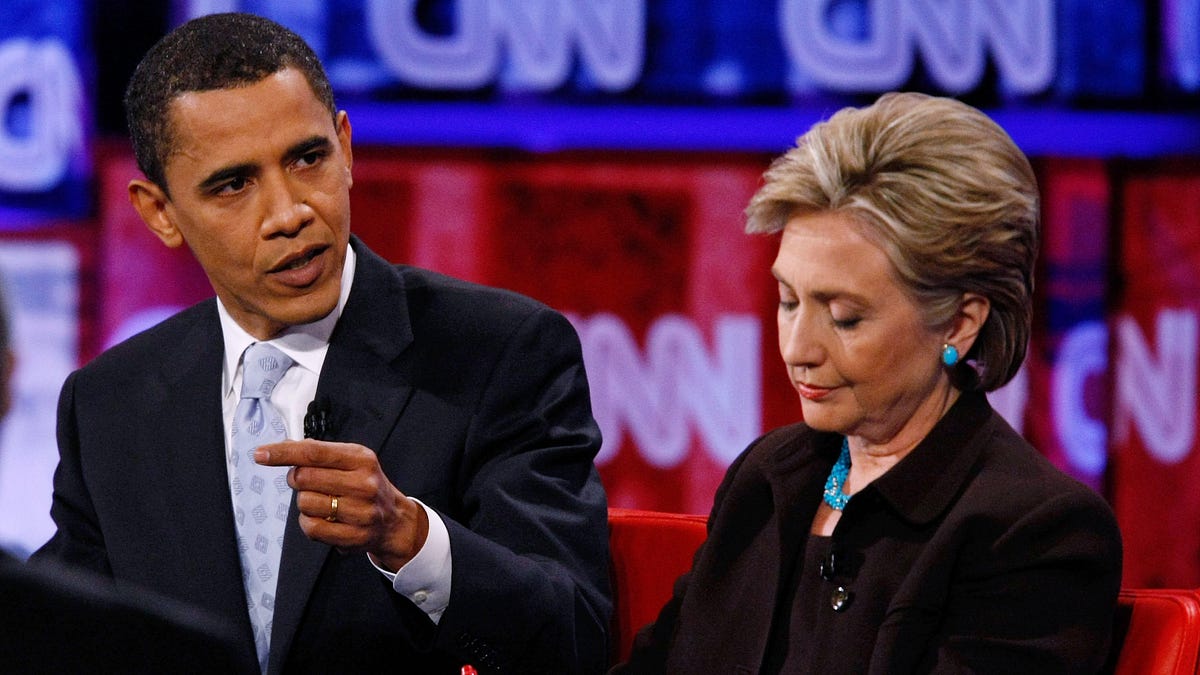
His 2008 primary battle against Hillary Clinton was a pretty good example of “fighter” vs. “uniter,” and the uniter won — and then went on to capture 365 electoral votes that November.
asserted
uniter → win → votes
Nor, despite nearly all Democrats saying they want to fight back harder against Trump in polls, does that necessarily match Democrats’ revealed preferences in primaries.
asserted
that → say → primaries
And there’s an asymmetry between the parties that might make the “uniter” style more natural for Democrats.
uncertain
style → ’ → Democrats
Here’s a crazy stat I came across the other day.
asserted
I → ’ → ?
Since 2008, Democrats have won a Senate race in 43 states.
asserted
Democrats → win → states
Kansas, Maine3, Mississippi, South Carolina and Texas were added to the list this year.
asserted
Kansas → add → list
This includes 13 states where Democrats haven’t won an electoral vote any time this century.
asserted
Democrats → include → vote
Visually, it still looks fairly impressive thanks to the presence of all those big square states in the middle of the country.
asserted
it → look → country
But the GOP map is much patchier, with 15 states missing4 including the entire West Coast and most of the Northeast.
asserted
states → include → Northeast
Moreover, there’s a much closer overlap between where the GOP wins Senate seats and where they’re competitive in the presidency.
asserted
they → ’ → presidency
Throughout almost all of recent American history, Democrats have led Republicans in party identification — though their lead used to be much larger before the Solid South turned red.
asserted
South → lead → identification
But, obviously, it’s not as though Democrats have monopolized American politics during this time.
asserted
Democrats → ’ → time
Since Jan. 1, 1940, through today, Democrats have controlled the presidency 52 percent of the time, about as close to even as it gets.
asserted
it → control → time
However, they’ve controlled the Senate 67 percent of the time and the House 68 percent during the same period.
asserted
they → control → period
A lot of that came during the Solid South era of conservative, Southern Democrats.
asserted
lot → come → Democrats
Still, the final two years of Trump’s term will widen that president vs. Congress gap.
asserted
years → widen → gap
In some ways, it’s a throwback.
asserted
it → ’ → ways
What accounts for the difference?
asserted
What → account → difference
…and 16 more, not listed.
 The Aporia