President Donald Trump declared Thursday that the United States no longer needs a deal with Iran, abruptly shifting his diplomatic message just three days after expressing optimism about negotiations and directing Vice President JD Vance to focus on domestic issues instead.
asserted
States → declare → issues
"We don’t need a deal with Iran.
asserted
We → need → Iran
Those days have long since passed," Trump wrote on Truth Social.
asserted
Trump → pass → Social
"We’ve got their money, Hundreds of Billions of Dollars, and we’ve got their Strait!"
asserted
we → get → Strait
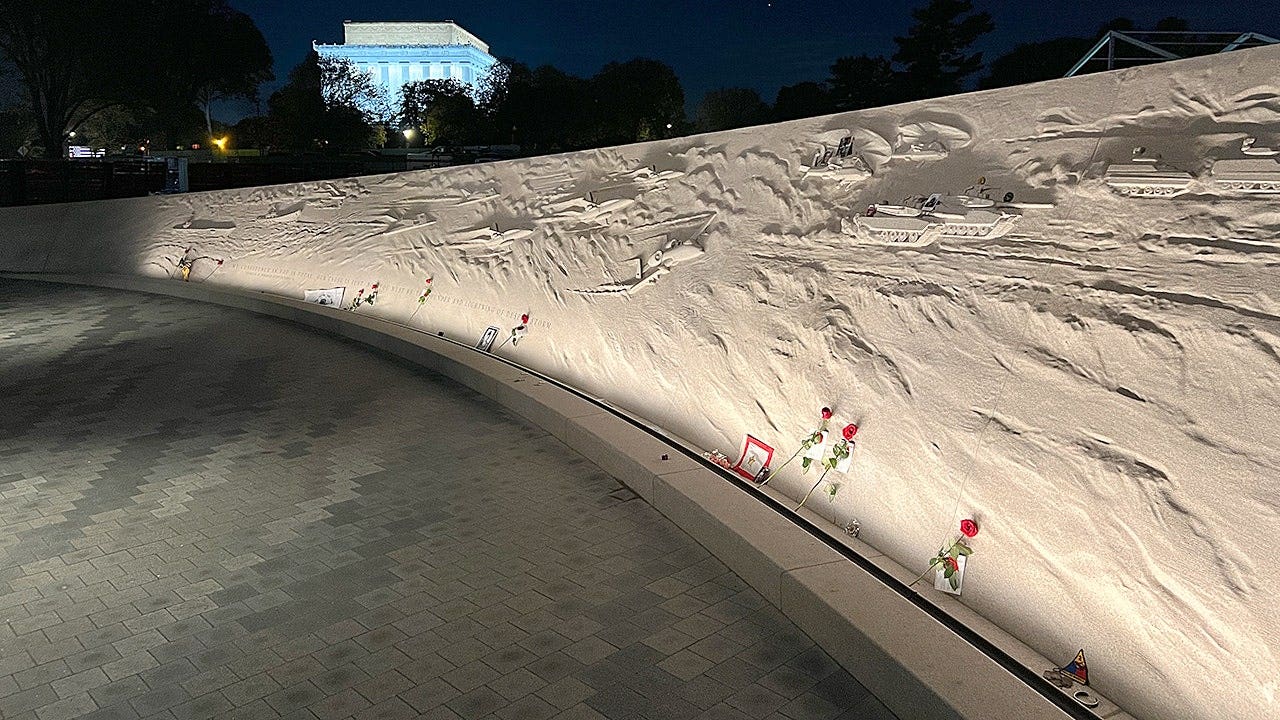
Trump's latest declaration came just one day after he proclaimed victory over Iran during a Veterans Day ceremony at Arlington National Cemetery, while acknowledging that the conflict had not yet formally ended.
asserted
conflict → come → Cemetery
"We won," Trump said Wednesday.
asserted
Trump → win → ?
"It’s just a question of when we end it.
asserted
we → ’ → it
I want to make sure we have a total victory, not a 93 percent victory."
asserted
we → want → victory
The president also thanked veterans "working to ensure the world’s number one sponsor of state terrorism, the Islamic Republic of Iran, will never have a nuclear weapon."
asserted
sponsor → thank → weapon
An administration official defended Trump's strategy, arguing that the United States has substantial leverage over Iran through its naval blockade and continued military pressure, even as questions remain about how the conflict will end.
"The United States is in a very strong position with control of the Strait of Hormuz and the Iranian economy collapsing.
asserted
economy → defend → Hormuz
The President has been clear that the greatest naval blockade in history, Operation Economic Outcast, and the new Operation Iron Gate will continue with full effect," a U.S. official told Fox News Digital.
asserted
official → continue → Digital
"President Trump holds all the cards, will do what is best for the United States, and will make sure that Iran will never have a nuclear weapon," the official added.
asserted
official → hold → weapon
Trump's latest words follow months of predictions that an agreement could be reached soon, including comments earlier this week that Tehran "would love to make a deal."
uncertain
Tehran → follow → deal
Trump's declaration raises questions about the future of U.S.-Iran negotiations, including whether diplomatic efforts will continue through other administration officials as Washington maintains its military and economic pressure on Tehran.
asserted
Washington → raise → Tehran
Trump has suggested on at least a dozen occasions since February that Iran wanted to negotiate or that an agreement could be reached soon, according to a preliminary review of his public remarks.
Ludovic Hood, a senior fellow at the Hudson Institute, said the administration's combination of economic coercion, military force and regional partnerships is sensible, but warned that a crucial diplomatic component remains underdeveloped.
uncertain
component → suggest → coercion
"What’s lacking is disciplined diplomacy to complement the economic squeeze and possible airstrikes," Hood told Fox News Digital.
asserted
Hood → lack → Digital
"Our Gulf partners are singing from different hymn sheets and we need to draw European partners in more meaningfully."
asserted
we → sing → partners
Trump's optimistic assessments began before U.S. military operations against Iran commenced.
asserted
operations → begin → Iran
On Feb. 13, he suggested Tehran could avoid an attack by accepting Washington's terms.
uncertain
Tehran → suggest → terms
After military operations began, he increasingly emphasized Iran's weakened capabilities and the prospect of ending the conflict.
asserted
he → begin → conflict
On March 20, Trump said the United States was "getting very close" to achieving its military objectives.
asserted
States → say → objectives
The administration agreed to a ceasefire in April and continued pursuing a diplomatic settlement, but subsequent military actions and disagreements over Iran's nuclear program and regional shipping have left the broader conflict unresolved.
asserted
actions → agree → conflict
Trump continued expressing confidence that Iran wanted an agreement, including in May, when he suggested Tehran was eager to negotiate because of the damage inflicted on its military.
uncertain
Tehran → continue → military
During an unscheduled appearance in the White House briefing room Monday, Trump said, "Iran, militarily, is effectively over," while warning that U.S. forces remained "locked and loaded" should circumstances change.
asserted
circumstances → say → room
Hood said Trump's seemingly contradictory messages could be part of a deliberate negotiating strategy.
uncertain
messages → say → strategy
"The administration is pursuing a sensible hybrid strategy of economic coercion, selective use of force, and reliance on capable regional allies," Hood said.
asserted
Hood → pursue → allies
"Trump’s messaging seems designed to both signal his preference for a diplomatic solution while preserving the option of force," he added.
asserted
he → design → force
Hood defended the president's willingness to maintain military pressure.
asserted
Hood → defend → pressure
"Bluster, bluffing and brinkmanship are inherent in the public dimension of negotiations like this; Trump does it, Rubio does it, and senior figures in Tehran do it," he said.
asserted
he → do → it
But Hood also suggested that securing meaningful nuclear concessions or a more cooperative government in Tehran would require coordination with regional partners.
uncertain
securing → suggest → partners

 The Aporia