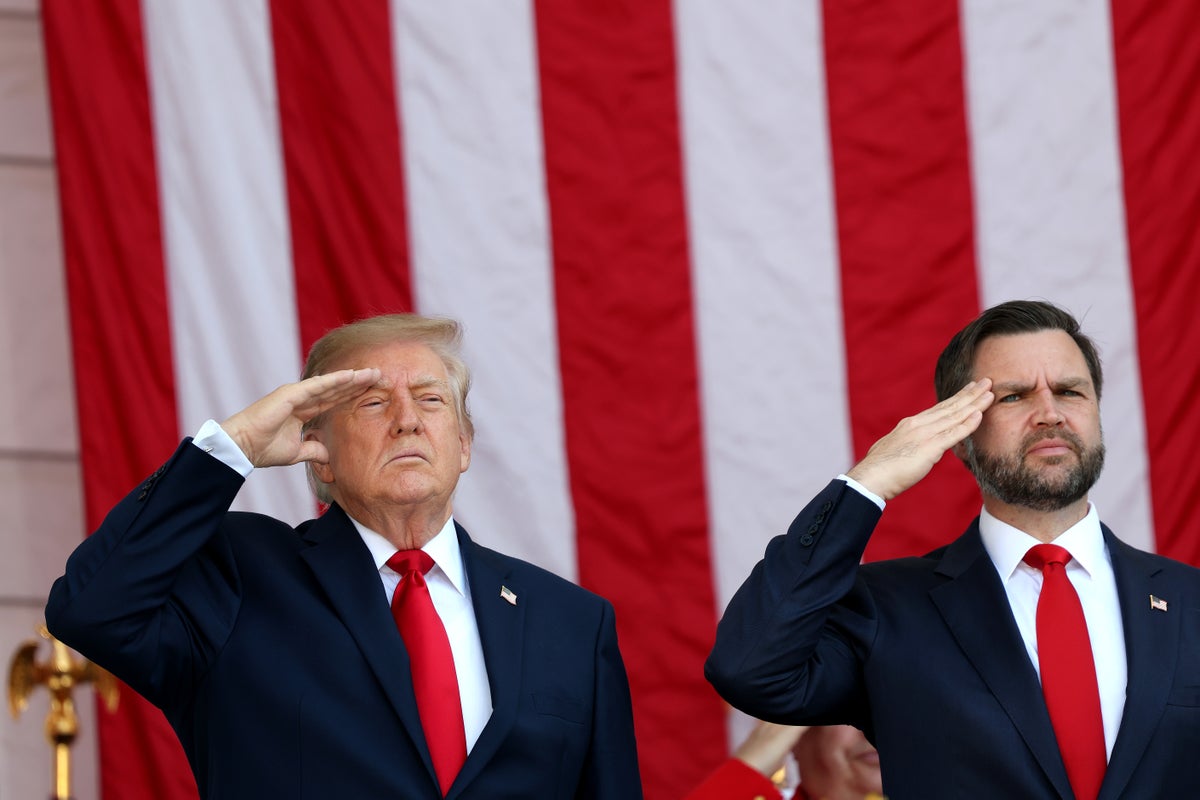
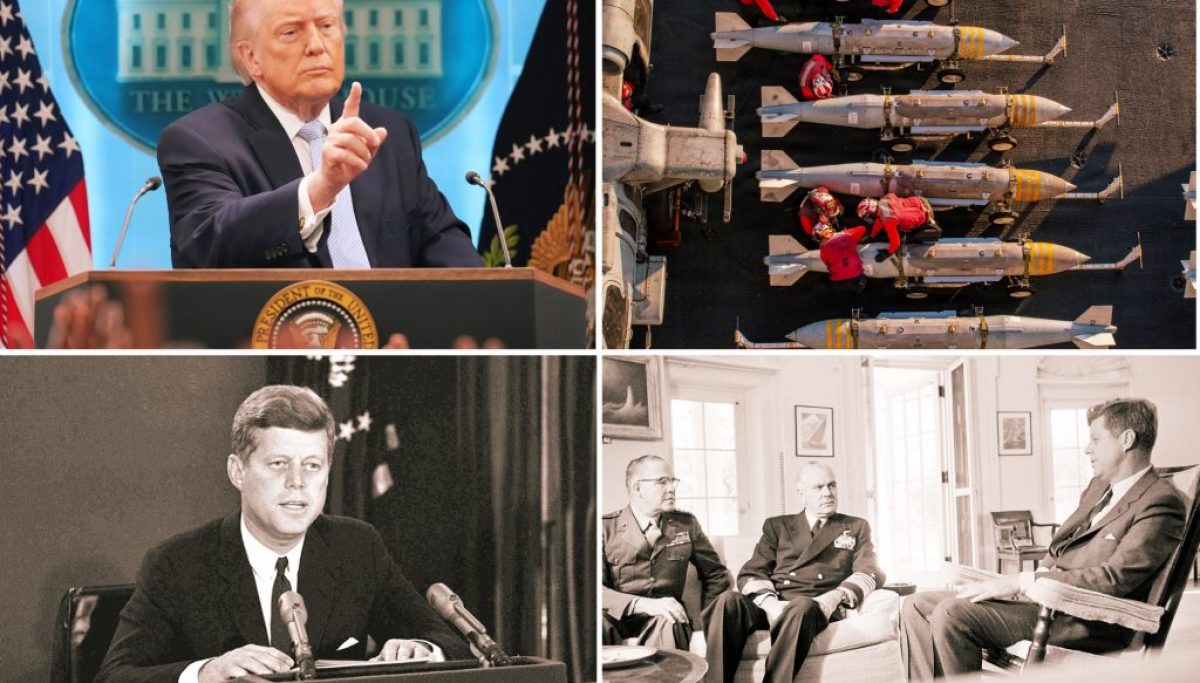
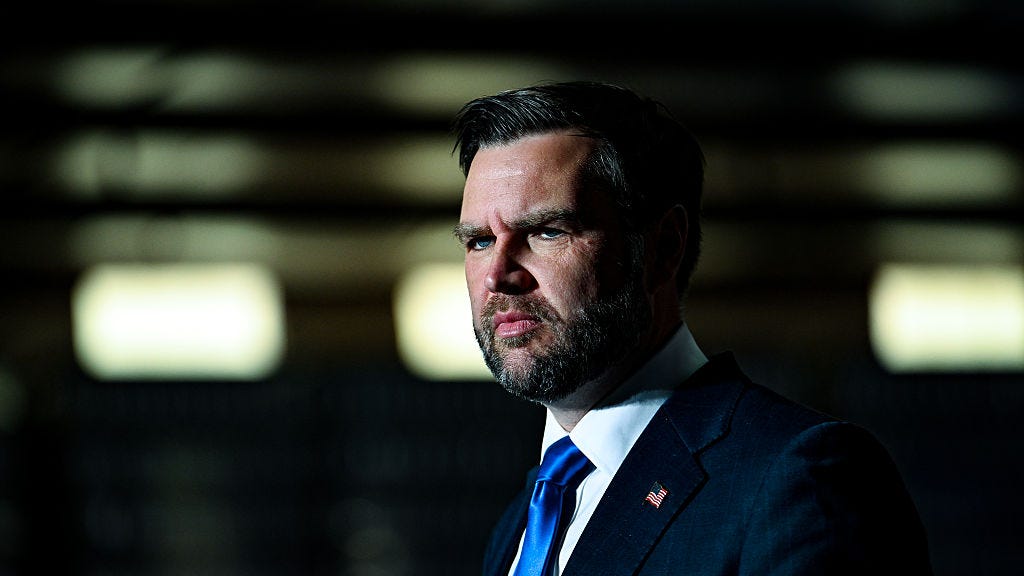
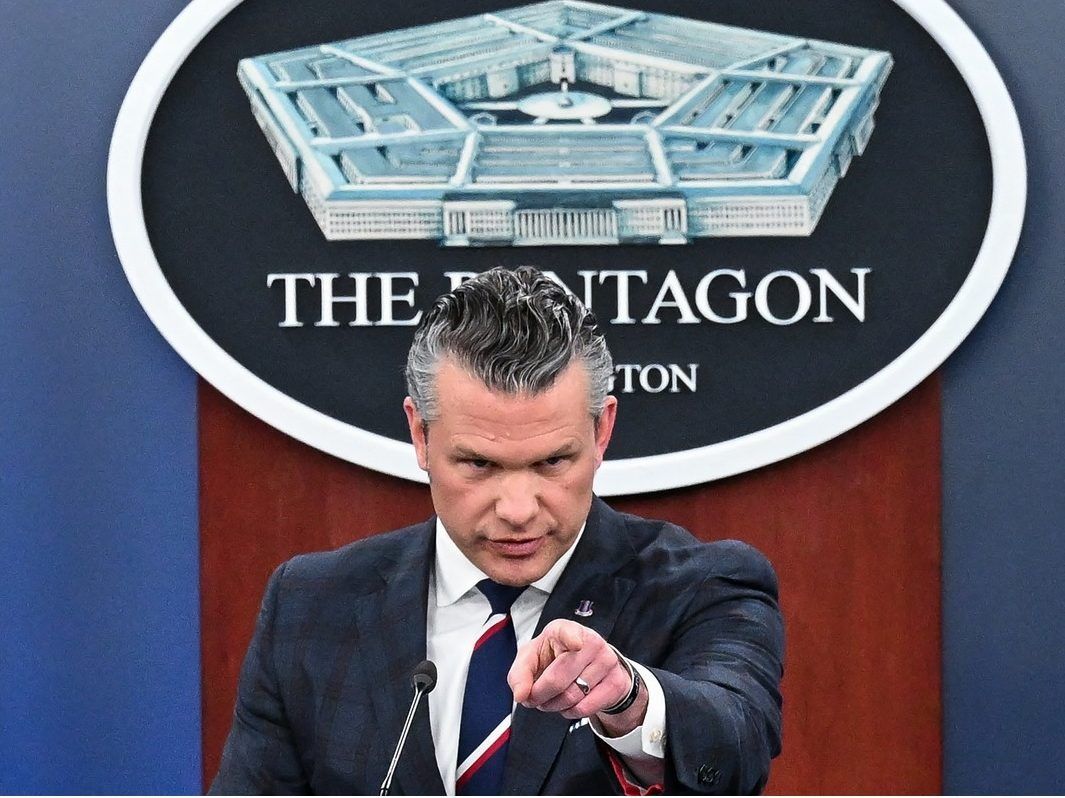
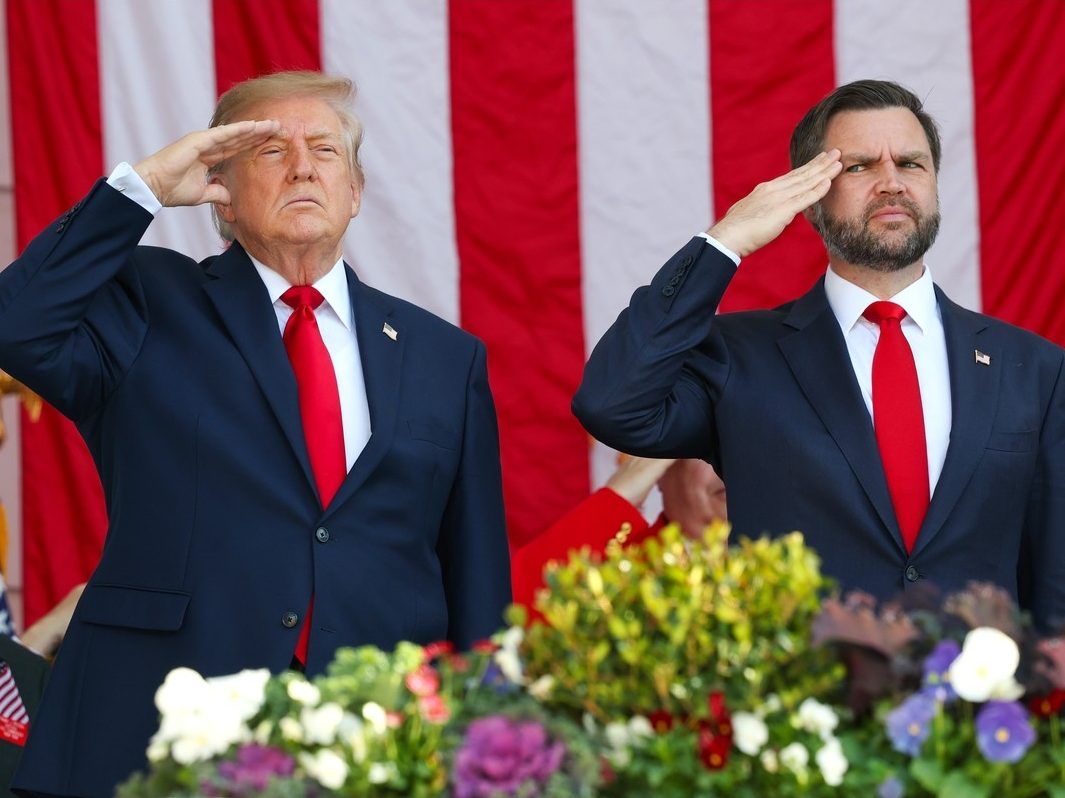
President Donald Trump suggested Thursday that he was dialing back diplomatic efforts to resolve the conflict with Iran and ending a dealmaking effort by Vice President JD Vance in favor of leaving a naval blockade in place and continuing to pressure the Iranian economy.
uncertain
he → suggest → economy
Vance in recent days had started outreach to hard-liners in Tehran to explore the possibility of a negotiated end to the conflict that would reopen the Strait of Hormuz and impose limits on Iran’s nuclear program after more than eight months of war.
asserted
that → start → war
The war – and the jump in gas and food prices that has come with it – is deeply unpopular among U.S. voters, who delivered a historic defeat to Republicans in the midterm elections last week.
asserted
who → come → elections
The day after the election, Vance made an unusual public break with the president, writing that the war had been one of the causes of the election loss.
asserted
war → make → loss
Vance’s outreach effort to Iran was one of the ways in which he was trying to resolve the war – and potentially rescue his chances of a successful 2028 presidential run.
asserted
he → try → run
“We don’t need a deal with Iran.
asserted
We → need → Iran
Those days have long since passed.
asserted
days → pass → ?
We’ve got their money, Hundreds of Billions of Dollars, and we’ve got their Strait!”
asserted
we → get → Strait
Trump posted on Truth Social on Thursday.
asserted
Trump → post → Thursday
He said he was asking Vance to focus his attention elsewhere.
asserted
he → say → attention
“I have asked Vice President Vance to focus his complete and total attention on the Massive Corruption and Crime taking place in Democrat run Cities and States throughout the U.S.,” Trump wrote.
asserted
Trump → ask → U.S.
The latest missive from Trump added to confusion among U.S. allies in Persian Gulf nations, which had braced themselves for renewed strikes on Iran that the Trump administration had signalled were likely.
asserted
administration → add → Iran
Iran fired thousands of drones and missiles at U.S.-allied Gulf states during the first months of the war, and Gulf nations have been trying to keep negotiations alive.
asserted
nations → fire → negotiations
Trump had seemed open to a deal – but also to resuming strikes, according to an official briefed on talks that took place ahead of the midterms, in Tehran and Doha.
uncertain
that → seem → Tehran
The official, who spoke on the condition of anonymity because of the sensitivity of the situation, said Vance, special envoy Steve Witkoff and Jared Kushner, Trump’s son-in-law and envoy, had been pushing for a deal.
asserted
Vance → speak → deal
Other administration figures, including Defence Secretary Pete Hegseth, appear opposed to it.
asserted
figures → include → it
Trump also met Monday in the White House with Qatar’s prime minister, Mohammed bin Abdulrahman Al Thani.
asserted
Trump → meet → minister
After that meeting, Trump said military operations against Iran were “effectively over.”
asserted
operations → say → Iran
It was not clear from Trump’s Thursday statement whether he is fully abandoning diplomatic efforts.
asserted
he → abandon → efforts
But if Trump leaves the situation as is, global energy prices will remain high, said Alex Vatanka, a senior fellow at the Middle East Institute in Washington, and the Gulf and rest of the world “will have to come to terms with Iran on their own.”
asserted
Gulf → leave → own
“That is a victory for Iran,” he said, noting that Gulf nations have already been forced to cut individual deals with Iran to avoid once again bearing the brunt of its retaliation.
asserted
nations → say → retaliation
“It might make sense in President Trump’s mind, but what this decision does is leave the Gulf – and the world economy – hanging,” Vatanka said.
uncertain
Vatanka → make → Gulf
After the widespread Republican losses in the midterms, Iranians believe they have more leverage, said Dania Thafer, executive director of Gulf International Forum, a Washington think tank, and have been aggressive in their negotiating posture.
asserted
Thafer → believe → posture
Trump, she said, does not “want to give the Iranians leverage by lifting pressure” and is trying to squeeze Iran’s economy with the blockade, without going all-in on strikes.
asserted
she → say → strikes
But that leaves the Gulf with “an angry, cornered Iran.”
asserted
that → leave → Iran
The Gulf nations “have a lot to lose,” she said.
asserted
she → have → lot
“And it appears they are going to have to eventually take matters into their own hands in terms of engaging Iran.”
asserted
they → appear → Iran
In a speech earlier this week, Anwar Gargash, a diplomatic adviser to the president of the United Arab Emirates, said the region should “prepare for a long period of uncertainty in which neither a decisive resolution nor a stable regional order can be taken for granted.”
asserted
resolution → say → which
Khalid Al-Jaber, executive director of the Middle East Council on Global Affairs in Qatar, said the fear in the region is not about whether the U.S. strikes Iran again, but about what follows.
asserted
what → say → Iran
“What we have seen is that the U.S. knows how to start a war,” he said.
asserted
he → see → war
“But it cannot control what follows … and no one knows how to end it.”
asserted
one → control → it
 The Aporia