When the first poll from the College Football Playoff committee was released last week, it was immediately greeted with scorn, derision, frustration, and even anger from many fans and analysts who questioned how the rankings were determined.
asserted
rankings → release → fans
The lapses in logic, clear mistakes, and often inexplicable justifications from committee chairman Hunter Yurachek during his post-release interview only served to make the poll appear worse.
asserted
poll → serve → interview
But given the widespread discontent and overwhelmingly negative feedback pouring towards the committee, there was some small sliver of hope that the week two poll might address some of the issues.
uncertain
poll → give → issues
Or at least, provide some acknowledgment that the committee had overcorrected for "strength of schedule" in favor of one specific conference.
asserted
committee → provide → conference
Well, hope everyone didn't get their hopes up too high, because week two's release on Tuesday night only served to reaffirm the same concerns and frustrations from week one.
asserted
release → hope → week
This week's poll managed to take the clear bias towards one conference and make it even more obvious, while Yurachek's defense of an inexplicable ranking change only served to reaffirm that the committee is just making it all up as they go.
asserted
they → manage → it
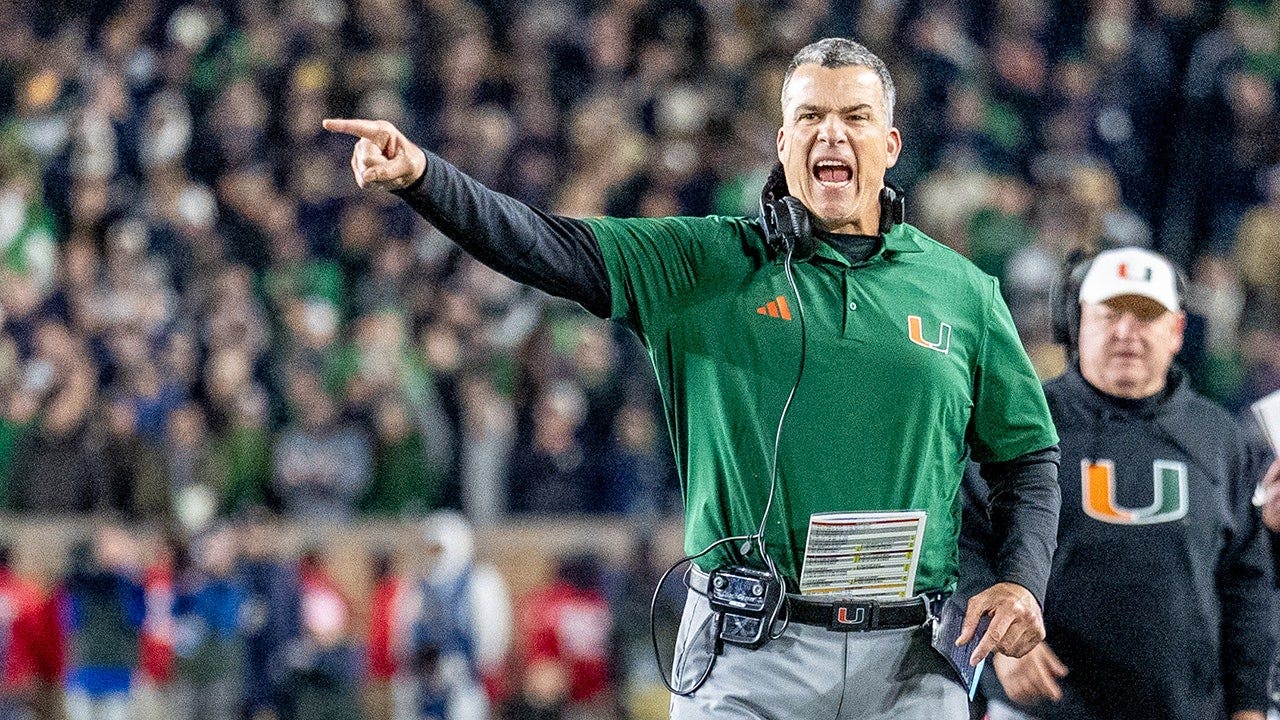
Let's start with the former No. 1 team in the country: the Miami Hurricanes.
asserted
's → let → country
Miami entered the week undefeated and the consensus top team in the rankings.
asserted
Miami → enter → rankings
They went on the road to play a highly regarded Notre Dame team, ranked No. 4 in the AP Poll and No. 11 in the CFB Playoff poll, without their best player, Malachi Toney.
asserted
They → go → player
The Hurricanes had the ball 4th-and-6 with 3:36 to go at the Notre Dame 18-yard-line and seemed to complete a pass for a touchdown to tie the game.
asserted
Hurricanes → have → game
It looked like a catch in real time and on replay; the Miami receiver came down with a foot in bounds, then stepped out of bounds, before losing control of the ball.
asserted
receiver → look → ball
But the officials on the field called it incomplete and review upheld it.
asserted
review → call → it
They lost 31-24, but that play served to underscore how close the outcome was.
asserted
outcome → lose → ?
Surely, the Hurricanes dropped just a few spots, right?
asserted
Hurricanes → drop → spots
After all, that's the standard that poll voters have set for the SEC; lose a close game on the road to a highly-ranked team and you'll drop one spot.
asserted
you → set → spot
Instead, Miami fell six spots to No. 7.
asserted
Miami → fall → .
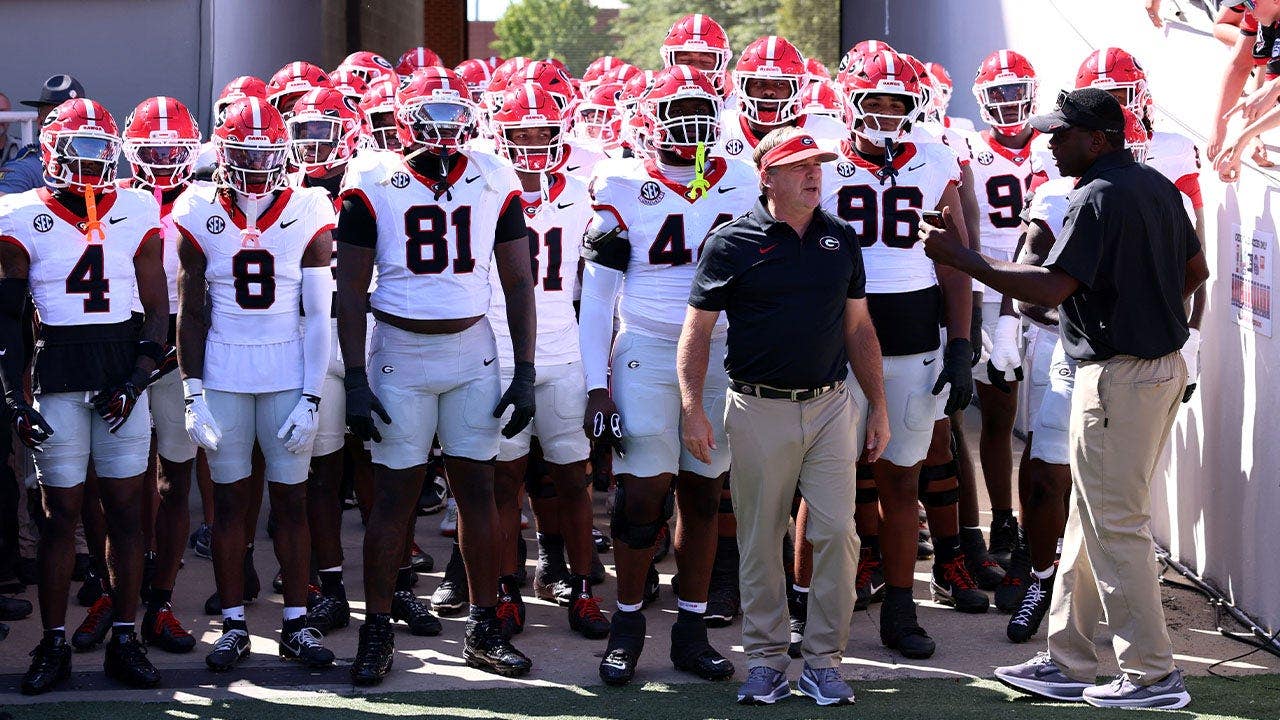
When the Georgia Bulldogs lost, at home, to a mediocre Auburn Tigers team, AP Poll voters dropped them four spots.
asserted
voters → lose → spots
That's why fans from other conferences get upset; there is very little consistency for how these "experts" evaluate losses, and the benefits always seem to point in one direction.
asserted
benefits → get → direction
Speaking of absurd drops, one of Yurachek's most ridiculous post-poll comments was about the now-No. 9 Indiana Hoosiers.
asserted
one → speak → Hoosiers
Indiana entered the week at No. 4 and didn't play, sitting out for their bye week ahead of a huge matchup against USC on Saturday.
asserted
Indiana → enter → Saturday
While not playing, they dropped from No. 4 to No. 9.
asserted
they → play → .
Again, they did not play.
asserted
they → play → ?
And they dropped five spots.
asserted
they → drop → spots
Well, Yurachek was asked about it and attempted to provide an explanation.
asserted
Yurachek → ask → explanation
"Indiana was probably a victim of having a bye week at the wrong time with seven games between Top 25 teams," he said.
asserted
he → have → teams
"The committee is really impressed with what UCLA, Texas, and Notre Dame did as well as Alabama and LSU."
asserted
UCLA → impress → Alabama
"Every team that Indiana had played to date in the Big Ten all lost and that effected their strength of schedule rank and the committee's review of Indiana," he continued.
asserted
he → play → Indiana
They've won games because of their defense and not their offense."
Dear lord.
asserted
They've → win → defense
Who cares how Indiana wins?
asserted
Indiana → care → ?
Why does that matter?
asserted
that → matter → ?
When SEC teams dominated teams defensively, particularly Nick Saban's Alabama or the early Kirby Smart-era at Georgia, it was a testament to their toughness and quality and "defense wins championships" mindset.
asserted
defense → dominate → championships
Now that Indiana is winning games with their defense, it's a negative?
asserted
it → win → defense
Alabama doesn't get punished for Mississippi State's collapse, but Indiana's opponents losing justifies this?
asserted
losing → punish → this
Indiana's non-conference schedule is frequently cited as unacceptably poor, yet per ESPN's own FPI computer metrics, the Hoosiers' best non-conference opponent, North Texas, would be an 8.5 point favorite over Georgia Tech, arguably UGA's "toughest" non-conference opponent.
asserted
opponent → cite → Tech
Ironically, the committee was "impressed" with what UCLA did, which was beat Minnesota.
asserted
which → beat → Minnesota
The same Minnesota team that Indiana also beat the week before their bye.
asserted
Indiana → beat → bye
Yes, UCLA had a higher scoring margin, but since when has that mattered to the committee?
asserted
that → have → committee
So Miami drops six spots after a close road loss to a top-11 team, Indiana drops five spots because they didn't play.
asserted
they → drop → spots
Hilariously, the Kentucky Wildcats, who were exposed in a blowout loss to Tennessee, dropped just five spots as a result.
asserted
who → expose → result
There's plenty more to cover further down the rankings, but Kentucky's two losses are by 28 points and...28 points.
asserted
losses → be → points
…and 27 more, not listed.
 The Aporia