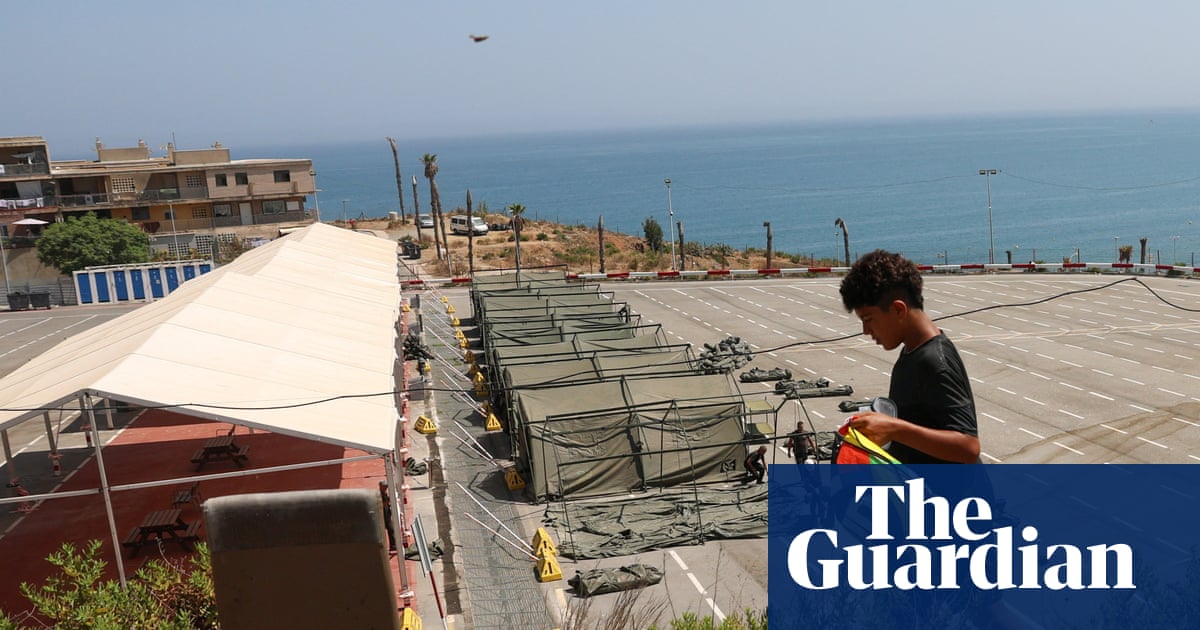
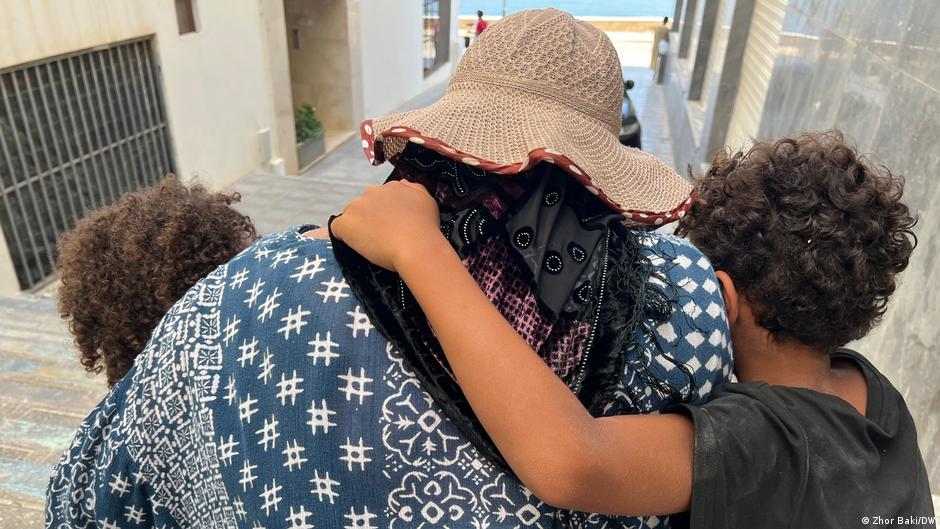
Spain to allow 500 children in Ceuta to go to mainland in immigration U-turn

World news | The Guardian · collected 2026-08-20 · by Stephen Burgen in Barcelona
Read the original at World news | The Guardian ↗

Summary

The Spanish government has reversed its policy and will allow approximately 500 migrant children in Ceuta to relocate to the mainland due to a duty of care obligation under Spanish law. The move comes after an estimated 70,000 people crossed into Ceuta on July 30, with most returning to Morocco since then. Under EU law, all irregular migrants, including unaccompanied minors, should be returned to Morocco, according to the European Commission's internal affairs spokesperson. However, Spain's own legislation on treating unaccompanied minors remains in force despite the EU pact, contributing to mixed messages among politicians and parties.
Written by the local model on 2026-08-21, using this article's own text rather than the other coverage of the same event (that is the story summary below).

Signals How these are calculated →

Claims extracted
15
claim-shaped sentences
Uncertain
7%
1 of 15 hedged
Leaning
not scored
needs a local LLM pass
Publisher trust
95.1
red-flag proxy, not a credibility rating
Outlets on this story
1
Politics
Narrative spread
1
articles carrying this framing
Analyzed 2026-08-21 · source text last changed 2026-08-21 · how these are computed

AI analysis (generated at analysis time, not now)

Story summary

On August 13, Spain's interior minister Fernando Grande-Marlaska said that anyone who entered the Spanish territories of Ceuta or Melilla in north Africa without authorization would be sent back to Morocco. However, just before 500 migrant children were about to face this fate, the government announced a reversal of policy and will now allow these children to relocate to the mainland. This decision is significant because it acknowledges Spain's duty of care towards young, unaccompanied migrants under its law, which requires the state to provide for them until they turn 18 years old. The majority of the approximately 70,000 people who crossed into Ceuta on July 30 have already returned to Morocco.

Written for “Spanish Immigration Policy Change” on 2026-08-31, grounded in this article and the 0 other(s) covering the same event.
Why this leaning score
The article's own words the score was based on. Each is quoted verbatim and was checked against the article text before being stored, so you can find it in the original.
Score +0.55 Confidence high 1 quote(s) discarded as not found in the article
Leaning score +0.55 for article 1449 (high confidence, 2 verified quotes) · logged 2026-08-21

Story

📰 Spanish Immigration Policy Change
Politics · 1 article(s) covering the same event. This is the one the site leads with.

How this is being covered How these are calculated →

Article leaning vs. publisher reliability
Source leaning vs. consistency

Compared with similar articles

This article reads unscored and hedges 7% of its claims. Each row says how that neighbour differs.
CBC | World News
⚖️ leaning not scored 🔴 3% hedged 1 of 30 📰 publisher trust 95
“Article A describes a mass migrant crossing attempt on 'Saturday' (August 13), while Article B mentions an event that occurred on July 30 and was followed by ministerial comments on August 13, indicating different events with some overlap”
World news | The Guardian
⚖️ leaning not scored 🔴 5% hedged 1 of 21 📰 publisher trust 95
“Article A describes a mass crossing of migrants into Ceuta on an unspecified date, while Article B refers to a return of some migrants and a government decision related to unaccompanied children in Ceuta”
News | Euronews RSS
⚖️ leaning not scored 🔴 11% hedged 1 of 9 📰 publisher trust 95
“Article A describes a policy U-turn allowing migrant children to relocate to the mainland, while Article B reports on a separate event of transferring migrants from Ceuta beach to temporary shelters”
BBC News
⚖️ leaning not scored 🔴 21% hedged 4 of 19 📰 publisher trust 96
“Article A describes a recent incident of migrants trying to cross into Ceuta, while Article B refers to an earlier incident on July 30 and a government decision in response”
World | Deutsche Welle
⚖️ Leans strongly left 🔴 9% hedged 6 of 69 📰 publisher trust 95
“Article A describes a decision by the Spanish government regarding 500 migrant children, while Article B discusses the aftermath of a mass crossing attempt on July 30 and subsequent social media calls for another attempt”
BBC News · 0.88 cosine similarity
⚖️ leaning not scored 🔴 7% hedged 3 of 41 📰 publisher trust 96
BBC News · 0.85 cosine similarity
⚖️ leaning not scored 🔴 15% hedged 6 of 39 📰 publisher trust 96

Publisher

World news | The Guardian · 52 article(s) · 0 correction(s) detected
SignalValueWeight
Correction rate 0.000 0.4
Uncertainty density 0.098 0.25
Assertive mismatch rate 0.000 0.35
No corrections detected for this publisher. That may mean careful reporting, or simply that nothing has been checked.

Who wrote this

Stephen Burgen in Barcelona
1 article(s) here · 1 carrying a prediction
🔮 The Spanish government has U-turned and said it will allow 500 migrant children in Ceuta to relocate to the mainland.
The only article under this byline in the corpus.

Topics

Ceuta Melilla Morocco Spain Spanish

Subjects

Ceuta GPE · 8× Spanish NORP · 6× Morocco GPE · 5× Spain GPE · 4× European NORP · 2× Melilla GPE · 2× People’s party ORG · 2× Fernando Grande-Marlaska PERSON · 1× Rubén Pérez Correa PERSON · 1× Vox ORG · 1×

Narrative

To minimise conflict, the youth ministry, in coordination with the Ceuta government, is devising an urgent plan under which NGOs and child protection agencies take charge of the most vulnerable children, girls in particular, without transferring their guardianship to Spain’s regional governments.
framing: assertive · carried by 1 article(s) · first seen 2026-08-20
🔮 The Spanish government has U-turned and said it will allow 500 migrant children in Ceuta to relocate to the mainland.
2026-08-21 · World news | The Guardian
Spain to allow 500 children in Ceuta to go to mainland in immigration U-turn · assertive framing

Claims (15 extracted, 1 hedged)

The Spanish government has U-turned and said it will allow 500 migrant children in Ceuta to relocate to the mainland. asserted
children → - → mainland
The majority of the estimated 70,000 people who crossed into Ceuta – a Spanish territory on the coast of north Africa – on 30 July have returned to Morocco. asserted
who → estimate → Morocco
However, under Spanish law, the state has a duty of care to young, unaccompanied migrants until they reach the age of 18. asserted
they → have → 18
On 13 August, the interior minister, Fernando Grande-Marlaska, had said: “Anyone who illegally enters Ceuta or Melilla [another Spanish enclave in north Africa] knows they will be sent back because Spain and Morocco work together to this end. asserted
Spain → say → end
They will not reach the peninsula, nor the European continent and nor will they remain indefinitely in Ceuta or Melilla. asserted
they → reach → Ceuta
” The transfer of the children to the Spanish mainland is a sensitive political topic as several regions governed jointly by the conservative People’s party and the far-right Vox are reluctant or opposed to receiving their quota. asserted
regions → govern → quota
To minimise conflict, the youth ministry, in coordination with the Ceuta government, is devising an urgent plan under which NGOs and child protection agencies take charge of the most vulnerable children, girls in particular, without transferring their guardianship to Spain’s regional governments. asserted
NGOs → minimise → governments
Rubén Pérez Correa, the secretary of state for children, has been in Ceuta since Sunday in an effort to resolve a situation in which hundreds of children are living on the street and existing on handouts from Ceuta residents. asserted
hundreds → resolve → residents
News of the government’s plan came only hours after the European Commission said that under EU law all of the migrants should be returned to Morocco. asserted
all → come → Morocco
Asked to clarify, the commission’s spokesperson on internal affairs, Markus Lammert, said that by law all irregular migrants remaining in Ceuta should be sent back, “including unaccompanied minors”. asserted
migrants → ask → minors
The People’s party has rejected the government plan, saying the best place for the children is with their families. asserted
place → reject → families
“If Morocco has asked for the children to be returned and if Europe says the illegal immigrants should all be returned, whether children or not, what more does the government need?” the People’s party deputy finance spokesperson, Juan Bravo, said in a television interview. asserted
government → ask → interview
The mixed messages partly derive from the fact the latest European pact on immigration has not yet been incorporated into Spanish law and therefore Spain’s own legislation on the treatment of unaccompanied minors remains in force. asserted
legislation → mix → force
According to Spain’s ministry of inclusion and migration, as of last March 21,104 people aged 16-23 were under guardianship of the state, of whom about 3,500 were under 17. uncertain
3,500 → accord → 17
Girls made up about 8% of the total. asserted
Girls → make → total
💬 Give feedback
🕘 History 🎫 Support