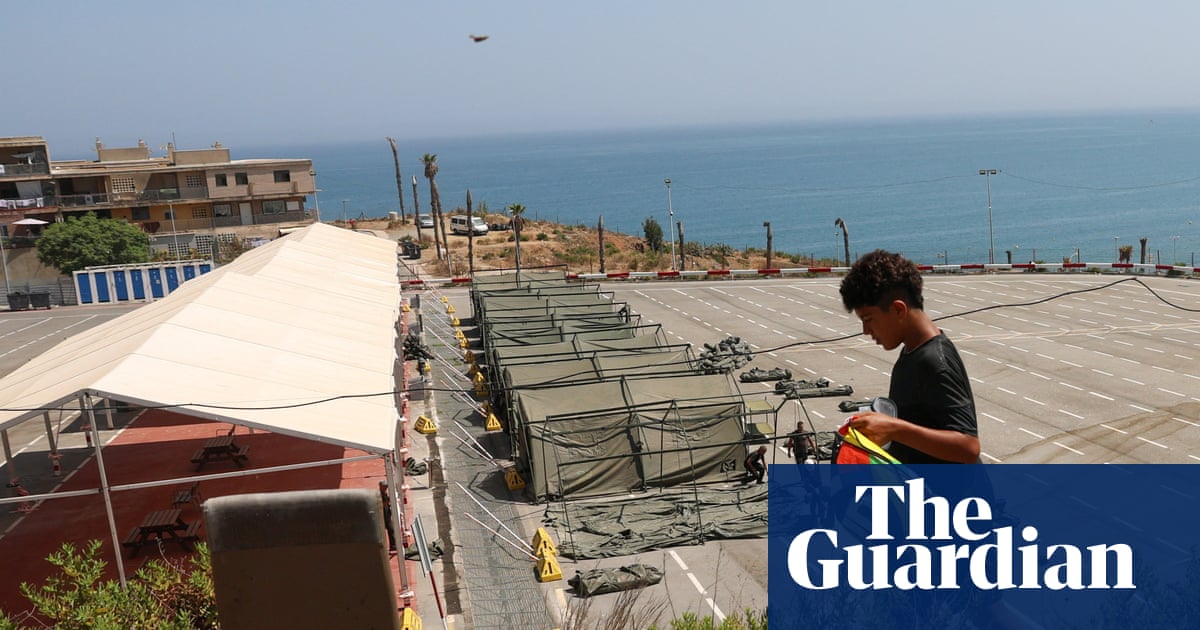
There are only a few kilometers between the city of Fnideq in Morocco and the Spanish enclave of Ceuta — but the distance between those who dream of crossing that divide and those who chose to stay in Morocco is far greater than that.
asserted
who → be → that
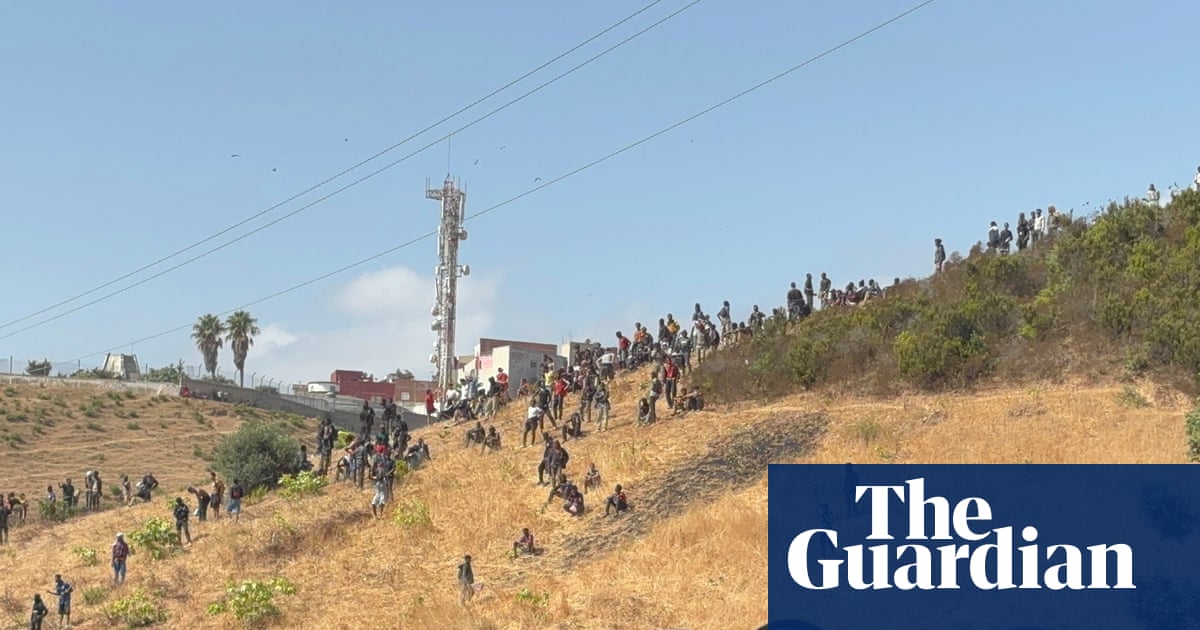
After July 30, when an estimated 72,000 people crossed from Morocco into Ceuta, there were further calls on social media for people to come to Fnideq for another mass crossing attempt in mid-August.
asserted
people → estimate → August
That is despite the fact that around 100 people died in the July attempt and that most of those who crossed into Ceuta have since returned to Morocco.
asserted
who → die → Morocco
Numbers are unclear but somewhere between 2,000 and 8,000 of those who managed to get over to the Spanish enclave remain there.
uncertain
who → manage → enclave
According to reports, they are now living in desperate circumstances.
uncertain
they → accord → circumstances
Many are sleeping on the beach while they wait for Spanish authorities to decide their fate.
asserted
authorities → sleep → fate
Homeless and desperate in Morocco
Still, back in Morocco, some would-be migrants continue to hope for a chance to get to Ceuta.
asserted
migrants → continue → Ceuta
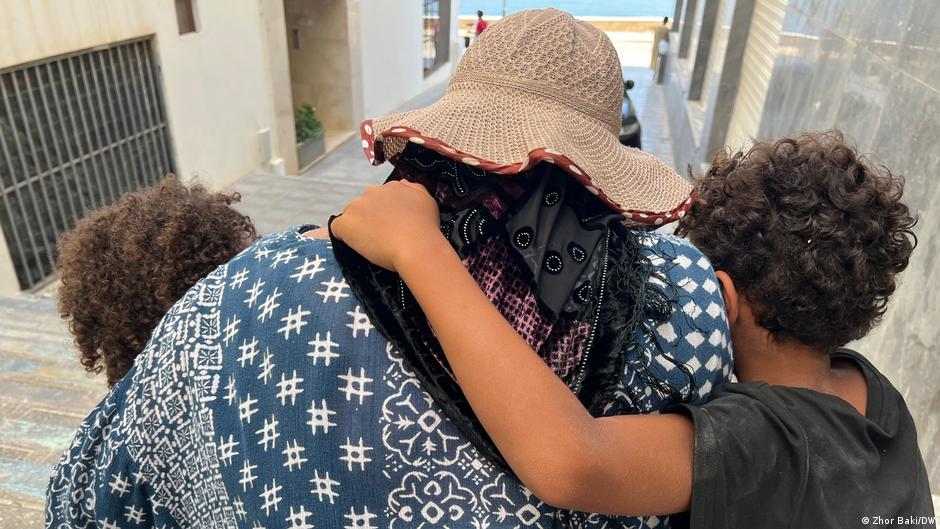
Malika came to Fnideq from the city of Casablanca in western Morocco with her two children after she heard that people had managed to get there on July 30; she did not want to give DW her full name for personal reasons.
asserted
she → come → reasons
"My life is below zero," she said, with tears in her eyes.
asserted
she → say → eyes
"I have no life."
asserted
I → have → life
Malika heard there might be a new opportunity to cross in August so she has stayed in Fnideq, together with her 3-year-old daughter and 8-year-old son.
uncertain
she → hear → daughter
For the past few weeks, she says she has simply wandered the streets searching for ways to feed her children.
asserted
she → say → children
The family has slept in the open.
asserted
family → sleep → open
But rumors about an August crossing also reached both Spanish and Moroccan authorities.
asserted
rumors → reach → authorities
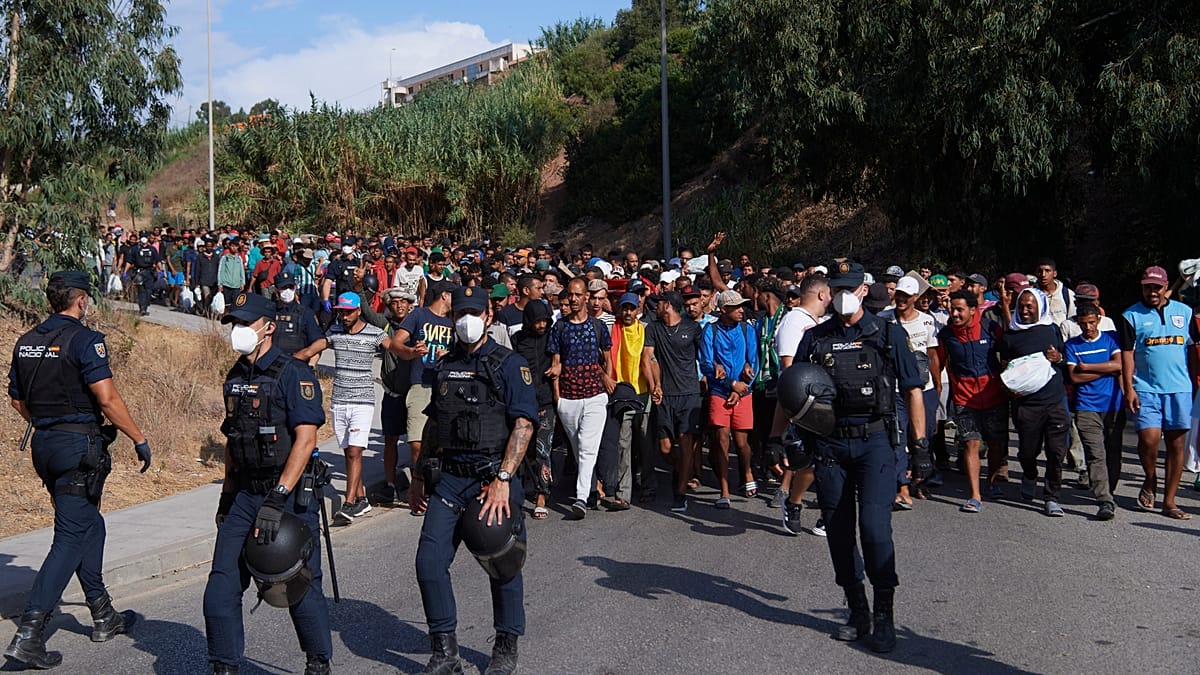
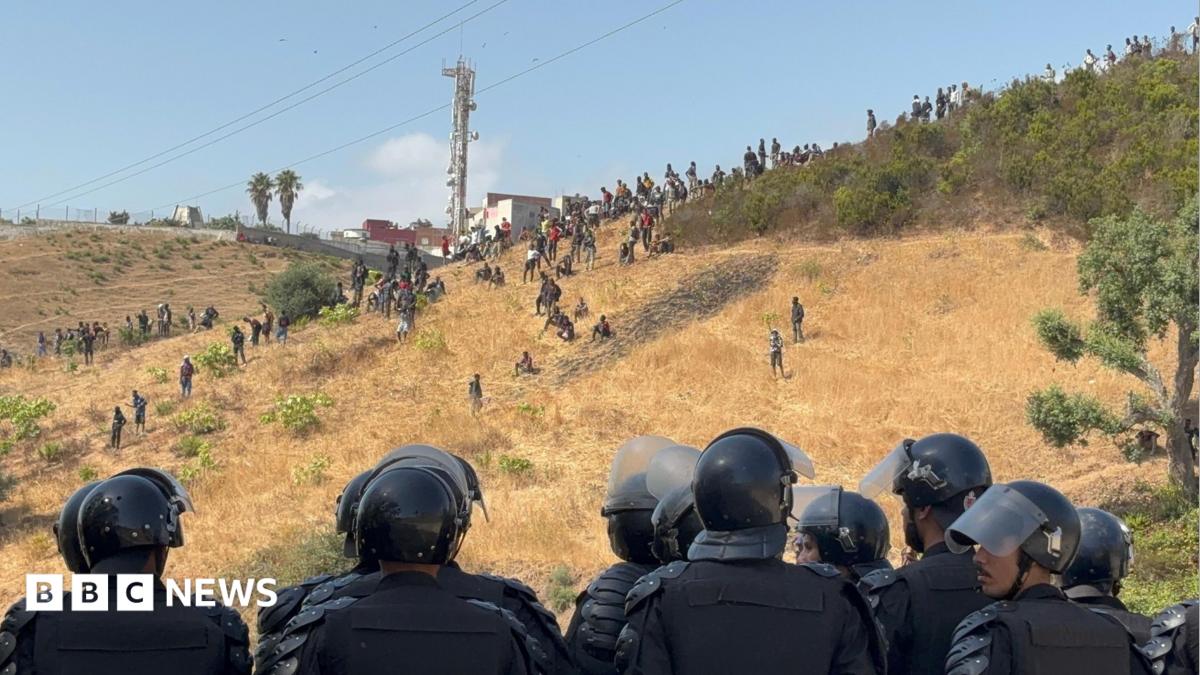
On August 15, eyewitnesses reported a heavy Moroccan security presence around Ceuta and Melilla, another Spanish exclave to the east, with numerous checkpoints, patrol boats monitoring the coast and water cannons stationed at the border.
asserted
eyewitnesses → report → border
Moroccan police said they arrested 111 people as they tried to enter Ceuta.
asserted
they → say → Ceuta
There was no mass crossing on August 15 and Malika has remained in Fnideq.
asserted
Malika → be → Fnideq
"I'm in a situation where I might do something to myself at any moment," she told DW.
uncertain
she → do → DW
"My children are starving.
asserted
children → starve → ?
I have no job and no stable home, and my husband suffers from depression due to extreme poverty.
asserted
husband → have → poverty
Sometimes he just disappears, leaving me alone with the two children, without money or shelter.
asserted
he → disappear → money
"
That is why she still wants to get to Ceuta, she says, where she is certain she and the children will find support of some kind: "Our situation is very difficult. …
asserted
situation → want → kind
that's why I want them to go to Ceuta.
asserted
them → want → Ceuta
They will study there and we will be fine.
asserted
we → study → ?
No future, no hope
Another man that DW meets in Fnideq, Ahmed Amhid, is in a better position.
asserted
DW → meet → position
He's 22 years old and he came from Oued Zem in central Morocco after hearing about the August crossing.
asserted
he → come → crossing
He is with a relative selling drinks on the street.
asserted
He → sell → street
Amhid says there are no job opportunities in his hometown and he feels like there's no future for him there.
asserted
he → say → him
"The situation is deplorable, there's nothing in this country," he says angrily.
asserted
he → be → country
"I want to emigrate from Morocco.
asserted
I → want → Morocco
I have no hope in this country."
asserted
I → have → country
Amhid pauses to offer a glass of orange juice to a customer before continuing.
asserted
Amhid → pause → customer
"There's nothing in this country: no jobs, no industries, no companies, nothing," he told DW.
asserted
he → be → DW
"My current income isn't enough to support me or build a future."
asserted
income → support → future
Many of the young people, like Amhid, who arrived in Fnideq recently came because of what they had seen on social media, explains Ahmed al-Dafri, a Moroccan expert on media and culture.
asserted
Dafri → arrive → media
This kind of online call represents "a new model of digital mobilization that doesn't necessarily require a single leader or a central authority," al-Dafri told DW.
asserted
Dafri → represent → DW
"When videos circulate widely, especially those documenting past successful attempts to cross, it creates a feeling that everyone wants to migrate and that no one wants to stay.
asserted
one → circulate → feeling
"
This type of content can give people a feeling of exclusion if they don't join in the collective movement, he explains.
asserted
he → give → movement
Not everybody wants to leave Morocco
Nearer to the border between the city and Ceuta, DW meets Mohamed al-Dami.
asserted
DW → want → Dami
The 30-year-old says he isn't even thinking about leaving Morocco, even though he watched many people try recently.
asserted
people → say → Morocco
…and 29 more, not listed.
 The Aporia