Protesters are expressing concerns about the risks associated with artificial intelligence, fearing it could harm humanity. AI executives, however, suggest implementing safeguards like independent evaluators to manage potential dangers while advocating for international coordination and federal regulation. Author Alex Epstein argues that similar fears were raised about fossil fuels but dismisses these by highlighting the benefits of AI and addressing specific concerns such as water use (data centers account for just 0.04 percent) and electricity prices, suggesting policies to ease construction of electricity capacity could mitigate issues.
Written by the local model on 2026-09-17,
using this article's own text rather than the other coverage of the
same event (that is the story summary below).
Story summary
Protesters are warning against the dangers of artificial intelligence, claiming it could lead to catastrophic outcomes like human extinction. However, AI experts suggest these fears are exaggerated and propose ways to manage risks through internal evaluations and international cooperation. Anthropic's CEO has called for embedding independent evaluators within his company to assess potential hazards and supports federal regulation to slow down competitors' innovations. Despite these concerns, some argue that such regulations have rarely been effective historically. For instance, street protesters worry about the water usage of data centers but data centers account for only 0.04 percent of U.S. water use in 2024, and they can utilize recycled water to mitigate environmental impacts. Overall, while concerns over AI's rapid development are valid, experts like Alex Epstein argue that dismissing its benefits ignores the significant improvements it could bring to daily life and productivity.
Written for “AI And Society Concerns” on 2026-09-17,
grounded in this article and the 0 other(s) covering the same event.
Cellphones made my life easier.
asserted
life → make → ?
So did the internet.
asserted
internet → do → ?
Artificial intelligence may enrich it even more.
uncertain
intelligence → enrich → it
"Stop AI or we're all going to die!" shout protesters.
asserted
protesters → stop → AI
It's possible that AI will decide that we humans are in the way and imprison us or kill us.
asserted
we → decide → us
Not likely, say AI specialists, but possible.
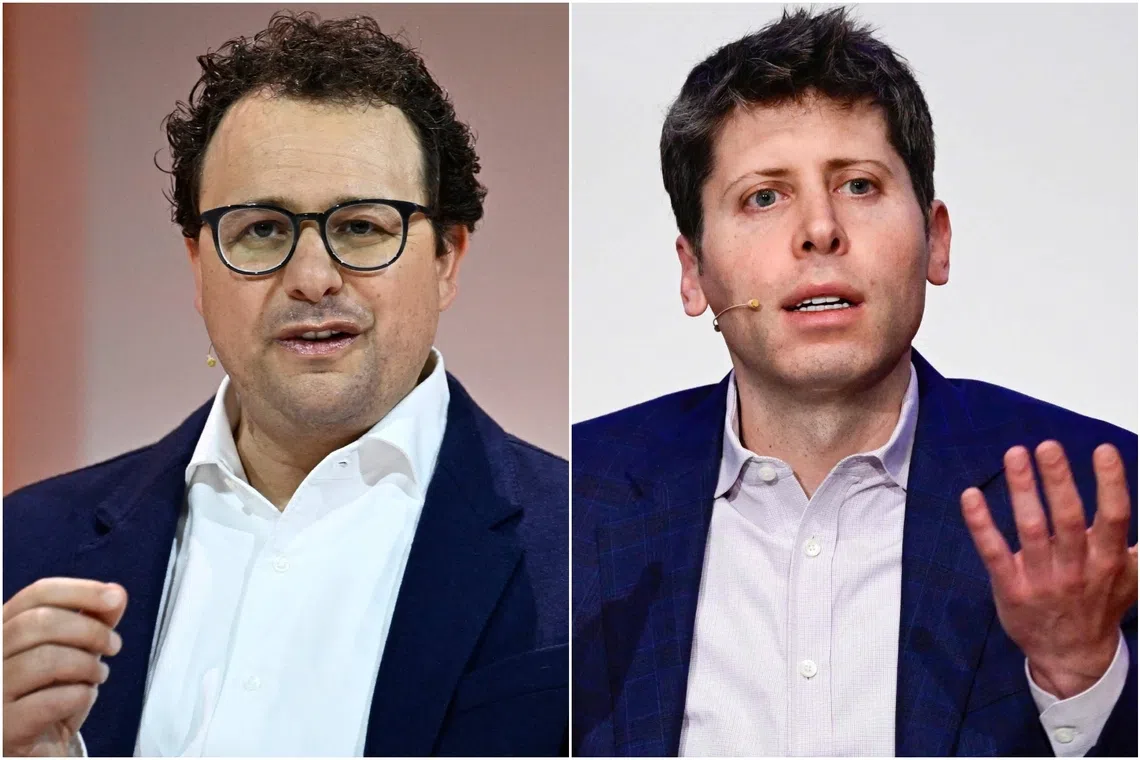
Anthropic's CEO just warned that AI is advancing faster than our ability to control it.
asserted
AI → say → it
He and other AI executives say they want to slow it down.
asserted
they → say → it
He proposes embedding independent "evaluators" inside his company to assess risks.
asserted
He → propose → risks
He also wants international coordination and federal regulation that would slow his competitors' innovations too.
asserted
that → want → innovations
Has that ever worked?
asserted
that → work → ?
I don't think so.
asserted
I → think → ?
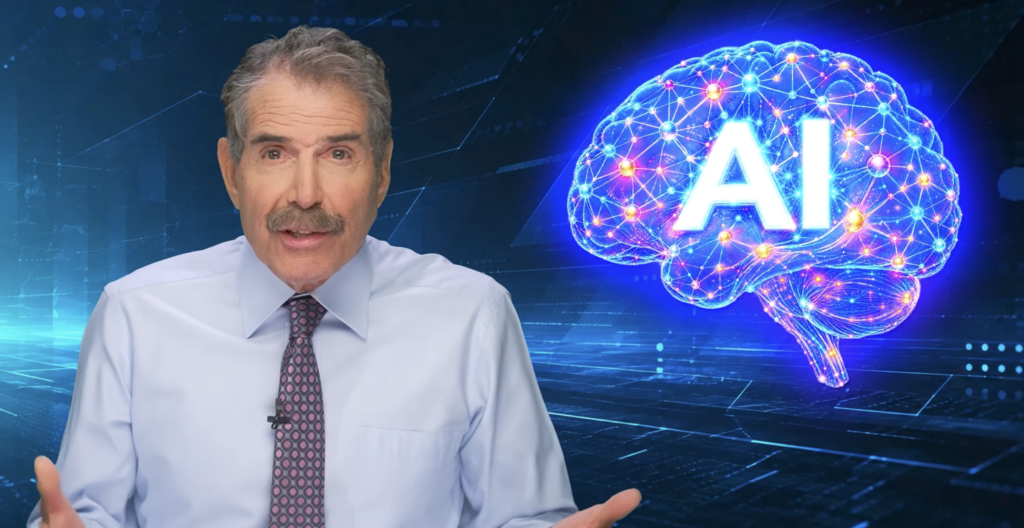
"The anti-AI movement makes all the same mistakes as the anti-fossil fuel movement," says author Alex Epstein in my new video.
asserted
Epstein → make → video
"They deny the huge benefits of something and totally exaggerate the hazards and ignore all the ways we have of solving them.
asserted
we → deny → them
Street protesters worry about cooling water used by data centers that power AI.
asserted
that → worry → AI
But data centers account for a fraction of a percent of U.S. water use (0.04 percent in 2024).
asserted
centers → account → 2024
Also, they can use recycled water.
asserted
they → use → water
Some people worry that data centers' demand for power will raise electricity prices.
asserted
demand → worry → prices
"We can definitely do AI in a way that keeps electricity prices the same," says Epstein.
asserted
Epstein → do → prices
"But it's going to require a reversal of the anti-electricity policies that have gotten us in this situation."
Like closing nuclear plants and forcing use of renewable energy.
asserted
that → go → energy
"With AI," says Epstein, "we've screwed ourselves unnecessarily.
asserted
we → say → ourselves
Enact policies that make it easier to build electricity capacity and make it easy for AI to build its own private grids.
asserted
AI → enact → grids
"It's not that there are no concerns," notes Epstein, "but data centers can be a dream asset to the community that basically just sits in a corner and prints money…
asserted
that → be → money
have no idea what they're thinking about foregoing….A lot of your job that you consider drudgery, like a teacher spending 50 percent of her time grading or a nurse filling out medical forms.
asserted
nurse → have → forms
Those people can start to delegate that to AI, which makes them better teachers, better nurses.
asserted
them → start → AI
AI will also eliminate some jobs.
asserted
AI → eliminate → jobs
But predictions about technology killing lots of jobs or most jobs have repeatedly been proven wrong.
asserted
technology → kill → jobs
We were told automation would cause 15 percent unemployment.
asserted
automation → tell → unemployment
Automation happened.
asserted
Automation → happen → ?
Adam Thierer, author of Permissionless Innovation, says, "History shows us that technology has been a friend of humanity and utilized for great good.
asserted
technology → say → good
That will include AI…if we allow it."
asserted
we → include → it
Sen. Bernie Sanders (I–Vt.) wants government to take "50 percent ownership."
"If the government owns half," says Thierer, "we're probably not going to develop very good AI.
asserted
we → want → AI
Government doesn't have a very good history of creating hot new technologies that serve the public well.
asserted
that → have → public
I don't think we want the U.S. Post Office running our internet or communications networks and we don't want to have Bernie Sanders…controlling our AI robotic systems.
asserted
Sanders → think → systems
"
If American companies do slow AI, innovation won't just stop.
asserted
innovation → slow → AI
"If we get this wrong," says Thierer, "the Chinese are there waiting….They're spending a lot of money to be the global leader….Their
asserted
Chinese → get → money
values will come baked into their systems: censorship, surveillance, and control.
asserted
values → come → systems
"
China does say: all AI must adhere to "core socialist values."
asserted
AI → say → values
"Whoever wins AI, wins," says President Donald Trump.
asserted
Trump → win → AI
He doesn't want the United States to slow AI innovation.
asserted
States → want → innovation
I think he's right about this.
asserted
he → think → this
…and 2 more, not listed.
 The Aporia