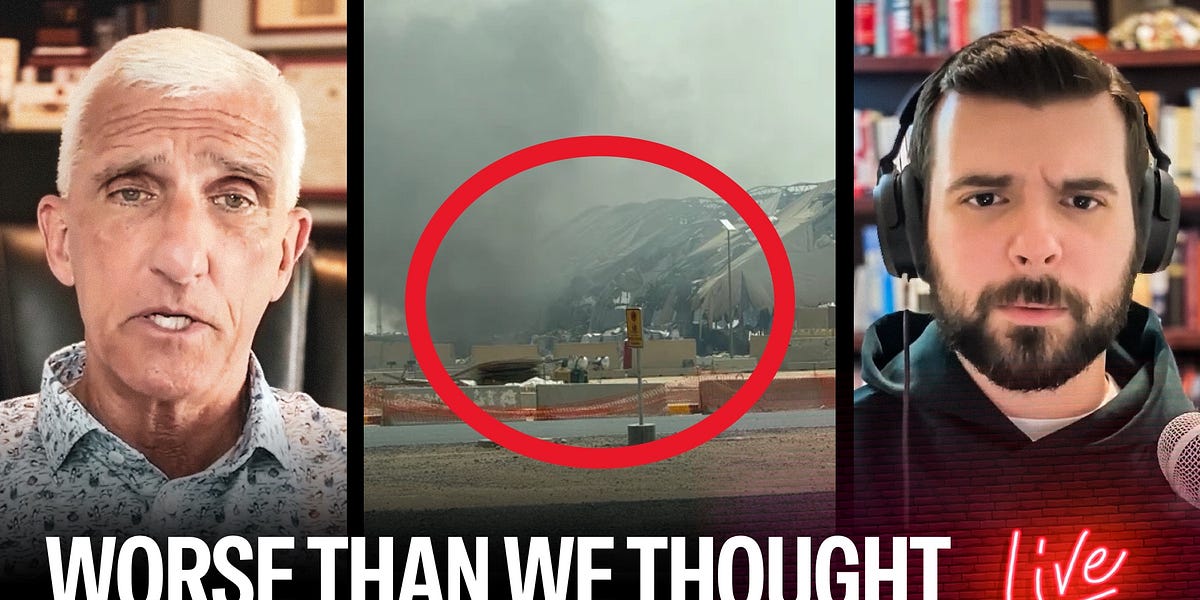
Command Post: Iran Is Doing More Damage to the U.S. Military Than We Knew

The Bulwark · collected 2026-09-16 · by Benjamin Parker commentary
Read the original at The Bulwark ↗

Summary

Ben Parker and Lt. Gen. Mark Hertling discuss on The Bulwark’s live video how Iran is causing significant damage to U.S. military operations in the Middle East, including attacks on bases and interference with oil supplies. They also estimate economic consequences could amount to $38 billion. The conversation covers broader conflicts involving the Houthis and their impact on American forces. Subscribers get full access to this content along with other exclusive benefits.
Written by the local model on 2026-09-16, using this article's own text rather than the other coverage of the same event (that is the story summary below).

Signals How these are calculated →

Claims extracted
4
claim-shaped sentences
Uncertain
0%
0 of 4 hedged
Leaning
not political
takes no side on a contested political question
Correction & hedging signals
not measured
these signals count newsroom corrections; Commentary has none to count
Outlets on this story
21
Politics
Narrative spread
1
articles carrying this framing
Analyzed 2026-09-16 · how these are computed

AI analysis (generated at analysis time, not now)

Story summary

Summary of Iran-US War Developments

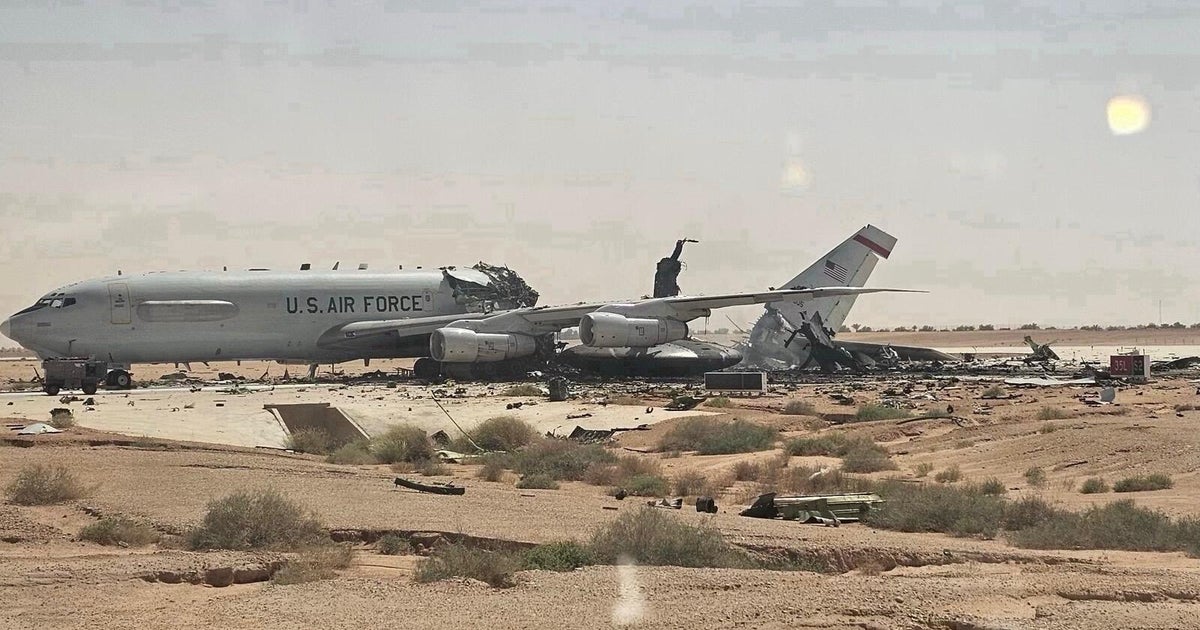
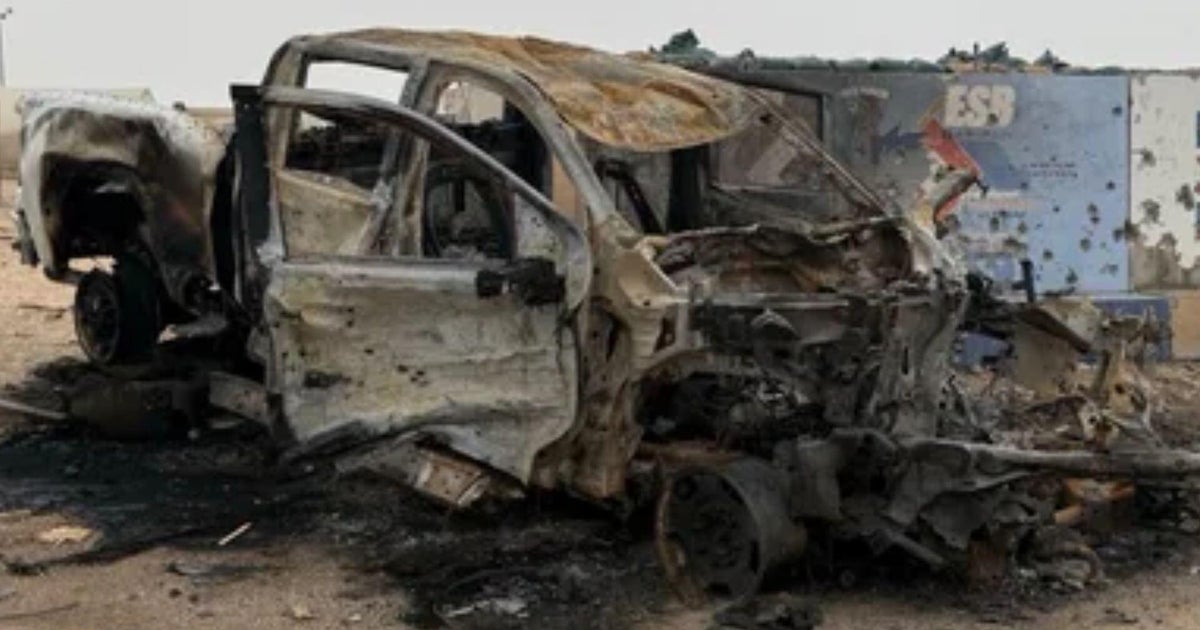
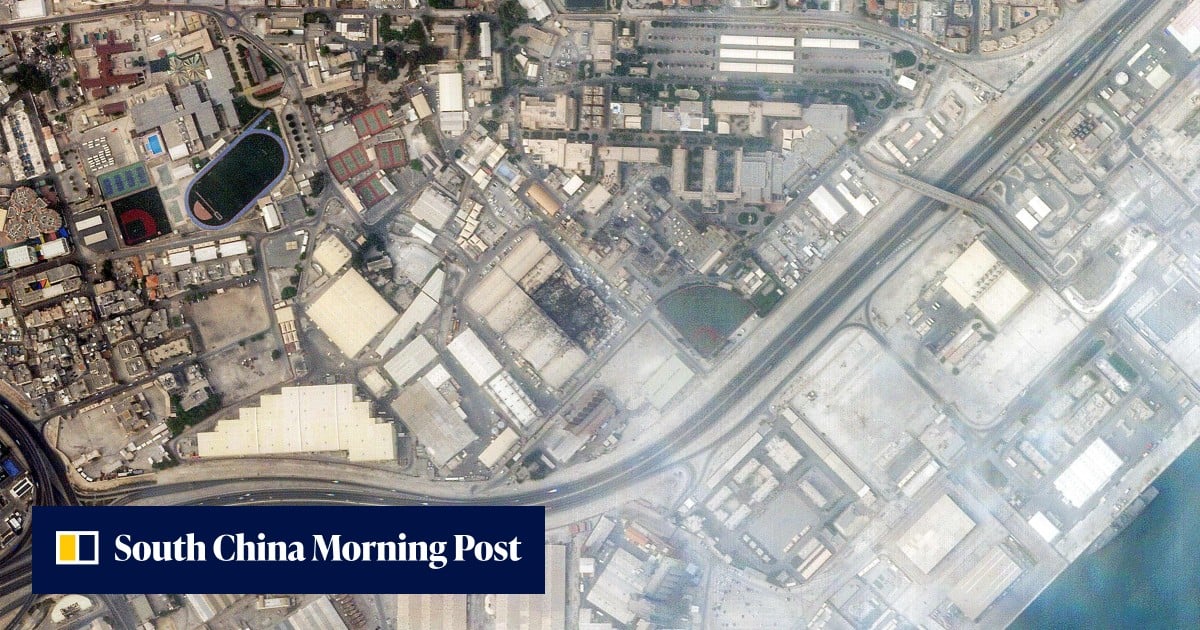
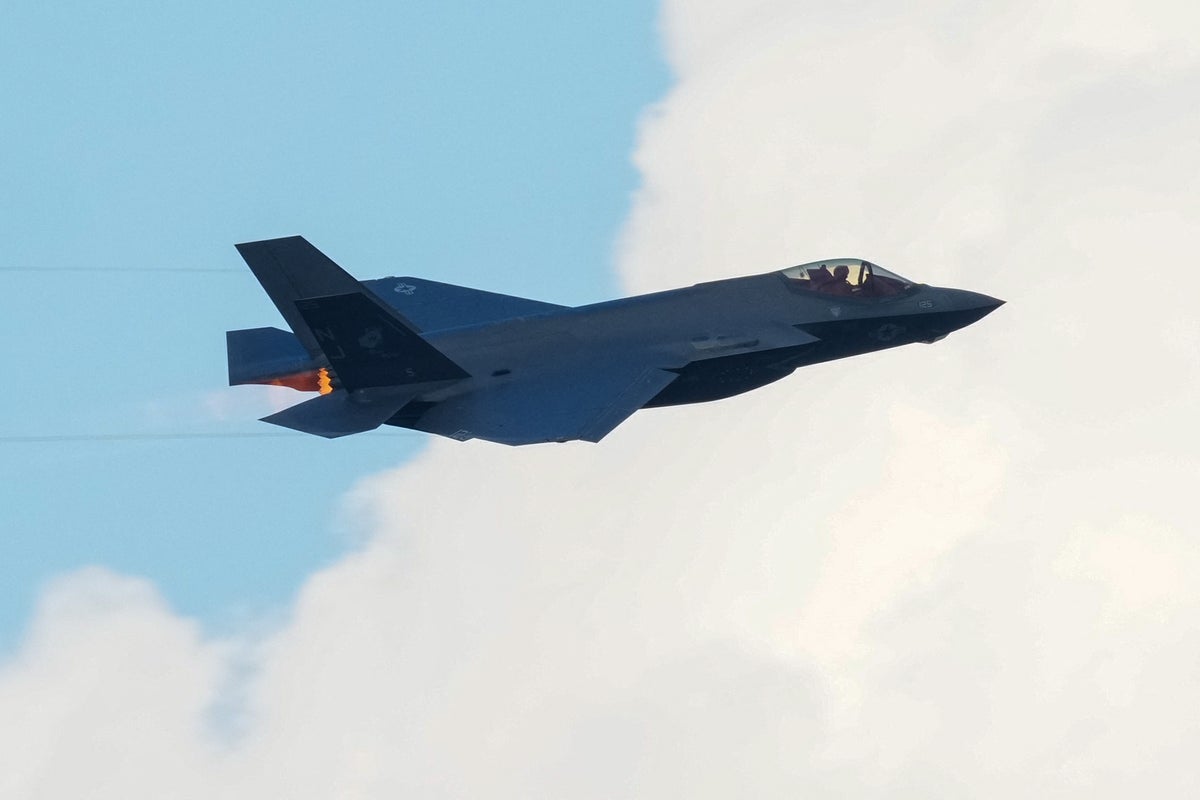
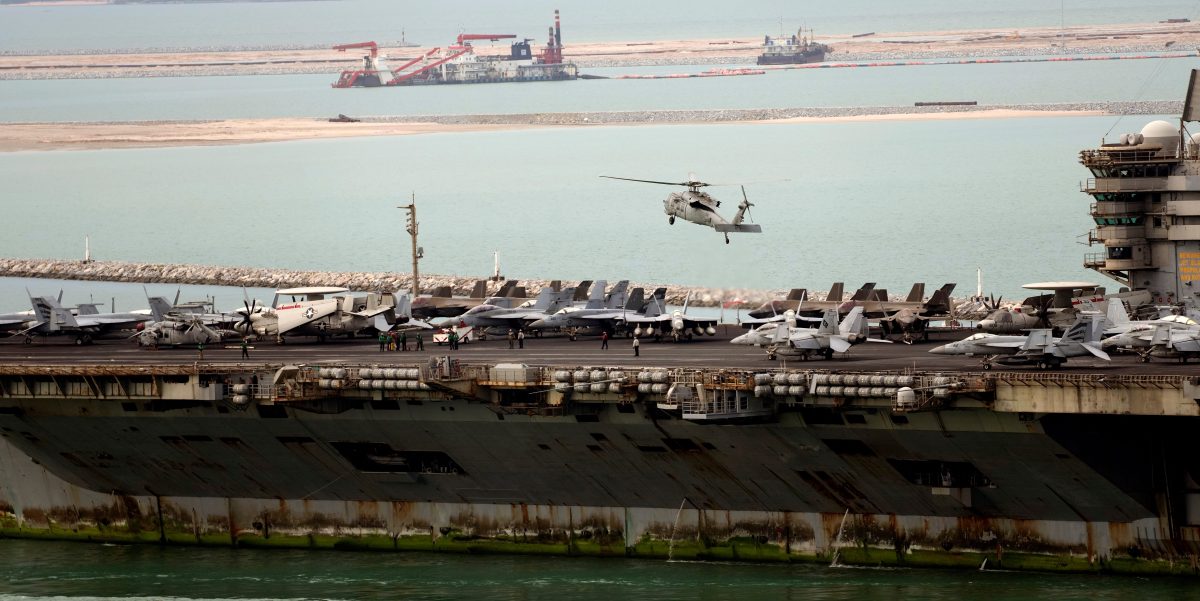
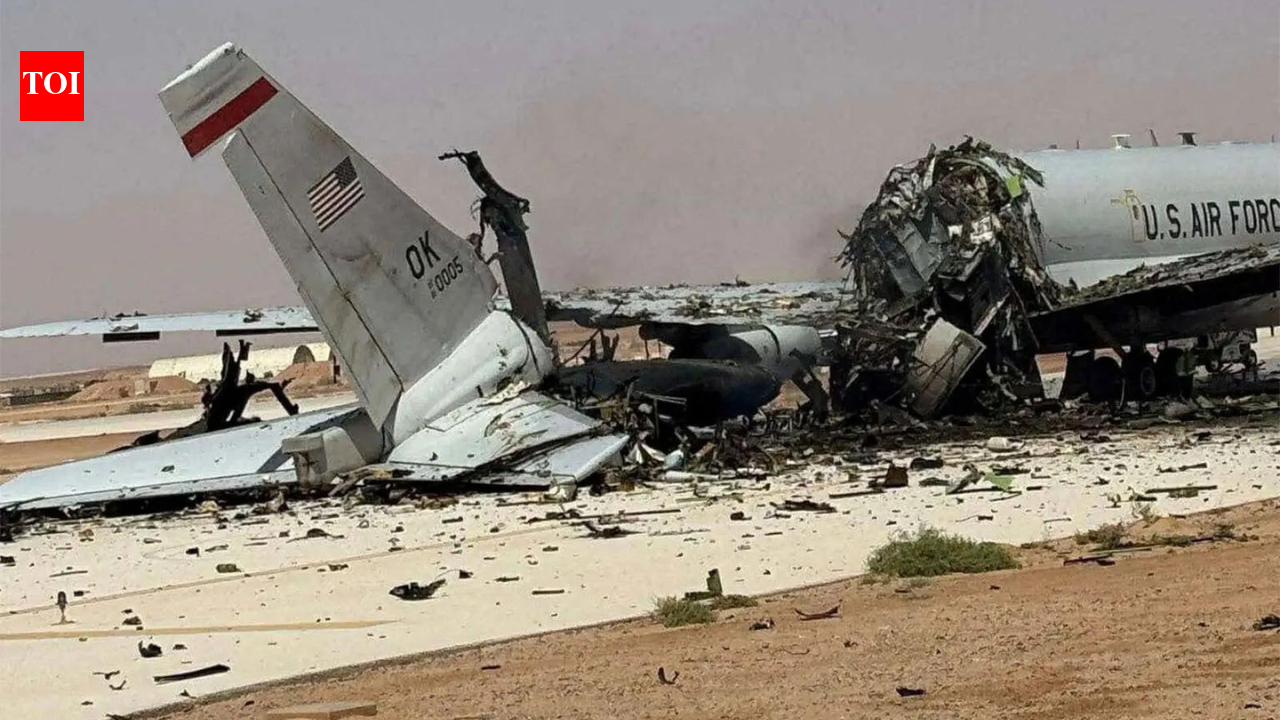
Between February 28 and June 30, the United States and Israel launched "Operation Epic Fury," a military campaign against Iran that cost an estimated $33.4 billion, with nearly $22.3 billion spent on munitions alone. The Pentagon's Inspector General report to Congress revealed significant challenges, including strategic inventory shortfalls and industrial bottlenecks in resupplying munitions. Iranian retaliatory strikes damaged or destroyed hundreds of buildings at U.S. bases across the Middle East, including up to 30 MQ-9 Reaper drones, four F-15 fighter jets, one F-35 jet, and seven KC-135 tanker aircraft.

President Donald Trump has dismissed concerns about munitions shortages, stating that the U.S. possesses "virtually unlimited" supplies of ammunition. However, Pentagon officials acknowledge significant expenditures in both personnel deployment and weaponry use, which have led to strategic inventory shortfalls and revealed industrial base bottlenecks for munitions resupply. The report highlights the need for streamlining procurement processes and stockpiling critical materials to prepare for potential future contingencies.

The cost of repairing damaged facilities and replacing lost or damaged aircraft is not included in the current estimate, indicating that the total financial impact could be even higher. Despite these challenges, U.S. officials maintain readiness for any potential contingency while considering diplomatic avenues to end hostilities with Iran. (Total cost: $33.4 billion; munitions expenditure: $22.3 billion)
Written for “Iran War Munitions Shortfall” on 2026-09-17, grounded in this article and the 20 other(s) covering the same event.
Why this leaning score
This article does not take a side on a contested political question, so it has no leaning score. That is an answer rather than a gap: a match report or a rescue can be warmly or critically written without being left or right, and scoring it anyway is how approval of a subject gets recorded as a political position.
No political leaning scored for article 13912 · logged 2026-09-16

Story

📰 Iran War Munitions Shortfall
Politics · 21 article(s) covering the same event.

How this is being covered How these are calculated →

Article leaning vs. publisher reliability
Source leaning vs. consistency

Compared with similar articles

This article reads unscored and hedges 0% of its claims. Each row says how that neighbour differs.
South China Morning Post
⚖️ leaning not scored 🔴 0% hedged 0 of 1 📰 publisher trust 94
“Article A describes a verbal confrontation at the Xiangshan Forum between Iranian and Saudi panellists, while Article B discusses broader military and economic impacts of Iran's actions on U.S. interests.”
Times of India
⚖️ Leans left 🔴 8% hedged 2 of 25 📰 publisher trust 94
“Both articles discuss the financial cost and damage incurred by the U.S. military due to the ongoing conflict with Iran, citing similar figures and timeframe.”
Al Jazeera
⚖️ Leans left 🔴 0% hedged 0 of 46 📰 publisher trust 96
“Article A provides specific details about losses reported by a Pentagon watchdog, while Article B discusses broader impacts of the Iran war and includes commentary on economic consequences.”
CBS News
⚖️ Leans left 🔴 0% hedged 0 of 13 📰 publisher trust 77
“Article A reports on new photos showing damage from Iranian attacks, while Article B discusses a broader analysis of the Iran war's impact on U.S. military and economy.”
CBS News
⚖️ Centre 🔴 0% hedged 0 of 3 📰 publisher trust 77
“While both articles discuss damage caused by Iran to U.S. military installations, ARTICLE A focuses on new images of damage obtained by CBS News, while ARTICLE B is a discussion about the broader impacts and context of these attacks.”
BBC News
⚖️ leaning not scored 🔴 5% hedged 1 of 22 📰 publisher trust 96
“Article A describes specific photos showing damage at US sites from Iranian strikes, while Article B discusses broader military and economic impacts of Iran's actions without referencing the same specific incident or evidence.”
South China Morning Post
⚖️ leaning not scored 🔴 0% hedged 0 of 5 📰 publisher trust 94
“Article A reports on a Pentagon inspector general's report about the toll of the Iran war, while Article B discusses live commentary from military experts regarding the expanding conflict and its consequences.”
New York Post
⚖️ Leans left 🔴 8% hedged 1 of 13 📰 publisher trust 59
“While both articles discuss damage to US military installations from Iran, Article A is a general discussion about the expanding conflict and its impacts, while Article B specifically describes images of widespread destruction from Iranian airstrikes including a destroyed spy plane.”
The Independent
⚖️ Leans left 🔴 9% hedged 5 of 54 📰 publisher trust 59
“The articles discuss similar issues regarding damage caused by Iran to U.S. military installations, but Article A specifies a report from the Pentagon about destroyed and damaged aircraft and facilities, while Article B references broader economic consequences and discussions in a live video setting.”
The Intercept
⚖️ Leans strongly left 🔴 16% hedged 16 of 101 📰 publisher trust 97
“The articles discuss similar topics about the strain on U.S. military due to the Iran conflict, but they do not describe the exact same incident or occurrence.”

Publisher

The Bulwark · 143 article(s) · 0 correction(s) detected
No corrections detected for this publisher. That may mean careful reporting, or simply that nothing has been checked.

Who wrote this

Benjamin Parker
2 article(s) here · 0 carrying a prediction
Also by Benjamin Parker
Nothing else under this byline is closely related to this article, so these are simply their most recent.

Topics

American Houthis Iran The Bulwark’s U.S.

Subjects

Iran GPE · 2× U.S. GPE · 2× American NORP · 1× Ben Parker PERSON · 1× Catherine Rampell PERSON · 1× Houthis NORP · 1× JVL ORG · 1× Mark Hertling PERSON · 1× The Bulwark ORG · 1× The Bulwark’s ORG · 1×

Narrative

Command Post: Iran Is Doing More Damage to the U.S. Military Than We Knew A recording from The Bulwark’s live video Ben Parker and Lt. Gen. Mark Hertling (Ret.) give their takes on the rapidly expanding Iran war, from attacks on U.S. military installations and disruptions to oil supplies to the growing conflict with the Houthis and the strain on American forces across the Middle East.
framing: assertive · carried by 1 article(s) · first seen 2026-09-16
2026-09-16 · The Bulwark
Command Post: Iran Is Doing More Damage to the U.S. Military Than We Knew · assertive framing

Claims (4 extracted, 0 hedged)

Command Post: Iran Is Doing More Damage to the U.S. Military Than We Knew A recording from The Bulwark’s live video Ben Parker and Lt. Gen. Mark Hertling (Ret.) give their takes on the rapidly expanding Iran war, from attacks on U.S. military installations and disruptions to oil supplies to the growing conflict with the Houthis and the strain on American forces across the Middle East. asserted
Parker → do → East
They discuss the potential economic consequences, including the estimated $38 billi… asserted
They → discuss → billi
A subscription gets you: - Unlimited access to articles and newsletters including The Triad by JVL and Receipts by Catherine Rampell. - Ad-free editions of our shows (with transcripts) and member-only shows like The Secret Podcast. - Plus community chats and commenting features. asserted
subscription → get → chats
Your support helps keep our work sustainable and available to those who cannot afford a membership. asserted
who → help → membership
💬 Give feedback
🕘 History 🎫 Support