That is 0 articles you have read today.
The Aporia is free and carries no advertising, so readers are the only
thing paying for it. If you are getting this much out of it, a small
donation is what keeps it independent.
Daily limit reached
You have read 0 articles today.
That is more than the 15 a day The Aporia gives away,
and well past what it can carry on nothing. Your allowance resets at
midnight.
There is no advertising here and nothing about you is sold, so readers
are the only thing paying for it. If the site is worth this much of
your day, it is worth a few dollars.
Everything else stays open: the
maps, the
directory and
search do
not count against this, and neither does re-opening something you have
already read today.
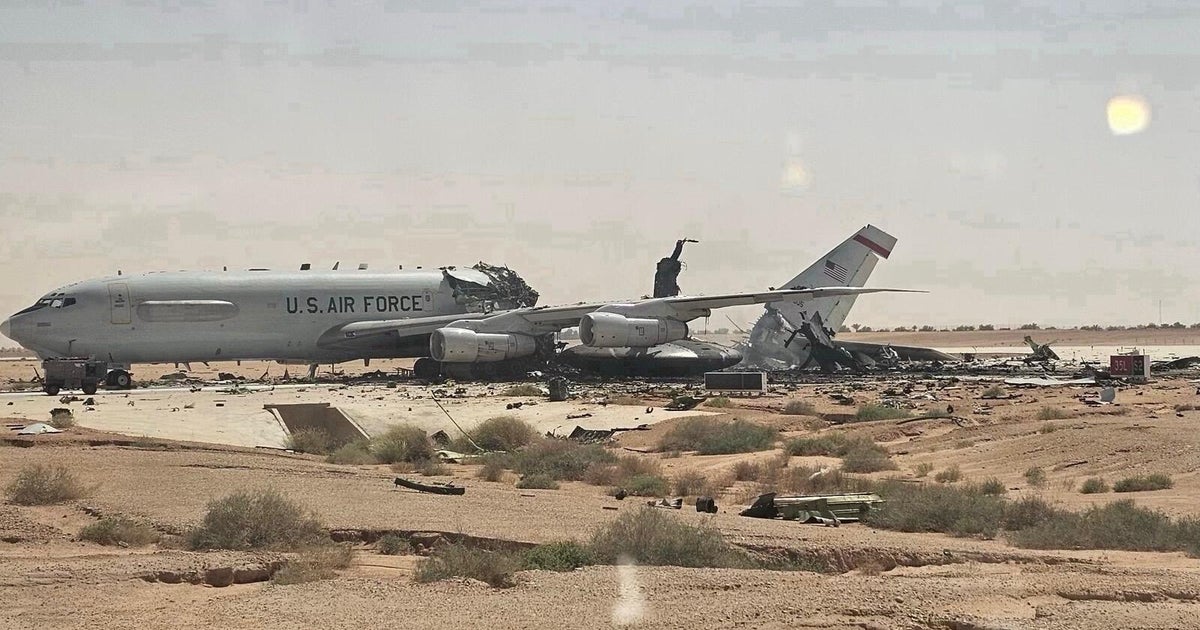
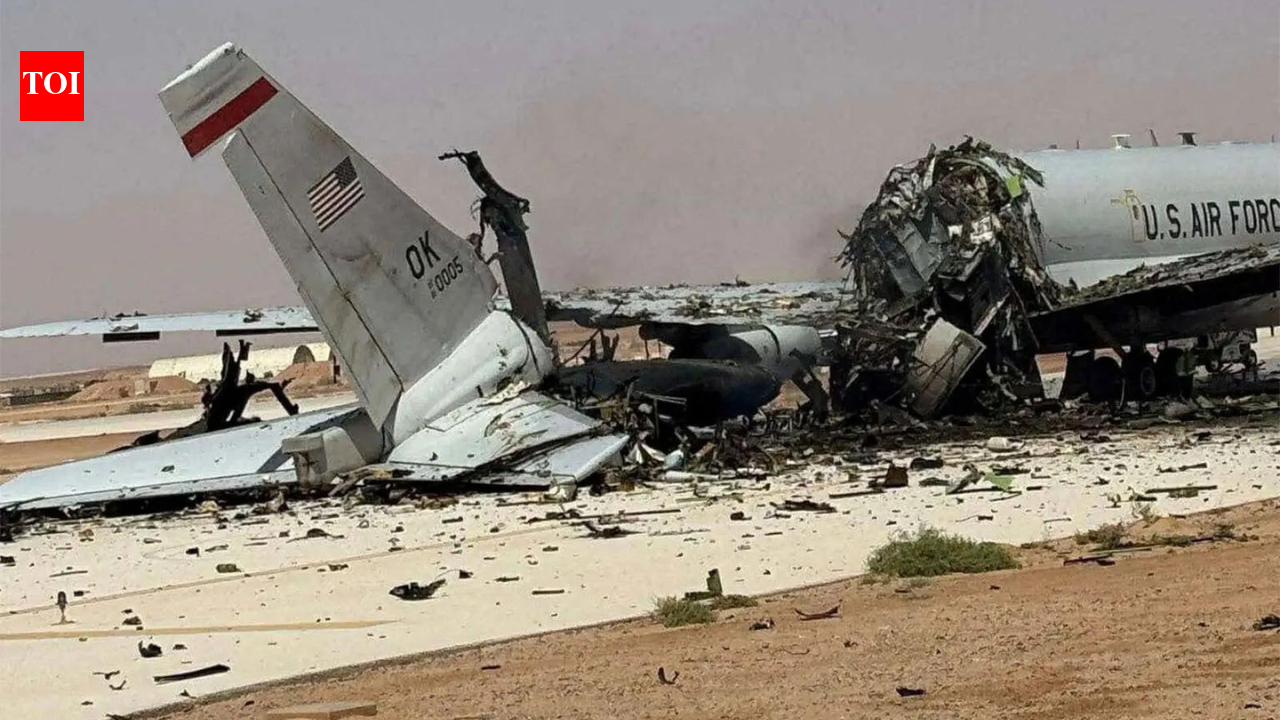
CBS News reports on extensive damage to U.S. military bases in Saudi Arabia and Kuwait from Iranian airstrikes, showing destroyed aircraft, buildings, and vehicles. The article highlights a $270 million E-3 Sentry spy plane among the damaged assets. Service members who provided images to CBS contradicted claims by Defense Secretary Pete Hegseth that only minor damage occurred, stating they are witnessing major destruction without adequate defense measures.
Written by the local model on 2026-09-16,
using this article's own text rather than the other coverage of the
same event (that is the story summary below).
Claims extracted
13
claim-shaped sentences
Uncertain
8%
1 of 13 hedged
Leaning
Leans left
of the writing, not the subject
Correction & hedging signals
58.8
corrections and hedging in what we collected;
not a measure of accuracy
Outlets on this story
21
Politics
Narrative spread
1
articles carrying this framing
Story summary
Summary of Iran-US War Developments
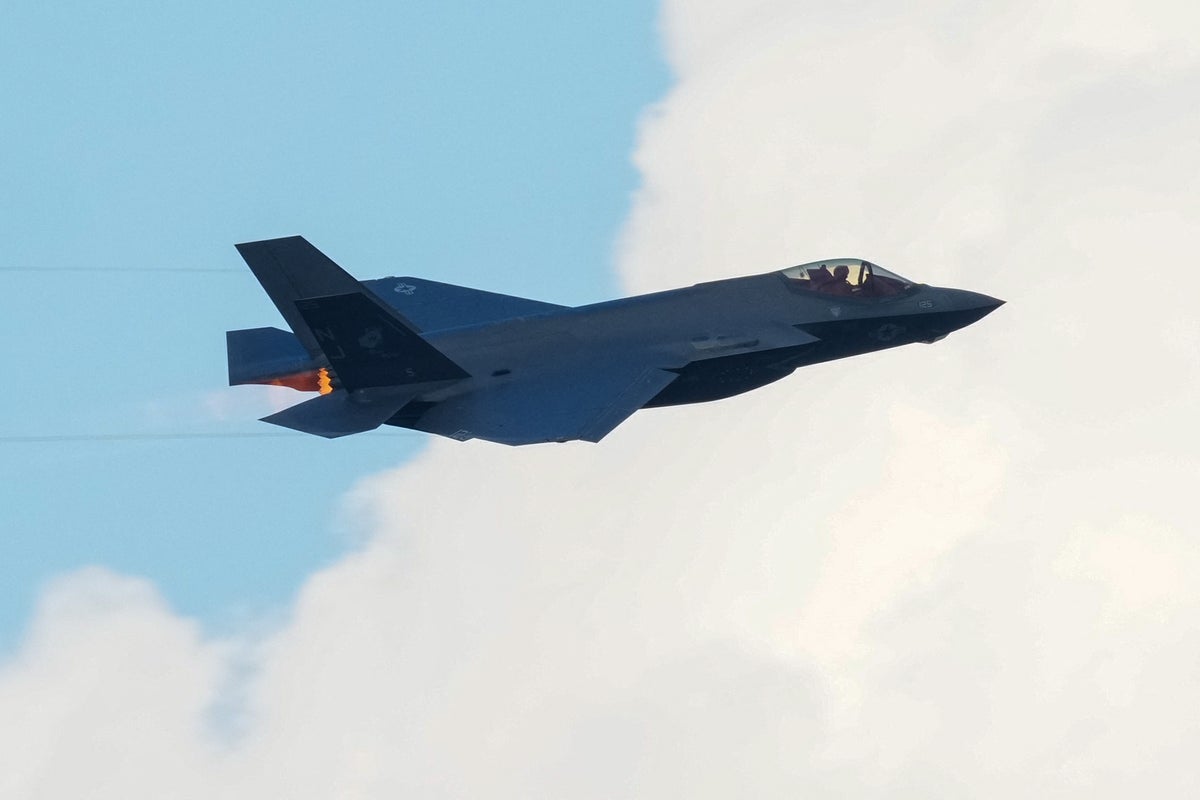
Between February 28 and June 30, the United States and Israel launched "Operation Epic Fury," a military campaign against Iran that cost an estimated $33.4 billion, with nearly $22.3 billion spent on munitions alone. The Pentagon's Inspector General report to Congress revealed significant challenges, including strategic inventory shortfalls and industrial bottlenecks in resupplying munitions. Iranian retaliatory strikes damaged or destroyed hundreds of buildings at U.S. bases across the Middle East, including up to 30 MQ-9 Reaper drones, four F-15 fighter jets, one F-35 jet, and seven KC-135 tanker aircraft.
President Donald Trump has dismissed concerns about munitions shortages, stating that the U.S. possesses "virtually unlimited" supplies of ammunition. However, Pentagon officials acknowledge significant expenditures in both personnel deployment and weaponry use, which have led to strategic inventory shortfalls and revealed industrial base bottlenecks for munitions resupply. The report highlights the need for streamlining procurement processes and stockpiling critical materials to prepare for potential future contingencies.
The cost of repairing damaged facilities and replacing lost or damaged aircraft is not included in the current estimate, indicating that the total financial impact could be even higher. Despite these challenges, U.S. officials maintain readiness for any potential contingency while considering diplomatic avenues to end hostilities with Iran. (Total cost: $33.4 billion; munitions expenditure: $22.3 billion)
Written for “Iran War Munitions Shortfall” on 2026-09-17,
grounded in this article and the 20 other(s) covering the same event.
Why this leaning score
The article's own words the score was based on. Each is quoted
verbatim and was checked against the article text before being
stored, so you can find it in the original.
Leaning score -0.45 for article 14022 (high confidence, 1 verified quote) · logged 2026-09-16
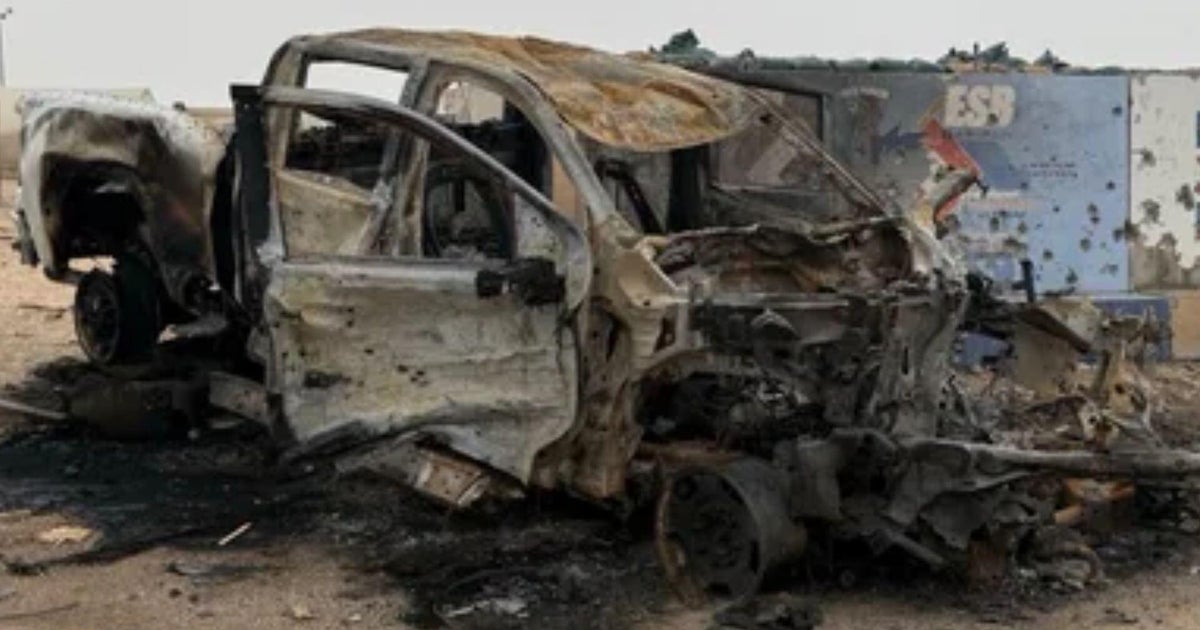
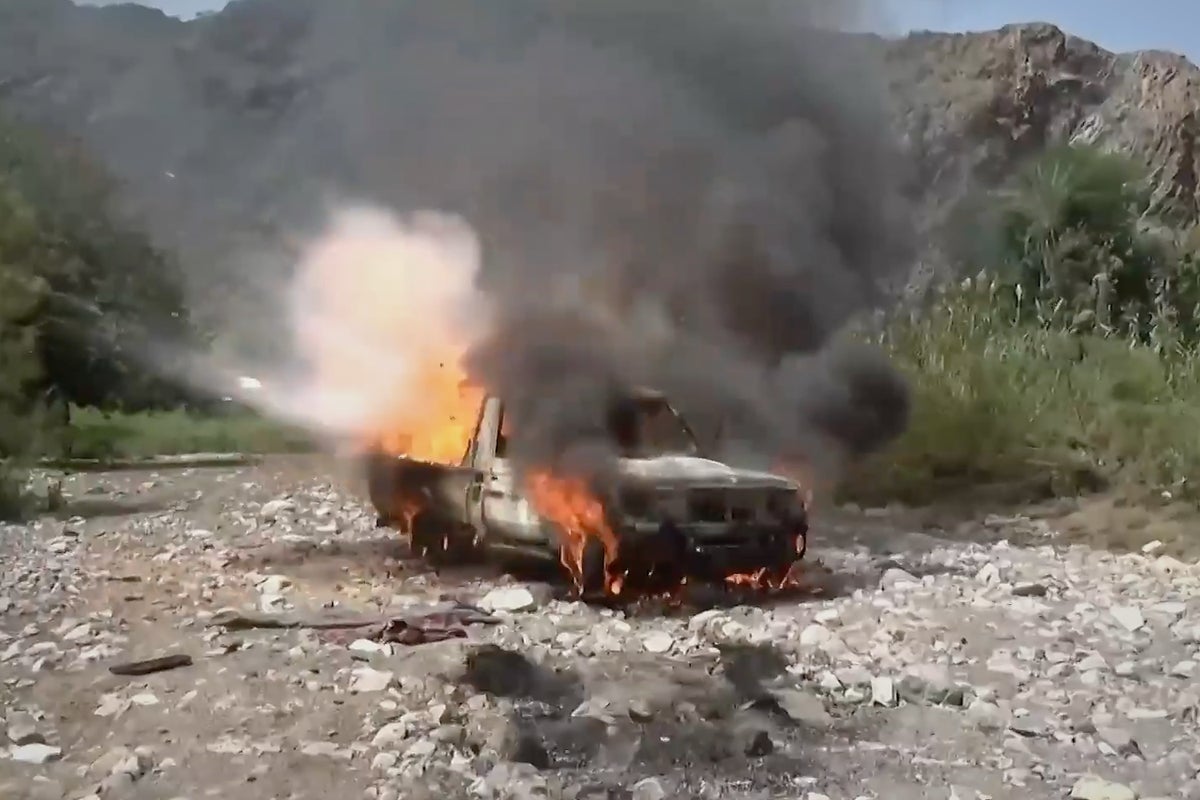
Images sent by active service members in Saudi Arabia and Kuwait depicted destroyed aircraft, collapsed camps, hollowed out buildings and charred vehicles following Iranian airstrikes throughout the course of the war, CBS News reported.
asserted
News → send → war
“This is major damage to our bases that hasn’t been communicated to the American public,” one service member told the outlet.
asserted
member → communicate → outlet
“We’re standing there with our eyes closed getting punched in the face.”
asserted
eyes → stand → face
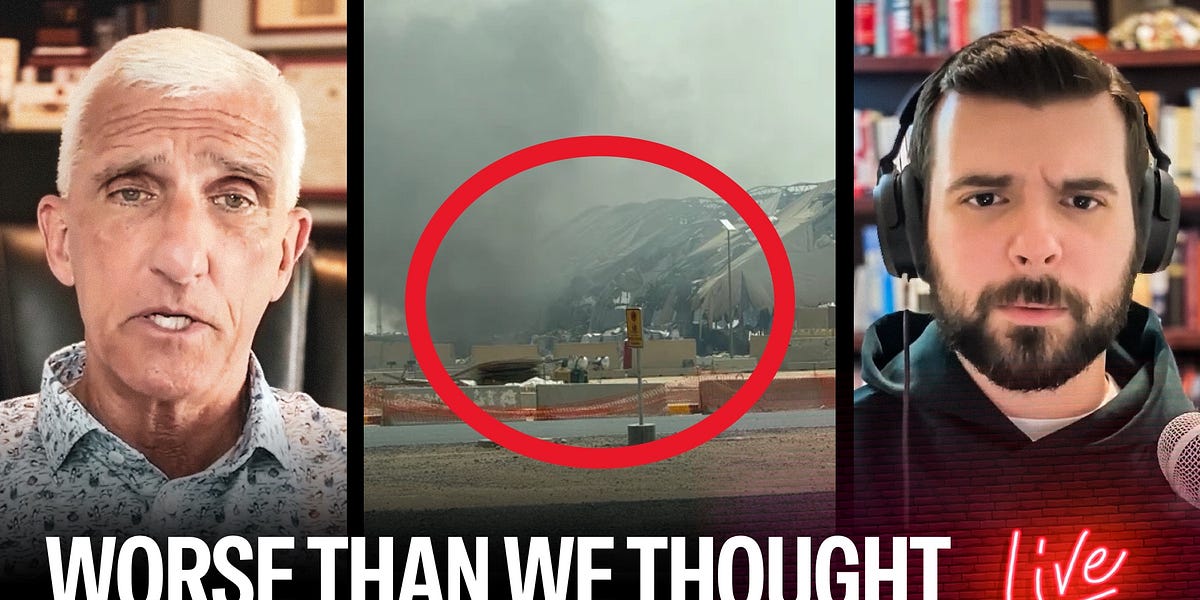
One of the photos captured the full damage of the $270 million American E-3 Sentry spy plane that was destroyed following an attack on Saudi Arabia’s Prince Sultan Air Force Base in March.
asserted
that → capture → March
At the time, the US Air Force had 16 aircraft in circulation, six of which were stationed at the airbase.
asserted
six → have → airbase
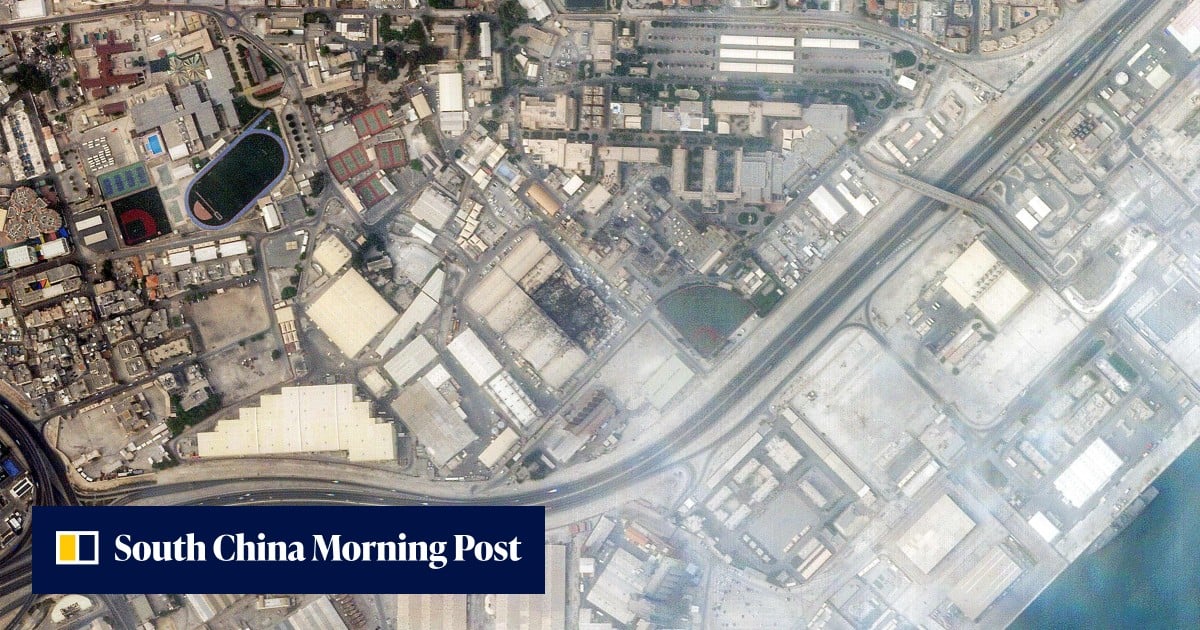
Images were also shared of destroyed trailers and cars at Camp Buehring and Camp Arifjan, in Kuwait, where US Army ground troops are stationed.
asserted
troops → share → Kuwait
Camp Arifjan is located just a few miles south of Port Shuaiba, the base where six US troops were killed by Iranian drones during the opening hours of the war.
asserted
troops → locate → war
One of the service members who confirmed that attacks also refuted Defense Secretary Pete Hegseth’s claim that only a few Iranian strikes were getting through American defenses.
uncertain
strikes → confirm → defenses
“We’re not defending these bases,” the soldier said.
asserted
soldier → defend → bases
“We’re just watching them get destroyed.”
asserted
them → watch → ?
US Central Command did not immediately respond to The Post’s request for comment.
asserted
Command → respond → comment
The report revealed that the total “equipment losses” in the conflict added up to about $3.7 billion, including nearly 60 aircraft.
asserted
losses → reveal → aircraft
The report, which also included input from the inspectors general for the State Department and the US Agency for International Development, put the total cost of the first four months of war alone at $33.4 billion, not including money spent on infrastructure repairs.
asserted
which → include → repairs
 The Aporia