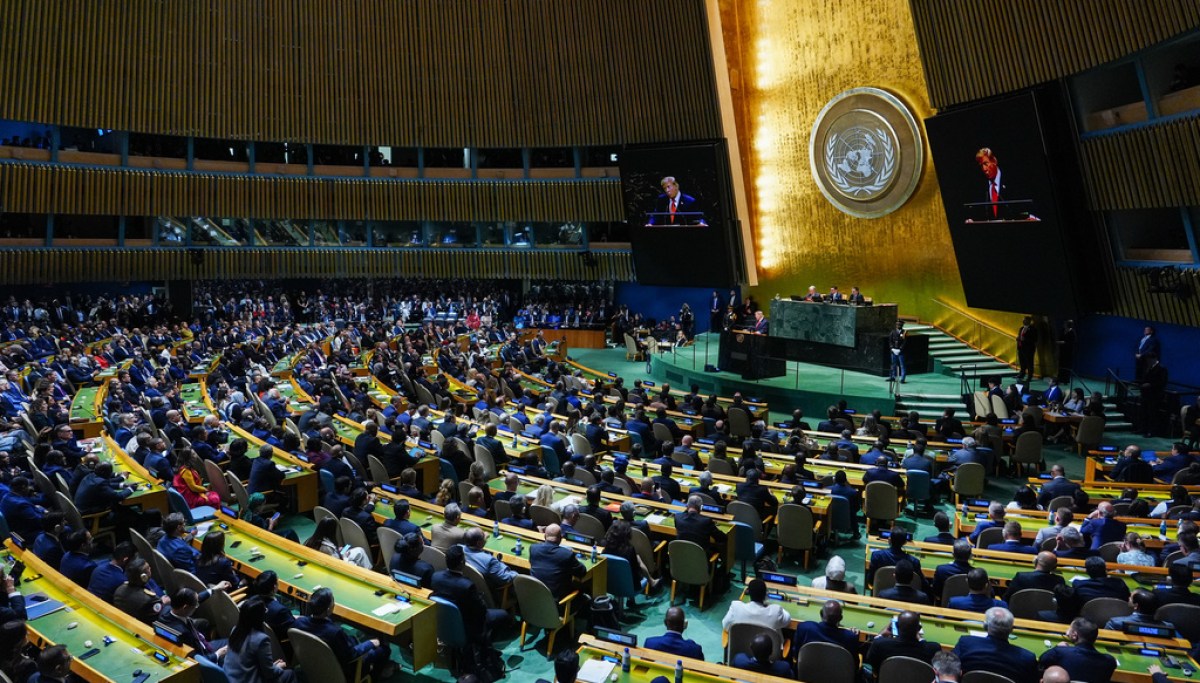
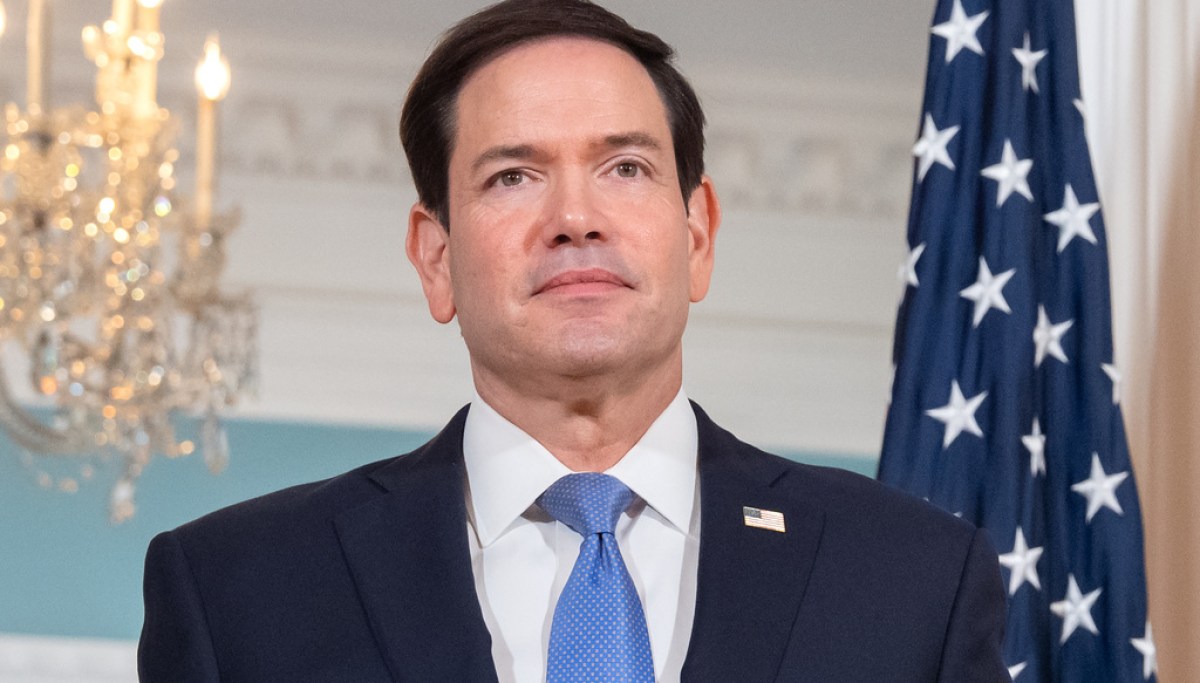
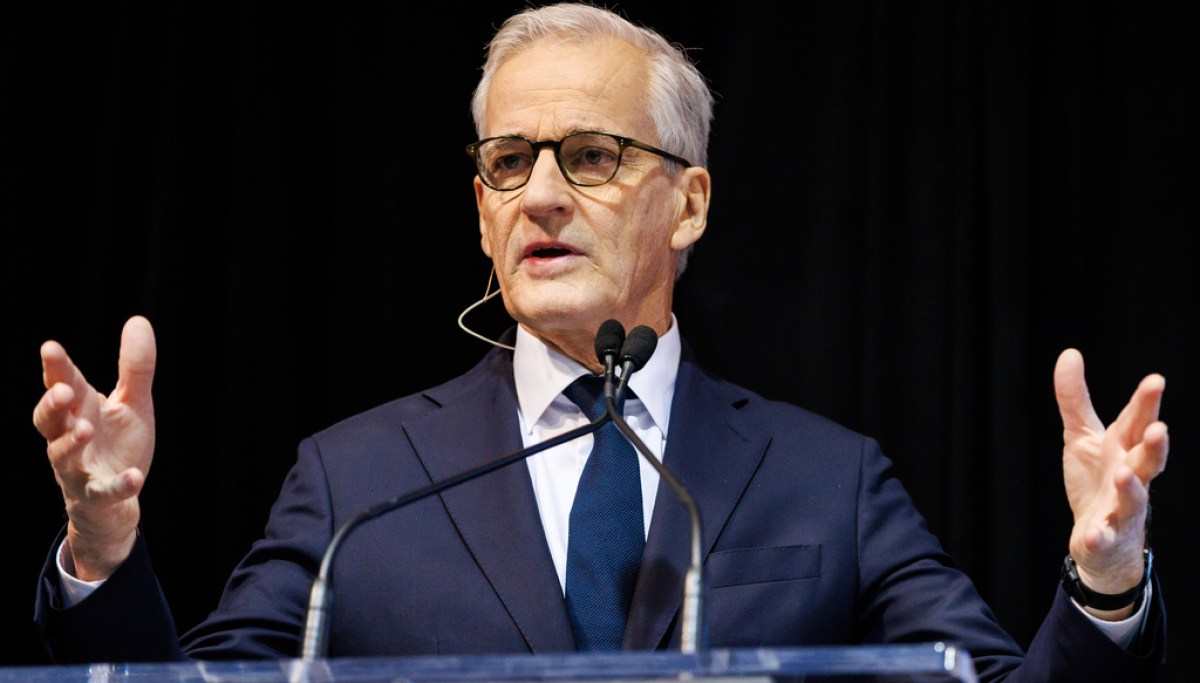
Photo via Washington Examiner

Where Abdul el Sayed should start his fight on genocide

Read the original at Washington Examiner ↗
Cite

Rubin, M. (2026, November 6). Where Abdul el Sayed should start his fight on genocide. Washington Examiner. https://www.washingtonexaminer.com/opinion/beltway-confidential/4793411/where-abdul-el-sayed-should-start-fight-genocide/

Dated from the outlet's own feed. Check the original for its byline.

Washington Examiner · collected 2026-11-06 · by Michael Rubin

Quick Summary

Sen.-elect Abdul el Sayed (D-MI) used his victory speech in Detroit to criticize the use of taxpayer money for purposes he deems unethical, such as supporting apartheid or genocide. The article suggests that during his campaign, El Sayed accused Israel of committing genocide in Gaza. It advises El Sayed to focus on addressing actual cases of apartheid and genocide rather than targeting Israel specifically if he wants to be seen as principled rather than driven by sectarian bias.
Written by AI on 2026-11-06, from this article's own text only (the story summary below draws on all the coverage).

AI analysis

Story summary

In his victory speech in Detroit on November 6, Sen.-elect Abdul el Sayed (D-MI) declared that the U.S. should not send money to support what he sees as apartheid, genocide, or war. El Sayed’s comments are widely interpreted as a critique of Israel, particularly its actions in Gaza. Throughout his campaign, El Sayed portrayed Israel as a boogeyman and accused it of committing genocide in Gaza. The Washington Examiner suggests that for El Sayed to be seen as principled rather than driven by sectarian animosity, he should focus on genuine issues of apartheid, genocide, and war beyond just targeting Israel.

Written for “Abdul El-Sayed Genocide Fight” on 2026-11-06, grounded in this article and the 0 other(s) covering the same event.

Story

📰 Abdul El-Sayed Genocide Fight
Politics · 1 article(s) covering the same event.

Compared with similar articles

This article reads leans right and hedges 67% of its claims. Each row says how that neighbour differs.
NPR
⚖️ Leans left further left than this Hedges 0 of 18 claims Outlet record 60/100
“While both articles discuss Abdul El-Sayed's stance on Israel, they describe different aspects: Article A covers his reaction to Trump's plan to cut aid and calls for ending arms sales, while Article B focuses on a statement made in his victory speech after winning the election.”
The Intercept
⚖️ Leans left further left than this Hedges 6 of 47 claims Outlet record 97/100
“Article A describes the ongoing bigotry against Abdul El-Sayed during the election campaign, while Article B reports on his victory speech after winning the election.”
Fox News
Hedges 1 of 60 claims Outlet record 67/100
“Article A discusses Pastor Corey Brooks' critique of Abdul El-Sayed's campaign in Michigan, while Article B covers El-Sayed's victory speech after winning the election. These are different events occurring at distinct times.”
The Intercept
⚖️ Leans left further left than this Hedges 3 of 68 claims Outlet record 97/100
“While both articles discuss Abdul El-Sayed's victory and his stance on Israel, Article A is more focused on the broader implications of his election, while Article B specifically references his victory speech in Detroit. This suggests different but related events or analyses.”
Al Jazeera
⚖️ Leans left further left than this Hedges 2 of 44 claims Outlet record 60/100
“While both articles relate to Abdul El-Sayed's victory in the Senate race, Article A describes the election result itself and its significance, while Article B focuses on El-Sayed's post-election speech and his subsequent declarations.”
Fox News
Hedges 2 of 12 claims Outlet record 67/100
“While both articles reference Abdul El-Sayed's victory speech, they describe different aspects of it: Article A focuses on his mocking of Trump and opponents, while Article B emphasizes El-Sayed's comments about apartheid, genocide, and war.”
The Guardian
⚖️ Leans strongly left further left than this Hedges 0 of 33 claims Outlet record 65/100
“Article A discusses the context and implications of Abdul El-Sayed's victory in a Michigan Senate race, while Article B refers to his victory speech after winning the election. Although they are related, they describe different specific moments.”
Al Jazeera
⚖️ Leans left further left than this Hedges 3 of 75 claims Outlet record 60/100
“While both articles reference Abdul El-Sayed's victory in Michigan’s Senate race, Article A focuses on his election win and its significance, while Article B discusses his subsequent speech and political stance.”
Al Jazeera
⚖️ Leans strongly left further left than this Hedges 4 of 51 claims Outlet record 60/100
“While both articles refer to Abdul El-Sayed's election victory in Michigan, Article A focuses on Trump and Vance's derogatory comments during the campaign period, whereas Article B discusses El-Sayed's declaration after winning the election.”
BBC News
⚖️ Leans left further left than this Hedges 1 of 42 claims Outlet record 66/100
“Article A describes El-Sayed's interaction with JD Vance at a Democratic Party victory rally, while Article B covers El-Sayed's victory speech at his campaign headquarters, addressing different events.”
How this article was measured signals, leaning charts, publisher record, byline, topics and claims

Signals How these are calculated →

Claims extracted
3
sentences that state something as happening or true
Uncertain
67%
2 of 3 hedged ("reportedly", "may", "according to")
Leaning
Leans right
of the writing, not the subject · beta estimate
Publisher signals
68/100
Washington Examiner's corrections and hedging, across everything collected from it. Not a measure of accuracy.
Outlets on this story
1
Politics
Same framing elsewhere
1
articles that frame the event the way this one does
Analyzed 2026-11-06 · how these are computed

How this is being covered How these are calculated →

Article leaning vs. publisher reliability
Source leaning vs. consistency

Publisher

Washington Examiner · 4413 article(s) · 9 correction(s) detected
Running correction rate · 9 correction(s)

Who wrote this

Michael Rubin
6 article(s) here · 1 carrying a prediction
🔮 El Sayed might have wanted to throw shade at Israel, which, throughout his campaign, he made out to be a boogeyman as he spread the blood libel of a Gaza genocide.
2026-11-06 · speculative framing · Where Abdul el Sayed should start his fight on genocide
🔮 Current U.N. chief Antonio Guterres has taken about 190 official trips spanning nearly 900 days — the figure would be even higher without a dip during the COVID-19 pandemic.
🔮 How far will the U.S. go to defend Taiwan against a blockade or an invasion?
2026-10-08 · mixed framing · Will Ethiopia be the next 3 a.m. call?
🔮 Secretary of State George Shultz famously would ask ambassador-nominees to find their country on a globe, and woe to anyone who did not point to the U.S. Rubio and Landau should go further, though.
🔮 He was arrested in May 1945.
🔮 Within just a few years, he would openly use chemical weapons against his own people.
Also by Michael Rubin
Will Ethiopia be the next 3 a.m. call?
2026-10-08 · Washington Examiner
Nothing else under this byline is closely related to this article, so these are simply their most recent.
All 6 articles by Michael Rubin →

Topics

Detroit Gaza Israel

Subjects

El Sayed PERSON · 2× Abdul el Sayed PERSON · 1× Detroit GPE · 1× Gaza GPE · 1× Israel GPE · 1×

Narrative

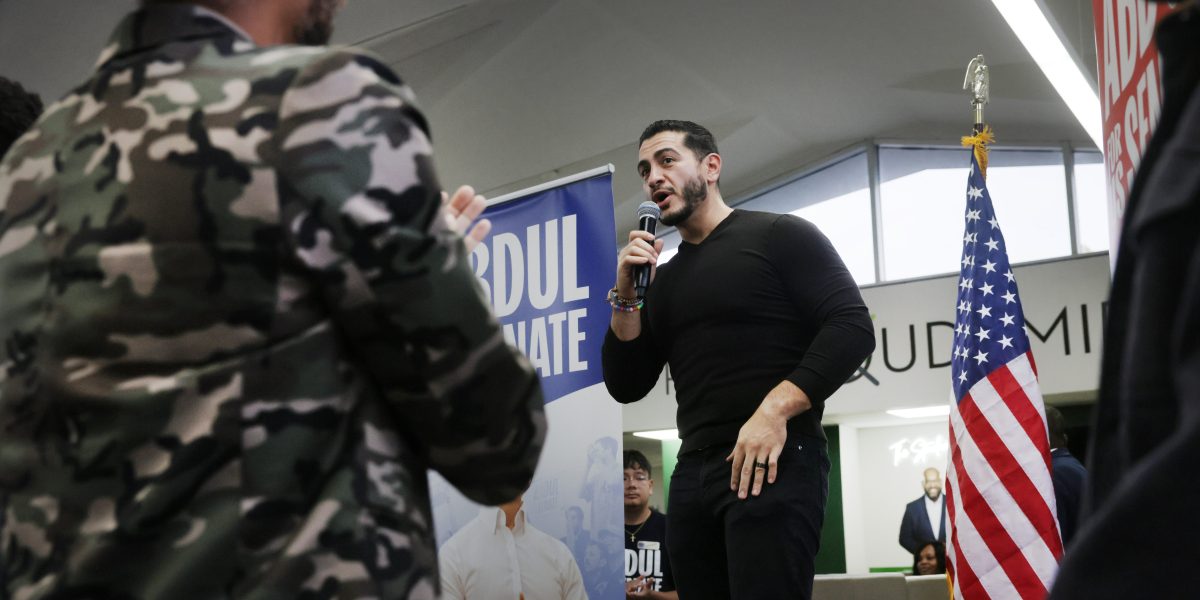
In his victory speech at his campaign headquarters in Detroit, Sen.-elect Abdul el Sayed (D-MI) declared, “We don’t want our money sent to do apartheid, or genocide, or war.”
framing: speculative · carried by 1 article(s) · first seen 2026-11-06
🔮 El Sayed might have wanted to throw shade at Israel, which, throughout his campaign, he made out to be a boogeyman as he spread the blood libel of a Gaza genocide.
2026-11-06 · Washington Examiner
Where Abdul el Sayed should start his fight on genocide · speculative framing

Claims (3 extracted, 2 hedged)

In his victory speech at his campaign headquarters in Detroit, Sen.-elect Abdul el Sayed (D-MI) declared, “We don’t want our money sent to do apartheid, or genocide, or war.” asserted
money → declare → apartheid
El Sayed might have wanted to throw shade at Israel, which, throughout his campaign, he made out to be a boogeyman as he spread the blood libel of a Gaza genocide. uncertain
he → want → genocide
If el Sayed wishes to define himself as a man of principle rather than sectarian hatred, though, he might make good on his promise to target real apartheid, genocide, and war. uncertain
he → wish → apartheid
💬Give feedback · no sign-in needed

No sign-in needed for now. Your note is sent without a name, so it cannot be answered.

🕘History 🎫Support