Photo via Reason

Data Center Bans Won't Stop AI. They'll Barely Slow It Down.

Read the original at Reason ↗
Cite

Thallam, S. (2026, October 30). Data Center Bans Won't Stop AI. They'll Barely Slow It Down. Reason. https://reason.com/2026/10/30/data-center-bans-wont-stop-ai-theyll-barely-slow-it-down/

Dated from the outlet's own feed. Check the original for its byline.

Reason · collected 2026-10-30 · by Satya Thallam

Quick Summary

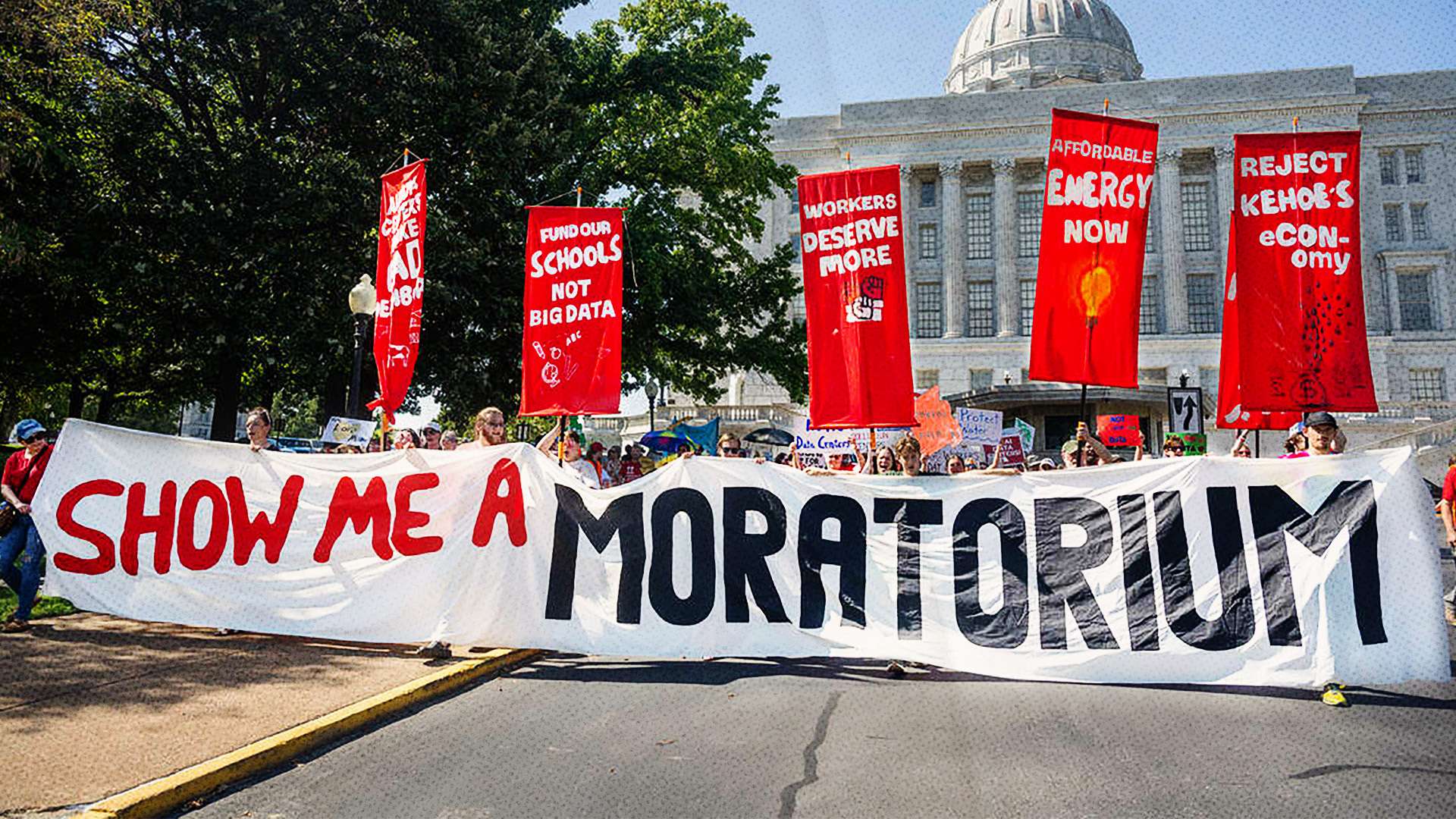
Public concern over AI's impact has surged ahead of midterms, with 57 percent of Americans viewing AI negatively and 66 percent opposing new data center construction. Politicians from both sides have responded with proposals to restrict data centers, but experts like Princeton’s Arvind Narayanan argue such measures would barely dent AI progress. He calculates that a one-year moratorium on data center construction in typical states would slow AI by only five to ten hours nationally, reducing to less than a day for larger states if builders simply relocate abroad. The article suggests that while local policies might slightly hinder growth, broader restrictions on GPU upgrades in existing centers are the only effective measures, and these are not being seriously considered.
Written by AI on 2026-10-30, from this article's own text only (the story summary below draws on all the coverage).

AI analysis

Story summary

As of October 30, 2026, a significant majority of Americans view artificial intelligence (AI) negatively, with 57 percent believing it is bad for society according to an ABC News/Washington Post/Ipsos poll. This sentiment has led politicians across the political spectrum to propose policies restricting data center construction, despite expert claims that such measures would have minimal impact on AI development. In August 2026, Arvind Narayanan, director of the Princeton Center for Information Technology Policy and co-author of "AI Snake Oil: What Artificial Intelligence Can Do," stated that a moratorium on data centers would barely slow down AI progress. Public concern has grown since July when 39 percent of Americans thought AI did more harm than good, up from 31 percent in 2025.

Written for “Data Center Bans Debated” on 2026-10-30, grounded in this article and the 0 other(s) covering the same event.
Why this leaning score
The article's own words the score was based on. Each is quoted verbatim and was checked against the article text before being stored, so you can find it in the original.
Reading Leans right (beta estimate) Confidence medium 1 quote(s) discarded as not found in the article
Leaning: leans right for article 117426 (medium confidence, 1 verified quote) · logged 2026-10-30

Story

📰 Data Center Bans Debated
Technology · 1 article(s) covering the same event.

Compared with similar articles

This article reads leans right and hedges 18% of its claims. Each row says how that neighbour differs.
The Intercept
⚖️ Leans strongly left further left than this Hedges 9 of 79 claims Outlet record 97/100
“The articles discuss different aspects of AI's impact on public opinion and midterm elections, without clearly describing the same specific incident.”
Semafor
Hedges 0 of 7 claims Outlet record 60/100
“The articles discuss different aspects of AI regulation and public perception, without reporting on a single specific incident.”
Semafor
⚖️ Leans left further left than this Hedges 0 of 5 claims Outlet record 60/100
“The articles discuss related topics but describe different aspects of the AI regulatory push and public sentiment, rather than the same specific incident or time.”
The Independent
⚖️ Leans left further left than this Hedges 3 of 21 claims Outlet record 59/100
“Article A reports on upcoming ballot initiatives regarding data center development, while Article B discusses broader public sentiment and voter concerns about AI.”
Fox News
⚖️ Leans right Hedges 0 of 45 claims Outlet record 70/100
“The articles discuss different aspects of data centers and AI in politics, rather than a single specific incident.”
How this article was measured signals, leaning charts, publisher record, byline, topics and claims

Signals How these are calculated →

Claims extracted
22
sentences that state something as happening or true
Uncertain
18%
4 of 22 hedged ("reportedly", "may", "according to")
Leaning
Leans right
of the writing, not the subject · beta estimate
Publisher signals
67/100
Reason's corrections and hedging, across everything collected from it. Not a measure of accuracy.
Outlets on this story
1
Technology
Same framing elsewhere
1
articles that frame the event the way this one does
Analyzed 2026-10-30 · how these are computed

How this is being covered How these are calculated →

Article leaning vs. publisher reliability
Source leaning vs. consistency

Publisher

Reason · 1030 article(s) · 4 correction(s) detected
Running correction rate · 4 correction(s)

Who wrote this

Satya Thallam
1 article(s) here · 1 carrying a prediction
🔮 However, even a full e-brake on data center construction would do little to stop AI progress.
The only article under this byline in the corpus.

Topics

ABC News Americans Gallup Narayanan Washington Post

Subjects

Americans NORP · 3× Narayanan ORG · 2× ABC News ORG · 1× Arvind Narayanan PERSON · 1× Gallup ORG · 1× Ipsos ORG · 1× U.S. GPE · 1× Washington Post ORG · 1× the Princeton Center for Information Technology Policy ORG · 1× the United States GPE · 1×

Narrative

In August, Arvind Narayanan, director of the Princeton Center for Information Technology Policy and co-author of AI Snake Oil: What Artificial Intelligence Can Do, What It Can't, and How to Tell the Difference, claimed that a data center moratorium would basically not slow AI development at all.
framing: assertive · carried by 1 article(s) · first seen 2026-10-30
🔮 However, even a full e-brake on data center construction would do little to stop AI progress.
2026-10-30 · Reason
Data Center Bans Won't Stop AI. They'll Barely Slow It Down. · assertive framing

Claims (22 extracted, 4 hedged)

With a contentious midterm election less than a week away, one cause has unified voters and candidates across the political spectrum: slowing down AI. asserted
cause → unify → AI
A friend of mine who directs tens of millions of dollars in midterm election spending says he's never seen voter salience of an issue—AI, broadly—increase so quickly. asserted
salience → direct → issue
In July, Gallup found that 39 percent of Americans thought AI does more harm than good, up from 31 percent in 2025. asserted
AI → find → 2025
Only 9 percent of Americans, meanwhile, thought the technology did more good than harm (down from 12 percent last year). asserted
technology → think → percent
Public sentiment has since soured even more. asserted
sentiment → sour → ?
An October ABC News/Washington Post/Ipsos poll found that 57 percent of Americans think AI is bad for society, while a staggering 66 percent said they opposed new data center construction in the United States. asserted
they → find → States
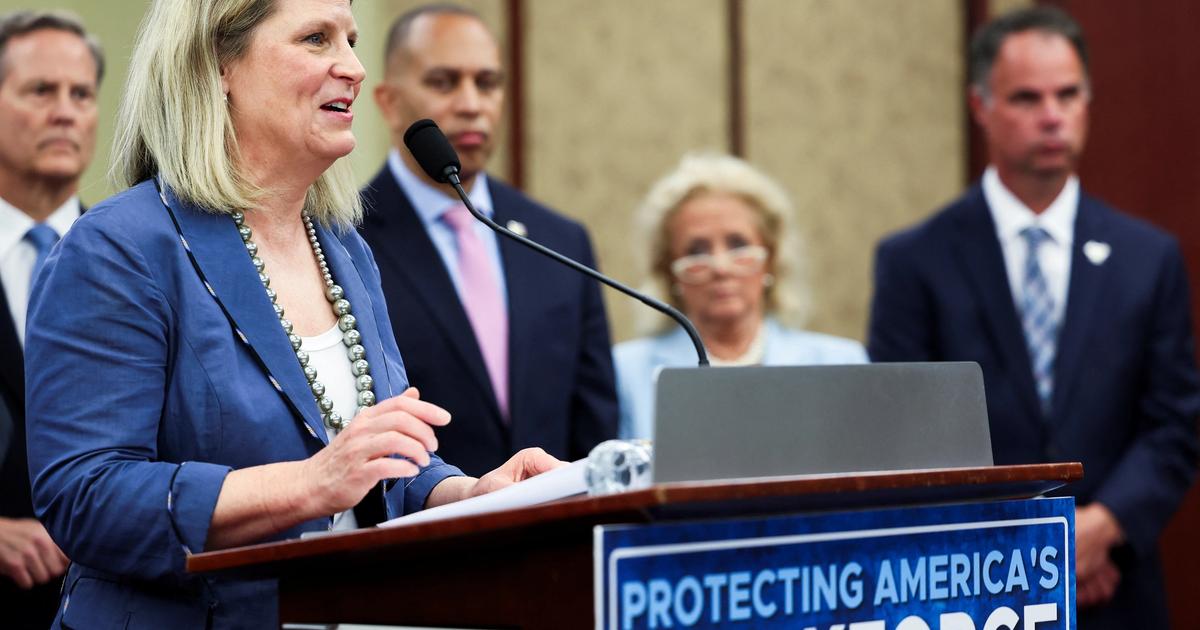
Politicians on the left and right have seized on this political sentiment and offered their own data center stiff-arm policy du jour. asserted
Politicians → seize → policy
However, even a full e-brake on data center construction would do little to stop AI progress. asserted
brake → do → progress
In August, Arvind Narayanan, director of the Princeton Center for Information Technology Policy and co-author of AI Snake Oil: What Artificial Intelligence Can Do, What It Can't, and How to Tell the Difference, claimed that a data center moratorium would basically not slow AI development at all. asserted
moratorium → do → development
Using a back-of-the-envelope calculation, he concluded (under some reasonable assumptions) that a one-year data center moratorium in a "typical U.S. state" would slow down AI progress nationally by only five to 10 hours. asserted
moratorium → use → hours
Assuming that at least half of data center developers would avoid a moratorium by building their facilities elsewhere, a one-year freeze on construction in larger states like New York would set AI in America back by less than one day, according to Narayanan. uncertain
freeze → assume → Narayanan
My own modeling of this question reaches essentially the same conclusion as Narayanan's, but rather than assuming computing power will continue growing at its current rate, it treats future growth as dependent on how much computing capacity gets built. asserted
capacity → reach → growth
I considered three theoretical policy regimes: a full stop on new data center construction and on replacement of depreciated graphics processing units (GPUs); a full stop on new data center construction only; and no restrictions whatsoever. asserted
I → consider → construction
The point is that, as a federal policy, standing athwart data centers yelling "Stop!" doesn't accomplish the outcomes that moratorium-ites claim to want. uncertain
ites → stand → that
And, while some local policies could slightly impede center growth, the only way to hamper the progress of frontier models would be to enact an extremely draconian policy regime—one that goes beyond moratoriums for new data centers and prohibits GPU upgrades in existing facilities—which no one is actually proposing or close to implementing. uncertain
one → impede → which
What does this all tell us about where advocates of any stripe should put their efforts? asserted
advocates → tell → efforts
For those in favor of accelerating AI, on the one hand, it provides comfort in that data center construction, even in the extreme, is not a binding constraint to AI advancement. asserted
construction → accelerate → advancement
But on the other hand, the political energy currently concentrated on mobilizing the backlash won't stay focused there forever; an issue where more than two-thirds of people are even tangentially opposed to your "side" is not one that easily disappears. asserted
that → concentrate → side
For doomers, it means if the goal is a "pause" of some sort on the ability of AI technology to, say, replace you in your job, targeting data center construction isn't the best way to go about it. asserted
targeting → mean → it
It may be a useful galvanizing node in the broader policy fight, but don't expect it to cause any meaningful change in the current trajectory—whatever you believe that to be. uncertain
that → galvanize → trajectory
The ineffectiveness of data center moratoriums doesn't make the policy on its own more or less optimal. asserted
policy → make → own
But if the data center protests are a proxy for broader AI-induced anxiety about large language models crowding out human pursuits, causing unemployment, or destroying the environment, protestors will need to find another leverage point. asserted
protestors → induce → point

💬Give feedback
🕘History 🎫Support