Patty Spillman and Jen Belt drive through the outskirts of Grove City, Ohio, mapping the battle lines of a war they’ve waged for months.
asserted
they → drive → months
Pointing out the window of Belt’s blue Chrysler mini-van, Spillman notes the precise borders of a proposed 310-acre data-center campus.
asserted
Spillman → point → campus
She singles out the electrical substation and towering power lines, and recounts the personal histories of neighbors who got offers to sell their land to Headwaters Site Development, the Texas-based company proposing to construct a cloud-computing storage facility on this patch of rural farmland about 10 miles outside Columbus.
asserted
who → single → Columbus
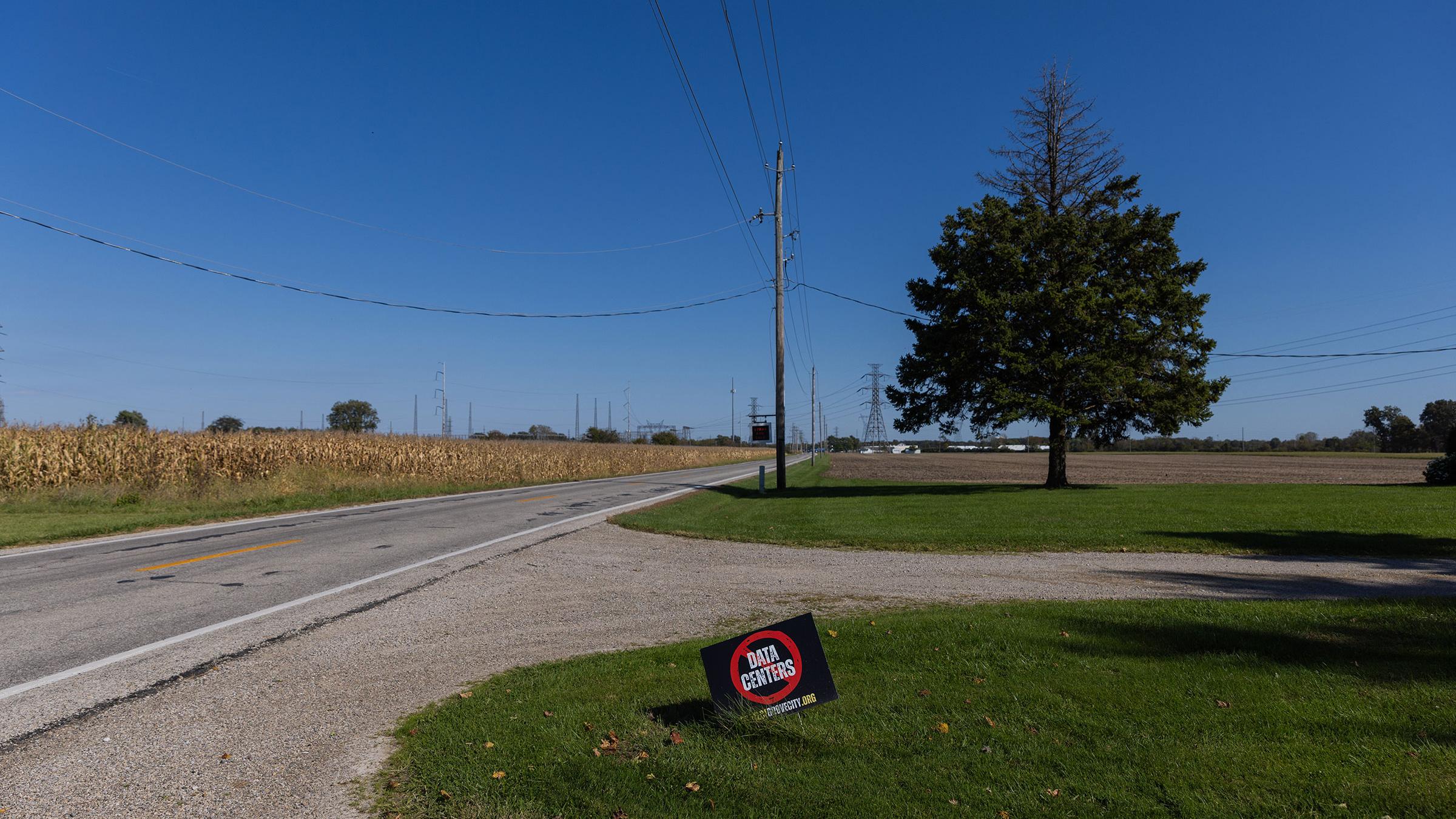
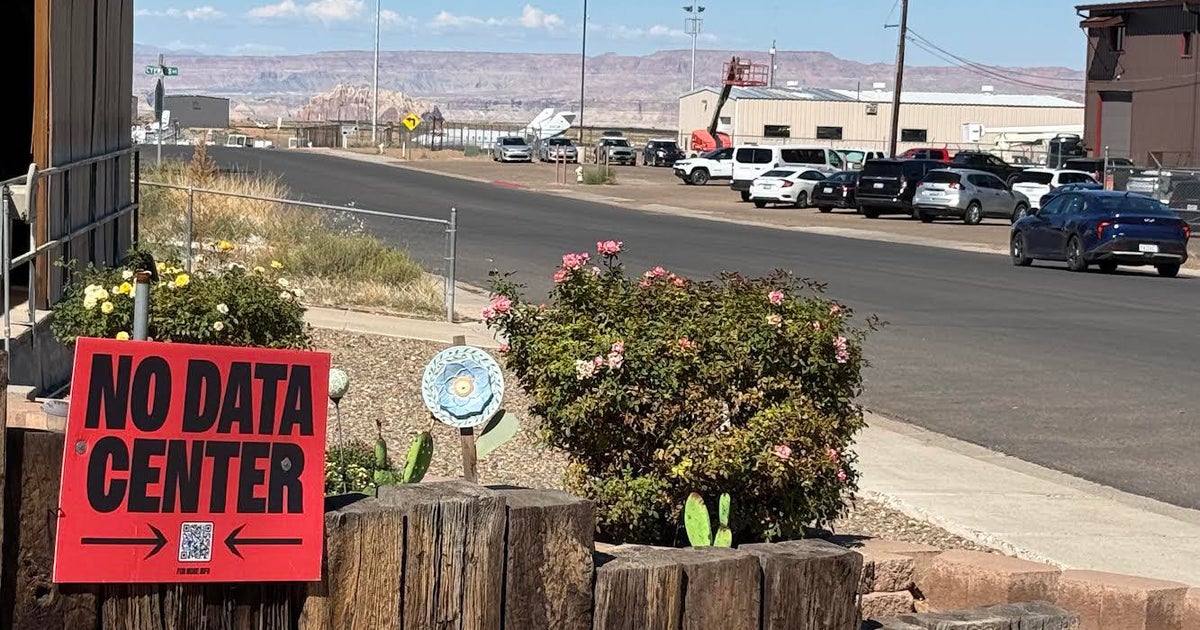
In between fields of drying corn-stalks and short rows of soybeans, some farmers have planted “no data center” signs on their lawns.
asserted
farmers → dry → lawns
Spillman’s 165-year-old farm sits across the street from the proposed complex.
asserted
farm → sit → complex
A soft-spoken retired bus driver, Spillman, 63, is a Republican who voted for President Donald Trump three times.
asserted
who → vote → Trump
For months, they’ve co-led a group called Protect Grove City, which mobilized a community effort to thwart the proposed data center.
asserted
which → co → center
The residents’ concerns are legion: water usage, noise and environmental concerns, energy costs, the cloak of secrecy hanging over the project.
asserted
concerns → hang → project
What if we don’t want you here?” says Spillman, whose mother-in-law turned down an above-market offer from Headwaters of around $1.5 million for 30 acres of land.
asserted
mother → want → land
Community pushback prompted the Grove City council to pass a yearlong moratorium on data-center construction.
asserted
pushback → prompt → construction
In November, Grove City residents will vote on a proposal to go even further, making all large developments subject to voter approval.
asserted
developments → vote → approval
The issue has upended the intimate politics of this conservative community of 45,180.
asserted
issue → upend → 45,180
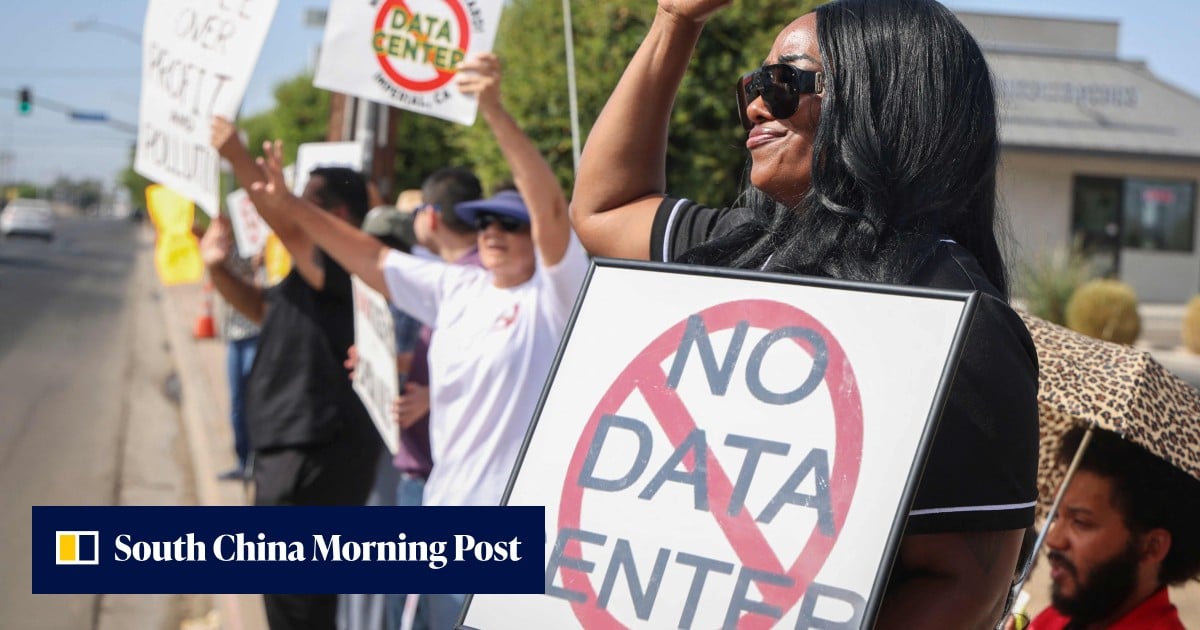
Community Facebook groups are filled with bickering, angry residents have filled council meetings, and activists
asserted
residents → fill → meetings
Grove City’s longtime mayor, Richard “Ike” Stage, and other local leaders have fought against their efforts, saying the ballot initiative to restrict development would hurt economic growth.
asserted
initiative → fight → growth
The fervor against data centers is spreading across the state.
asserted
fervor → spread → state
Ohio has some 200 data centers, making it one of the biggest hubs in the country.
asserted
it → have → country
In a former swing state that went red in the Trump era, Republicans admit the groundswell of political opposition to data centers has created a political opening for Ohio Democrats in the upcoming midterm elections.
asserted
groundswell → go → elections
“I’m as Republican as they get, but it’s going to be a tough year for Republicans in the state of Ohio,” says Nick Owens, a former county GOP chair and Trump delegate at the 2024 Republican National Convention.
asserted
Owens → ’m → Convention
Owens is now working with the anti-data-center group Conserve Ohio.
asserted
Owens → work → group
“I can get on my phone right now and text or call 10 or 12 people from 10 different corners of the state, from all different political backgrounds, from all different socio-economic backgrounds,” Owens says, “because we’re all united about this.”
asserted
we → get → this
A national Gallup poll published in May found that more than 70% of voters oppose building an AI data center in their area.
uncertain
% → publish → area
In Ohio, where the average household’s electric bill climbed some 15% in the past year and more than 66% over the past decade, the sentiment is even more negative.
asserted
sentiment → climb → decade
A September survey by Bowling Green State University found that nearly 80% of Ohioans support a moratorium on data centers.
asserted
% → find → centers
More than 100 local governments in Ohio have reportedly enacted data-center moratoriums; in November, at least 10 will vote on adding a data-center ban to their charters, while two others will decide whether to recall mayors who cut data-center deals.
uncertain
who → enact → deals
In the eyes of opponents, the facilities—and the powerful AI industry that backs them—have come to represent an attack on their safety, jobs, pocketbooks, and quality of life.
asserted
that → back → life
It’s not clear just how potent the issue will be at the polls in November.
asserted
issue → ’ → November
By themselves, data centers don’t rank as a top-tier national campaign issue, according to voters—in a recent Pew Research Center survey, the economy, the future of democracy, health care, education, and immigration made up the top five.
uncertain
economy → rank → five
But Democratic candidates have sought to connect data centers to many of those themes.
asserted
candidates → seek → themes
They’re promising to ease affordability concerns by cracking down on high electricity bills through data-center restrictions, pledging to strengthen democracy by fighting Silicon Valley’s opaque deals to get facilities built, casting AI companies as puppet masters in an unequal economy, and painting their political rivals as corrupt leaders seeking to curry favor from powerful companies.
asserted
facilities → promise → companies
This election cycle, $137.6 million has been spent on broadcast ads about data centers, with Democrats making up 77% of that estimated spending, according to the analytics firm AdImpact.
uncertain
Democrats → spend → firm
Some Democrats believe data centers could be a decisive issue in tight races, especially in red states like Texas, Iowa, and Ohio.
uncertain
centers → believe → Texas
In those states and others, voters have told pollsters they trust Democrats more on the issue.
asserted
they → tell → issue
President Donald Trump has positioned himself as one of the industry’s biggest champions, deriding opponents of data centers as “backwards and poor.”
asserted
Trump → position → centers
The wave of populist anger has “become the one thing that unites Americans right now,” says Megan Mullin, a UCLA political-science professor.
asserted
Mullin → become → Americans
“They connect to bigger themes that are becoming really important in American politics—around affordability, around energy affordability, around suspicion and discomfort about AI, about populist resistance to the accumulation of wealth and tech titans.
asserted
that → connect → wealth
In early October, Don Leonard, the Democratic candidate in Ohio’s 15th Congressional District, arrives at the Schmidlapp Free School Library in Piqua.
asserted
Leonard → arrive → Piqua
The space is decorated for fall with artificial flowers, and filled with activists and community leaders ready to detail the latest data-center controversy.
Meta, which has been rapidly building out its data-center infrastructure to fuel its AI push, made plans to erect a $1 billion campus in the area.
asserted
which → decorate → area
The company hashed out the deal in secret last year, according to city documents and news reports, using a private LLC and nondisclosure agreements with local officials.
uncertain
company → hash → officials
After Meta was outed as the company behind the data center, the social media giant and Piqua government officials said the project would bring economic investment to the region.
asserted
project → out → region
In a statement, Meta told TIME the company is reviewing its use of nondisclosure agreements.
asserted
company → tell → agreements
…and 90 more, not listed.
 The Aporia