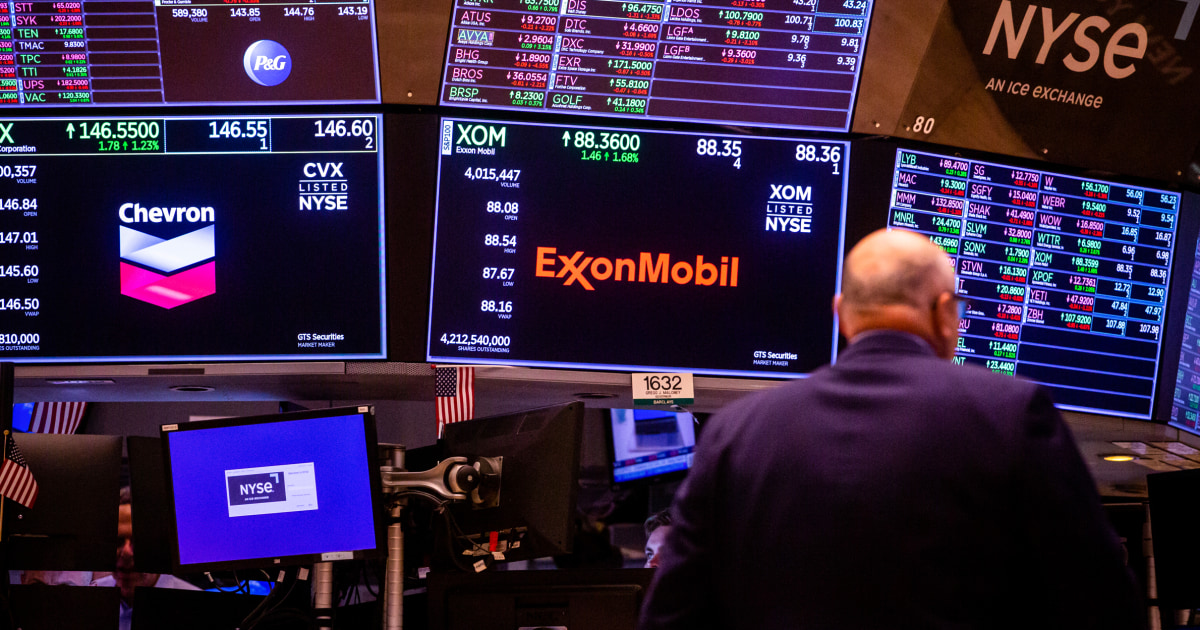
United States oil companies have earned more than $130bn in profits during the war on Iran, even as consumers pay much higher prices for key commodities, amid fears that US President Donald Trump may renew fighting after midterm elections.
uncertain
Trump → earn → elections
The estimate, released by The New York Times, is a conservative evaluation based on the performance of 51 large US oil and gas companies in the six months from April through September.
asserted
estimate → release → September
By contrast, in the same period in 2025 – when the prices of oil were lower prior to the launch of the US-Israel war on Iran – they collectively earned less than $47bn.
asserted
they → earn → 47bn
Recommended Stories
list of 3 items- list 1 of 3Mediators continue US-Iran negotiations amid war rhetoric: What we know
- list 2 of 3Iran and US explore diplomacy amid rising threats of war
- list 3 of 3More
asserted
we → continue → war
than 50 million votes cast in US midterm elections: What does it mean?
asserted
it → cast → What
But the gains come as burgeoning living costs are crushing consumers.
asserted
costs → come → consumers
Americans have spent an extra $150bn on petrol and diesel since the war on Iran began on February 28, according to an analysis by Brown University’s Climate Solutions Lab, which amounts to more than $1,150 per household.
uncertain
which → spend → household
The disparity has fuelled a political debate over who gains and who pays the price for the war.
asserted
who → fuel → war
Responding to Trump, Democratic Representative Jim McGovern wrote on X: “We’re not making a ‘freaking fortune,’ we’re PAYING a ‘freaking fortune’.”
asserted
we → respond → fortune
US Big Oil in position to profit where others lose
asserted
others → profit → position
Naser al-Tamimi, a fellow at the Institute for International Political Studies (ISPI) in Milan, Italy, said US energy companies have benefitted from the war in different ways.
asserted
companies → say → ways
“Crude producers gain from higher oil prices, while refiners capture exceptional margins as diesel and other fuel supplies tighten,” he said.
asserted
he → gain → margins
Additionally, “damage to Middle Eastern and Russian refineries, disrupted Strait of Hormuz shipments, and sanctions-related trade frictions have intensified shortages”, while “relatively secure US facilities and access to discounted crude strengthen these gains”.
asserted
facilities → disrupt → gains
ExxonMobil and Chevron, the biggest US oil companies, on Friday reported profits of between $10bn and $15bn.
asserted
ExxonMobil → report → 10bn
While the gains are considerable, The New York Times found they generally remained below 2022 levels, when Russia’s invasion of Ukraine caused oil prices to soar to roughly $100 a barrel and raised natural gas prices, compared with the current average of $90 from April through September.
asserted
prices → find → September
American refining companies also reaped greater profits as global fuel supplies tightened and inventories depleted due to heavy damage to infrastructure in the Middle East and Russia.
asserted
inventories → reap → East
Valero Energy’s third-quarter profit increased more than sixfold, reaching $6.83bn.
asserted
profit → increase → 6.83bn
Phillips 66 announced its highest quarterly profit on record, with net income jumping to $5.62bn from $133m a year earlier.
asserted
income → announce → m
Geoffrey Miller, geopolitical analyst and editor of the Gulf States Insights newsletter, said the US-Israel war with Iran “created the largest supply-side shock to global oil and refined products markets in years”.
asserted
war → say → years
Miller added that the war “created a risk premium that US-based operators are structurally well placed to monetise”.
asserted
operators → add → premium
By contrast, Gulf producers were “hit hard by both higher costs and risks, along with physical damage, which makes their ability to benefit from the higher prices much more difficult”.
asserted
ability → hit → prices
Tehran retaliated against the US-Israeli attack by launching missiles and drones at the Gulf Cooperation Council (GCC).
asserted
Tehran → retaliate → Council
The Armed Conflict Location and Event Data (ACLED), a US-registered independent conflict monitor, found Iran and Iran-backed groups in the region have carried out at least 172 attacks on nonmilitary infrastructure across the six GCC member states.
asserted
Iran → register → states
Despite claims by Iranian officials that they were targeting US military facilities, they also hit energy infrastructure.
uncertain
they → target → infrastructure
Iran also effectively blocked passage of most vessels through the Strait of Hormuz.
asserted
Iran → block → Hormuz
In retaliation, the US imposed a naval blockade on Iranian oil and gas – the tit-for-tat steps raising the risks of transporting energy out of the crucial passageway.
asserted
US → impose → passageway
Continued pressure over cost of living
Analysts warned of continued volatility until a durable political settlement between the US and Iran is reached.
asserted
settlement → continue → US
Oil prices dropped briefly in the summer after a memorandum of understanding was signed in June, but prices quickly soared again when talks broke down.
asserted
talks → drop → June
A more recent escalation in fighting between Saudi Arabia and the Houthis has further compounded the crisis: the Bab al-Mandeb strait that connects the Red Sea to the Gulf of Aden, which Saudi Arabia uses to export oil, is now also a theatre of war.
asserted
Arabia → compound → war
“In the short term, windfall profits will only strengthen oil company balance sheets and shareholder returns,” Miller said.
asserted
Miller → strengthen → sheets
“However, the big profits come with a major caveat.
asserted
profits → come → caveat
That’s because over the longer term, high oil prices risk harming economic growth prospects and could even contribute towards the outbreak of a recession, which would in turn be likely to lead to reduced demand for oil” and accelerate the transition to renewable energy.
uncertain
which → ’ → energy
Florence Schmit, senior energy strategist at Rabobank’s global economics and markets team in London, said it was likely that the prices of key energy products would remain high given the uncertainty about the duration of the war in Iran.
asserted
prices → say → Iran
“Prices in all markets that have an exposure to this global supply shock – which includes the US – will face high prices also next year, and consumers will continue to feel this price pressure unless governments step in,” Schmit told Al Jazeera.
asserted
Schmit → have → Jazeera
The US-led war on Iran has raised costs for oil, transport fuels, gas, electricity and food.
asserted
war → lead → oil
According to the World Bank Group’s latest Commodity Markets Outlook, commodity prices are set to rise 23 percent this year, as disrupted grain shipments and the El Nino weather phenomenon also threaten harvests and food affordability.
uncertain
shipments → accord → harvests
The United Nations’ Food and Agriculture Organization said on October 2 that world food commodity prices rose a further 1.5 percent in September, after reaching their highest level since late 2022 in August, amid adverse weather and trade disruptions in the Black Sea and Strait of Hormuz.
asserted
prices → say → Hormuz
Trump has sought to blame high global fuel prices on Ukraine and pressured Ukrainian President Volodymyr Zelenskyy to halt strikes on Russian refineries, even as Moscow continued to wage attacks on Ukrainian energy infrastructure.
asserted
Moscow → seek → infrastructure
The US president has argued that a deal with Russia reversing years of sanctions would help lower diesel prices.
asserted
deal → argue → prices
In the Gulf, analysts said higher oil prices will benefit exporters that can maintain shipments, but prolonged insecurity will continue to threaten supply reliability and investment.
asserted
insecurity → say → reliability
…and 2 more, not listed.
 The Aporia