Claims extracted
21
sentences that state something as happening or true
Uncertain
19%
4 of 21 hedged
("reportedly", "may", "according to")
Leaning
Leans left
of the writing, not the subject · beta estimate
Publisher signals
67/100
Reason's corrections and
hedging, across everything collected from it. Not a measure of accuracy.
Outlets on this story
22
Crime & Law
Same framing elsewhere
1
articles that frame the event the way this one does
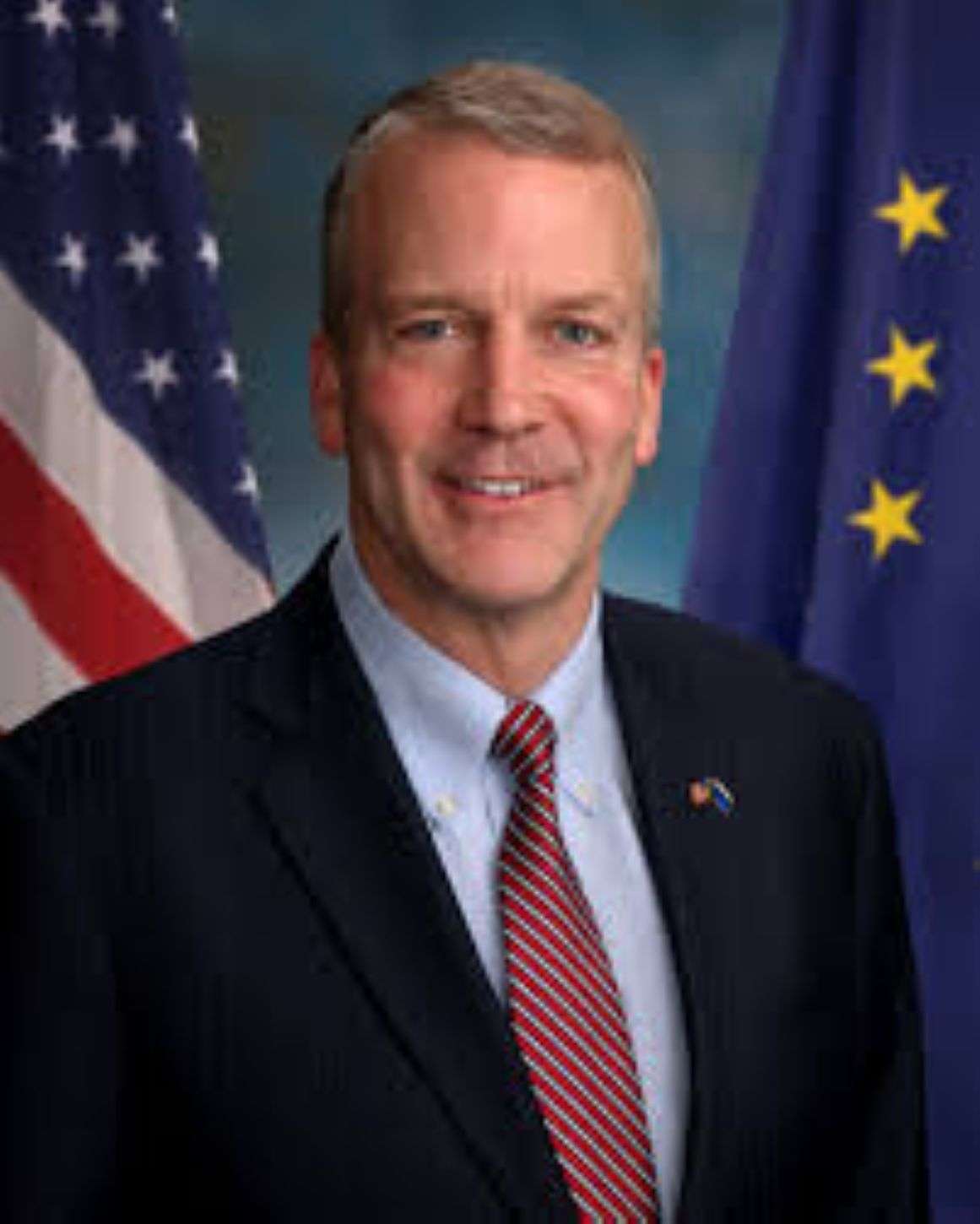
Today, in United States v. Alaska, federal district Judge Sharon Gleason ruled against the Trump administration's lawsuit seeking to block certification of Alaska Senate election results on the grounds that doing so might be necessary to prevent "voter confusion" caused by the presence of two candidates with very similar names on the ballot.
uncertain
doing → rule → ballot
As I have explained previously, Dan J. Sullivan can potentially be confused with Dan S. Sullivan (the incumbent GOP senator).
asserted
Sullivan → explain → Sullivan
Evidence gathered by the New York Times suggests Democrats may have deliberately recruited Dan J. to run, in hopes of siphoning off votes from Dan S. on this topic.
uncertain
Democrats → gather → topic
Today's ruling dismisses the Trump lawsuit on the grounds that the United States lacked standing to bring the suit.
asserted
States → dismiss → suit
Most notably, it failed the standing requirement of "redressability."
asserted
it → fail → redressability
The remedy requested by the administration - blocking certification until the federal government could further "investigate" the issue, would not actually redress the harm of voter confusion, and certainly could not do so while maintaining legally required secrecy of the ballots.
uncertain
government → request → ballots
In addition, Judge Gleason emphasizes that the federal government's proposed remedy would likely intrude on the powers of the state government, create more voter "confusion" than it forestalls:
asserted
it → emphasize → confusion
The Supreme Court "has repeatedly emphasized that lower federal courts should ordinarily not alter the election rules on the eve of an election…"
asserted
courts → emphasize → election
"Such late-breaking, court-ordered rule changes can 'result in voter confusion and consequent incentive to remain away from the polls,' and thus undermine the '[c]onfidence in the integrity of our electoral processes . . . essential to the functioning of our participatory democracy.'
asserted
changes → break → democracy
The United States maintains that it is "not seeking to alter the time, place, or manner of Alaska's election" [which the Constitution generally leaves under state control].
asserted
Constitution → maintain → control
And yet it seeks a court order preventing the State from certifying the election if certain circumstances occur; a court order requiring the State to segregate and preserve certain ballots; and a court order permitting the United States to conduct an investigation into the intent of those voters who cast ballots for Daniel J. Sullivan.
asserted
who → seek → Sullivan
These requests certainly involve the time, place, and manner of Alaska's election, which are the responsibilities of the State, not the executive branch of the federal government.
asserted
which → involve → government
Clearly, if this Court were to order that certain ballots will be segregated and subject to a future and as yet unspecified investigation by law enforcement, it would likely result in voter "confusion and consequent incentive to remain away from the polls.
asserted
it → order → polls
"Such late-breaking changes to the election rules are strongly disfavored.
asserted
changes → break → rules
In addition to these procedural problems with the Trump lawsuit, it also deserves to be rejected on the substantive merits.
asserted
it → deserve → merits
I covered some of the reasons why here and here.
asserted
I → cover → reasons
See also the excellent amicus brief filed by prominent election law scholar Rick Hasen, which goes into these issues in greater detail.
asserted
which → see → detail
As explained in one of my earlier posts about this case, Democrats deserve blame for seeking to deceive voters in this way, even though it is highly unlikely it would cause enough confusion to change the outcome of the election (various aspects of the Alaska ballot and election system reduce the already low odds of that happening).
asserted
that → explain → odds
But for reasons summarized in the same post, this kind of thing is far from the worst example of exploitation of voter ignorance.
asserted
kind → summarize → ignorance
Today's decision may be appealed.
uncertain
decision → appeal → ?
But I think it highly unlikely that the appellate court (or the US Supreme Court) will reverse it.
asserted
court → think → it
 The Aporia