Claims extracted
20
sentences that state something as happening or true
Uncertain
10%
2 of 20 hedged
("reportedly", "may", "according to")
Leaning
withheld
no quote in the article backed the model's score
Publisher signals
70/100
ABC News (US)'s corrections and
hedging, across everything collected from it. Not a measure of accuracy.
Outlets on this story
9
Other
Same framing elsewhere
1
articles that frame the event the way this one does
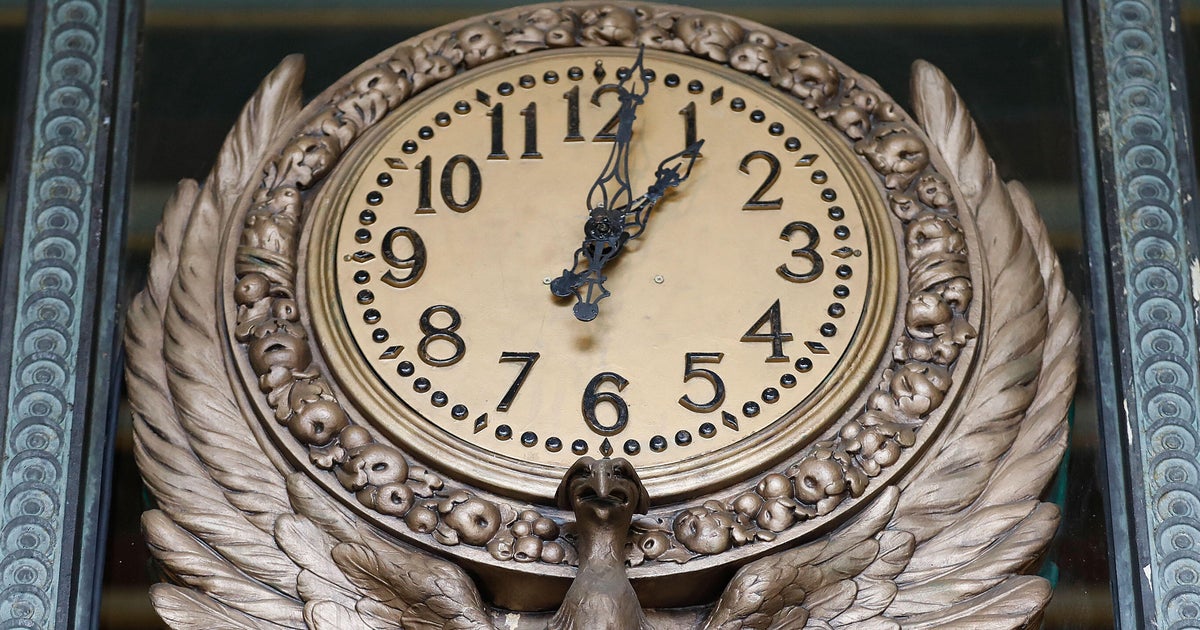
Daylight saving time is on track to end on Sunday, the day after Halloween.
asserted
time → end → Halloween
The time change means many Americans will "fall back" and "gain" an extra hour as clocks and timepieces turn back an hour.
asserted
clocks → mean → hour
Before clock changes kick in, here's everything to know about daylight saving time.
asserted
everything → kick → time
When does daylight saving time end?
asserted
time → save → ?
This autumn, daylight saving time is scheduled to end on Nov. 1, 2026 at 2:00 a.m. local time, which then becomes 1:00 a.m. local standard time.
asserted
which → save → a.m.
Which states do not observe daylight saving time?
asserted
states → observe → time
Not all 50 states participate in daylight saving time.
asserted
states → participate → time
Most of Arizona and Hawaii observe standard time year round, according to the Department of Transportation, as well as the U.S. territories of American Samoa, Guam, Northern Mariana Islands, Puerto Rico and the Virgin Islands.
uncertain
Most → observe → Samoa
The Navajo Nation in parts of Arizona is an exception to the current rule and observes daylight saving time, like its neighboring lands in New Mexico, Utah and Colorado.
asserted
Nation → observe → Mexico
What is the proposal to keep daylight saving time permanently?
asserted
proposal → keep → time
Daylight saving time is governed by Title 15, Chapter 6, Subchapter IX - Standard Time of the U.S. Code, which was enacted by Congress.
asserted
which → save → Congress
In the fall, the first Sunday in November is when clocks are set back.
asserted
clocks → set → November
The practice of daylight saving time dates back more than 50 years.
asserted
practice → save → years
During the oil crisis of the 1970s, Congress ended daylight saving time to conserve energy, but quickly rolled it back when some parents objected to sending their kids to school in the dark, early morning hours.
asserted
parents → end → hours
The legislation was repealed in 1974.
asserted
legislation → repeal → 1974
Over the years, the debate to keep or repeal daylight saving time has continued and most recently, the Sunshine Protection Act of 2025, sponsored by Rep. Vern Buchanan of Florida, passed the House of Representatives with a 308 to 117 majority in favor of ending the practice of changing clocks twice a year.
asserted
Act → keep → clocks
Proponents of keeping daylight saving time, such as Florida Rep. Gus Bilirakis argue that doing so would benefit the economy and encourage more outdoor activity.
asserted
doing → keep → activity
"In a state like Florida, my home state of Florida, where tourism is a cornerstone of our economy, having more predictable daylight hours is a practical improvement that benefits workers, businesses, and visitors alike," Bilirakis said in Congress on July 14.
asserted
Bilirakis → have → July
Opponents to the bill claim more debate and consideration is needed before such an impactful change across a majority of U.S. states gets implemented.
uncertain
change → claim → states
The bill was sent to the Senate for consideration in July but has since stalled in the chamber.
asserted
bill → send → chamber
 The Aporia