Rep. Josh Gottheimer (D-NJ), co-chair of the House AI commission, opposes using independent third-party organizations to monitor advanced AI models, arguing that a mandatory government review process is necessary for national security reasons. He contends that third parties lack the expertise and resources to effectively assess the most powerful AI systems. This stance contrasts with the bipartisan FRONTIER Act, which aims to establish a federal framework relying on third-party evaluations to regulate frontier AI models.
Written by the local model on 2026-09-15,
using this article's own text rather than the other coverage of the
same event.
Why this leaning score
The model judged this article politically coded and scored it -0.65, but 4 quote(s) could not be found in the article and the other 1 are attributed speech rather than the article's own narration, so the score is not published.
Written under an earlier scoring contract, which gave a paragraph
rather than checkable quotes. Re-analysing this article replaces it.
Leaning score withheld for article 12054: no verified evidence · logged 2026-09-15
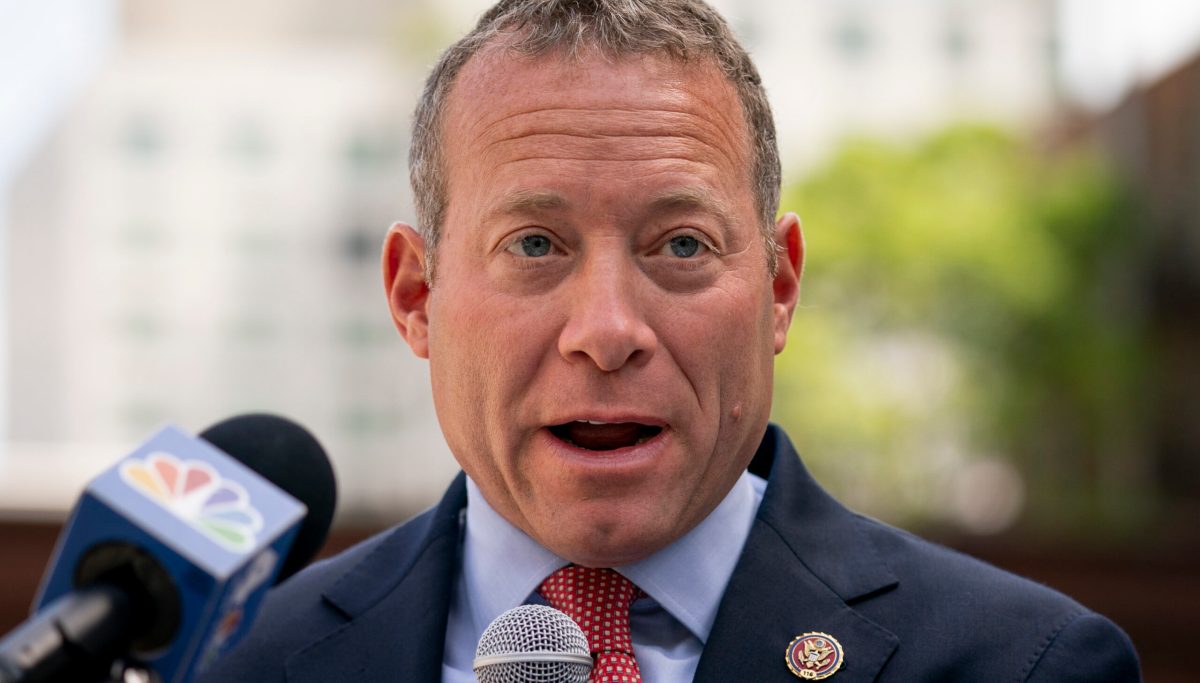
Rep. Josh Gottheimer (D-NJ) is pushing back against proposals to use independent third-party organizations to monitor advanced artificial intelligence model development, arguing that the approach does not go far enough to protect national security.
asserted
approach → push → security
“Third-party audits alone don’t meet the moment,” Gottheimer, who co-chairs the House AI commission, said in a statement Tuesday, advocating instead for a mandatory government review process for the most advanced AI models.
asserted
who → meet → models
“With our cybersecurity, biosecurity, critical infrastructure, and national security on the line, every AI developer should have to submit their frontier models to the U.S. government for a short-clocked review before they release them to the public,” Gottheimer said.
asserted
Gottheimer → have → public
He argued that the process should not be voluntary or left solely to independent organizations that may lack the resources and security clearances necessary to evaluate the most powerful AI systems.
uncertain
that → argue → systems
“It can’t only be voluntary, and we can’t rely on third-party organizations that don’t have the compute power, expertise, or security clearances to actually test and assess these models effectively,” Gottheimer said.
asserted
Gottheimer → rely → models
“When AI developers cheer on the framework meant to hold these companies accountable, it should raise red flags, not confidence.”
asserted
it → cheer → flags
Gottheimer’s proposal comes as lawmakers and AI companies debate how the federal government should oversee the development of increasingly capable “frontier” models.
asserted
government → come → models
Third-party evaluators are a key component of the bipartisan Frontier Risk Oversight, National Transparency, Independent Evaluation, and Reporting Act, championed by Reps. Jay Obernolte (R-CA) and Lori Trahan (D-MA).
asserted
evaluators → champion → Obernolte
The FRONTIER Act, introduced in July, would establish a federal, risk-based framework for regulating the most advanced AI models developed in the United States.
asserted
Act → introduce → States
The debate over independent evaluations gained new attention this weekend after Anthropic CEO Dario Amodei called for the AI industry to “pace the frontier” by slowing the rate of AI development enough to allow safety measures to keep up.
asserted
measures → gain → development
His proposal includes giving third-party evaluators embedded, employee-level access to AI companies to assess models and verify compliance with safety commitments.
asserted
proposal → include → commitments
OpenAI CEO Sam Altman, Google DeepMind CEO Demis Hassabis, and xAI CEO Elon Musk have expressed support for elements of Amodei’s proposal.
asserted
Altman → express → proposal
OpenAI has also signaled support for the use of third-party evaluators and thrown its weight behind the FRONTIER Act.
asserted
OpenAI → signal → Act
President Donald Trump, however, has pushed back against calls to slow AI development, arguing that the technology will be a major driver of economic growth.
asserted
technology → push → growth
“AI, and Data Centers, will be the Greatest Economic Development Engine in History — Bigger than Oil, Gold, Diamonds, or even the Internet,” Trump wrote Monday on Truth Social.
asserted
Trump → write → Social
“It will not be stopped by brilliantly run Destructive Forces during the Term of President DONALD J. TRUMP!”
asserted
It → stop → TRUMP
 The Aporia