That is 0 articles you have read today.
The Aporia is free and carries no advertising, so readers are the only
thing paying for it. If you are getting this much out of it, a small
donation is what keeps it independent.
Daily limit reached
You have read 0 articles today.
That is more than the 15 a day The Aporia gives away,
and well past what it can carry on nothing. Your allowance resets at
midnight.
There is no advertising here and nothing about you is sold, so readers
are the only thing paying for it. If the site is worth this much of
your day, it is worth a few dollars.
Everything else stays open: the
maps, the
directory and
search do
not count against this, and neither does re-opening something you have
already read today.
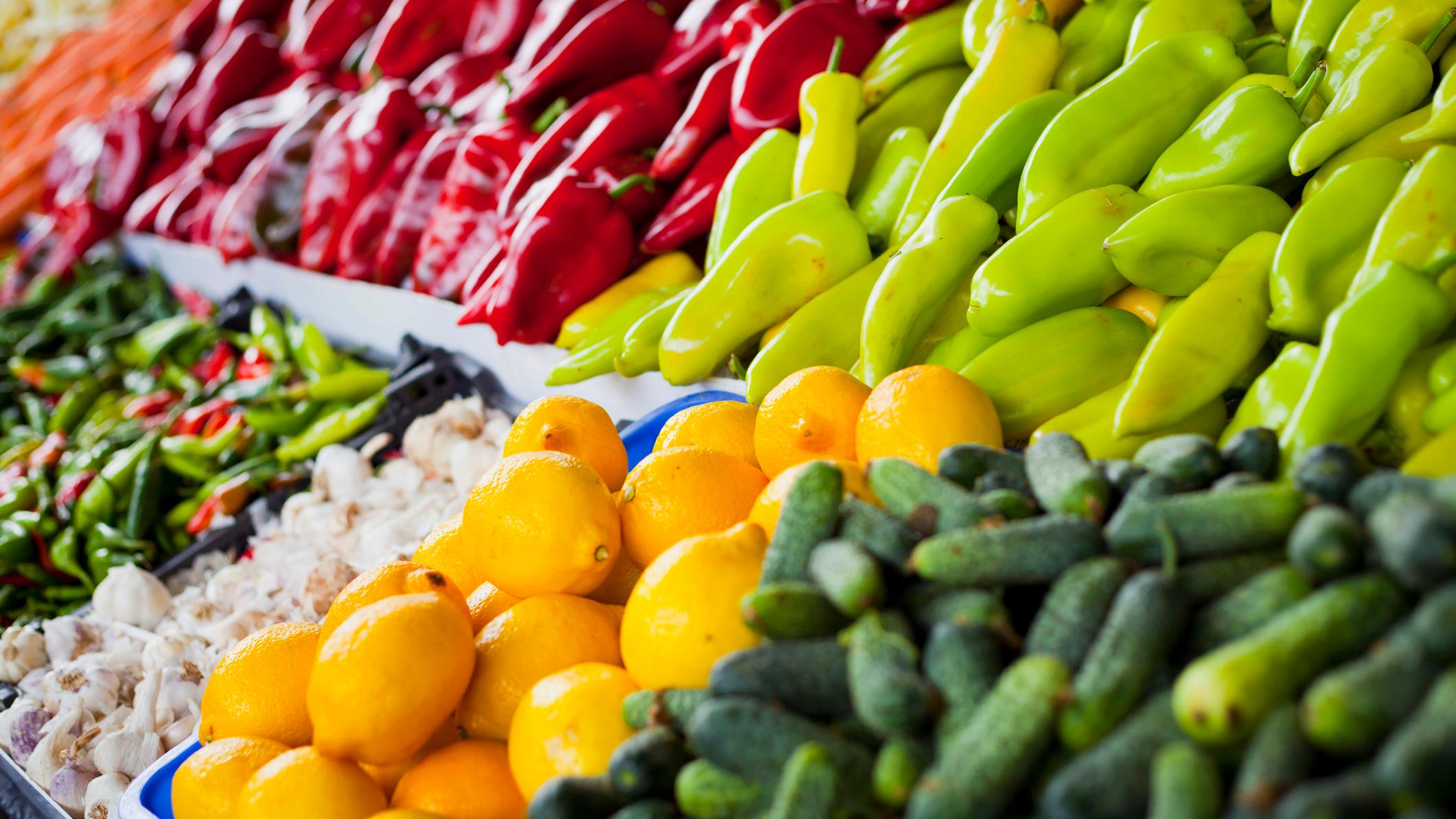
A federal report by the National Center for Health Statistics shows that about 70% of U.S. adults consumed fruit and nearly all (93%) ate vegetables during the period from 2021 to 2023, marking a slight increase in fruit consumption but a decrease in vegetable intake compared to data from 2015 to 2018. The report also highlights disparities based on gender and income levels; women were more likely than men to eat fruits, while the type of vegetables consumed varied by gender, with dark-green vegetables being less common overall despite their nutritional benefits.
Written by the local model on 2026-09-15,
using this article's own text rather than the other coverage of the
same event.
Claims extracted
15
claim-shaped sentences
Uncertain
0%
0 of 15 hedged
Leaning
not political
takes no side on a contested political question
Correction & hedging signals
94.7
corrections and hedging in what we collected;
not a measure of accuracy
Outlets on this story
unclustered
not grouped into a story yet
Narrative spread
1
articles carrying this framing
Why this leaning score
This article does not take a side on a contested political
question, so it has no leaning score. That is an
answer rather than a gap: a match report or a rescue can be warmly
or critically written without being left or right, and scoring it
anyway is how approval of a subject gets recorded as a political
position.
No political leaning scored for article 12052 · logged 2026-09-15
In a new federal report, researchers say most U.S. adults are eating at least some fruits and vegetables every day, but plenty aren't.
asserted
plenty → say → fruits
During 2021 to 2023, the most recent available data, about 70% of adults age 20 and older said that they ate any fruit or drank 100% fruit juice on a given day—leaving roughly 30% of American adults who reported not eating a single piece of fruit or drinking any fruit juice.
asserted
who → say → juice
93% said they ate a vegetable.
asserted
they → say → vegetable
The data are collected by the National Center for Health Statistics (NCHS) as part of an annual health and nutrition survey that includes 5,000 adults and children.
asserted
that → collect → adults
The latest numbers are similar to the dietary patterns revealed by the previous survey conducted from 2015 to 2018, though fruit intake is slightly up while vegetable intake is down.
asserted
intake → reveal → 2018
In that survey, 67% of adults ate fruit on a given day, and 95% ate a vegetable.
asserted
% → eat → vegetable
In the latest survey, more women than men consumed fruit on a given day (74% vs. 66%).
asserted
women → consume → %
About the same proportion of women and men ate vegetables, but the type differed; while 42% of women reported eating a dark-green vegetable, only 34% of men did.
asserted
% → eat → men
Dark-green vegetables are rich in vitamins and minerals that can help the heart, brain, and bones.
asserted
that → help → heart
People with higher family incomes were more likely to eat fruits and vegetables than those with lower incomes.
asserted
People → eat → incomes
Across income groups, however, dark-green vegetables were the least commonly consumed kind.
asserted
vegetables → consume → groups
While the report shows that Americans are maintaining the amount of fruit and vegetables in their diets, what they're eating still falls below federal nutrition guidelines, which recommend about 2 cups of fruit and 2.5 cups of vegetables daily.
asserted
which → show → vegetables
31% of adults reported consuming 100% fruit juice as their fruit allocation, which nutrition experts say isn’t as beneficial as eating whole fruits, which provide fiber as well.
asserted
which → report → fiber
The NCHS survey does not include analysis of what drives people to eat fruit and vegetables, but cost is likely to play a factor in consumption patterns.
asserted
cost → include → patterns
While food inflation remained low from 2015 to 2019, the pandemic caused a jump in food prices, with 3.5% average increases in grocery prices overall in ensuing years.
asserted
pandemic → remain → years
 The Aporia