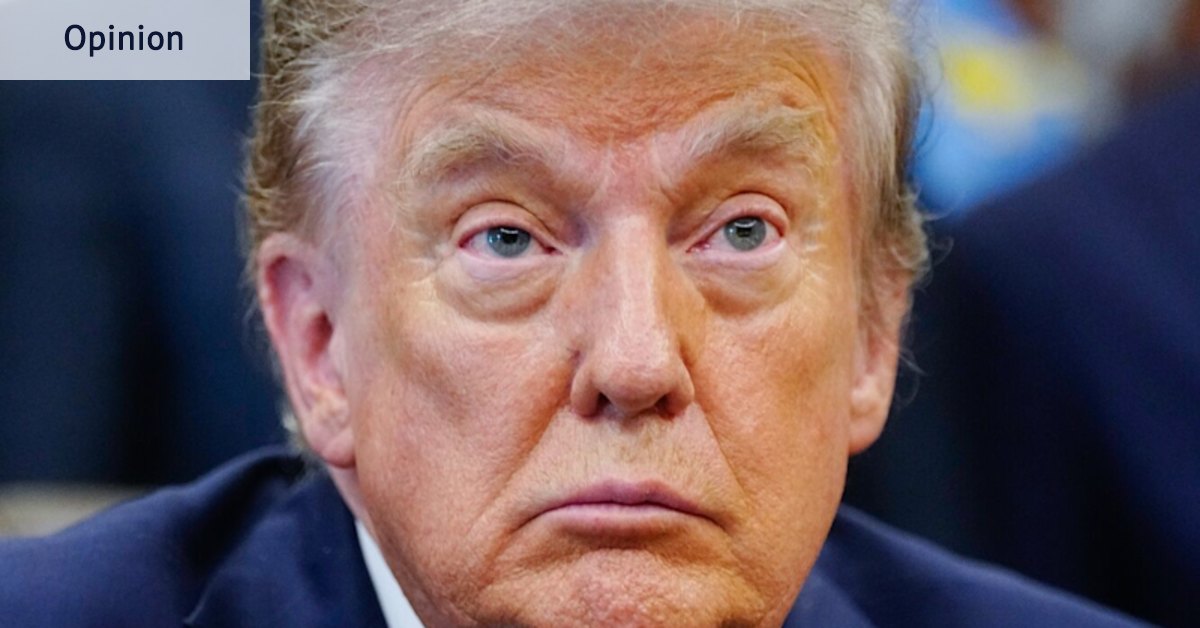
Photo via The Guardian

The Iran war is deepening the US energy crisis. A bad winter is ahead | Mark Wolfe

Read the original at The Guardian ↗
Cite

Wolfe, M. (2026, October 30). The Iran war is deepening the US energy crisis. A bad winter is ahead | Mark Wolfe. The Guardian. https://www.theguardian.com/commentisfree/2026/oct/30/iran-war-energy-crisis-winter

Dated from the outlet's own feed. Check the original for its byline.

The Guardian · collected 2026-10-30 · by Mark Wolfe

Quick Summary

Mark Wolfe, in an opinion piece for The Guardian, warns that the conflict with Iran is exacerbating America's energy affordability crisis, particularly affecting those who rely on heating oil. Heating oil costs could rise by 50%, adding nearly $900 to winter bills for some households already struggling with utility payments and electricity shutoffs increasing by 28% over two years in ten states. Wolfe calls for Congress to add $3 billion to the Low Income Home Energy Assistance Program (LIHEAP) before winter, though he acknowledges that even if the war were to end immediately, energy prices would not quickly return to pre-conflict levels due to ongoing supply chain disruptions and refinery damage.
Written by AI on 2026-10-30, from this article's own text only (the story summary below draws on all the coverage).

AI analysis

Story summary

The ongoing war between the US and Iran is exacerbating America's energy affordability crisis, with families who heat their homes with oil facing bills that could be 50% higher this winter, adding nearly $900 to heating costs. This increase comes on top of pre-existing struggles: before the conflict started, millions were already falling behind on utility payments, often forced to choose between energy and other basic necessities like food or rent.

According to research by Mark Wolfe's organization, electricity shutoffs in 10 states have increased by 28% over the past two years. Now, rising gasoline, electricity, and home heating costs are further straining households' budgets, particularly affecting those living on social security and minimum-wage workers who have little financial flexibility.

Middle-class families are also experiencing difficulties, with additional monthly expenses of up to $150 for necessities like fuel and groceries. Wolfe warns that heating oil prices serve as a clear indicator of the broader energy affordability crisis deepening in America due to the Iran conflict.

Written for “Iran War And US Energy Crisis” on 2026-10-30, grounded in this article and the 0 other(s) covering the same event.
Why this leaning score
The article's own words the score was based on. Each is quoted verbatim and was checked against the article text before being stored, so you can find it in the original.
Reading Leans strongly left (beta estimate) Confidence high
Leaning: leans strongly left for article 117413 (high confidence, 6 verified quotes) · logged 2026-10-30

Story

📰 Iran War And US Energy Crisis
Economy/Business · 1 article(s) covering the same event.

Compared with similar articles

This article reads leans strongly left and hedges 7% of its claims. Each row says how that neighbour differs.
Toronto Star
Hedges 1 of 43 claims Outlet record 64/100
“The articles discuss different aspects of the broader issue caused by the war with Iran: one focuses on gas prices and Trump's response, while the other addresses heating oil costs for winter.”
The Straits Times
⚖️ Leans left further right than this Hedges 3 of 15 claims Outlet record 66/100
“The articles discuss different aspects of the Iran war's impact; one focuses on financial costs while the other addresses the energy crisis.”
Dawn
⚖️ Leans left further right than this Hedges 2 of 14 claims Outlet record 71/100
“The articles discuss different aspects of the Iran war's impact without describing the same specific incident.”
Semafor
Hedges 1 of 2 claims Outlet record 60/100
“Article A describes a specific attack on Saudi Arabia's largest oil refinery by Yemen's Houthis, while Article B discusses broader impacts of the war in Iran on US energy affordability.”
The Straits Times
⚖️ Leans left further right than this Hedges 8 of 44 claims Outlet record 66/100
“The articles discuss different aspects of the economic impact of the war; one focuses on Iran's economy and families cutting back on essentials, while the other discusses the US energy crisis and its effect on American households.”
The Sydney Morning Herald
⚖️ Leans right further right than this Hedges 6 of 36 claims Outlet record 61/100
“The articles discuss different aspects of the impact of the Iran situation on the oil market and US energy crisis but describe distinct events and timelines.”
Al Jazeera
Hedges 11 of 50 claims Outlet record 60/100
“The articles discuss different aspects of the impact of the war with Iran, one focusing on cost estimates and political implications, while the other focuses on the energy crisis and heating costs for families.”
The Guardian
Hedges 2 of 15 claims Outlet record 66/100
“The articles discuss different aspects related to the consequences of the US-Iran war but do not describe the same specific incident.”
Al Jazeera
⚖️ Leans left further right than this Hedges 5 of 63 claims Outlet record 60/100
“The articles discuss different aspects of the broader impact of the Iran war: one focuses on Western European nations' responses and oil prices, while the other discusses the US energy crisis and its effects on heating costs.”
The Independent
Hedges 1 of 42 claims Outlet record 59/100
“While both articles discuss the impact of the war with Iran on US energy costs and prices, they describe different aspects of the broader situation and do not focus on a single specific incident.”
How this article was measured signals, leaning charts, publisher record, byline, topics and claims

Signals How these are calculated →

Claims extracted
41
sentences that state something as happening or true
Uncertain
7%
3 of 41 hedged ("reportedly", "may", "according to")
Leaning
Leans strongly left
of the writing, not the subject · beta estimate
Publisher signals
66/100
The Guardian's corrections and hedging, across everything collected from it. Not a measure of accuracy.
Outlets on this story
1
Economy/Business
Same framing elsewhere
1
articles that frame the event the way this one does
Analyzed 2026-10-30 · how these are computed

How this is being covered How these are calculated →

Article leaning vs. publisher reliability
Source leaning vs. consistency

Publisher

The Guardian · 1836 article(s) · 6 correction(s) detected
Running correction rate · 6 correction(s)

Who wrote this

Mark Wolfe
1 article(s) here · 1 carrying a prediction
🔮 Heating oil may be the clearest warning yet of how the war in Iran is deepening the US’s energy affordability crisis.
The only article under this byline in the corpus.

Topics

America Americans Guardian Iran social security

Subjects

Congress ORG · 3× America GPE · 2× social security ORG · 2× Americans NORP · 1× Consumer Reports ORG · 1× Guardian ORG · 1× Iran GPE · 1× Liheap ORG · 1× Trump PERSON · 1× USA GPE · 1×

Narrative

Mark Wolfe is an energy economist and serves as the executive director of the National Energy Assistance Directors Association (Neada) representing the state directors of the Low Income Home Energy Assistance Program and the co-director of the Center on Energy Poverty and Climate (CEPC).
framing: assertive · carried by 1 article(s) · first seen 2026-10-30
🔮 Heating oil may be the clearest warning yet of how the war in Iran is deepening the US’s energy affordability crisis.

Claims (41 extracted, 3 hedged)

Heating oil may be the clearest warning yet of how the war in Iran is deepening the US’s energy affordability crisis. uncertain
war → deepen → crisis
Families who heat their homes with oil are facing bills that could be 50% higher this winter, adding nearly $900 to the cost of keeping their homes warm. uncertain
that → heat → homes
These families were already struggling before the war began. asserted
war → struggle → ?
As the Guardian recently reported, research by my organization found that electricity shutoffs in 10 states had increased 28% over the past two years. asserted
shutoffs → report → years
Millions of Americans were already falling behind on their utility bills, forced to choose between paying for energy, food, medicine and rent. asserted
Millions → fall → energy
Now they face another round of increases in gasoline, electricity and home heating costs. asserted
they → face → costs
The war didn’t create America’s energy affordability crisis. asserted
war → create → crisis
But it is making a bad situation much worse. asserted
situation → make → ?
For families living on social security, minimum-wage workers and others with little room in their budgets, higher energy prices are taking an especially heavy toll. asserted
prices → live → toll
Even middle-class families are struggling to absorb another $100 or $150 a month for gasoline, groceries and home heating. asserted
families → struggle → gasoline
Heating oil and diesel are essentially the same petroleum product, and both have been hit hard by the disruption to global energy markets. asserted
both → hit → markets
Higher diesel prices increase the cost of moving food, delivering goods and operating farms and construction equipment. asserted
prices → increase → farms
Those costs eventually find their way into the prices families pay. asserted
families → find → prices
But for the millions of households that rely on heating oil, the impact is much more immediate. asserted
impact → rely → oil
Unlike gasoline, which families can sometimes conserve by driving less, heating oil is essential for keeping homes warm. asserted
oil → conserve → homes
Families cannot simply stop filling their tanks when prices rise. asserted
prices → stop → tanks
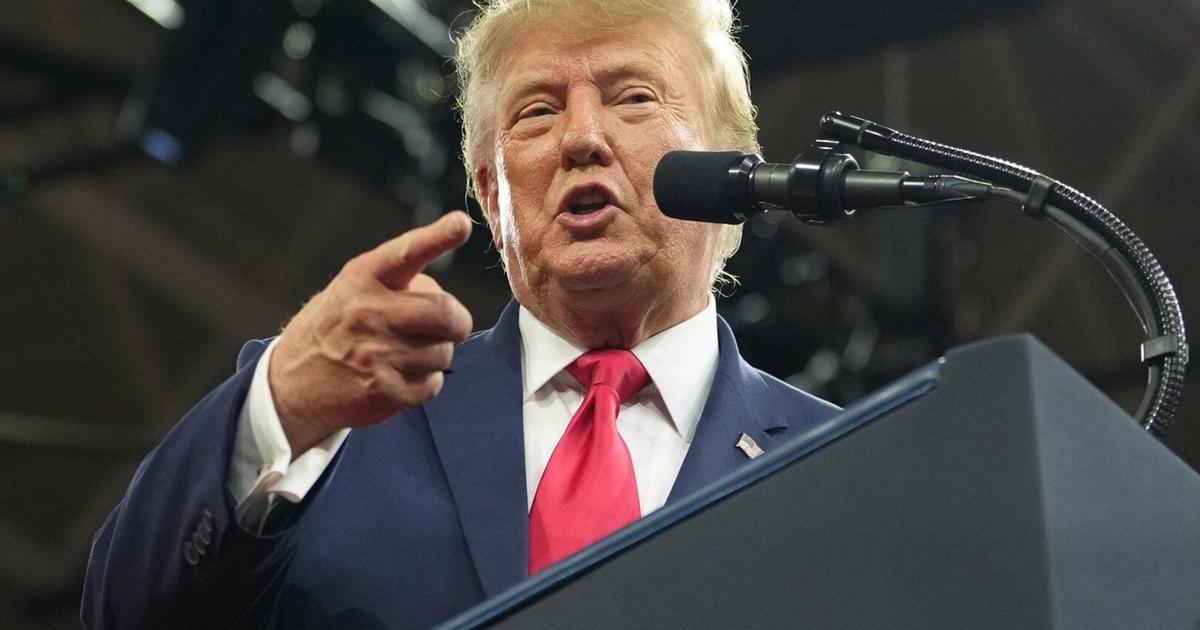
Trump described higher oil prices resulting from the war as “a very small price to pay for USA, and world, safety and peace”. asserted
Trump → describe → safety
The president has also said that fuel prices will fall “like a rock” when the war ends. asserted
war → say → rock
I hope he is right. asserted
he → hope → ?
Even if the war ended tomorrow, energy prices would not necessarily return to their previous levels. asserted
prices → end → levels
Damaged refineries need repairs, shipping routes must reopen, and depleted petroleum inventories need to be replenished. asserted
inventories → need → repairs
That could take months. uncertain
That → take → months
Families cannot postpone paying their heating bills while the oil market recovers. asserted
market → postpone → bills
Congress needs to act when it returns after the midterm elections and before winter arrives. asserted
winter → need → elections
We are calling on lawmakers to add $3bn to the Low Income Home Energy Assistance Program (Liheap), which helps low-income families pay their heating bills. asserted
families → call → bills
This would allow states to provide families with supplemental assistance to cover rising heating oil and electricity prices before the start of the winter heating season. asserted
states → allow → season
The problem extends beyond the poorest families. asserted
problem → extend → families
Many working families earn too much to qualify for assistance but still struggle to pay their energy bills. asserted
families → work → bills
Congress should consider temporarily expanding eligibility for Liheap to struggling middle class families, with additional funding to ensure that assistance to the lowest-income households is not reduced. asserted
assistance → consider → households
A recent survey conducted by Consumer Reports found that more than a quarter of all families reported reduced the heating and cooling in their homes to uncomfortable levels to save money and 19% cutback on groceries or switched to less expensive food options. asserted
quarter → conduct → options
Without additional energy assistance, families will fall further behind, and some will face the possibility of losing heat during the coldest months of the year. asserted
some → fall → year
But Congress also needs to address the larger problem. asserted
Congress → need → problem
For too long, we’ve measured America’s energy security by how much oil and natural gas we produce. asserted
we → measure → oil
Yet producing more energy at home hasn’t protected the US families from price shocks caused by wars overseas. asserted
producing → produce → wars
We need to think about energy security differently. asserted
We → need → security
That means expanding energy sources, including wind and solar, whose fuel costs cannot be driven up by a war. asserted
costs → mean → war
Right now, millions of families are heading into winter facing energy bills they cannot afford. asserted
they → head → bills
At some point, the war in Iran will end, but the affordability crisis will not end with it. asserted
crisis → end → it
Washington needs to help families get through this winter and make sure the next war thousands of miles away doesn’t once again determine whether they can afford to heat their homes. asserted
they → need → homes
Mark Wolfe is an energy economist and serves as the executive director of the National Energy Assistance Directors Association (Neada) representing the state directors of the Low Income Home Energy Assistance Program and the co-director of the Center on Energy Poverty and Climate (CEPC). asserted
Wolfe → serve → Poverty
…and 1 more, not listed.

💬Give feedback
🕘History 🎫Support