It’s a superlative achieved again and again: The current election cycle is the most expensive on record, according to AdImpact, likely to be surpassed only by the next one.
uncertain
cycle → ’ → one
North of $16 billion have been raised ahead of Tuesday’s looming elections, with ad spending in House and Senate races topping $4 billion.
asserted
spending → raise → billion
Mega-donors this election season have overwhelmingly backed Republicans with contributions largely flowing from AI, crypto, and online gambling interests.
asserted
donors → back → AI
The Intercept tracked how super PAC spending is flowing into the midterms and how growing public skepticism of special-interest money in politics is affecting campaign strategies.
asserted
skepticism → track → strategies
Hundreds of candidates are still taking donations from the American Israel Public Affairs Committee and its super PAC, the United Democracy Project, despite public sentiment turning against the pro-Israel lobby.
asserted
sentiment → take → lobby
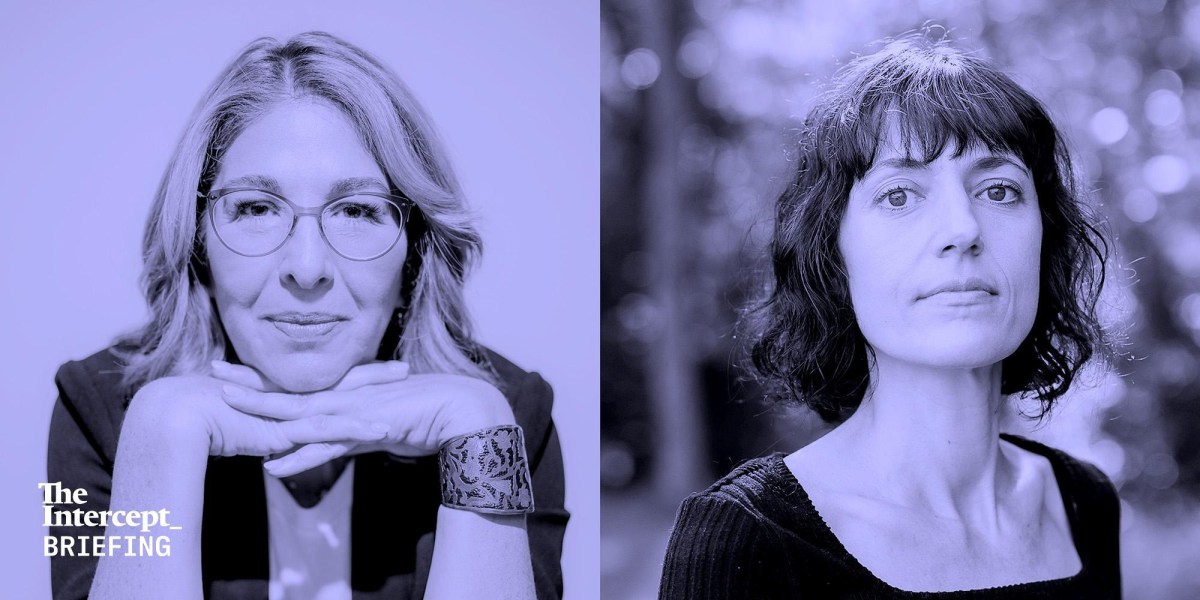
“The data overall reveals that [AIPAC is] still spending a ton of money on a lot of races, and more often than not, their candidates are still winning,” Intercept managing editor Maia Hibbett told The Intercept Briefing.
asserted
Hibbett → reveal → Briefing
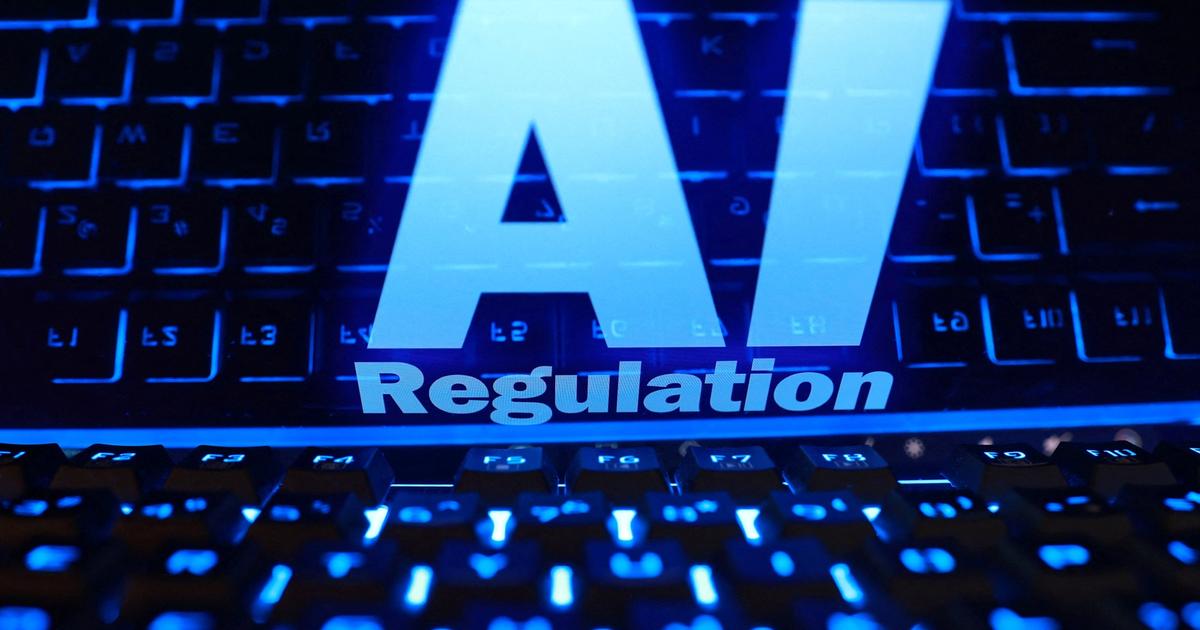
Artificial intelligence super PACs have also poured tens of millions of dollars into this election cycle, most of it on just a few races in the primaries.
asserted
most → pour → primaries
The two leading AI super PAC networks, affiliated with OpenAI or Anthropic, dropped a whopping $50.7 million on the primaries, but are noticeably spending much less in the lead-up to the general election, $8.5 million — likely responding to public backlash in the same way that AIPAC has.
asserted
AIPAC → lead → that
The entire life cycle of these AI super PACs, which started about a year ago, has followed that evolution of the public’s opinion,” said Intercept politics reporter Matt Sledge.
asserted
Sledge → start → opinion
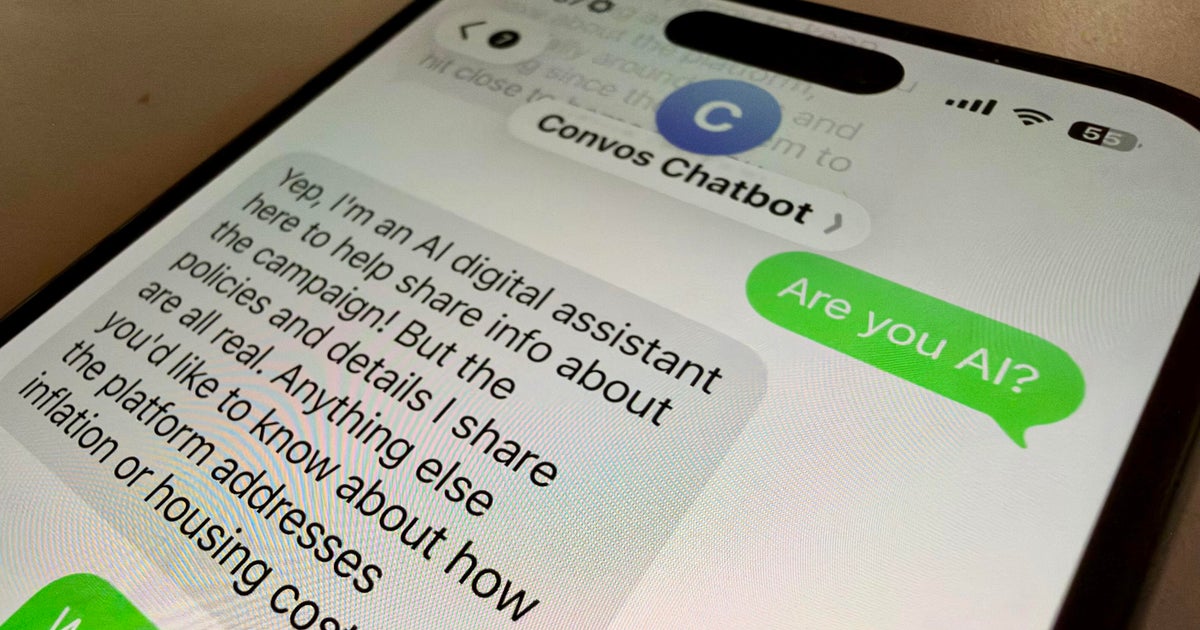
“One of the things that’s been really interesting in the general election races is … candidates [trying] to paint themselves as the more pro-AI safety, pro-AI regulation candidate.”
asserted
candidates → try → candidate
This week on the podcast, host Jessica Washington speaks to Hibbett and Sledge about the spending trends in the most expensive election cycle to date and unpack the intended impact.
asserted
Washington → speak → impact
“No matter which party gets control of either or both houses of Congress, there will be a lot of people elected next week who got there on the backs of Big Tech and special interests,” said Hibbett.
asserted
Hibbett → get → Tech
“They’re backing a lot of people in safe seats who don’t really have a tight election,” Sledge added.
asserted
Sledge → back → election
“The goal may just be to buy themselves a few friends in Congress, because sometimes in Congress, it’s just as good to have a few people who can stop regulation as it is to have people who can shape and actually pass laws.
uncertain
who → buy → laws
For more, listen to the full conversation of The Intercept Briefing on Apple Podcasts, Spotify, YouTube, or wherever you listen to podcasts.
asserted
you → listen → podcasts
Welcome to The Intercept Briefing, I’m Jessica Washington, politics reporter at The Intercept.
asserted
I → welcome → Intercept
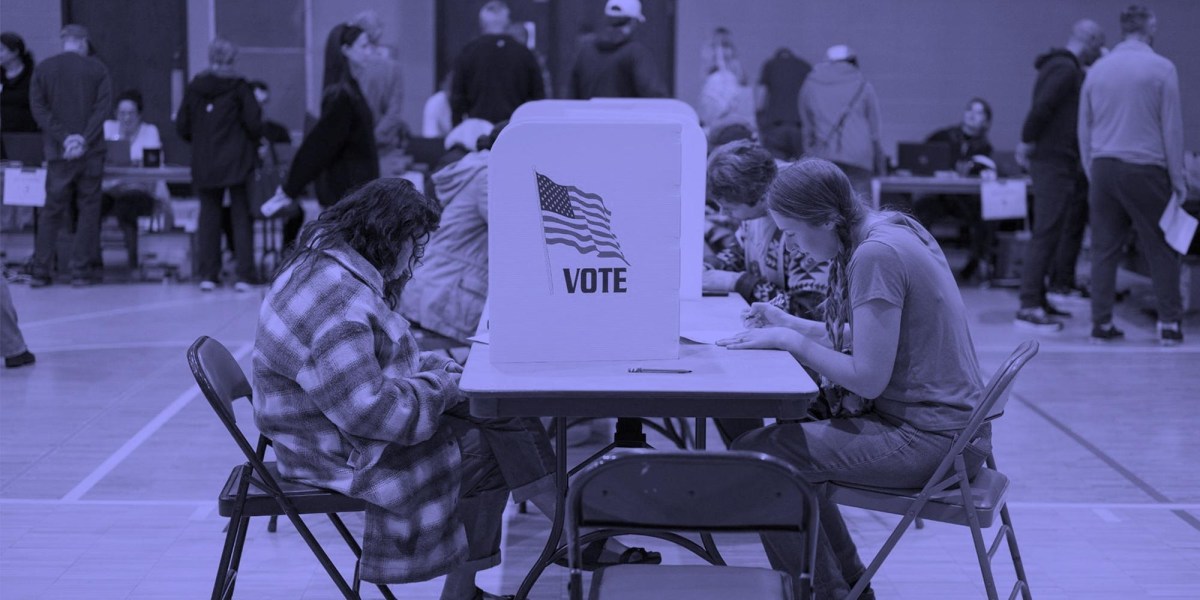
On Tuesday, voters will head to the polls to cast their ballots in the most expensive election cycle ever in terms of campaign ad spending, even outpacing past presidential elections.
asserted
voters → head → elections
That’s according to AdImpact.
uncertain
That → accord → AdImpact
North of $16 billion has been raised this cycle, with ad spending in House and Senate races topping $4 billion.
asserted
spending → raise → billion
Billionaire Elon Musk has dumped hundreds of millions into races across the country, using his enormous personal wealth to sway the election in favor of Republicans.
asserted
Musk → dump → Republicans
Musk, who has a home and multiple businesses in Texas, has taken a particular interest in the state’s Senate race between Republican candidate Ken Paxton and Democratic candidate James Talarico.
asserted
who → have → Paxton
Most of the money from Musk and other donors has flowed not to candidates, but to powerful super PACs representing a variety of different special interests.
asserted
Most → flow → interests
That super PAC spending is the subject of my colleagues, Intercept politics reporter Matt Sledge and senior politics reporter Akela Lacy’s new project, tracking how money is flowing into the midterms.
asserted
money → track → midterms
Maia Hibbett, managing editor for The Intercept, and Matt Sledge join me now to talk about the project and how big money is shaping the midterms.
Matt, Maia, welcome back to The Intercept Briefing
Maia Hibbett: Thanks for having us.
asserted
money → join → us
Maia, I want to start with you.
asserted
I → want → you
As a part of the super PAC project, The Intercept tracked how millions of dollars flow through the pro-Israel lobby in the United States.
asserted
millions → track → States
What did the reporting reveal about how the American Israel Public Affairs Committee and affiliated groups like the United Democracy Project mask their influence in U.S. elections in a political landscape where AIPAC’s contributions and endorsements have become largely politically toxic?
asserted
contributions → reveal → landscape
The reporting showed that AIPAC and its affiliated super PAC UDP are a little bit weakened, but they’re still pretty dominant.
asserted
they → show → ?
The narrative out of this midterm cycle, especially during the primaries, was largely focused on a few high-profile races that an AIPAC-backed candidate lost — and that was a huge shock.
asserted
that → focus → that
These big upsets were AIPAC or UDP or a related group that, we can talk about a little bit later, had poured money into, and then the candidate didn’t succeed.
But
asserted
candidate → talk → money
if you look at it in the aggregate, what the data overall reveals is that they’re still spending a ton of money on a lot of races, and more often than not, their candidates are still winning.
asserted
candidates → look → races
And even though AIPAC has been discussed as going underground, they are still directly invested in a lot of races.
asserted
they → discuss → races
I want to get into AIPAC’s shifting strategy and their latest announcement on that.
asserted
I → want → that
But first, Matt, I wanted to talk about your reporting.
asserted
I → want → reporting
AI super PACs have poured tens of millions of dollars into this election cycle.
asserted
PACs → pour → cycle
What do we know about the people and companies behind these super PACs?
asserted
we → know → PACs
This may seem obvious, but what are they hoping to gain with this level of spending?
uncertain
they → seem → spending
Are there specific examples of friendly legislation these varied interest groups are hoping their candidates will see through if they win?
asserted
they → hop → legislation
To answer your second question, I think it’s really more about setting the tone for future regulation at the federal level.
asserted
it → answer → level
You have two big super PAC networks.
asserted
You → have → networks
…and 157 more, not listed.
 The Aporia