The News
Russia’s offer to supply floating nuclear power plants to coastal African countries emerged as a major focus of talks held with African officials at a summit in Moscow this week.
asserted
offer → supply → Moscow
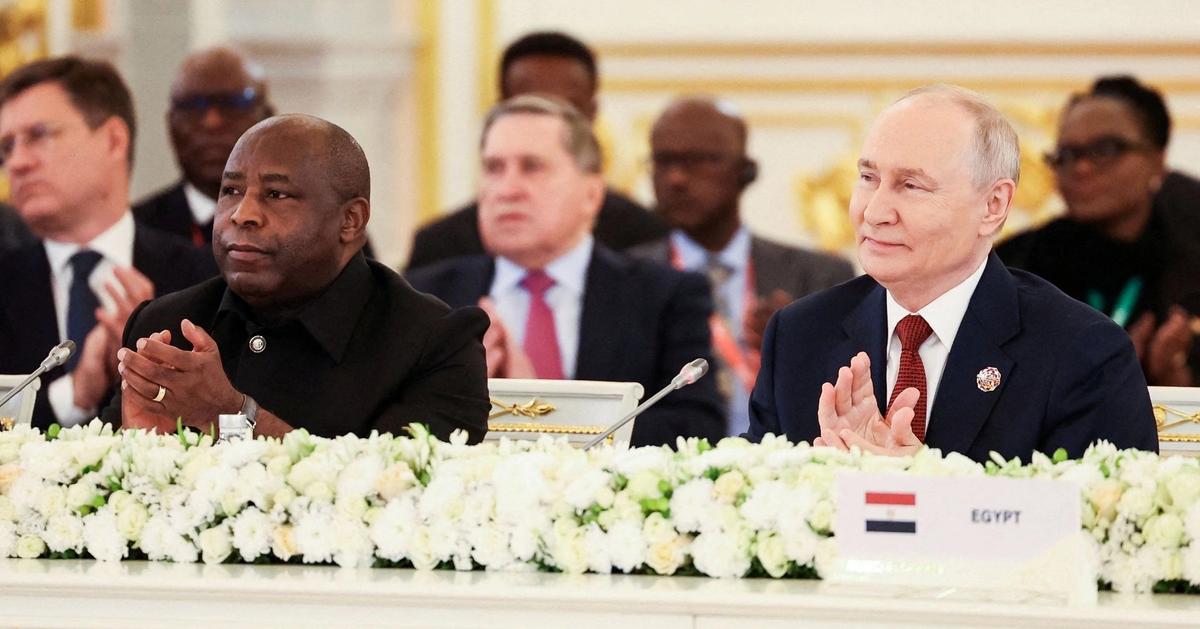
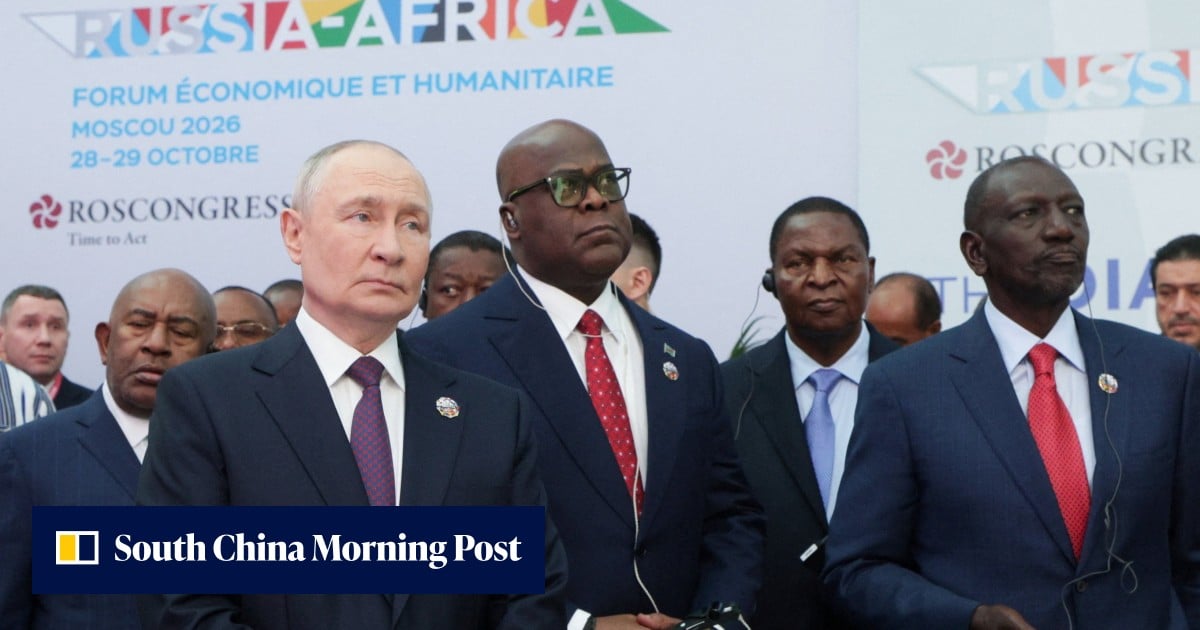
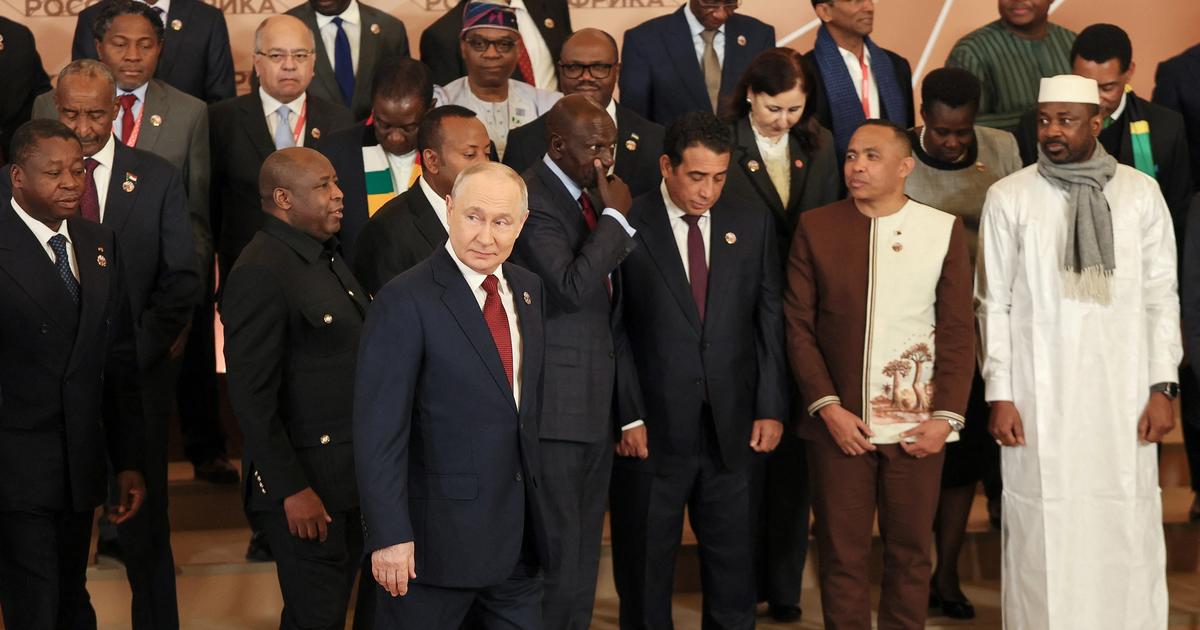
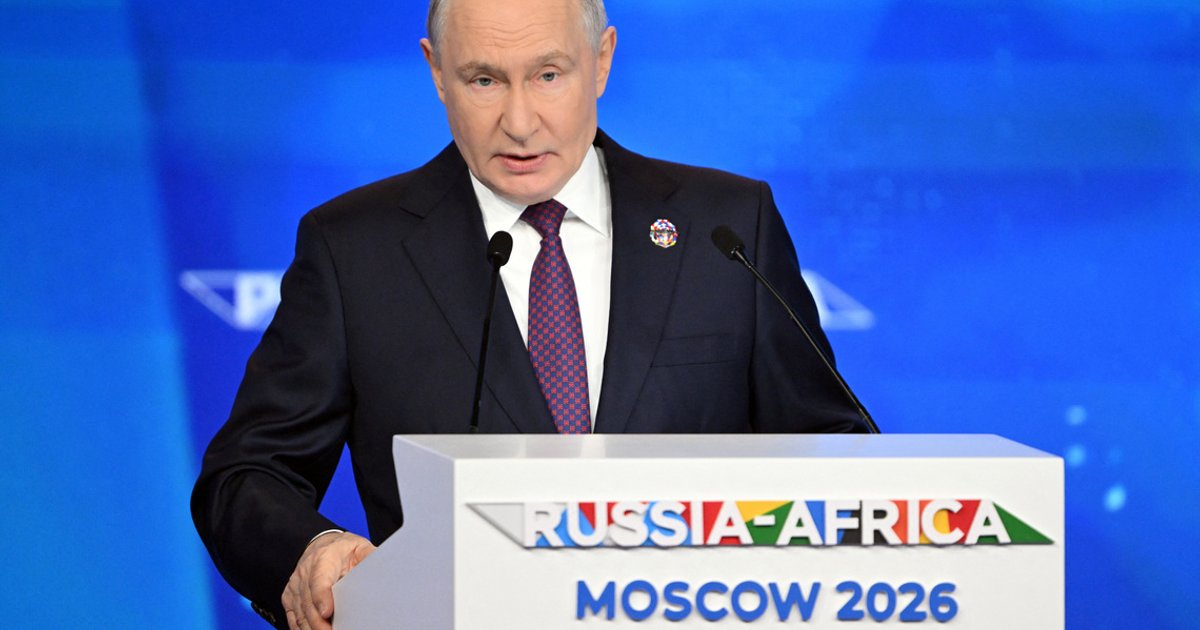
President Vladimir Putin hosted 48 country delegations, including 22 African leaders, at a Russia-Africa summit as he sought to deepen economic ties across the continent.
asserted
he → host → continent
The summit, now in its third edition, produced a series of nuclear announcements involving at least six countries, with Russia’s state-owned energy company Rosatom in advanced talks with Egypt, Togo, Namibia, and Tanzania over floating nuclear power plants, as Moscow seeks to become the world’s first commercial exporter of the technology.
asserted
Moscow → produce → technology
Africa remains the continent with the largest electricity access gap, holding back economic growth and industrial development.
asserted
Africa → remain → growth
That shortfall has created opportunities for foreign suppliers, including Russia, which has spent years courting African governments with nuclear technology and state-backed financing to meet their growing demand for power.
asserted
which → create → power
The talks could lead to decade-long energy partnerships, giving Moscow an opportunity to extend its influence in Africa as China and Western countries pursue nuclear deals of their own.
uncertain
China → lead → own
“Russia is definitely ahead of the other nuclear countries in terms of developing next generation reactors and providing state-backed finance,” Todd Moss, executive director of the US-based power think tank Energy for Growth Hub, told Semafor.
asserted
Moss → develop → Semafor
Russia has about $200 billion in nuclear project orders worldwide, compared with $7.7 billion for the US, according to figures cited in July by former US deputy energy secretary Daniel Poneman.
uncertain
Russia → have → Poneman
Rwanda, which also signed a civil nuclear cooperation agreement with the US in May, agreed with Rosatom at the summit to assess and develop its nuclear infrastructure, building on an eight-year partnership that includes plans for small reactors and a research centre.
uncertain
that → sign → reactors
Ghana also announced talks with the Russian company to build its first nuclear power plant.
asserted
Ghana → announce → plant
Know More
Floating plants are attracting growing interest from African governments seeking faster ways to meet electricity demand, as conventional power plants are relatively costly and take a long time to build.
asserted
plants → know → time
Turkey’s Karpowership now supplies diesel-generated electricity to eight countries from offshore vessels and is working with DR Congo’s state utility on a 134-megawatt plant to ease shortages in Kinshasa.
asserted
Karpowership → supply → Kinshasa
Rosatom wants to bring nuclear power to that market, saying 38 of Africa’s 54 countries have coastlines suitable for its floating reactors.
asserted
38 → want → reactors
But the promise of faster electricity comes with financial and political risks.
asserted
promise → come → risks
“If they’re signing a deal for an emergency nuclear power plant on a ship, that is almost certainly going to be very expensive,” Moss warned.
asserted
Moss → sign → ship
Georgy Tikhomirov, a nuclear physicist at Russia’s MEPhI university, said there is still too little operating experience to assess the actual cost of the electricity and power produced.
asserted
Tikhomirov → say → electricity
Under Rosatom’s proposed model, the company would retain control of the vessels and handle their maintenance and refuelling in Russia.
asserted
company → propose → Russia
Experts have long warned that floating power deals can leave African governments dependent on costly contracts with foreign suppliers.
asserted
deals → warn → suppliers
In Sierra Leone, Turkey’s Karpowership cut electricity to Freetown in 2023 and sharply reduced supplies again in 2024 over unpaid bills, forcing the government to pay $17 million toward a $48 million debt to restore full power.
asserted
Karpowership → cut → power
Russia’s nuclear ambitions in Africa have yet to translate into much electricity.
asserted
ambitions → translate → electricity
“An agreement is not a power plant,” Moss told Semafor.
asserted
Moss → tell → Semafor
According to a September report he co-authored, Rosatom has signed nuclear partnerships with at least 20 African countries, though most remain preliminary, with Egypt the only one currently building a Russian nuclear power plant.
uncertain
Egypt → accord → plant
Notable
- Nuclear power is key to bolstering energy security in Africa, but its rollout on the continent requires workforce training and safety regulations, said Daniel Poneman, former US deputy enerfy secretary.
asserted
Poneman → bolster → training
 The Aporia