I’m a lawyer.
asserted
I → ’m → ?
And I’ve been watching Canadian governments talk about ending the Indian Act for most of my adult life.
asserted
governments → watch → life
In 1969, Trudeau and Chrétien actually tried it.
asserted
Trudeau → try → it
Their white paper proposed scrapping the statute, ending separate legal status and treating First Nations people as ordinary Canadians.
asserted
paper → propose → Canadians
Indigenous leaders called it assimilation and killed it; the paternalistic act stayed.
asserted
act → call → it
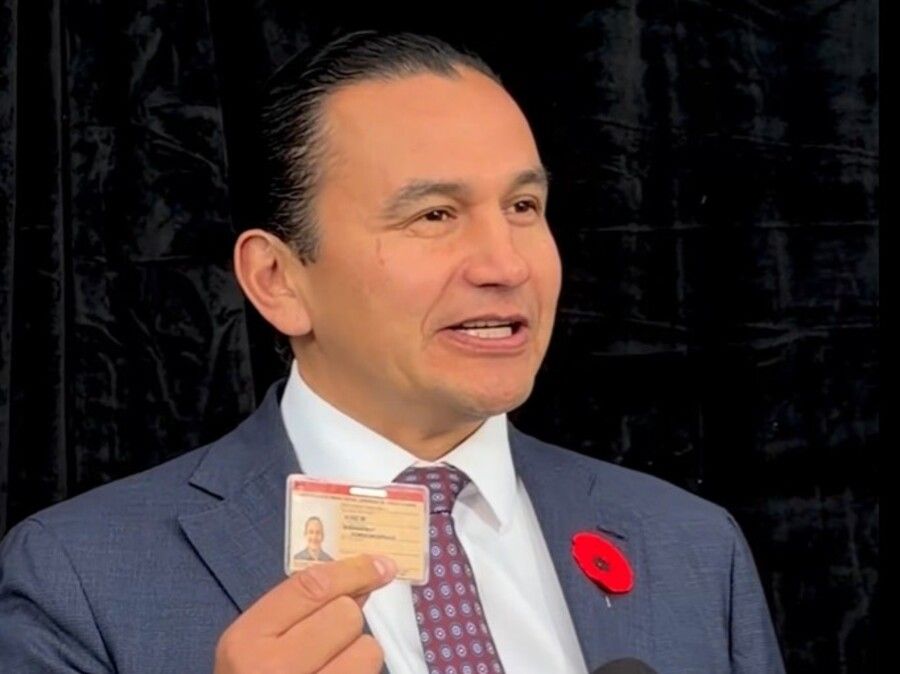
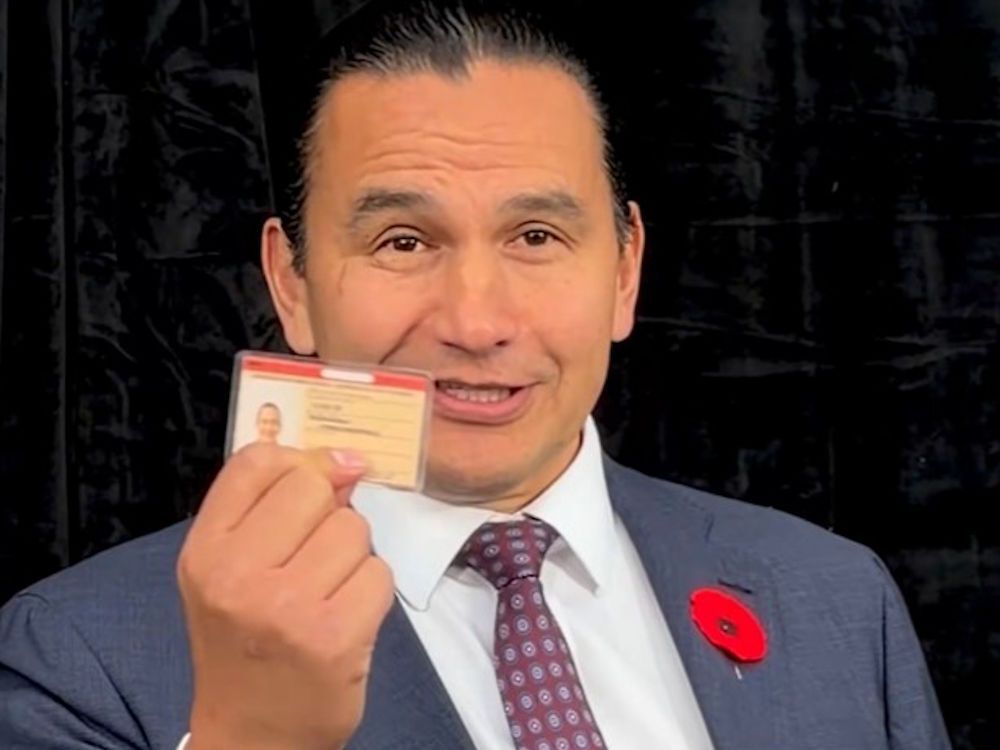
Last week in Ottawa, Manitoba Premier Wab Kinew held up his own status card and said the same thing.
asserted
Kinew → hold → thing
The Indian Act is a race-based form of identification that has no place in a modern country.
asserted
that → base → country
Abolishing it is overdue; keep the treaties and Section 35 rights, but drop the paternalism.
asserted
Abolishing → abolish → paternalism
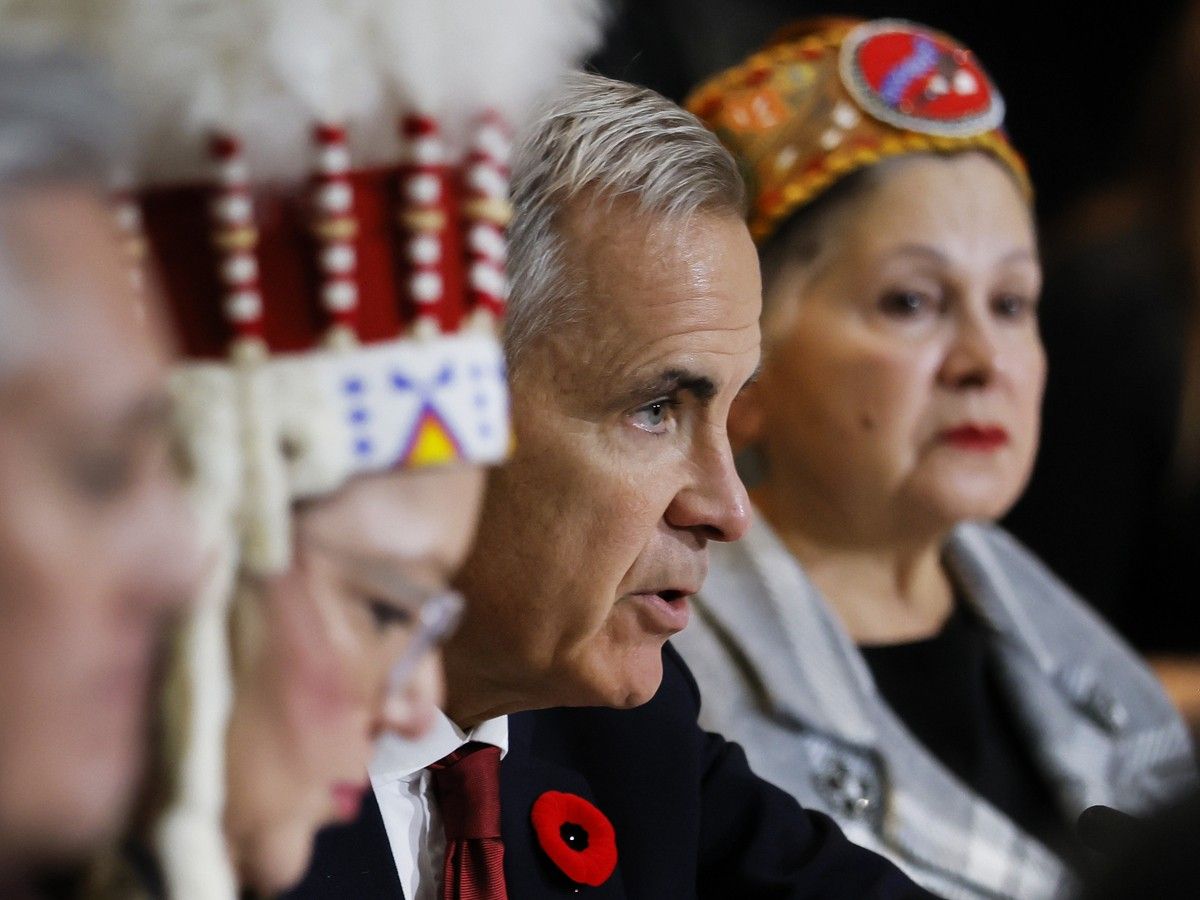
Prime Minister Mark Carney called the act racist, anachronistic and said he is open to reforming or abolishing it — with First Nations, of course.
asserted
he → call → course
That sounds like progress.
asserted
That → sound → progress
Then you look at what actually happened in British Columbia.
asserted
what → look → Columbia
In September 2025, the Eby government, the federal government and the Haida Nation went to B.C. Supreme Court and asked Justice Christopher Giaschi to declare that the Haida hold Aboriginal title to the terrestrial areas of Haida Gwaii under Section 35(1) of the Constitution.
asserted
Haida → go → Constitution
The NDP had already recognized title by agreement and legislation; they wanted the court to lock it in so a future government could not undo it.
uncertain
government → recognize → it
The Haida lawyer, David Paterson, was more direct: “There are agreements in place, but agreements can be revoked.
asserted
agreements → be → place
There is provincial legislation in place, but legislation can be repealed.”
asserted
legislation → be → place
“There are people,” — he nodded at the politics — “who would like to repeal this legislation.
asserted
who → be → legislation
There are people who would like to see this arrangement not succeed.”
asserted
arrangement → be → ?
The Haida Nation needed the court to “tie a ribbon” around the deal so nobody would still be arguing about title in twenty years.
asserted
nobody → need → years
Justice Giaschi tied the ribbon.
asserted
Giaschi → tie → ribbon
The declaration is constitutional; ordinary politics cannot touch it.
asserted
politics → touch → it
Veteran B.C. journalist Vaughn Palmer has detailed how little the public was told.
asserted
public → detail → little
The provincial and federal governments issued no announcement.
asserted
governments → issue → announcement
Indigenous Relations Minister Spencer Chandra Herbert said he learned about his own government’s intervention after the fact.
asserted
he → say → fact
Attorney General Niki Sharma called a press release a “waste” because it was merely “tying up loose ends.”
asserted
it → call → ends
As Palmer suggests, entrenching title against a possible Conservative government is some loose end.
uncertain
entrenching → suggest → government
This fits a pattern of secrecy that has become the NDP’s default on land.
asserted
that → fit → land
Documents unearthed by Northern Beat and reported by Adam Pankratz show the government planning to hand over roughly 400 parcels of public Crown land to First Nations.
asserted
government → unearth → Nations
Briefing notes labelled confidential were dated just before Eby called the snap election; anyone who wanted to see them had to sign a non-disclosure agreement and stay quiet.
asserted
who → label → agreement
The Haida arrangement itself only became public because the nation announced it.
asserted
nation → become → it
Over and over, major transfers of public land happen first and the public is told later — if at all.
asserted
public → happen → land
Now the Conservatives have won a majority in B.C. under premier-designate Lorne Doerkson, who has already reaffirmed the pledge to repeal the Declaration on the Rights of Indigenous Peoples Act (DRIPA), the 2019 statute that courts have treated as binding provincial law.
asserted
courts → win → law
Conservatives argue it has produced uncertainty, litigation and barriers to development rather than workable reconciliation.
asserted
it → argue → reconciliation
Whether they succeed or not, the Haida declaration sits outside their reach.
asserted
declaration → succeed → reach
One government can be replaced; a Section 35 consent order cannot.
asserted
order → replace → ?
The mixed messages are not accidental.
asserted
messages → mix → ?
Politicians talk about ending race-based statutory distinctions and modernizing relationships.
asserted
Politicians → talk → relationships
At the same time, governments engineer constitutional permanence for specific title claims through consent orders that bypass full trials and public scrutiny, and quietly prepare to give away hundreds of parcels of Crown land.
uncertain
that → engineer → land
First Nations are told they will have a meaningful role in nation-building.
asserted
they → tell → building
Investors and residents are told projects will proceed with certainty.
asserted
projects → tell → certainty
Both cannot be true when the legal ground keeps shifting or when major decisions are locked in against future democratic choices.
asserted
decisions → keep → choices
…and 9 more, not listed.
 The Aporia