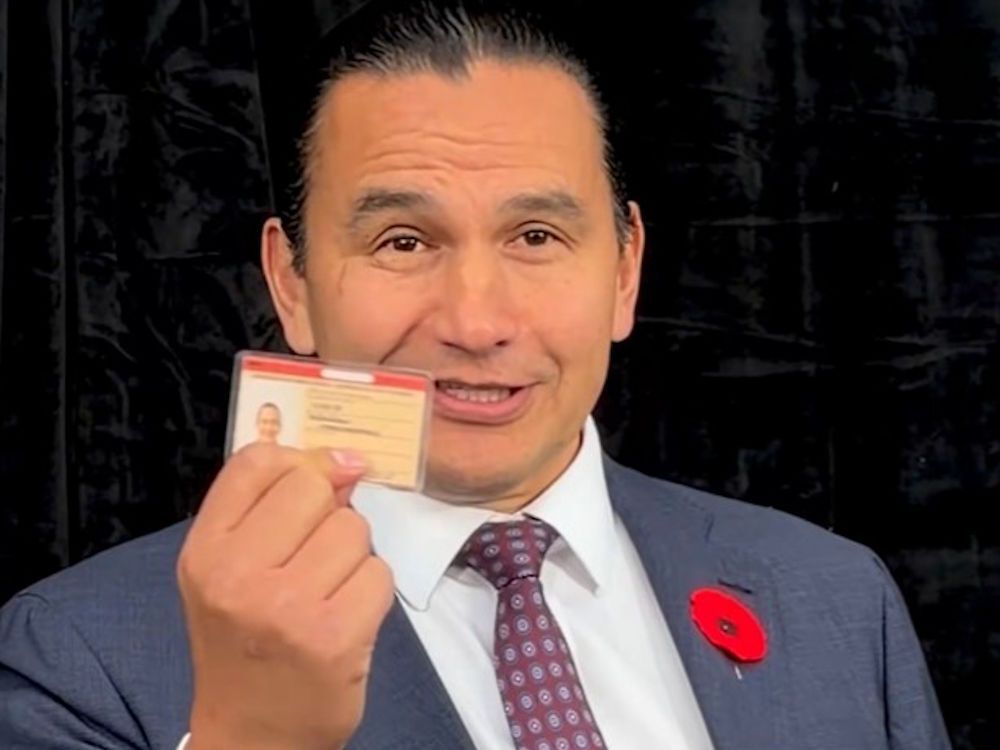
On Monday, following a summit between first ministers and First Nations leaders, Manitoba Premier Wab Kinew brandished his Indian status card in front of reporters, called it a “race-based form of identification” and appealed for the end of the law that made such a thing possible.
asserted
thing → follow → law
Passed into law 150 years ago, it sets out the basic legal frameworks under which First Nations exist in Canada: How band councils are elected, who qualifies as an “Indian,” and why reserve land can’t be sold or traded without Crown approval.
asserted
land → pass → approval
Earlier iterations of the Act even barred Status Indians from voting in federal elections or possessing alcohol.
asserted
iterations → bar → alcohol
Framers of the Indian Act at the time were open about its paternalistic goals, agreeing in House of Commons debates that Indians were “like children to a very great extent” who “required a great deal more protection than white men.”
Nowadays, it would be difficult to name a piece of Canadian federal legislation that is more disliked than the Indian Act.
asserted
that → agree → Act
As Kinew demonstrated, it’s widely reviled among the one million or so card-carrying Status Indians who are subject to it.
asserted
who → demonstrate → it
“The Indian Act marks one of the many direct attacks on our nations including efforts to silence our languages, eliminate our cultures and dispossess us of our lands,” Shawn Atleo, a former head of the Assembly of First Nations, wrote for the National Post in 2012.
asserted
Atleo → mark → 2012
“It attacked women and children, identity, and restricted freedom to move, trade, and even socialize,” it read.
asserted
it → attack → freedom
It’s also the rare piece of federal policy that is despised with equal fervour by both conservatives and progressives.
asserted
that → ’ → conservatives
Kinew is an NDPer, and he quoted Karl Marx in his official statement calling for the Indian Act’s end.
asserted
he → quote → end
We have nothing to lose but our chains,” he wrote in a Monday social media post.
asserted
he → have → post
And it’s why, for at least a generation, the official line in Ottawa is that the Indian Act is outdated and needs to go.
asserted
Act → ’ → Ottawa
More than 30 years ago, a Liberal Indian Affairs minister, Ron Irwin, could be heard issuing a pledge to abolish the Indian Act that wouldn’t sound out of place in 2026.
uncertain
that → hear → 2026
But the only reason abolition has never happened is because of disagreement over what comes next.
asserted
what → happen → disagreement
On the one extreme, Indigenous rights and privileges are phased out entirely.
asserted
rights → phase → extreme
Proposed by then Indian Affairs Minister Jean Chrétien, it proposed to shred the Indian Act, turn reserves into private property and abolish “Indian Status.”
asserted
it → propose → Status
“The Government does not wish to perpetuate policies which carry with them the seeds of disharmony and disunity … it seeks a partnership to achieve a better goal,” read the preamble to the document, which was officially known as the Statement of the Government of Canada on Indian Policy 1969.
asserted
which → wish → Policy
In one of the most widely circulated essays rejecting the proposal, Cree lawyer Harold Cardinal said that while the Indian Act was discriminatory, it was at least “a lever” that would disappear if Indigenous people became just another voter cohort.
“We would rather continue to live in bondage under the inequitable Indian Act than surrender our sacred rights,” wrote Cardinal.
asserted
Cardinal → circulate → rights
On the other extreme, the Indian Act is scrapped in favour of a latticework of new sovereignty and self-governance rights that could have massive unintended consequences on the workings of the federation.
uncertain
that → scrap → federation
As one example, it’s occasionally been suggested that the Indian Act be phased out in favour of something akin to the UN Declaration on the Rights of Indigenous Peoples (UNDRIP).
uncertain
Act → suggest → Peoples
Conservative-appointed Senator Patrick Brazeau suggested as much in 2019.
uncertain
Brazeau → appoint → 2019
But just two days before Kinew made his call to abolish the Indian Act, the B.C. Conservatives won a landslide victory in B.C. due in part to public dissatisfaction at UNDRIP having been encoded into B.C. law.
asserted
Conservatives → make → law
The declaration includes a provision stating that “Indigenous peoples have the right to the lands, territories and resources which they have traditionally owned, occupied or otherwise used or acquired.”
asserted
they → include → which
And in a B.C. court ruling last December, a judge concluded that this effectively gave UNDRIP precedence over every other law in the province.
asserted
this → conclude → province
The ruling struck down one of B.C.’s oldest laws, the Mineral Tenure Act, on the grounds that it wasn’t UNDRIP-compliant.
asserted
it → strike → grounds
There’s also just the simple fact that the Indian Act entrenches a lot of band council power, not all of whom are open to losing it.
asserted
all → ’ → it
The Constitution Act is considered almost impossible to amend, since it requires the unanimous consent of all 10 provinces.
asserted
it → consider → provinces
Thus, any renegotiation of its terms invites grievances from all 10.
asserted
renegotiation → invite → 10
The Indian Act, by comparison, covers 614 individual band governments.
asserted
Act → cover → governments
Wrote Kinew on Monday, “we will, of course, need new legislation that is an interface between the federal government and First Nations.
asserted
that → write → government
And this MUST be created alongside Chiefs and First Nation governments every step of the way.”
asserted
this → create → way
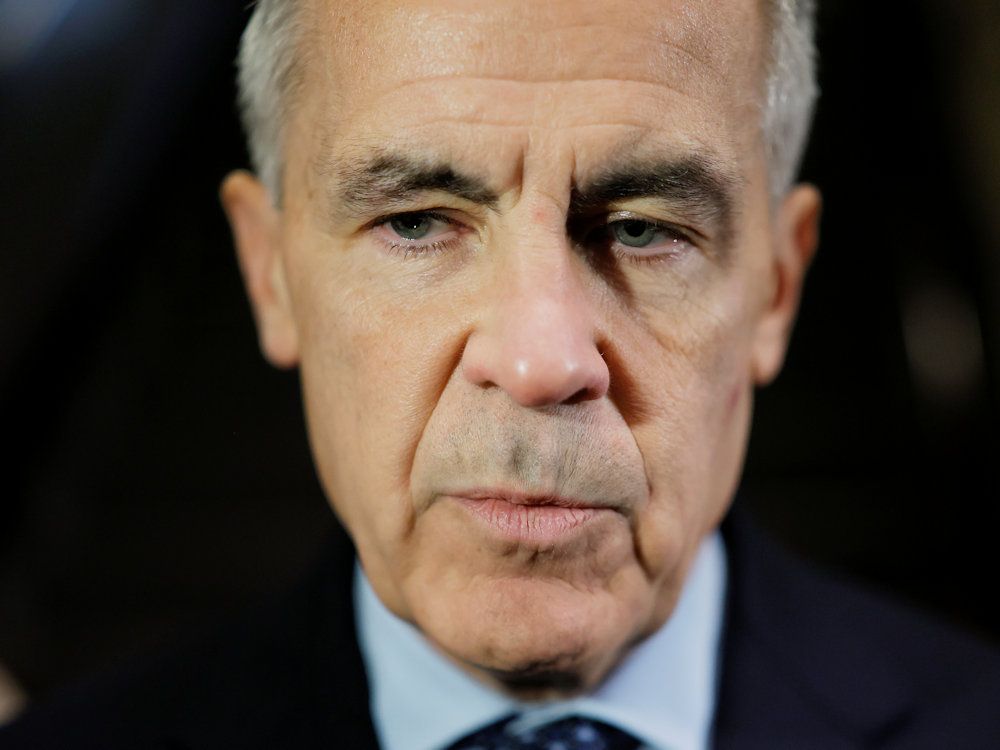
Prime Minister Mark Carney agreed that the Indian Act was racist and outdated, but that “not everybody” agreed with the specifics of Kinew’s proposal.
asserted
everybody → agree → proposal
IN OTHER NEWS
Ontario’s municipal elections on Tuesday saw the defeat of 89-year-old Gordon A. Krantz, the longest-serving mayor in Canadian history.
asserted
elections → see → history
Krantz has been mayor of Milton since 1980, and has held the position consistently for the interim 46 years, winning 14 consecutive elections.
asserted
Krantz → hold → elections
And Krantz’s final election was a bit of a blowout; winner George Minakakis got 45 per cent to his 25.4 per cent.
asserted
Minakakis → get → cent
Minakakis’s basic electoral pitch was that the town was growing rapidly and needed new leadership.
asserted
town → grow → leadership
Krantz first won the mayoralty when the population was about 30,000.
asserted
population → win → mayoralty
As of last count, it’s now higher than 160,000.
asserted
it → ’ → count
Before Krantz, the usually cited example for a never-ending Ontario mayoralty was Mississauga’s Hazel McCallion, although she made it just 36 consecutive years before retiring at age 93.
asserted
she → cite → age
And Ontario does seem to dominate in the category of eternal municipal politicians.
asserted
Ontario → seem → politicians
With Krantz’s loss, the “longest serving mayor” record now falls to Milt McIver, who won re-election Monday night as mayor of the Municipality of Northern Bruce Peninsula, a position he has held since 1982.
asserted
he → serve → 1982
 The Aporia