Why Houthi gains in Yemen could push gas prices even higher

Read the original at NPR ↗
Cite

Batrawy, A. (2026, September 11). Why Houthi gains in Yemen could push gas prices even higher. NPR. https://www.npr.org/2026/09/11/nx-s1-5966379/houthi-gains-gas-prices

Dated when The Aporia collected the article, usually within hours of publication. Check the original for its exact date and byline.

NPR · collected 2026-09-11 · by Aya Batrawy

Quick Summary

Houthi fighters have taken control of the port city of Mokha in Yemen, leading to increased tensions and higher oil prices. The price of Brent crude has shot up to nearly $110 a barrel following the fighting, which coincided with an exchange of fire between the US and Iran in the Persian Gulf. Saudi Arabia's oil exports are being squeezed due to Houthi attacks on ships in the Bab al-Mandeb waterway, leading to higher energy prices worldwide. Gasoline prices in the US have risen by 34% from last year, averaging $4.28 a gallon, while diesel is up by 61%.
Written locally by qwen2.5:14b on 2026-09-11, using this article's own text rather than the other coverage of the same event (that is the story summary below).

AI analysis runs on qwen2.5:14b, locally

Story summary

Yemen's Houthi rebels captured the port city of Mokha and advanced towards strategic locations in the Bab el-Mandeb Strait. This includes reaching Perim island, tightening their control over vital shipping routes that connect the Red Sea to the Gulf of Aden. The capture potentially disrupts maritime trade and increases threats to energy markets, as these straits are crucial for global oil transportation. Saudi Arabia has seen its crude supply fall significantly due to disruptions in the Bab el-Mandeb Strait by Houthi groups. Full control over this strategic waterway could give Iran a significant advantage against the U.S., reducing critical transit corridors and causing oil prices to surge. The Yemeni government, backed by Saudi Arabia, has retreated from several coastal towns towards Dhubab, overlooking the strait, while engaging in airstrikes on Houthi positions. International observers fear escalating conflicts might renew an all-out civil war in Yemen. Smoke detected near Saudi's East-West oil pipeline further complicates regional stability and energy security concerns. These developments raise alarms about global economic impacts, particularly concerning inflation and supply chain disruptions. The U.S., as a close ally of Saudi Arabia, is closely monitoring the situation, wary of potential escalations that could draw it deeper into conflict with Iran-backed Houthi rebels.

Written for “Houthis Capture Strategic Island Coas…” on 2026-10-27, grounded in this article and the 30 other(s) covering the same event.

Story

📰 Houthis Capture Strategic Island Coas…
Politics · 31 article(s) covering the same event. Compare every outlet's account →

Compared with similar articles

This article reads leans right and hedges 8% of its claims. Each row says how that neighbour differs.
Al Jazeera
⚖️ leaning not scored 🔴 0% hedged 0 of 30 📰 publisher trust 60
“Both articles describe the Houthi rebel group launching an offensive against Saudi Arabian-backed government forces in Yemen, specifically targeting oil facilities and gaining control of a key port city near the Bab al-Mandeb waterway.”
Euronews
⚖️ Leans right 🔴 7% hedged 2 of 28 📰 publisher trust 60
“Both articles report on the Houthi takeover of the Red Sea port city of Mokha at approximately the same time.”
South China Morning Post
⚖️ leaning not scored 🔴 0% hedged 0 of 7 📰 publisher trust 64
“Both articles describe the Houthi seizure of the port city Mocha and their gains in Yemen, specifically mentioning the capture on Thursday/Friday.”
CBS News
⚖️ Leans right 🔴 9% hedged 28 of 311 📰 publisher trust 66
“Both articles describe the Houthi's seizure of the key Red Sea port city of Mokha on September 11, 2026.”
Toronto Star
⚖️ leaning not scored 🔴 4% hedged 1 of 28 📰 publisher trust 64
“Both articles report on the Houthi rebels capturing a strategic location in Yemen's Red Sea coastline on September 11, 2026.”
September 10, 2026 same event · 100%
Letters from an American
⚖️ Leans right 🔴 10% hedged 2 of 21
“Both articles report on the same Houthi takeover of Mocha and control of Red Sea shoreline near Bab el-Mandeb strait on September 10, 2026.”
TIME
⚖️ leaning not scored 🔴 26% hedged 9 of 34 📰 publisher trust 59
“Both articles report on the Houthi capture of the port city of Mokha in Yemen on the same day and describe the same outcome, indicating they are covering the same specific incident.”
The Independent
⚖️ Leans strongly left further left than this 🔴 22% hedged 8 of 36 📰 publisher trust 59
“Both articles report on the Houthi takeover in Yemen, specifically mentioning the same locations and events: Perim island, Dhuba town, and the Bab el-Mandeb Strait.”
BBC News
⚖️ leaning not scored 🔴 9% hedged 3 of 34 📰 publisher trust 69
“Both articles describe the Houthis' rapid territorial gains along Yemen's Red Sea coast, including the capture of the port city of Mokha and significant stretches of coastline.”
CBS News
⚖️ leaning not scored 🔴 16% hedged 27 of 164 📰 publisher trust 66
“The articles discuss different aspects of regional tensions affecting oil prices but describe distinct events: one focuses on Houthis taking control of a port city in Yemen, while the other discusses delays in talks regarding the Strait of Hormuz.”
How this article was measured signals, leaning charts, publisher record, byline, topics and claims

Signals How these are calculated →

Claims extracted
24
sentences that state something as happening or true
Uncertain
8%
2 of 24 hedged ("reportedly", "may", "according to")
Leaning
Leans right
of the writing, not the subject · beta estimate
Publisher signals
60/100
NPR's corrections and hedging, across everything collected from it. Not a measure of accuracy.
Outlets on this story
31
Politics
Same framing elsewhere
1
articles that frame the event the way this one does
Analyzed 2026-09-11 · how these are computed

How this is being covered How these are calculated →

Article leaning vs. publisher reliability
Source leaning vs. consistency

Publisher

NPR · 882 article(s) · 3 correction(s) detected
Running correction rate · 3 correction(s)

Who wrote this

Aya Batrawy
2 article(s) here · 1 carrying a prediction
🔮 And it says that number will likely rise as frontline fighting moves.
🔮 Why Houthi gains in Yemen could push gas prices even higher DUBAI, United Arab Emirates -
Also by Aya Batrawy
Nothing else under this byline is closely related to this article, so these are simply their most recent.

Topics

Houthi Iran Saudi Saudi Arabia Yemen

Subjects

Saudi Arabia GPE · 8× Yemen GPE · 8× Houthi NORP · 6× Houthis NORP · 6× Iran GPE · 6× Saudi NORP · 5× Mokha GPE · 3× Yemeni NORP · 3× Arab NORP · 2× Sanaa GPE · 2×

Narrative

Saudi Arabia is also a key stabilizer of energy prices in OPEC, but with its exports curtailed by the two conflicts and other Gulf Arab producers struggling to get oil and gas out, countries around the world are digging into emergency oil reserves to plug the gap, leading to higher prices.
framing: assertive · carried by 1 article(s) · first seen 2026-09-11
🔮 Why Houthi gains in Yemen could push gas prices even higher DUBAI, United Arab Emirates -
2026-09-11 · NPR
Why Houthi gains in Yemen could push gas prices even higher · assertive framing

Claims (24 extracted, 2 hedged)

Why Houthi gains in Yemen could push gas prices even higher DUBAI, United Arab Emirates - uncertain
gains → push → prices
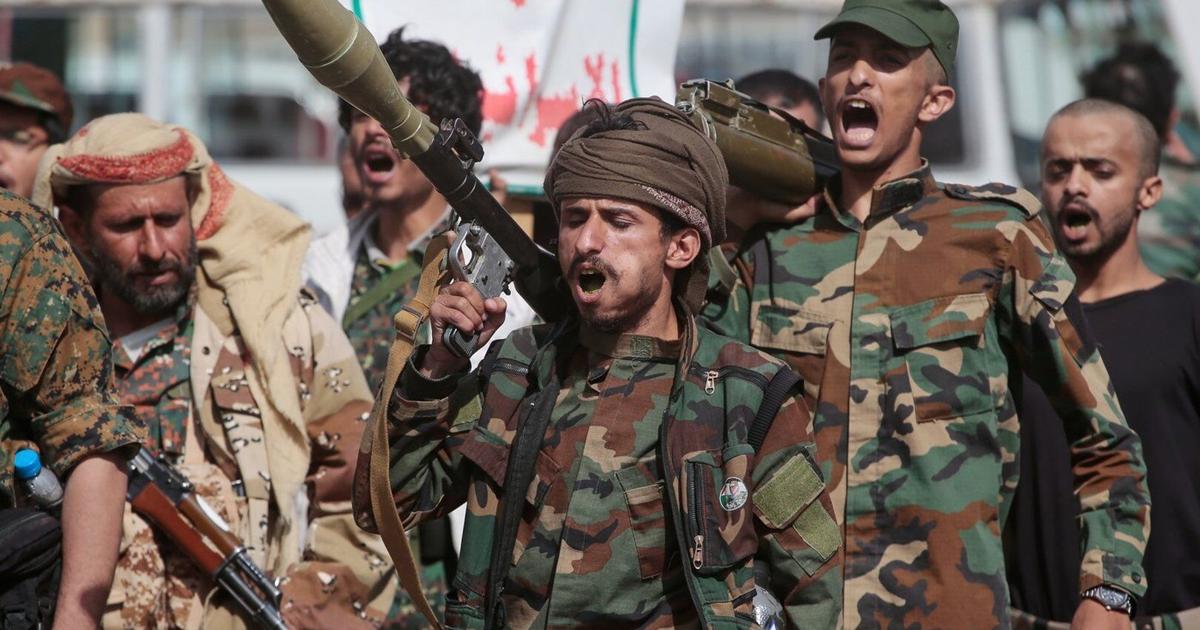
A tenuous years-long truce in Yemen unraveled further this week as Iran-backed Houthi fighters pushed out Saudi-backed Yemeni forces along a key stretch of Red Sea coastline. asserted
fighters → unravel → coastline
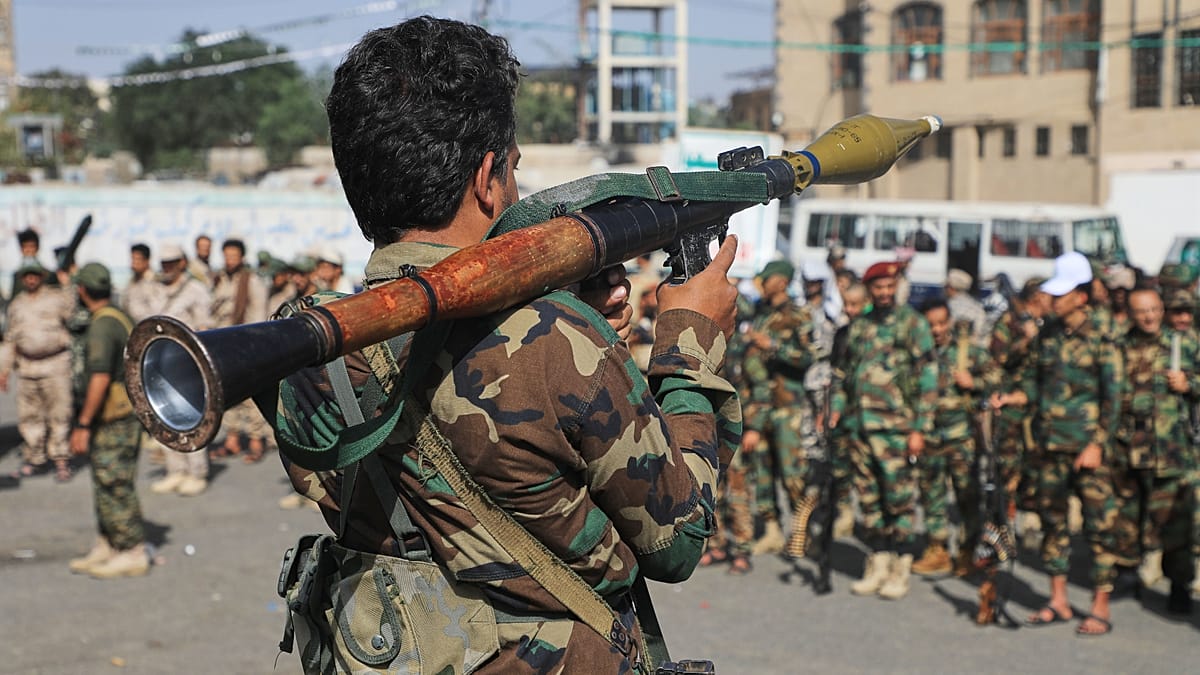
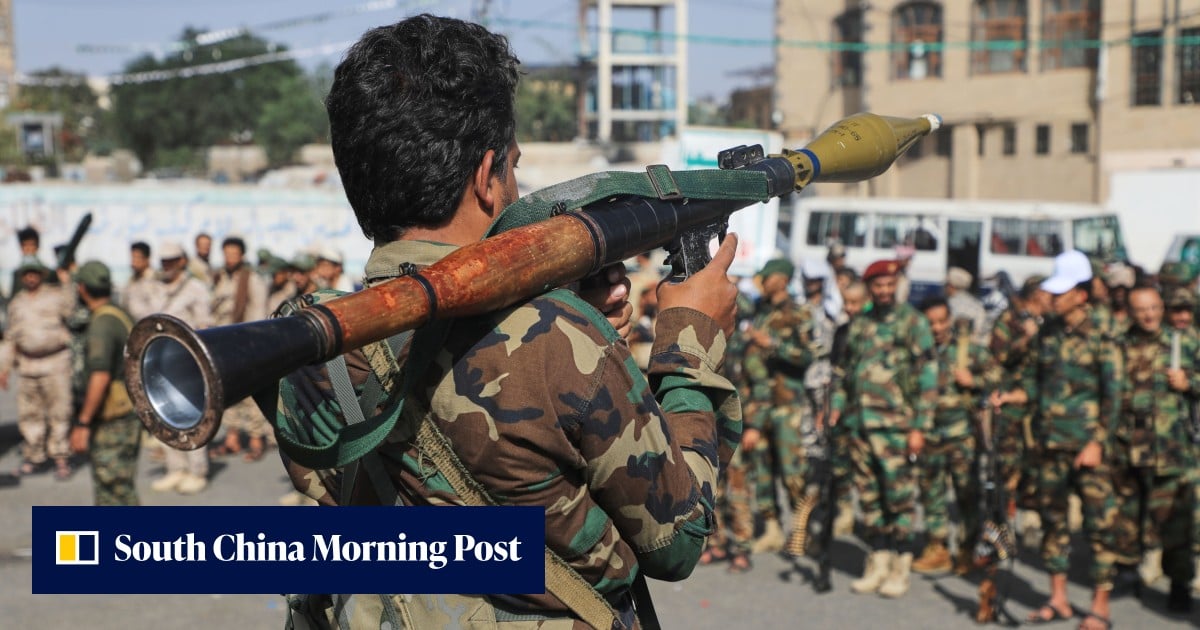
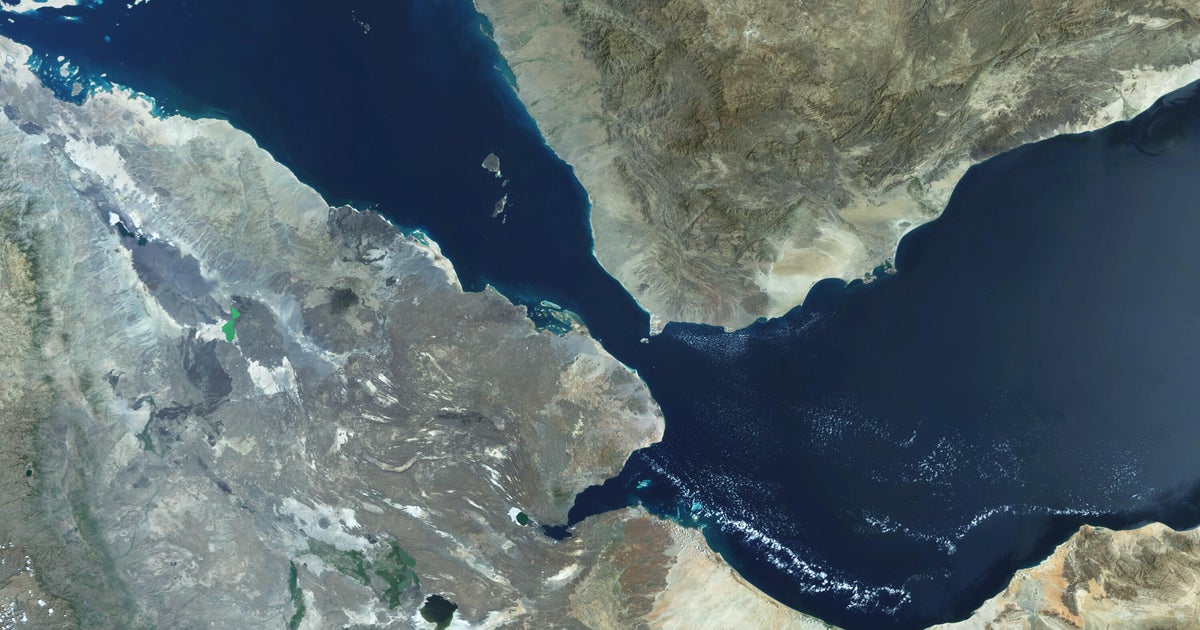
Statements by the Houthis and a rival Yemeni commander, who's cited by The Associated Press, said Friday the Iran-backed group had taken control of the port city of Mokha, just north of the Bab al-Mandeb waterway. asserted
group → cite → waterway
The fighting in Yemen, and the Houthis' targeting of Saudi oil carriers around that waterway, coincided this week with another exchange of fire in the Persian Gulf between the United States and Iran. asserted
fighting → coincide → States
As a result, the price of Brent crude—a global metric for oil prices—shot up to nearly $110 a barrel. asserted
price → shoot → 110
The London-based research firm Capital Economics says the fighting on both sides of the Arabian Peninsula raises the risk of even further energy price hikes in the coming weeks. asserted
fighting → base → weeks
AAA says gasoline prices in the United States are up by 34% from last year at this time, averaging $4.28 a gallon now. asserted
prices → say → 4.28
Diesel, used for farming and trucks, is up by 61%. asserted
Diesel → use → %
Data from maritime analytics firm Kpler, and cited by multiple news outlets, shows Saudi Arabia exported just 3.2 million barrels a day last month, its lowest level in more than a decade. asserted
Arabia → cite → decade
While higher oil prices help Gulf Arab producers like Saudi Arabia offset the sharp fall in their energy exports, they still face growing budget deficits, in part due to attacks on ships in the Strait of Hormuz. asserted
they → help → Hormuz
Now, Saudi oil tankers run a gauntlet to bypass the Houthi attacks in the southwestern Bab al-Mandeb shipping corridor, squeezing one of the world's biggest oil producers. asserted
tankers → run → producers
Saudi Arabia is also a key stabilizer of energy prices in OPEC, but with its exports curtailed by the two conflicts and other Gulf Arab producers struggling to get oil and gas out, countries around the world are digging into emergency oil reserves to plug the gap, leading to higher prices. asserted
countries → curtail → prices
Saudi Arabia had been re-routing its crude through an east-west pipeline leading to the Red Sea as a fallback measure to keep oil flowing following the closure by Iran of the Strait of Hormuz in response to the U.S.-Israeli war. asserted
Arabia → re → war
The Houthi attacks on shipping have forced Saudi Arabia to use a much longer and costlier route through the Suez Canal to the Mediterranean Sea and around Africa in order to reach buyers in Asia. asserted
attacks → force → Asia
The Houthi takeover of the Yemeni port city of Mokha comes just days after the group fired missiles and drones at four regions of southwestern Saudi Arabia. asserted
group → come → Arabia
The group says the attacks were in response to dozens of Saudi airstrikes on Yemen, including one that killed civilians at a prison. asserted
that → say → prison
The Saudi Energy Ministry said the Houthis struck Saudi oil facilities, sparking fires that halted operations on Tuesday. asserted
that → say → Tuesday
Saudi Arabia said more than 70 people were wounded in the attacks. asserted
people → say → attacks
The renewed fighting in Yemen comes 11 years after Saudi Arabia first led a coalition of Arab countries into war in Yemen to roll back a Houthi takeover of the capital, Sanaa, and reinstall Yemen's government to power. asserted
Arabia → renew → power
More than a decade later, the Houthis still control Sanaa. asserted
Houthis → control → Sanaa
The U.S. says the Houthis are another regional proxy of Iran, supported by weapons and training. asserted
Houthis → say → weapons
Iran's Foreign Ministry said in statements this week the Houthis, which Iranian leaders refer to as "the resistance", are independent and operate on their own authority. asserted
leaders → say → authority
The deadly fighting in recent days for control of Mokha and other areas of Yemen's western coast has displaced at least 18,500 people, according to the United Nations' International Organization of Migration. uncertain
fighting → displace → Migration
It says families are fleeing with nothing and arriving at humanitarian sites that already lack emergency food stocks and shelter supplies. asserted
that → say → stocks

💬Give feedback
🕘History 🎫Support