The Aporia
Benadjaoud, Y. (2026, October 28). Some wellness peptides will become widely available, HHS says. ABC News (US). https://abcnews.com/Health/wellness-peptides-become-widely-hhs/story?id=137650076
Benadjaoud, Youri. “Some wellness peptides will become widely available, HHS says.” ABC News (US), 28 Oct. 2026, https://abcnews.com/Health/wellness-peptides-become-widely-hhs/story?id=137650076.
Benadjaoud, Youri. “Some wellness peptides will become widely available, HHS says.” ABC News (US), October 28, 2026. https://abcnews.com/Health/wellness-peptides-become-widely-hhs/story?id=137650076.
Dated from the outlet's own feed. Check the original for its byline.
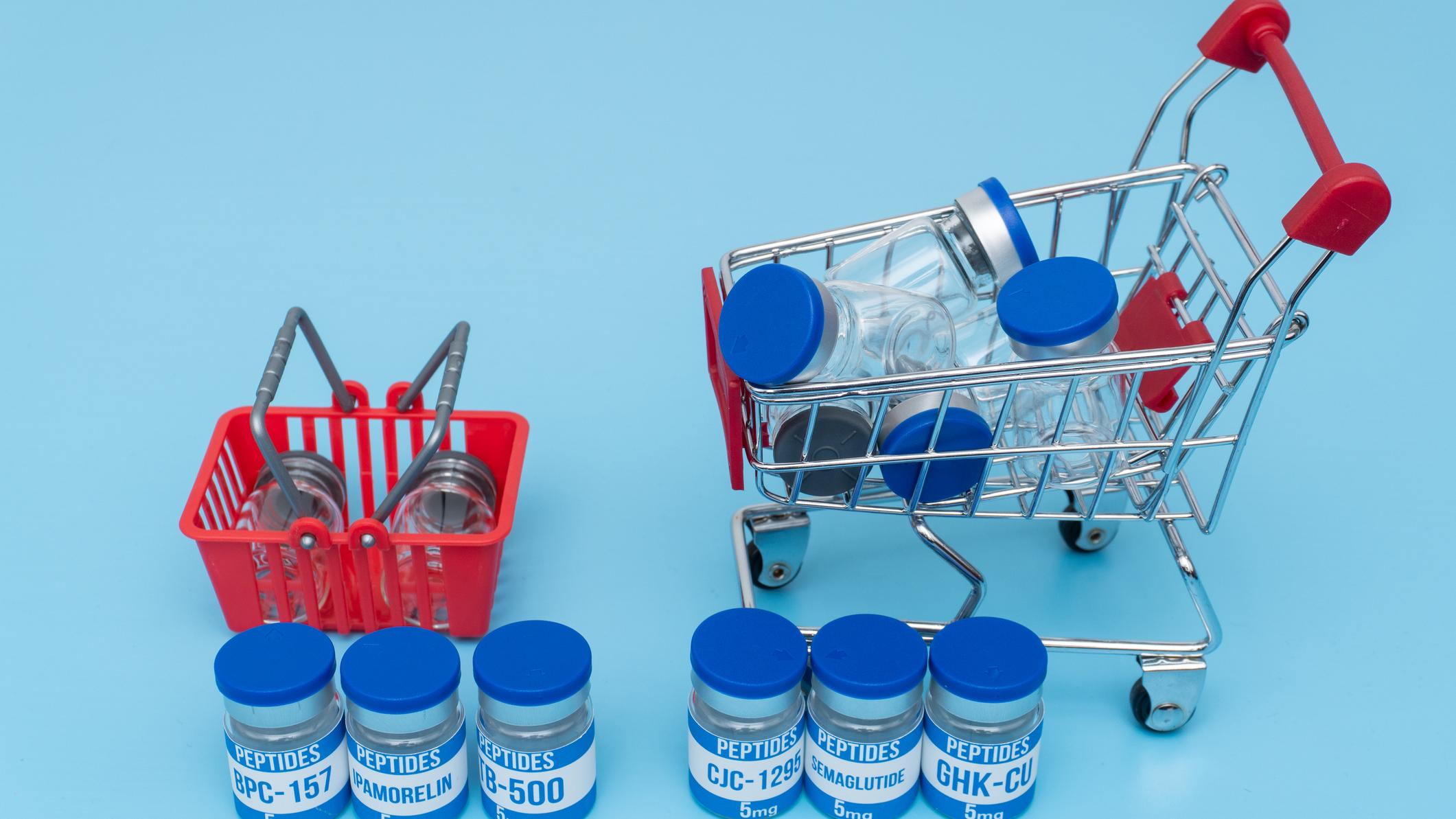
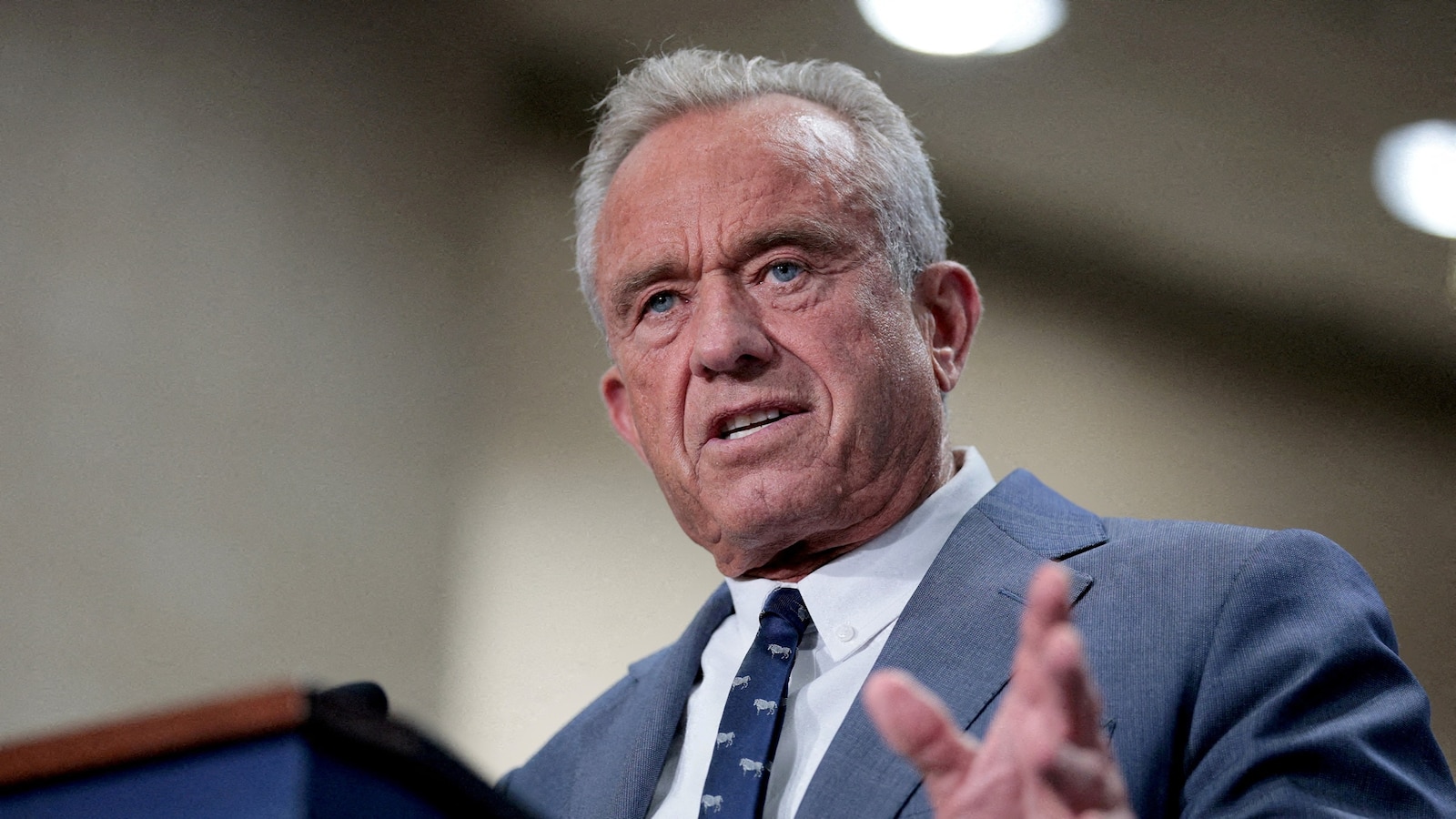
The Trump administration, through Health Secretary Robert F. Kennedy Jr., will allow pharmacies to make popular but unapproved peptides despite concerns from the FDA's own scientists who recommended against their use due to safety issues and lack of evidence for efficacy. The policy involves six specific peptides: BPC-157, Epitalon, KPV, MOTS-c, Semax, and TB-500. Kennedy’s decision aims to provide patients with a "controlled alternative" while requiring patient-specific prescriptions, traceable ingredients, quality testing, and safety reporting from compounders. Critics argue this policy leaves Americans in a grey area regarding the safety of these peptides. The FDA advisory committee had previously recommended against allowing pharmacies to dispense these substances despite significant interest in their use. This move effectively brings unregulated injectables out of the shadows but raises concerns about contamination and other adverse effects, as advised by medical experts. Despite these risks, Kennedy maintains that his policy advances patient choice and freedom while appropriately safeguarding health through quality controls. The FDA's stance remains pivotal in addressing potential long-term impacts on public health from these peptides' widespread use.