Two conservative influencers face felony charges over 'misconduct' at Minnesota polling site

Read the original at The Independent ↗
Cite

Vancleave, M., & Boone, R. (2026, October 28). Two conservative influencers face felony charges over 'misconduct' at Minnesota polling site. The Independent. https://www.independent.co.uk/news/world/americas/crime/james-okeefe-cam-higby-charges-polling-site-b3075217.html

Dated from the outlet's own feed. Check the original for its byline.

The Independent · collected 2026-10-28 · by Mark Vancleave, Rebecca Boone

Quick Summary

James O'Keefe and Cam Higby, two conservative influencers, were charged with felony offenses including unlawful voting and identity theft after they impersonated registered voters at a Minnesota polling site on August 11. Wearing costumes and using fake names and accents during their recorded stunt aimed to expose vulnerabilities in the state's voting laws, the men were suspected by poll workers who reported them, leading to charges announced by Hennepin County Attorney Mary Moriarty at a press conference on Wednesday. The incident highlights how election officials detected and responded appropriately to potential misconduct.
Written by AI on 2026-10-29, from this article's own text only (the story summary below draws on all the coverage).

AI analysis

Story summary

As of October 28, 2026, James O'Keefe (42) and Cam Higby (26), two right-wing activists, were charged with felony unlawful voting and identity theft by the Hennepin County Attorney's Office in Minnesota. The charges stem from a video they posted following their August 11 visit to multiple polling stations during the state primary election, where they posed as registered voters using names without those individuals' knowledge or permission. According to Mary Moriarty, Hennepin County Attorney, O'Keefe and Higby dressed in costumes and misrepresented themselves at polling places while attempting to use Minnesota’s vouching process, which allows a registered voter to confirm the eligibility of another voter when proof of address is lacking.

The activists claimed their actions were intended to highlight potential security vulnerabilities in election systems. However, Secretary of State Steve Simon emphasized that such disruptions would not be tolerated and stressed the importance of maintaining integrity in elections. The Minnesota law under which they are charged clearly prohibits intentionally misrepresenting one’s identity when applying for a ballot or voting.

O'Keefe and Higby's actions have raised concerns about election security and voter verification processes, particularly regarding the rarely used vouching procedure, which accounted for less than 0.6% of votes in the 2024 general election. Their case highlights the legal consequences of attempting to undermine public confidence in electoral procedures through deceptive practices.

Written for “Charges Filed Against Right-wing Influencers Voting” on 2026-10-29, grounded in this article and the 6 other(s) covering the same event.
Why this leaning score
The article's own words the score was based on. Each is quoted verbatim and was checked against the article text before being stored, so you can find it in the original.
Reading Leans right (beta estimate) Confidence high
Leaning: leans right for article 113101 (high confidence, 1 verified quote) · logged 2026-10-29

Story

📰 Charges Filed Against Right-wing Influencers Voting
Crime & Law · 7 article(s) covering the same event. Compare every outlet's account →

Compared with similar articles

This article reads leans right and hedges 13% of its claims. Each row says how that neighbour differs.
New York Post
⚖️ Leans right Hedges 4 of 41 claims Outlet record 66/100
Election Shenanigans Different event
The Dispatch
⚖️ Leans right Hedges 0 of 12 claims Outlet record 61/100
“The articles describe different events involving distinct individuals and locations (conservative influencers James O'Keefe and Cam Higby vs. Sarah Isgur and David French discussing election-related legal issues across multiple states).”
CBS News
⚖️ Leans right Hedges 1 of 22 claims Outlet record 66/100
ABC News (US)
⚖️ Leans left further left than this Hedges 0 of 3 claims Outlet record 70/100
The Guardian
Hedges 3 of 32 claims Outlet record 67/100
Washington Examiner
⚖️ Leans left further left than this Hedges 1 of 2 claims Outlet record 70/100
How this article was measured signals, leaning charts, publisher record, byline, topics and claims

Signals How these are calculated →

Claims extracted
38
sentences that state something as happening or true
Uncertain
13%
5 of 38 hedged ("reportedly", "may", "according to")
Leaning
Leans right
of the writing, not the subject · beta estimate
Publisher signals
59/100
The Independent's corrections and hedging, across everything collected from it. Not a measure of accuracy.
Outlets on this story
7
Crime & Law
Same framing elsewhere
1
articles that frame the event the way this one does
Analyzed 2026-10-29 · how these are computed

How this is being covered How these are calculated →

Article leaning vs. publisher reliability
Source leaning vs. consistency

Publisher

The Independent · 3278 article(s) · 6 correction(s) detected
Running correction rate · 6 correction(s)

Who wrote this

Mark Vancleave
3 article(s) here · 1 carrying a prediction
🔮 “The team wanted to determine how election workers would respond, what safeguards they would describe, and how far they would allow the vouching process to proceed,” the statement said.
Also by Mark Vancleave
Nothing else under this byline is closely related to this article, so these are simply their most recent.
Rebecca Boone
16 article(s) here · 1 carrying a prediction
🔮 “The team wanted to determine how election workers would respond, what safeguards they would describe, and how far they would allow the vouching process to proceed,” the statement said.
🔮 DaRonch’s testimony would later be instrumental in putting Bundy behind bars.
🔮 Federal attorneys asked a district judge to halt counting those ballots until individual voters' immigration statuses could be confirmed.
🔮 A panel of federal appellate judges on Sunday questioned the timing, constitutionality and authority of the Justice Department’s demand that California election officials set aside thousands of mail ballots from people the federal government suspects may not be citizens.
🔮 Tennessee execution team members failed multiple times to establish working IV lines in Christa Pike’s arms before her attempted execution and warned that some of her veins may have ruptured, or “blown,” before she was injected with pentobarbital, her attorney wrote in a court document filed Thursday.
🔮 Issuing a preliminary injunction at ABC’s request would mean “allowing them to sidestep” the path that Congress has set up for regulatory action appeals, Georgiev-Remmel said.
🔮 Despite contingency plans, executions are still botched at times Idaho called off the execution of Thomas Eugene Creech in 2024 after execution team members could not place a viable IV after eight attempts.
🔮 I feel like I handled it as well as I could."
🔮 I feel like I handled it as well as I could.”
🔮 There will likely be another round of court filings and legal arguments over the next several days before the judge decides whether to issue a longer-lasting ruling called a preliminary injunction.
Also by Rebecca Boone
Nothing else under this byline is closely related to this article, so these are simply their most recent.
All 16 articles by Rebecca Boone →

Topics

Florida Hennepin County Independent Minnesota West Palm Beach

Subjects

Moriarty PERSON · 6× O'Keefe PERSON · 5× Higby PERSON · 4× Minnesota GPE · 4× Cam Higby PERSON · 1× Hennepin County GPE · 1× Independent NORP · 1× James O'Keefe PERSON · 1× Mary Moriarty PERSON · 1× West Palm Beach GPE · 1×

Narrative

The person being vouched for also must sign an oath attesting to their identity and eligibility to vote, and must also provide their Minnesota driver's license or identification card number or the last four digits of their Social Security number.
framing: assertive · carried by 1 article(s) · first seen 2026-10-29
🔮 “The team wanted to determine how election workers would respond, what safeguards they would describe, and how far they would allow the vouching process to proceed,” the statement said.

Claims (38 extracted, 5 hedged)

Two conservative influencers are facing felony charges after giving false names to poll workers during the Minnesota primary election, prosecutors say. asserted
prosecutors → face → election
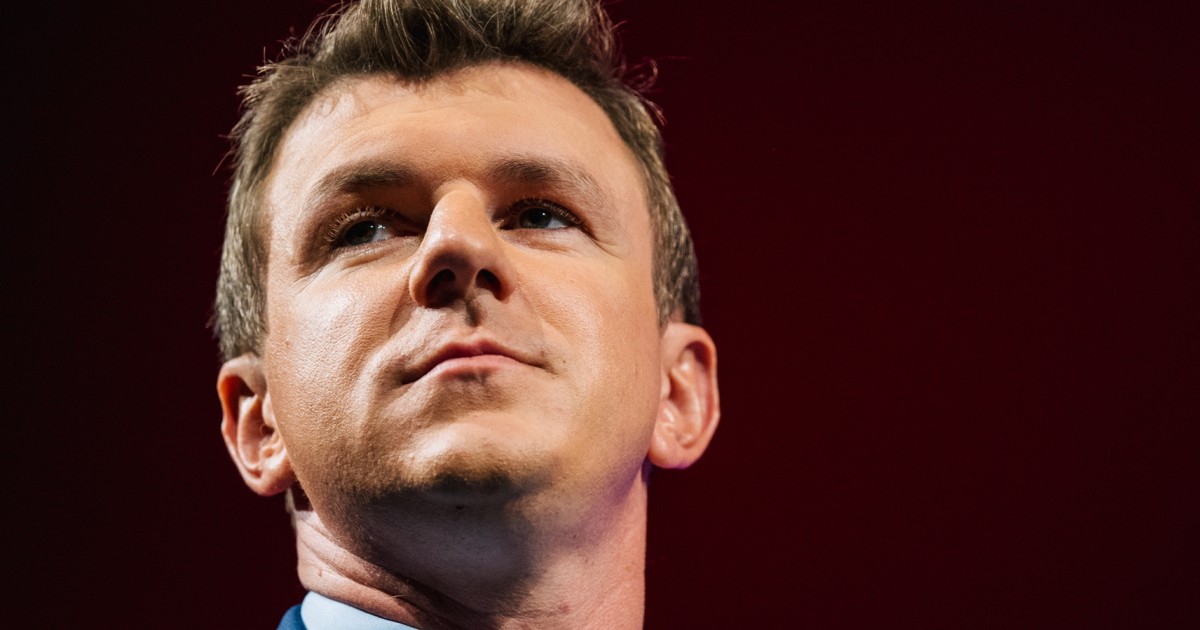
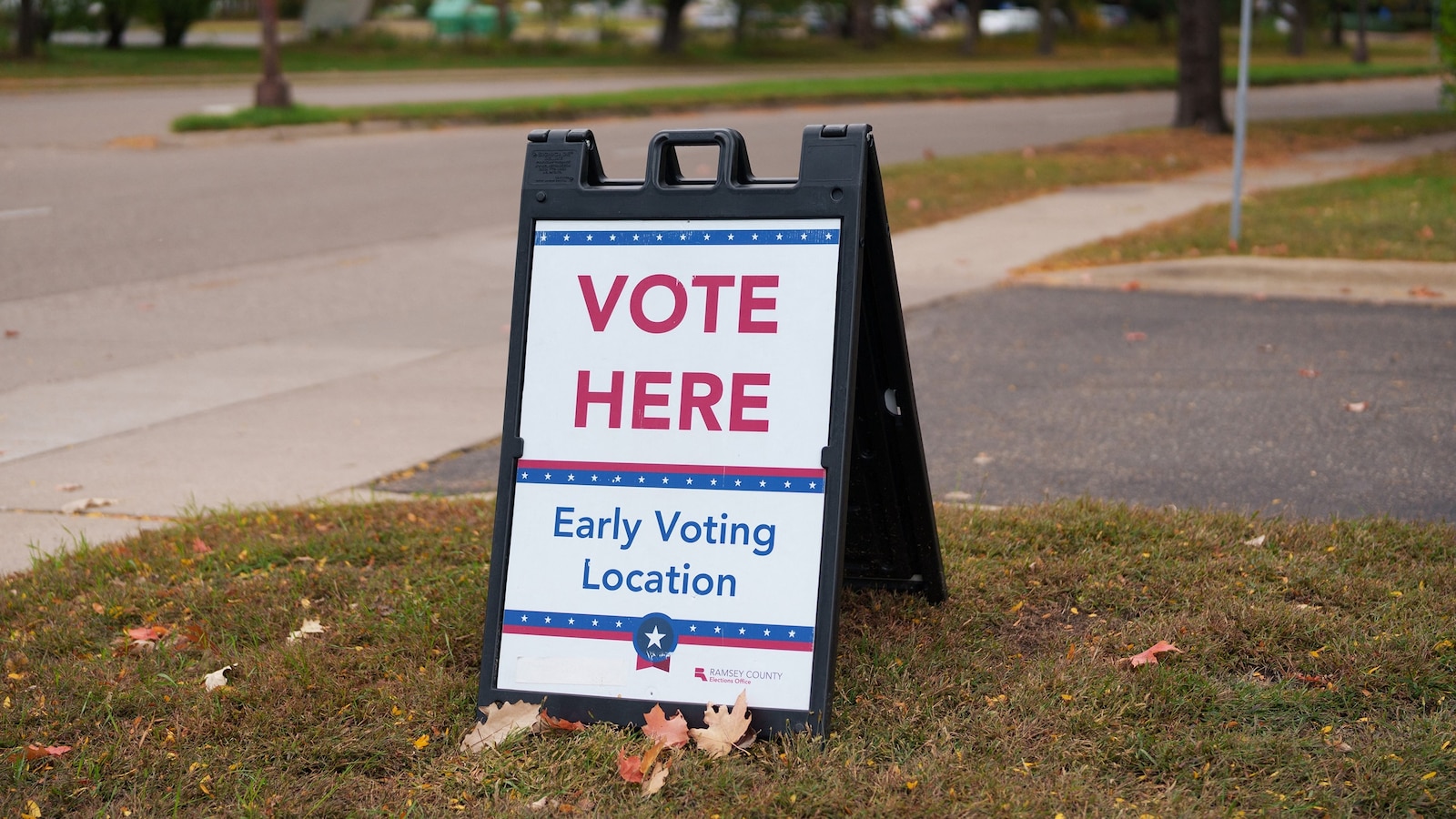
James O'Keefe and Cam Higby were charged with unlawful voting and identity theft over the stunt at a polling site on Aug. 11. asserted
O'Keefe → charge → Aug.
The men recorded the exchanges with poll workers for a video to expose what they claim are vulnerabilities in the state's voting laws, according to Hennepin County Attorney Mary Moriarty. uncertain
they → record → Moriarty
Moriarty announced the charges at a news conference on Wednesday. asserted
Moriarty → announce → Wednesday
She said O'Keefe, 42, of West Palm Beach, Florida, and Higby, 26, of Covington, Washington, wore costumes and used the names of registered state voters while starting the “vouching” process in the Aug. 11 primary. asserted
O'Keefe → say → primary
The process provides a way for unregistered voters who lack proof of their current address to register and vote after signing an oath of eligibility. asserted
who → provide → eligibility
Poll workers were suspicious and reported their behavior. asserted
workers → report → behavior
Moriarty said the situation shows that “the system for identifying misconduct and responding to it functioned well during the primary.” asserted
system → say → primary
O'Keefe, who founded and later was ousted as leader of Project Veritas, came to notoriety by publishing undercover sting-style videos like the one made at the Minnesota polling places. asserted
who → found → places
Neither he nor Higby has had an opportunity to enter a plea. asserted
he → have → plea
Minnesota allows registered voters to “vouch” for another voter in the same precinct by signing an oath attesting to the second person’s identity and that they live in the precinct. asserted
they → allow → precinct
The person being vouched for also must sign an oath attesting to their identity and eligibility to vote, and must also provide their Minnesota driver's license or identification card number or the last four digits of their Social Security number. asserted
person → vouch → number
The process is rarely used but is most commonly done by older adults who have not updated their address on a driver’s license because they no longer drive. asserted
they → use → license
In the November 2024 election, fewer than 0.6% of votes cast used the process, according to the Minnesota Secretary of State’s office website. uncertain
% → cast → website
Workers flag ‘strange behavior’ asserted
Workers → flag → behavior
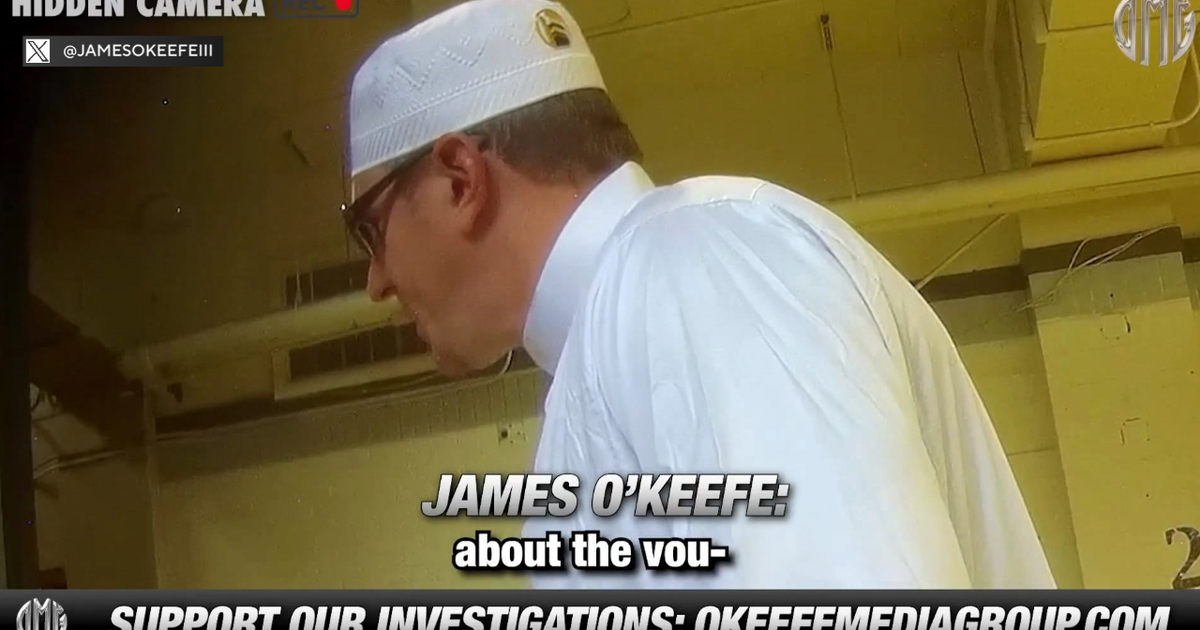
In their video that was posted to Youtube on Aug. 13, O'Keefe, Higby and others dressed in costumes similar to attire worn by some Muslims and used fake accents while asking about the vouching process at multiple Minneapolis voting sites. asserted
O'Keefe → post → sites
Higby's face was covered and when talking to poll workers O'Keefe referred to him as his wife. asserted
O'Keefe → cover → wife
Moriarty said both men “identified themselves using names of registered voters in the precinct without those voters' knowledge or permission.” asserted
men → say → knowledge
The poll workers noticed the “strange behavior” and flagged it to election officials, Moriarty said, who asked police to investigate. asserted
who → notice → police
The men stopped short of signing the oath required for vouching, but Moriarty said that giving false names and starting the process was enough to justify the felony charges. asserted
giving → stop → charges
“Free and fair elections are the bedrock of democracy, and their protection is one of our highest priorities,” Moriarty said. asserted
Moriarty → say → priorities
O'Keefe's organization, O'Keefe Media Group, posted a statement and the video on its website and said the men presented “an intentionally extreme scenario to expose what they see as the lunacy of the state’s 'vouching' system.” asserted
they → post → system
“The team wanted to determine how election workers would respond, what safeguards they would describe, and how far they would allow the vouching process to proceed,” the statement said. asserted
statement → want → ?
“Not every election worker reacted the same way. asserted
worker → react → ?
While several workers explained how the undercover team could proceed under the vouching rules, others became suspicious of the group and took issue with the investigation. uncertain
others → explain → investigation
Some workers communicated concerns about the team over their radios.” asserted
workers → communicate → radios
David Becker, a former Justice Department official and the executive director of the Center for Election Innovation and Research, said he wasn’t aware of any examples of vouching leading to organized or widespread fraud. asserted
he → say → fraud
But he said there have been more efforts recently by those pushing voter fraud claims to commit questionable acts themselves. uncertain
he → say → acts
“Impersonating another voter is a very serious crime,” Becker said. asserted
Becker → impersonate → voter
Voter ID laws vary asserted
laws → vary → ?
Voter identification laws vary from state to state. asserted
laws → vary → state
Thirty-six states have laws requesting or requiring voters to show some form of identification at the polls, according to the National Conference of State Legislatures, but that identification can range from a photo ID to things like a utility bill or bank statement. uncertain
identification → have → bill
In the remaining 14 states and Washington, D.C., voters can cast a ballot without showing ID. asserted
voters → remain → ID
They must verify their identity in various other ways, like signing an affidavit or providing personal information like birth date, name or address. asserted
They → verify → date
Some states, like Minnesota, allow election officials or other registered voters to vouch for people without a current ID. asserted
officials → allow → ID
Alaska and New Hampshire, for instance, allow officials like a clerk or a supervisor to verify a voter’s identity if they know the voter personally. asserted
they → allow → voter
North Dakota allows people who lack identification cards because of a disability to have an attester certify that they are a qualified voter. asserted
they → allow → disability
West Virginia allows an adult who has known a voter for at least six months to sign a sworn statement verifying the voter’s identity. asserted
who → allow → identity

💬Give feedback
🕘History 🎫Support