Canada is set to host a summit with the European Union to bolster bilateral strategic and economic ties as its relations with its southern neighbour, the United States, are in sharp decline.
asserted
relations → set → decline
The summit is scheduled for October 29 to 30 in Canada’s French-speaking city of Montreal, and is expected to focus on closer cooperation on trade, technology, defence, energy, critical minerals, artificial intelligence, research and financial services.
asserted
summit → schedule → trade
Recommended Stories
list of 4 items- list 1 of 4Canada, US and tit-for-tat tariffs: How will they impact their economies?
- list 2 of 4Canada
asserted
they → impact → economies
Carney welcomes EU’s associated membership proposal
asserted
Carney → welcome → proposal
- list 3 of 4Why does Canada want to join the Europe-led JEF military partnership?
- list 4 of 4Why
asserted
Canada → want → partnership
is Canada’s PM Carney not ruling out a possible war with the US
asserted
Carney → rule → US
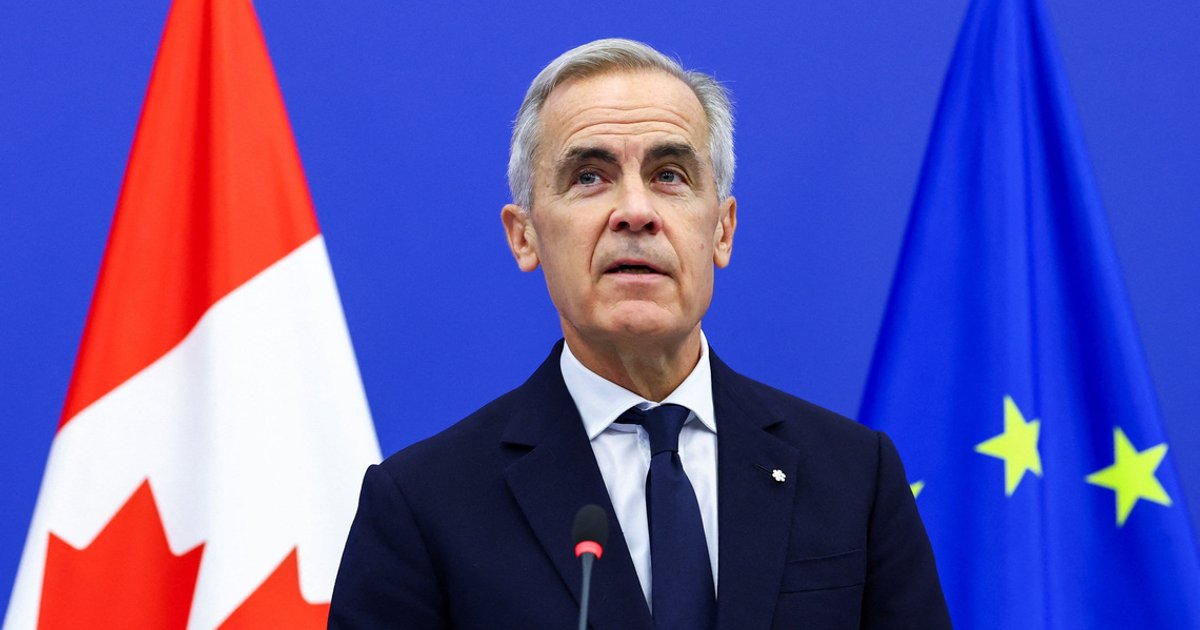
In September, European Commission President Ursula von der Leyen proposed opening the door for Canada to become the EU’s first “associate member”; Canadian Prime Minister Mark Carney welcomed the move.
asserted
Carney → propose → move
What is the summit, and why is it happening now?
asserted
it → happen → ?
This will be the 21st Canada-EU summit and is expected to build on the Comprehensive Economic and Trade Agreement (CETA), which entered into force in 2017.
asserted
which → expect → 2017
It eliminates duties on up to 99 percent of all imported goods between the two sides, according to the European Council.
uncertain
It → eliminate → Council
“In Montreal, we will take our partnership to the next level by launching our ‘Alliance for the Future’ to deepen our political, economic and institutional ties even further,” said European Council President Antonio Costa, who will be attending the summit along with Carney and von der Leyen.
asserted
who → take → Carney
They are expected to issue a joint statement.
asserted
They → expect → statement
The deepening Canada-EU alignment seems fuelled by US President Donald Trump’s policies, which imposed hefty tariffs on both Canadian and European exports to the US and pushed Canada to look for ways to reduce its economic dependence on the US.
asserted
which → deepen → US
Before Trump’s tariffs whipsawed relations, Canada sent nearly 80 percent of its exports to the US.
asserted
Canada → whipsaw → US
In August, trade talks between Ottawa and Washington, DC, broke down, and Trump imposed a 50 percent levy on $20bn of Canadian goods, or 5.5 percent of its exports.
asserted
Trump → break → exports
Canada responded with equivalent tariffs on US steel, dairy, appliances, farm equipment, pulp and paper, and electronics.
asserted
Canada → respond → steel
What do Canada and Europe want from each other?
Both sides are seeking opportunities that will open more options beyond the world’s largest economy.
asserted
that → want → economy
The EU brings market power, research depth, and manufacturing strength.
asserted
EU → bring → power
Canada brings abundant energy, critical minerals, world-class capabilities in space, artificial intelligence (AI), and quantum, and one of the world’s strongest banking systems,” Carney’s office said in a statement.
asserted
office → bring → statement
The summit will give the two sides a chance to turn these “complementary strengths into concrete benefits for our peoples,” the statement added.
asserted
statement → give → peoples
Vina Nadjibulla, co-founder and CEO of the Centre for Strategic Statecraft, a think tank in Ottawa, Canada, sees benefits and challenges.
asserted
Nadjibulla → see → benefits
“These fields could be beneficial for both sides, and we are likely to see specific announcements during the summit on these sectors,” she told Al Jazeera.
uncertain
she → see → Jazeera
“The main challenge is how quickly the political momentum can turn into specific deals and projects to deliver specific economic results,” she added.
asserted
she → turn → results
The EU describes Canada as “the only non-European country” taking part in Security Action for Europe (SAFE), the EU’s 150 billion-euro ($167bn) loan programme that supports and expedites defence procurement by EU member states.
asserted
that → describe → states
The EU concluded its agreement with Canada, allowing it to participate under SAFE, in February, and it gives Canadian firms preferential access and treatment in defence procurements financed by the SAFE Instrument.
asserted
it → conclude → Instrument
Could Canada become an associate member of the EU?
uncertain
Canada → become → EU
Last month, von der Leyen proposed that Canada could become the EU’s first associate member, suggesting a deeper relationship spanning trade, technology, defence and economic security.
Carney later welcomed the proposal’s ambition, describing his goal as a “unique alliance” rather than conventional EU membership.
uncertain
Carney → propose → alliance
However, the term “associate member” does not currently exist in EU treaties or its standard enlargement framework, according to the Centre for European Policy Studies (CEPS), a Brussels-based think tank.
“The term does not actually matter; what is important is the practical deepening of the relationship and the actual results, no matter what the final term is,” Nadjibulla said.
uncertain
Nadjibulla → exist → relationship
“This is a partnership not against anyone else, but for our common strength,” von der Leyen said in her address to the European Parliament in Strasbourg last month, which Carney attended, making him the first foreign head of government to attend the annual “State of the European Union” address.
asserted
him → say → address
Nadjibulla agrees.
asserted
Nadjibulla → agree → ?
“I do not see that as an anti-US coalition.
asserted
I → see → coalition
It is rather about diversification of economic and defence partnerships and building resilience for Canada.
asserted
It → build → Canada
It is a continuation of Canadian Prime Minister Carney’s policies to create opportunities.
asserted
It → create → opportunities
A deeper alliance with Europe is essential to this agenda,” she said.
asserted
she → say → agenda
“President Trump will likely not appreciate this, but it is about Canada having more choices in an unpredictable world,” she added.
asserted
she → appreciate → world
Bob Rae, former premier of Ontario and Canada’s ambassador to the United Nations from 2020 to 2025, told Al Jazeera that “President Trump does not control our policy.
asserted
Trump → tell → policy
We have been having long and productive relations with the Europeans for hundreds of years, but Trump chose to treat Canada in a way that does not respect our sovereignty”.
asserted
that → have → sovereignty
He added that “engaging in conversations with the EU is perfectly normal and is not directed at the US”.
asserted
engaging → add → US
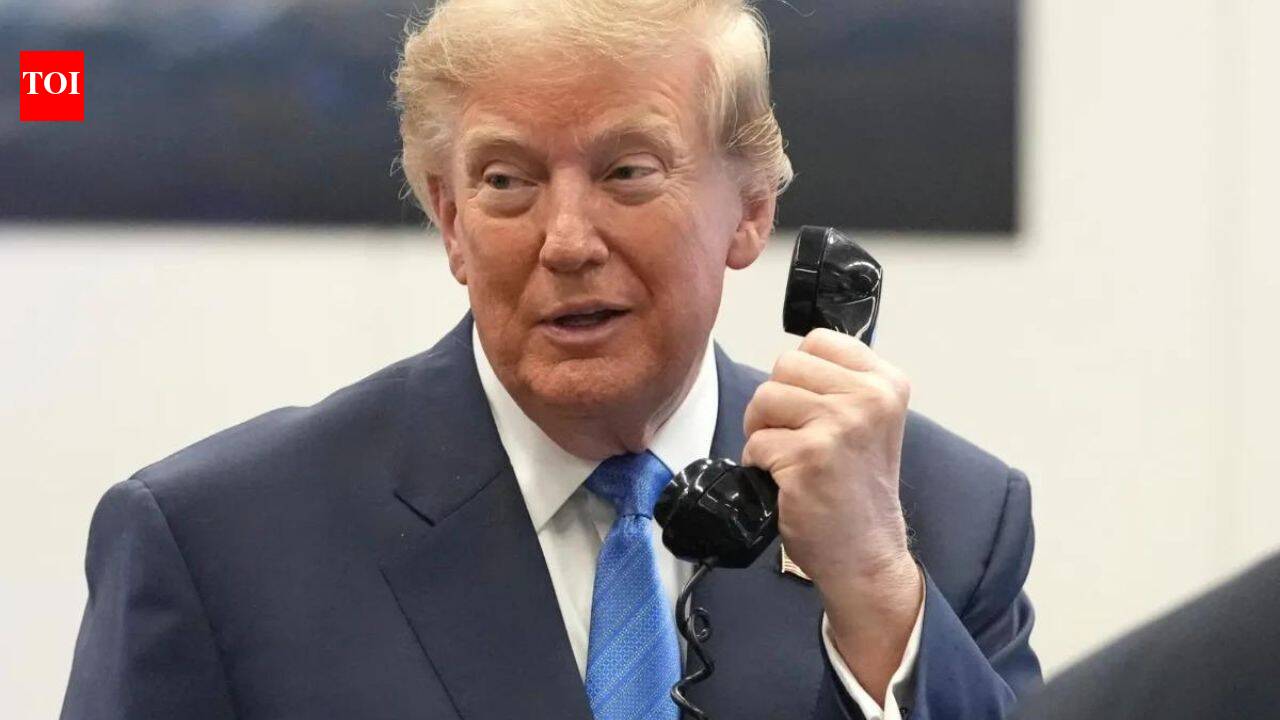
Trump has threatened the European Union with new tariffs over its proposal to make Canada the bloc’s first “associate member”, suggesting the move could be considered hostile to the US.
“If it’s a good intention, that’s fine.
uncertain
that → threaten → US
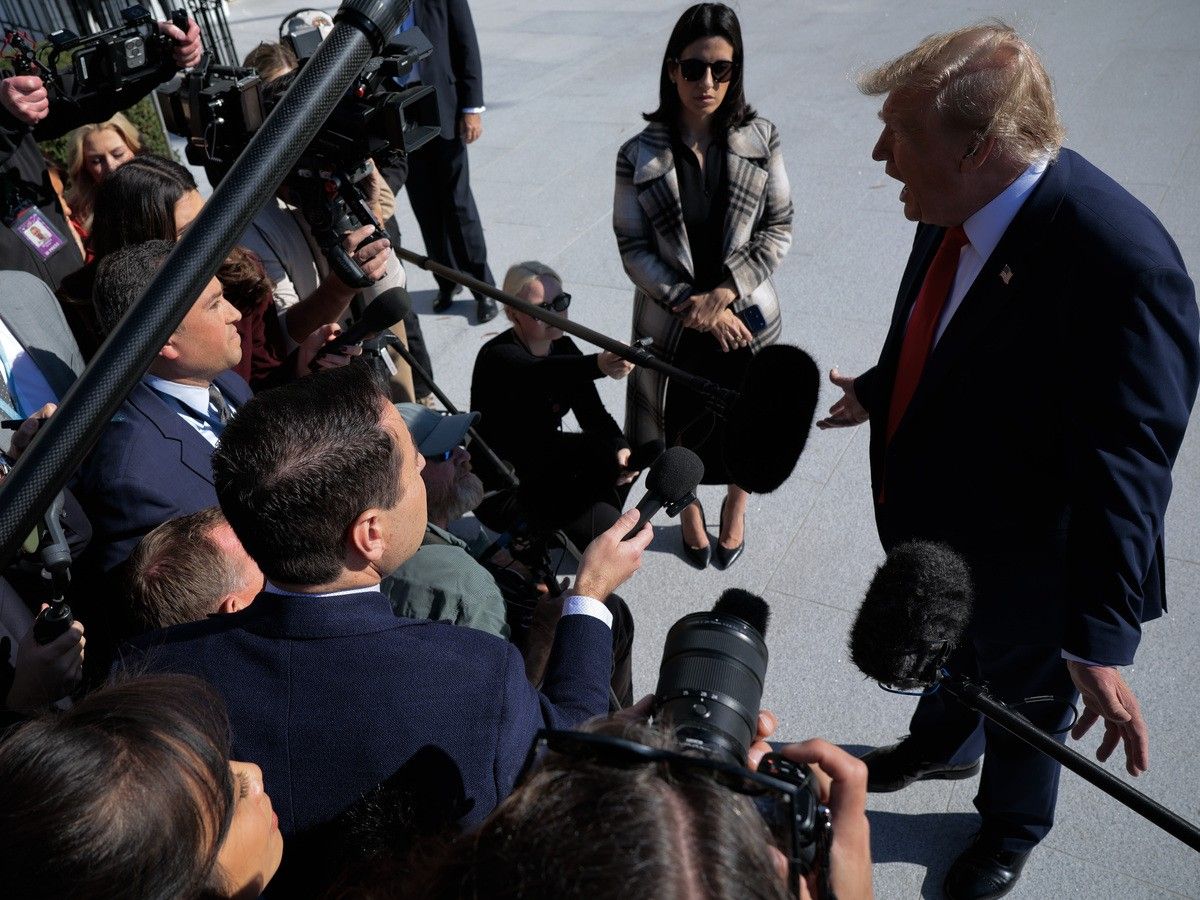
If it’s a bad intention, we’ll put very heavy tariffs on Europe,” Trump told reporters in Charlotte, North Carolina, in September.
asserted
Trump → ’ → September
…and 1 more, not listed.
 The Aporia