Amid rising fear that the US and Israel are preparing to launch new attacks on Iran after the US midterm election on November 3, three major Middle Eastern powers delivered a coordinated diplomatic message directly to Tehran.
asserted
powers → rise → Tehran
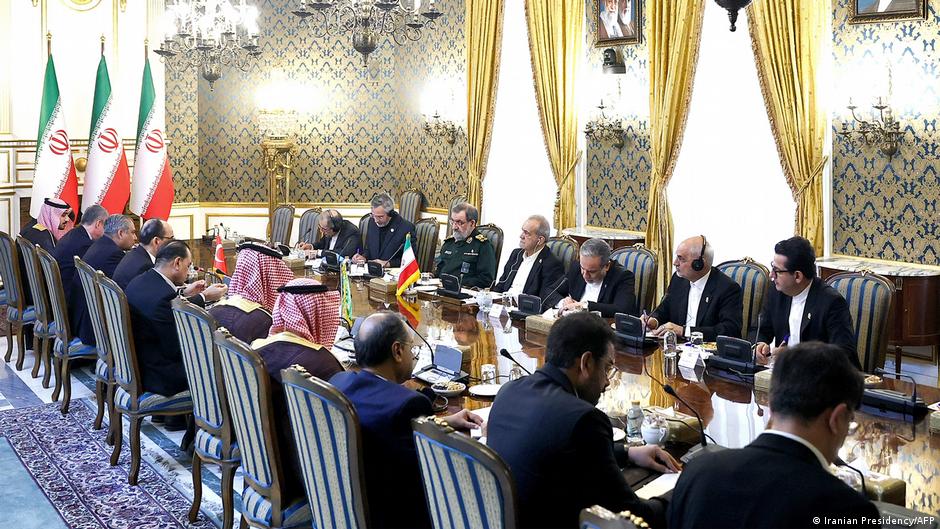
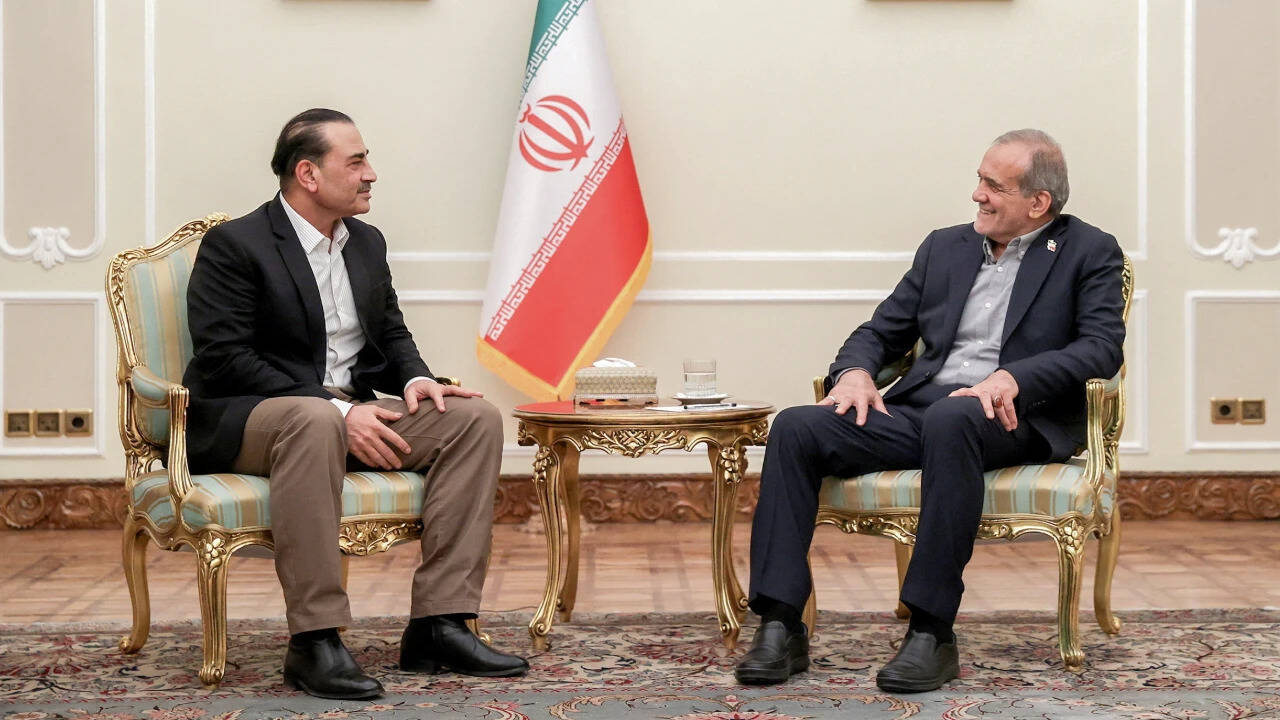
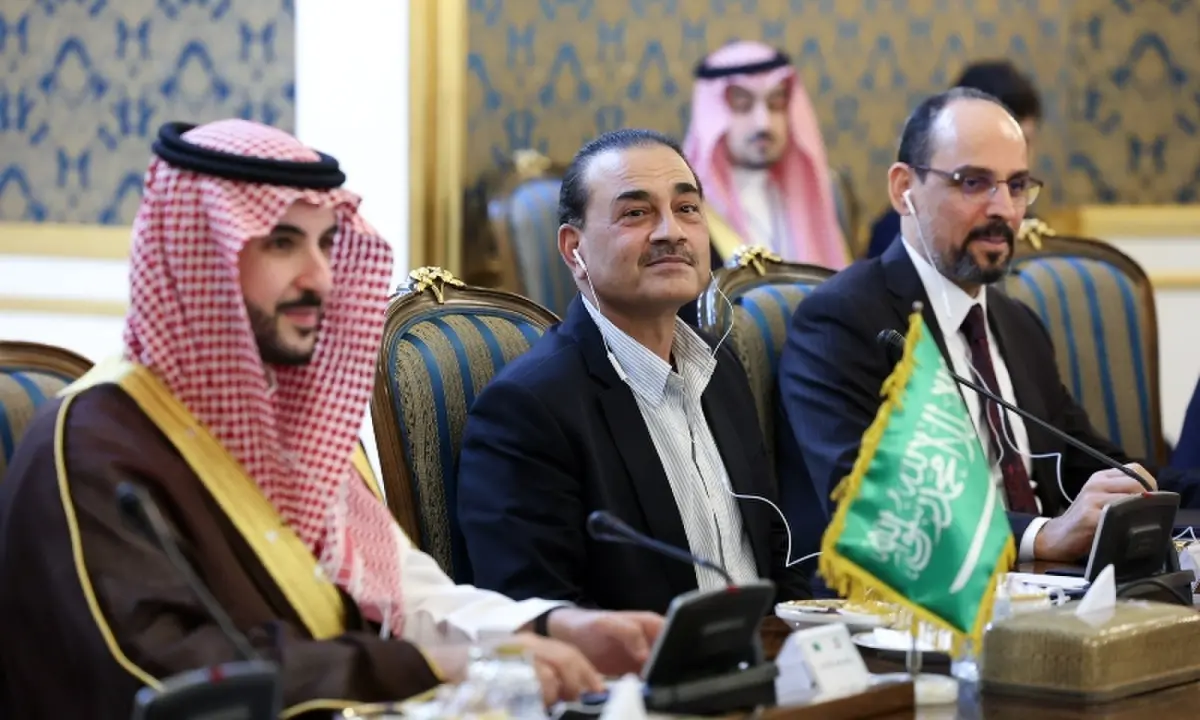
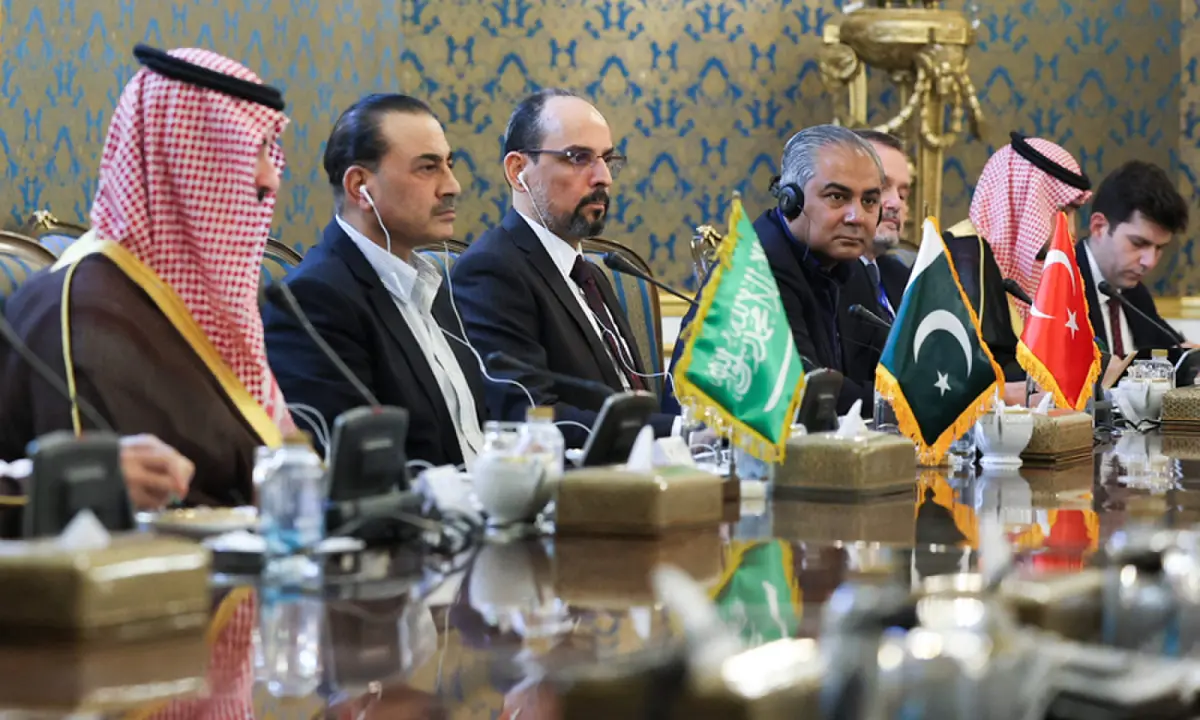
Pakistan's army chief Asim Munir, Saudi Defense Minister Khalid bin Salman and Turkish intelligence chief Ibrahim Kalin all traveled to Iran to meet Iranian President Masoud Pezeshkian and senior officials in Tehran this Monday.
asserted
Munir → travel → Tehran
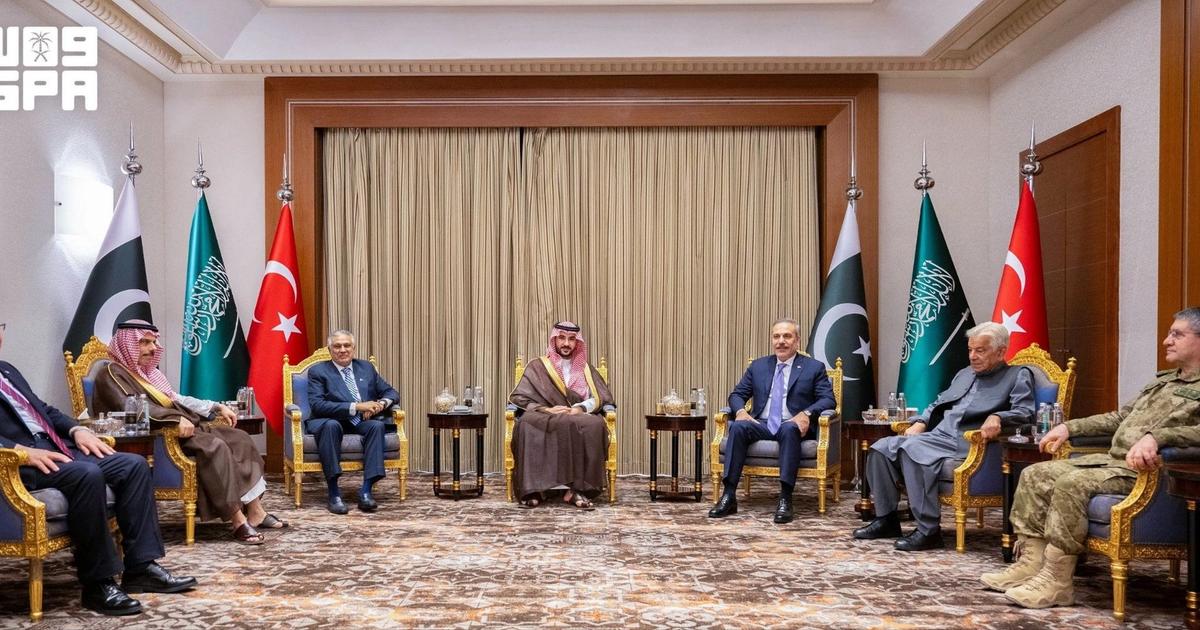
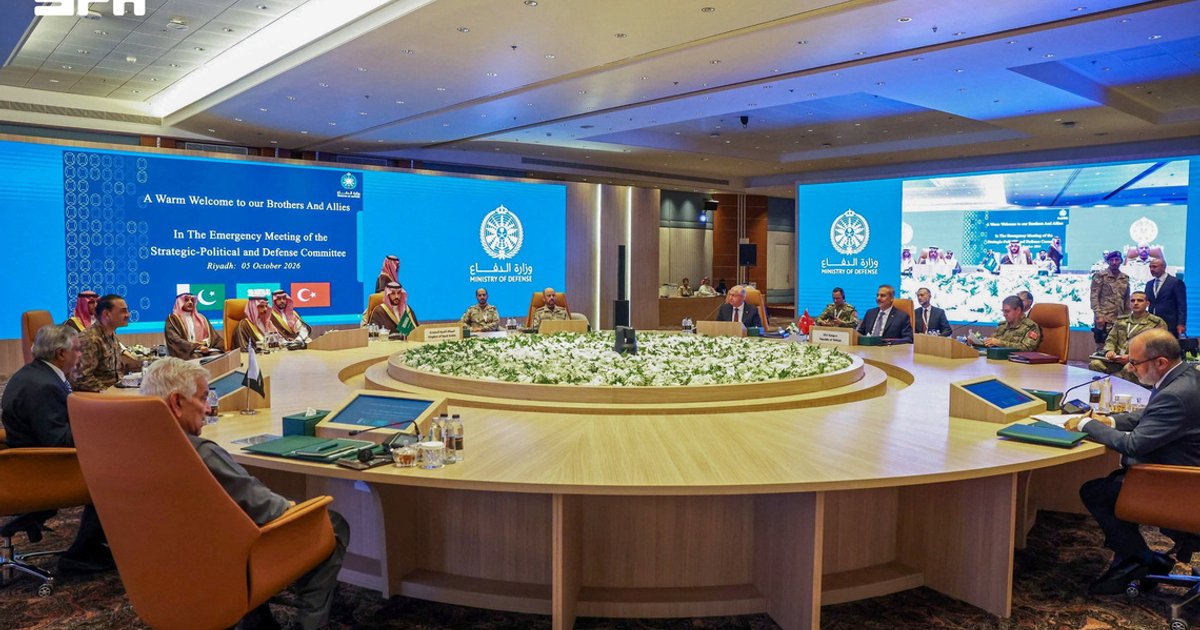
The three envoys serve as representatives for the Mecca defense pact — a military alliance of Islamabad, Riyad and Ankara, which was officially set up this summer.
asserted
which → serve → Islamabad
Saudi Arabia said the trip aims to open negotiating channels and "prevent the return of military escalation."
asserted
trip → say → escalation
Details on the agenda, however, remain scarce.
asserted
Details → remain → agenda
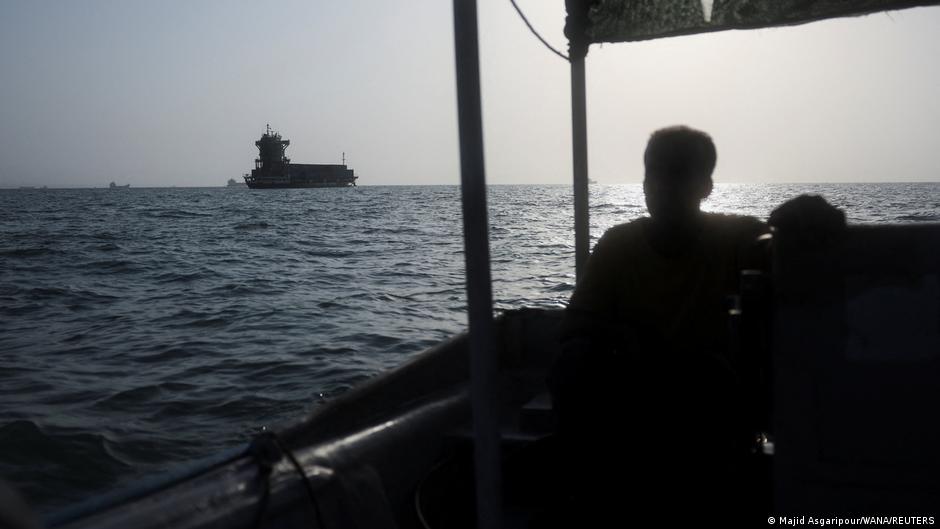
A senior Pakistani official cited by the Reuters news agency said the talks focused on building a regional non-aggression network, in addition to US-Iran talks, Houthi rebels' attacks on Saudi Arabia, the Strait of Hormuz and the US naval blockade.
asserted
talks → cite → Hormuz
Another official said Pakistan's Munir presented Iran with a solution to the conflict that would offer something both to Washington and Iran, with the three Mecca states and Qatar acting as mediators.
asserted
states → say → mediators
The source told Reuters US President Donald Trump previously gave Munir the go-ahead to try diplomacy.
asserted
Trump → tell → diplomacy
Tehran presents the meeting as a success
Iran hailed the "very positive atmosphere" during the Tehran talks, even though no breakthroughs were officially announced.
"Very good discussions took place between us," Mohsen Rezaei, head of Iran's Supreme National Security Council, told state television.
asserted
Rezaei → present → television
"I feel that a new atmosphere is emerging in the region."
asserted
atmosphere → feel → region
Rezaei argued that regional security should be built by countries in West Asia themselves and without outside intervention.
asserted
security → argue → intervention
A day later, Rezaei reportedly met Supreme Leader Mojtaba Khamenei.
uncertain
Rezaei → meet → Khamenei
Iranian state media said Khamenei called for protecting Iran's interests and maintaining Tehran's conditions for ending both the war and the current state of "neither war nor peace."
asserted
Khamenei → say → war
Meanwhile, Iran's President Masoud Pezeshkian travelled to Moscow for the Gas Exporting Countries Forum, where he met Russian President Vladimir Putin and Qatar's Emir Sheikh Tamim bin Hamad Al Thani, with Pezeshkian and the emir also discussing the war and the Strait of Hormuz.
asserted
Pezeshkian → travel → Hormuz
These and other diplomatic contacts were framed by Tehran as evidence that the US is unable to diplomatically isolate the Iranian regime.
Are Turkey and Pakistan closing ranks with Saudi Arabia?
The united front presented by the three nations in Tehran, however, can also be seen as a show of force for the new Mecca defense alliance.
asserted
front → frame → alliance
It comes as the Saudis grow increasingly wary of the attacks on Saudi infrastructure launched by the Iran-allied Houthi militants.
asserted
Saudis → come → militants
Under the terms of the Mecca agreement, an outside attack on one of the member states is to be regarded as an attack on all of them.
asserted
attack → regard → them
The visit also came on the same day as Egypt's parliament agreeing to give military help to Ryad and take "all necessary measures" to help Saudi Arabia defend itself, in addition to the looming threat of the US and Israel.
asserted
Arabia → come → US
"The presence of the three senior representatives at the same time sent the message that these countries are acting as a bloc," Babak Dorbeiki, a London-based political analyst and former official at Iran's Strategic Research Center, told DW.
asserted
countries → send → DW
Saudi Arabia has long been regarded as Iran's archrival in region.
asserted
Arabia → regard → region
It has used its enormous wealth to counter Iran's influence, and now it can, at least in theory, also count on Pakistan's nuclear capability, and Turkey's conventional military strength.
asserted
it → use → capability
At the same time, Dorbeiki argued that the Mecca pact is primarily designed for deterrence rather than offensive war.
asserted
pact → argue → deterrence
And having a defense pact does not mean its members want to fight Iran.
asserted
members → have → Iran
Dorbeiki believes the message from the bloc could therefore work in two directions: it can provide mediation, but continued escalation could also alter that position.
uncertain
escalation → believe → position
Ryad pushing for a 'diplomatic solution'
Saudi Arabia faces the most immediate dilemma.
asserted
Arabia → push → dilemma
Further Houthi attacks damage its infrastructure and economy, but a wider war with Iran could threaten the investment and development projects at the heart of Riyadh's economic strategy.
uncertain
war → damage → strategy
"For Saudi Arabia, both the current situation and a war with Iran carry serious costs," Dorbeiki said.
asserted
Dorbeiki → carry → costs
"Its preferred route is, therefore, a diplomatic solution.
asserted
route → prefer → ?
Moreover, Pakistan has spent months mediating between Washington and Tehran and has important relations with both.
asserted
Pakistan → spend → both
A direct conflict would also distract Islamabad from its long-standing security concerns involving India.
asserted
conflict → distract → India
Turkey is a NATO member, but Dorbeiki says direct military support for Iran against the United States is highly improbable.
asserted
support → say → States
The fact that Ankara sent intelligence chief Ibrahim Kalin rather than its foreign or defense minister also suggests a cautious approach.
uncertain
Ankara → send → approach
Iran pursues diplomacy while preparing for fighting
Ali Asghar Shafieian, media advisor for Iran's President Masoud Pezeshkian, also rejects the perspective that the Mecca pact representatives were trying to present Tehran with an ultimatum.
He told DW that the three countries may also have wanted to demonstrate their own growing coordination, while showing that Iran remains part of regional diplomacy.
uncertain
Iran → pursue → diplomacy
"You cannot conclude from this meeting alone that it was an ultimatum before an attack," Shafieian said.
asserted
Shafieian → conclude → attack
He also noted that Iran, just like the US and Israel, could prepare for the possibility of further conflict while maintaining negotiations.
uncertain
Iran → note → negotiations
"Just as they use the opportunity to strengthen their military and defensive capabilities, Iran does the same," he said.
asserted
he → use → same
Shafieian said an agreement remains possible if Iran's political standing and what Tehran describes as its national dignity are respected.
asserted
Tehran → say → dignity
Diplomatic game continues
Analyst Dorbeiki argues that Iran is following a familiar strategy of extending negotiations while avoiding real-world commitments.
asserted
Iran → continue → commitments
Tehran has not publicly offered the kind of guarantees over Houthi attacks that Riyadh would want.
asserted
Riyadh → offer → that
Dorbeiki believes Iran could seek to trade influence over such the attacks for concessions such as an end to US military pressure and broader steps toward ending the war.
uncertain
Iran → believe → war
…and 1 more, not listed.
 The Aporia