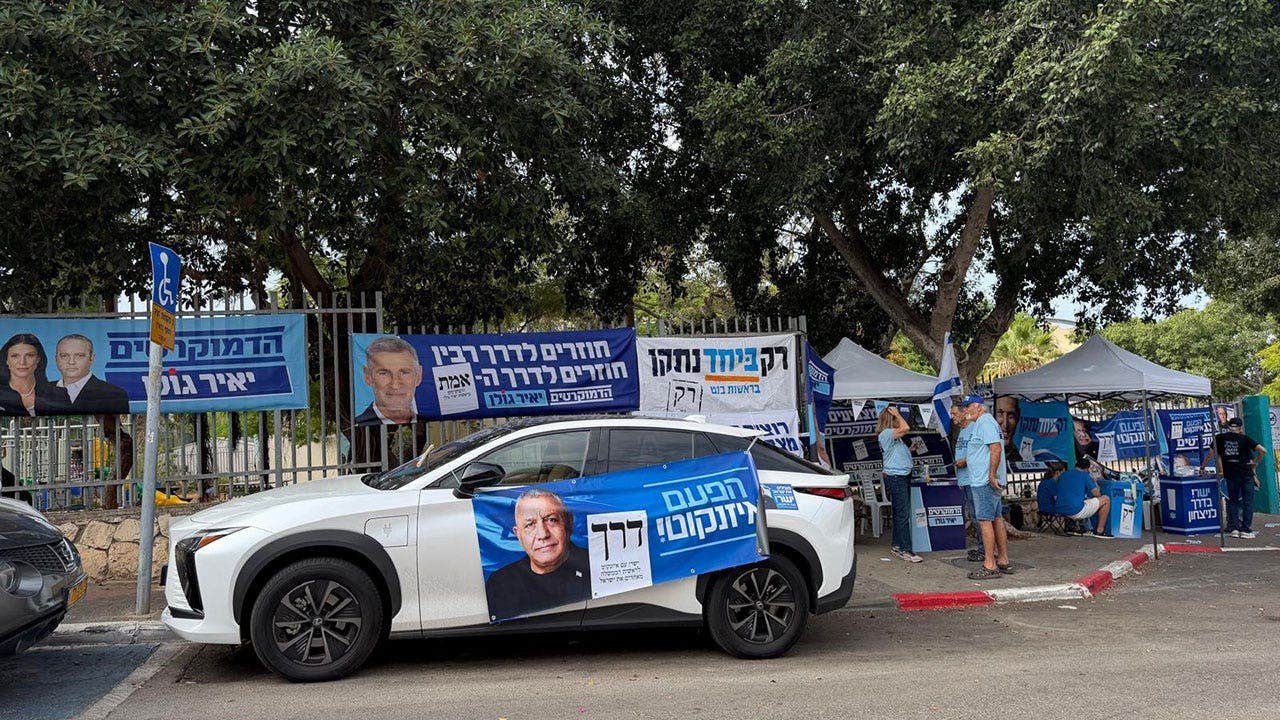
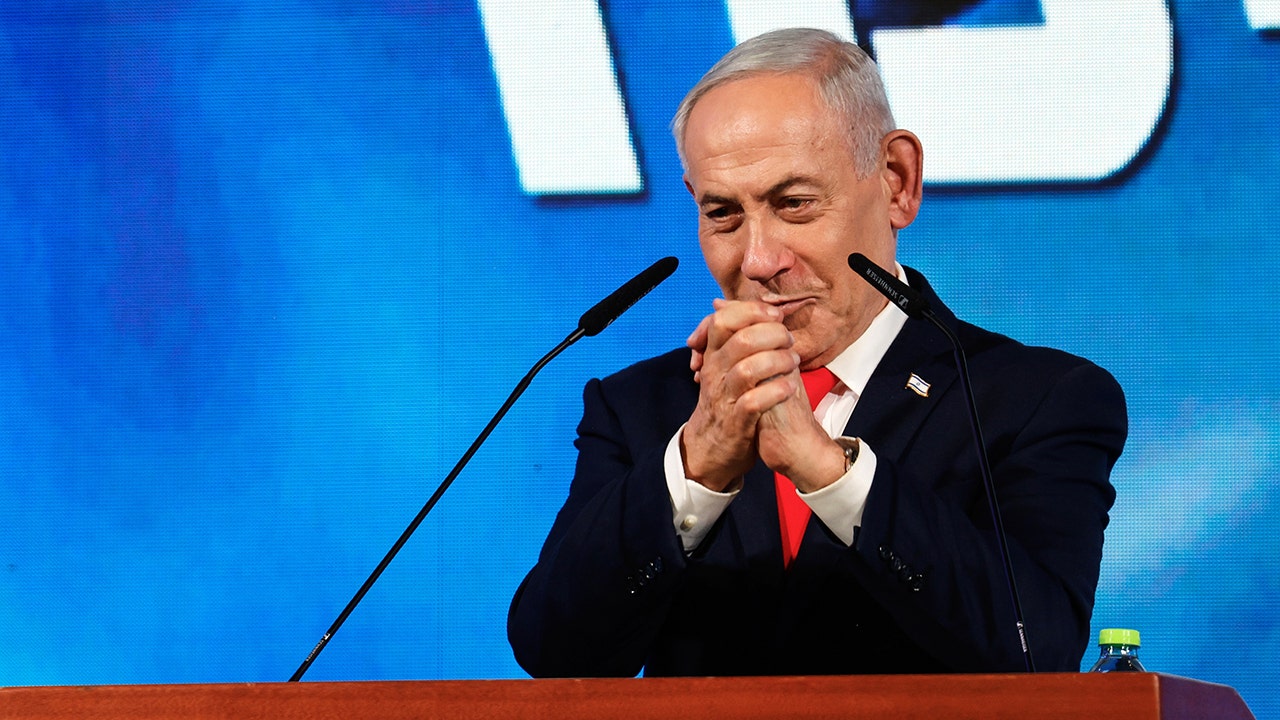
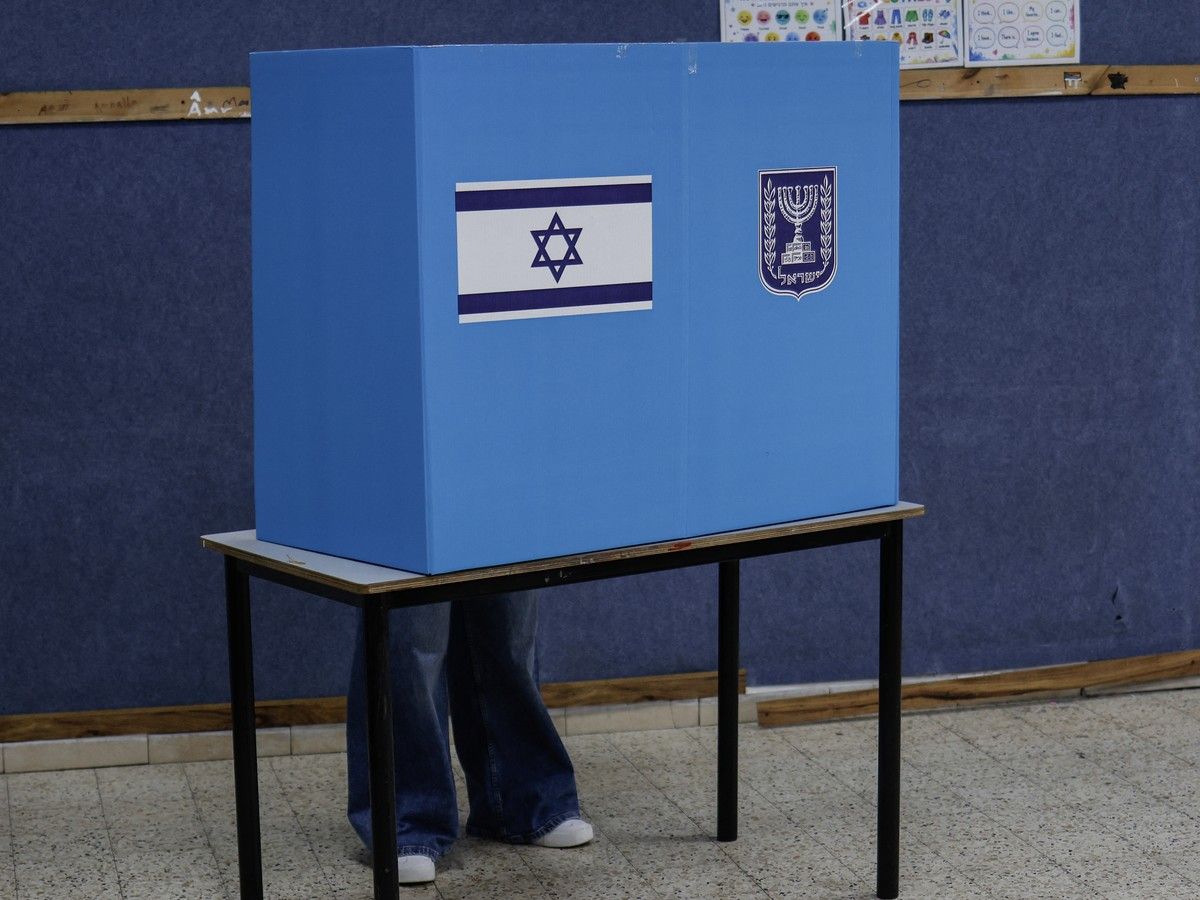
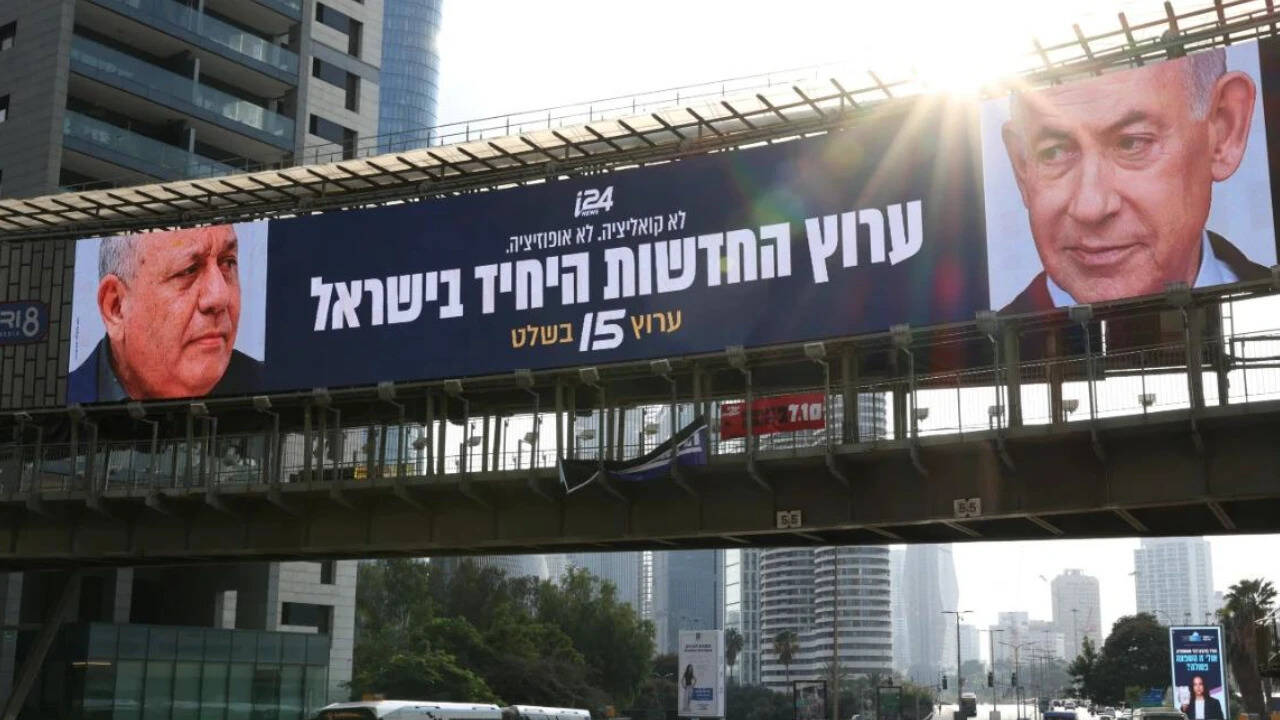
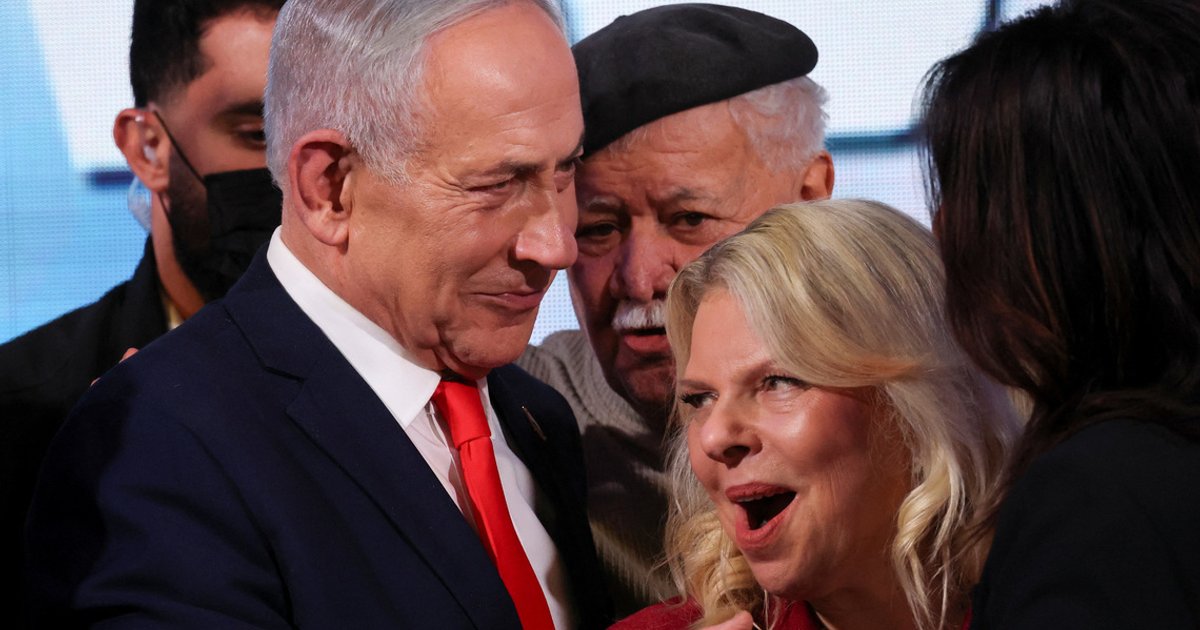
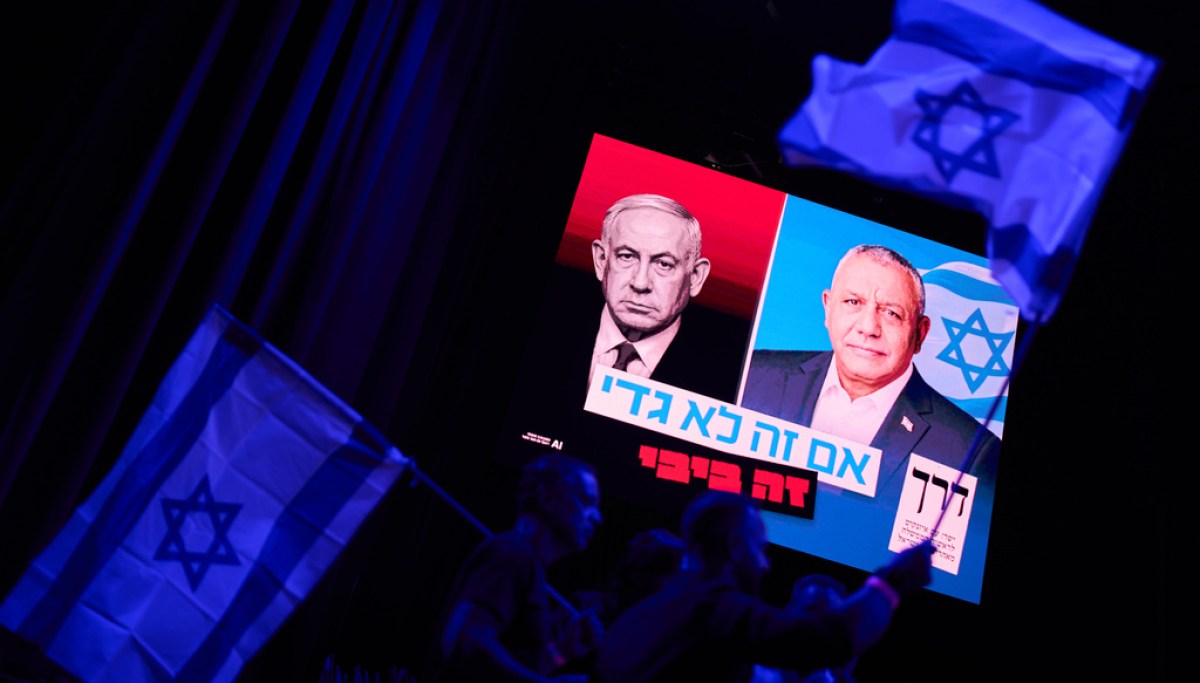
Israel faces a high-stakes political standoff after the October 27 national election, the country’s first vote since the 2023 Hamas attack.
asserted
Israel → face → attack
Prime Minister Benjamin Netanyahu and his chief rival, former military chief Gadi Eisenkot of the Yashar party, have both claimed a mandate to form the next government after exit polls showed their respective camps in a neck-and-neck fight without an outright majority, leaving the outcome dependent on the final seat tally and negotiations with smaller parties.
Proportional representation vs first-past-the-post system
The main difference between Israeli and Indian elections lies in how votes translate into seats.
asserted
votes → claim → seats
Israel operates under a nationwide system of proportional representation, treating the country as a single voting constituency without separate geographic districts or local MPs.
asserted
Israel → operate → districts
Israelis do not vote for individual candidates.
asserted
Israelis → vote → candidates
Instead, they cast a single ballot for a closed party list and the 120 seats in parliament, known as the Knesset, are allocated in direct proportion to each party’s share of the national vote.
asserted
seats → cast → vote
Meanwhile, India employs a first-past-the-post system (FPTP) across 543 parliamentary constituencies.
asserted
India → employ → constituencies
Indian citizens cast ballots for local candidates in their respective constituencies and whichever candidate secures a majority vote in a constituency wins that seat.
asserted
secures → cast → seat
No single political party has ever won an outright 61-seat majority in Israel’s history.
asserted
party → win → history
With the exit polls on Wednesday (October 28, 2026) too predicting no outright majority for any bloc, forming a coalition government appears to be their only way to go.
asserted
forming → predict → government
To enter the 120-seat Knesset, a political list must clear an electoral threshold of 3.25% of the national vote, which equals roughly four seats.
asserted
which → enter → seats
Parties that fall short of this line lose all their votes without representation, making party mergers and alliances pertinent ahead of candidate submission deadlines.
asserted
mergers → fall → deadlines
For instance, Mr. Netanyahu’s coalition comprises his own right-wing party Likud, Finance Minister Bezalel Smotrich’s pro-settler Religious Zionism and National Security Minister Itamar Ben-Gvir’s far-right Jewish Power.
asserted
coalition → comprise → Likud
To form a ruling government in Israel, a coalition must assemble at least 61 seats.
asserted
coalition → form → seats
This is a requirement that grants small niche factions a disproportionate sway as political kingmakers.
asserted
that → grant → kingmakers
If internal divisions cause a minor party to withdraw its support, the entire administration can quickly fall apart.
asserted
administration → cause → support
In contrast, Indian political parties frequently build post-poll or pre-poll alliances.
asserted
parties → build → alliances
Additionally, major national parties in India can and often do win single-party majority mandates without relying on minor regional partners for survival.
asserted
parties → win → survival
In India, the ruling Bharatiya Janata Party secured outright single-party majority in back-to-back general elections, winning 282 seats in 2014 and 303 seats in 2019, well above the 272-seat majority mark in the 543-member Lok Sabha.
asserted
Party → rule → Sabha
But in the 2024 general elections, the PM Modi-led National Democratic Alliance (NDA) bagged only 286 seats, with the BJP winning 240 seats and falling 32 short of the majority mark of 272 seats, prompting a coalition with their allies.
asserted
BJP → lead → allies
After the official results are published, Israel President Isaac Herzog will consult representatives of the elected parliamentary factions before assigning a lawmaker the task of forming a government.
asserted
Herzog → publish → government
The President generally selects the candidate considered best placed to secure parliamentary support, rather than being required to choose the leader of the largest party.
asserted
President → select → party
The first nominee has 28 days to form a government, with the President able to grant extensions of up to 14 additional days.
asserted
President → have → days
If the attempt fails, another lawmaker may be given an opportunity.
uncertain
lawmaker → fail → opportunity
If subsequent efforts also fail, the process could lead to another election.
uncertain
process → fail → election
 The Aporia