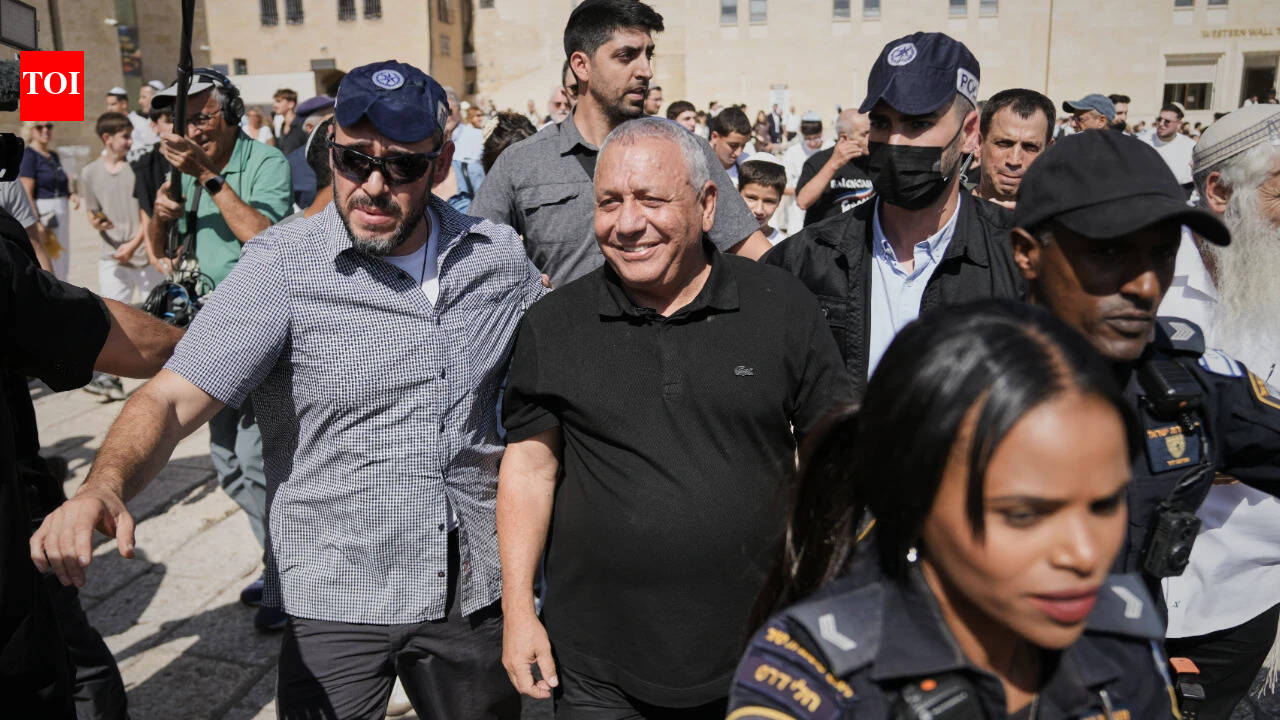
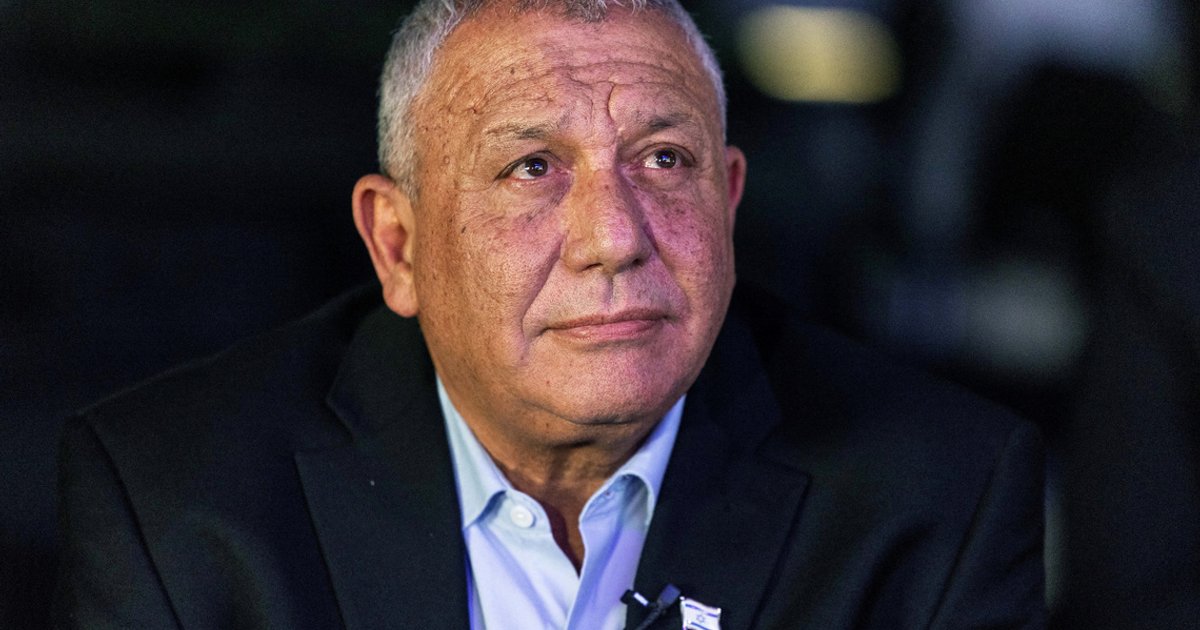
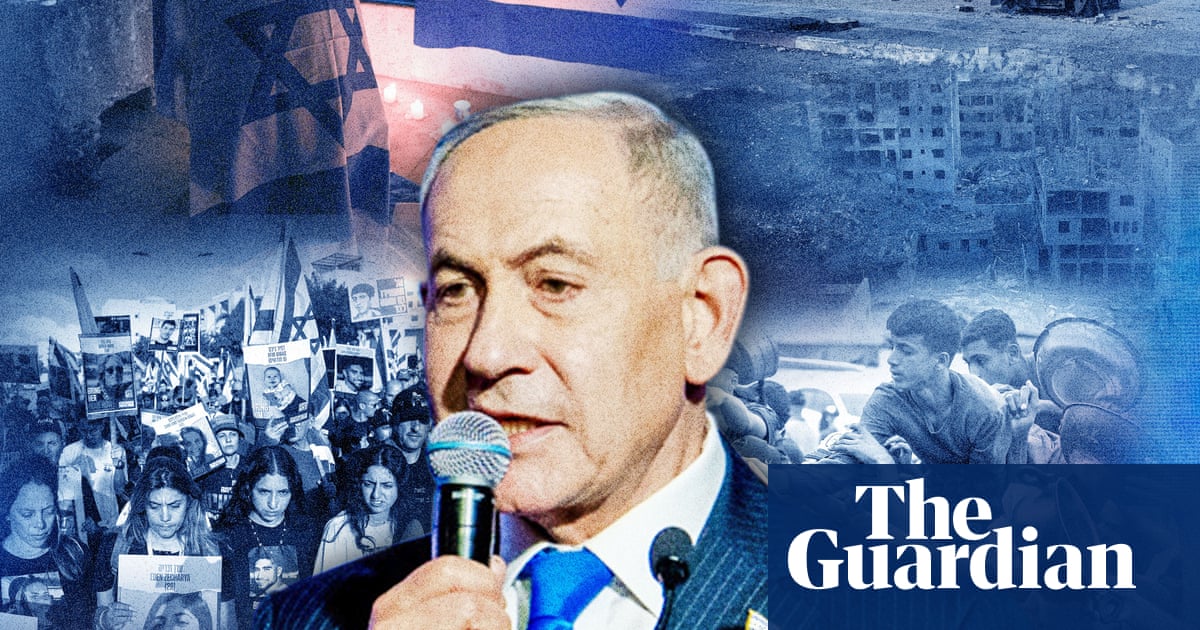
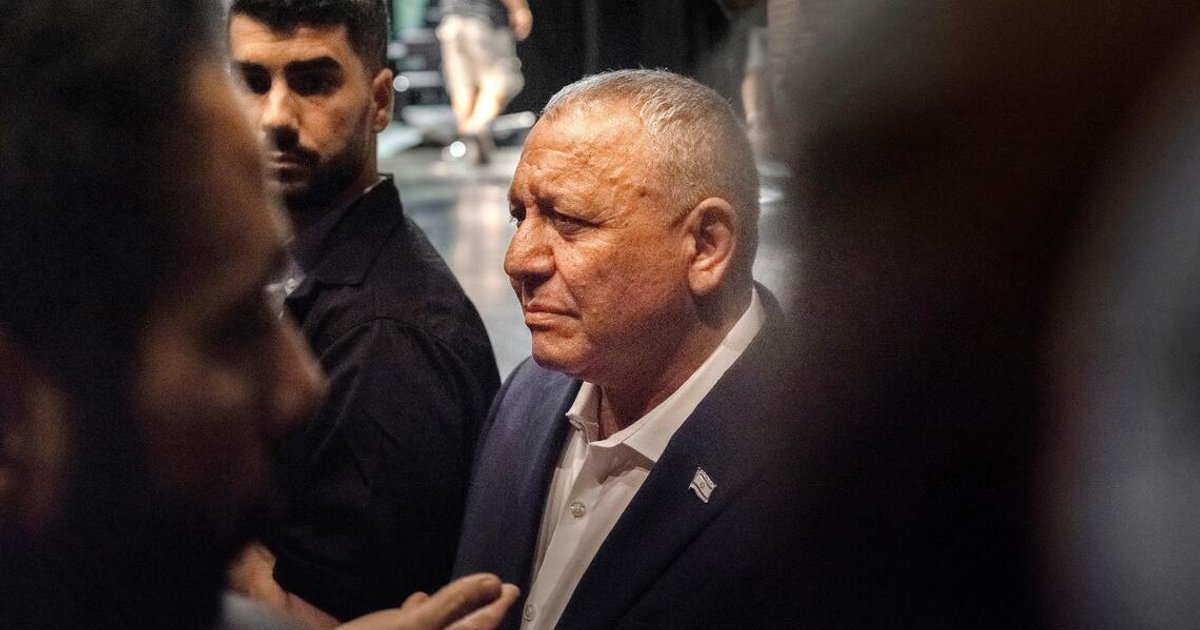
Benjamin Netanyahu has dominated Israeli politics for much of the last 30 years, but as the country goes to the polls in a pivotal election the prime minister faces a challenger who in many ways could not be more different.
uncertain
who → dominate → ways
Yet opinion polls show his Yashar party leading Netanyahu's Likud as millions cast their vote to determine the country’s future.
asserted
millions → show → future
Bibi is facing a reckoning in the first general election since the October 7 terror attacks and the years of devastating war that followed in Gaza.
asserted
that → face → Gaza
Eisenkot knows the cost of the conflict all too well, having lost his son and two nephews in the conflict.
asserted
Eisenkot → know → conflict
In December 2023, while sitting as an observer in Netanyahu’s war cabinet, the former military chief of staff was informed that his 25-year-old son, Master Sergeant Gal Meir Eisenkot, had been killed in action in northern Gaza.
asserted
son → sit → Gaza
A day later, his nephew Sergeant Maor Cohen Eisenkot was killed in the enclave.
asserted
nephew → kill → enclave
A year later a second nephew, Captain Yogev Pazy, was also killed.
asserted
nephew → kill → ?
Together with other opposition figures, Eisenkot has accused Netanyahu for disregarding pre-attack intelligence alerts and botching the subsequent military campaign — accusations the prime minister’s office has dismissed as outright falsehoods.
asserted
office → accuse → falsehoods
Below The Independent looks at Netanyahu’s challenger, and what his victory could mean for Israel and the wider region.
uncertain
victory → look → Israel
Moroccan roots would make his win historic
Born in Tiberias in 1960 to Jewish Moroccan immigrants from Safi and Casablanca, Eisenkot grew up in the southern port city of Eilat, where his father worked the Timna copper mines and his mother ran the household.
It was at a local high school sailing club in Eilat that he met his future wife, Hannah; the couple married in 1984, eventually settling in Herzliya, where they raised five children.
asserted
they → make → children
Before trading khaki for Knesset committee rooms, Eisenkot racked up degrees in history from Tel Aviv University and political science from the University of Haifa, topped off with a stint at the US Army War College.
asserted
Eisenkot → trade → College
While Eisenkot himself rarely brings up his ethnicity on the stump, analysts see it as a quiet, powerful pillar of his appeal.
asserted
analysts → bring → appeal
Israel has never had a Mizrahi prime minister, and an Eisenkot victory would mark an unprecedented historic milestone.
asserted
victory → have → milestone
As analysts have observed, much of his resonance with the public stems from this domestic grounding, helping him connect with working-class voters outside liberal Tel Aviv.
asserted
him → observe → Aviv
Previous efforts by the prime minister’s camp to sneer at Eisenkot’s background have backfired.
asserted
efforts → sneer → background
When Netanyahu — scion of a prominent, European academic family — released an attack ad ridiculing Eisenkot’s guttural, heavily accented English, the general delivered a stinging retort: “Where was Netanyahu’s excellent English on October 7?
asserted
English → release → October
Did it help us in any way?”
asserted
it → help → way
The backlash was fiercer still when Yinon Magal, a loyalist anchor on the pro-Netanyahu Channel 14, unleashed an on-air tirade branding Eisenkot a “monkey with a Mizrahi Moroccan name” being manipulated by “Ashkenazi elites.”
asserted
Magal → unleash → elites
But rather than diminishing Eisenkot, the racial slur sparked widespread revulsion, prompting voters from across the Mizrahi community — who have long accused European-origin Ashkenazi establishments of institutional discrimination — to rally behind the former chief of staff.
asserted
who → diminish → staff
October 7 changed Eisenkot’s path after decades in the military
Eisenkot’s political currency rests on 41 uninterrupted years in the Israeli military.
asserted
currency → rest → military
Drafted into the Golani Brigade in 1978, he climbed through the ranks commanding troops in the West Bank, running operations during the 2006 Lebanon war, and heading Northern Command, before serving a four-year stint as the IDF’s 21st Chief of General Staff between 2015 and 2019 — under Netanyahu’s watchful eye.
asserted
he → draft → eye
His pivot toward electoral politics began in 2022, when he was rushed into Netanyahu’s emergency war cabinet after the events of October 7.
asserted
he → begin → October
The shotgun union survived barely eight months.
asserted
union → survive → ?
Confined to the cabinet room, frictions descended into outright hostility, ending when Eisenkot — furious at Netanyahu’s persistent sabotaging of captive negotiations, and lack of a post-war plan for Gaza — walked out.
asserted
Eisenkot → confine → Gaza
The 66-year-old general then set up his own centrist party, christened Yashar — the Hebrew word for “straight” — borrowing a phrase coined by former 7 October hostage Eli Sharabi: “It’s not right, it’s not left, it’s straight.”
asserted
it → set → Sharabi
In his resignation letter delivered directly to the prime minister, Eisenkot wrote: “We have witnessed that the decisions made by the government and by you are not necessarily motivated by national considerations and the good of the country,” warning that “foreign and political considerations have infiltrated the discussion rooms and influence the decision-making.”
Since then, Eisenkot has made a formal state commission of inquiry into October 7 a key tenet of his campaign, with full subpoena powers to haul politicians, generals, and intelligence chiefs onto the witness stand — Netanyahu very much included.
asserted
Netanyahu → deliver → stand
Hammering the point home, his campaign released Sleepy Bibi earlier this month: a bitingly satirical video game depicting a sleepwalking Netanyahu shuffling obliviously past flashing emergency alerts.
asserted
campaign → hammer → alerts
Polling in single digits barely a year ago, Eisenkot has staged an extraordinary political ascent to become the opposition’s consensus champion in the 27 October vote, where Israel Democracy Institute polling finds Eisenkot’s premiership to have the broadest levels of acceptance among the public.
asserted
premiership → poll → public
Recent surveys project Yashar taking between 20 and 23 seats in the 120-member Knesset, edging past Likud.
asserted
Yashar → project → Likud
But in Israel, winning the popular vote and cobbling together a government are two different challenges.
asserted
winning → win → government
The state president does not simply task the largest party leader with forming a government; the mandate goes to the person judged most capable of assembling a 61-seat majority.
asserted
mandate → task → majority
Eisenkot’s route to power requires navigating a fractured opposition camp, featuring former prime minister Naftali Bennett, centrist talker Yair Lapid, and secular right-winger Avigdor Lieberman.
asserted
route → require → Bennett
If neither Eisenkot’s disparate anti-Bibi alliance nor Netanyahu’s hard-right religious bloc manages to stitch together 61 seats, Israel faces the familiar purgatory of another hung parliament — leaving Bibi parked in the prime minister’s office as caretaker for months on end.
asserted
Israel → manage → end
Security, Gaza and Palestinian statehood
Eisenkot has flatly shut down any prospect of Palestinian self-determination, mirroring the consensus of the Israeli right.
“There is no Palestinian state, and under the government we establish, there will be no Palestinian state,” he declared on X in August.
asserted
he → shut → August
Far from advocating de-escalation, he has committed to eradicating Hamas presence in Gaza within 18 months — an objective that threatens to further prolong an assault that, according to local health authorities, has killed nearly 75,000 Palestinians and deepened Israel's global diplomatic isolation.
uncertain
that → advocate → isolation
An overall troop withdrawal, he maintains, remains years away.
asserted
he → maintain → ?
In military circles, Eisenkot is renowned as the architect of the “Dahiya doctrine” — formulated during his tenure leading Northern Command and named after the southern Beirut suburb flattened in the 2006 Lebanon war.
asserted
Eisenkot → renowne → war
The doctrine outlines the deliberate deployment of asymmetric, disproportionate firepower against civilian infrastructure allegedly used by armed groups.
uncertain
doctrine → outline → groups
The strategy has drawn severe international condemnation over mass civilian casualties, contributing to accusations of war crimes and ongoing genocide proceedings against Israel.
asserted
strategy → draw → Israel
In a stark departure from Netanyahu’s indulgence of radical coalition allies, Eisenkot has pledged a zero-tolerance crackdown on vigilante extremists in the West Bank, openly branding them “terrorists”.
But while he rejects lawless hilltop outposts and provocative projects like the E1 corridor, he remains supportive of preserving established, strategic settlement blocs under military auspices.
asserted
he → pledge → auspices
…and 6 more, not listed.
 The Aporia