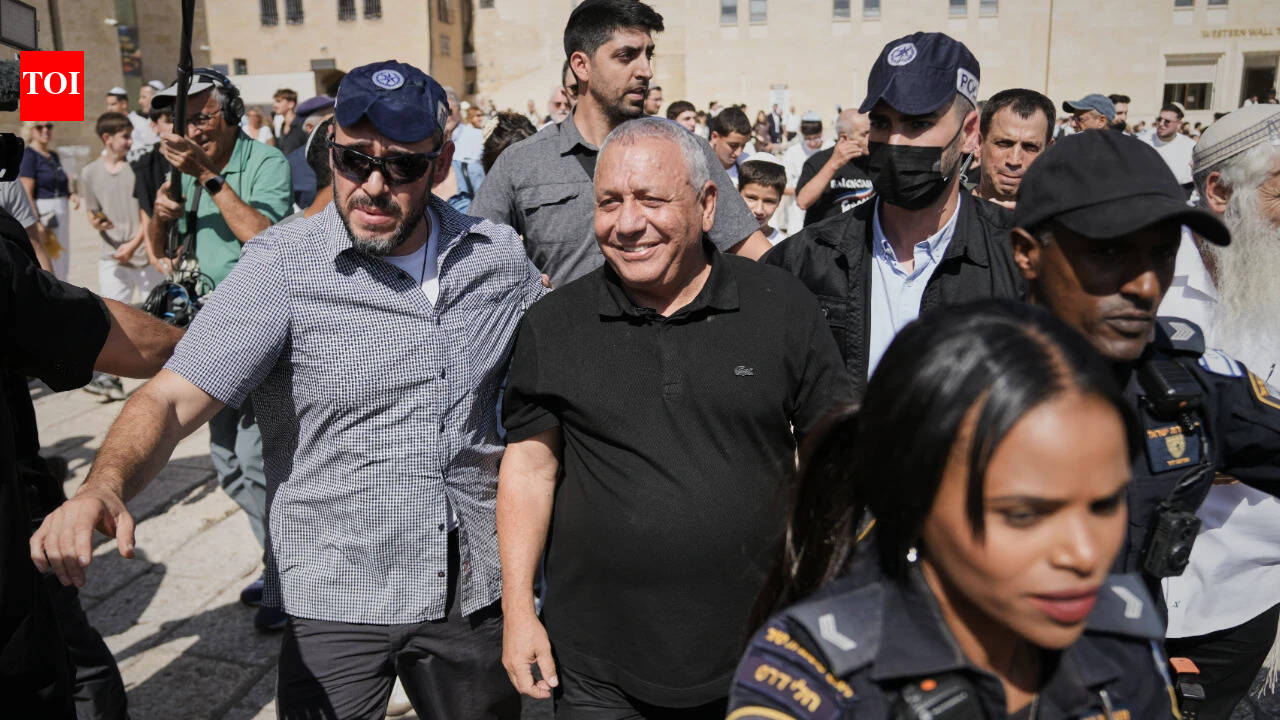
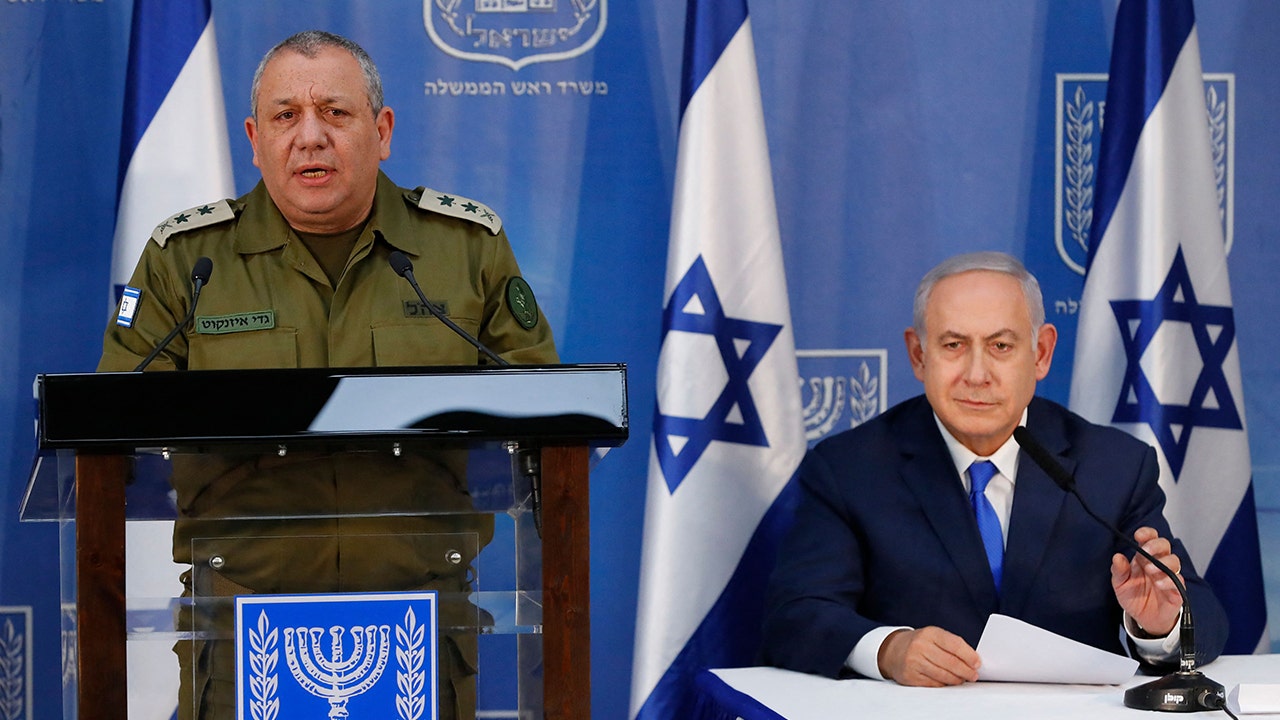
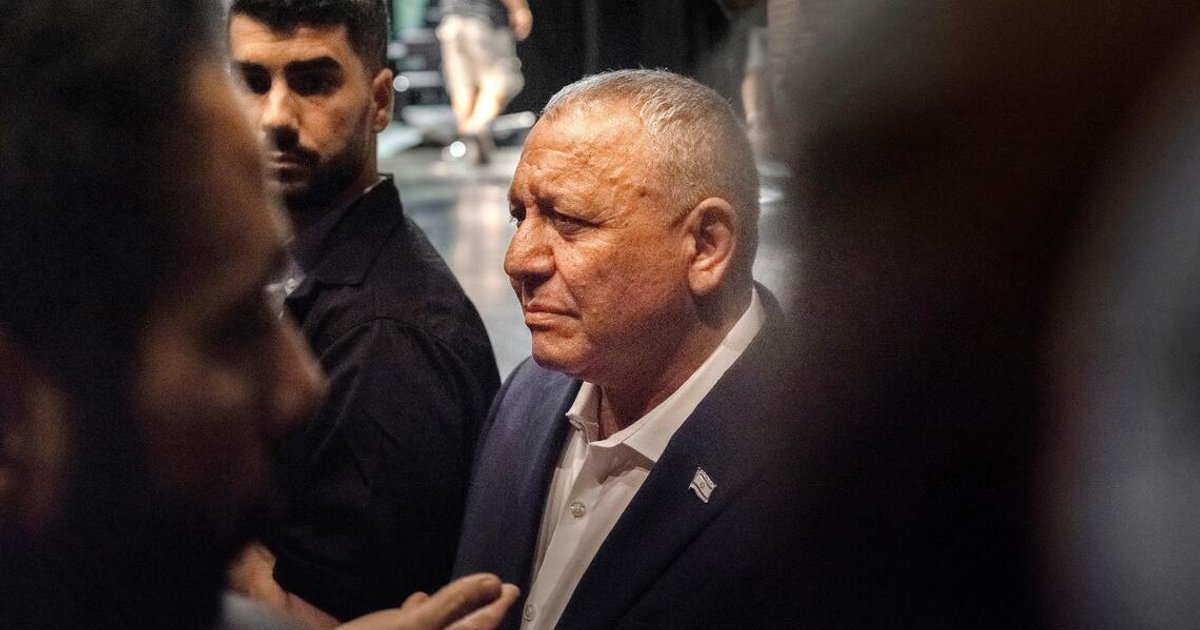
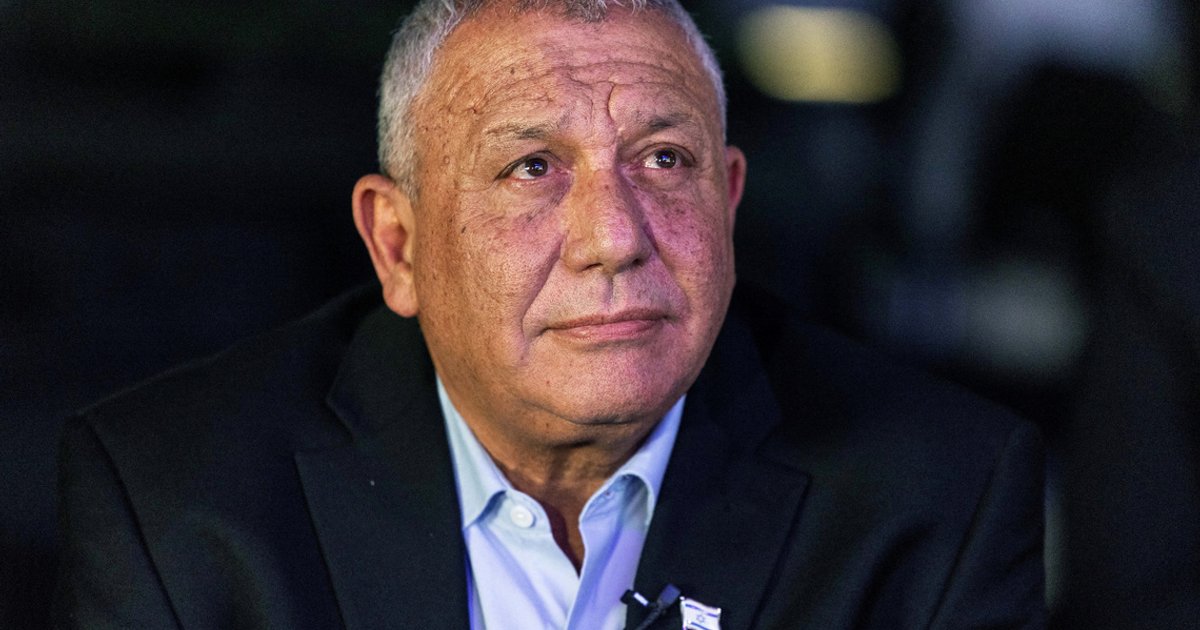
Gadi Eisenkot, a former chief of staff of the Israel Defense Forces (IDF), is challenging Prime Minister
Benjamin Netanyahu with a campaign centred on security, leadership and accountability for the failures surrounding Hamas' October 7, 2023, attack.
asserted
Eisenkot → challenge → attack
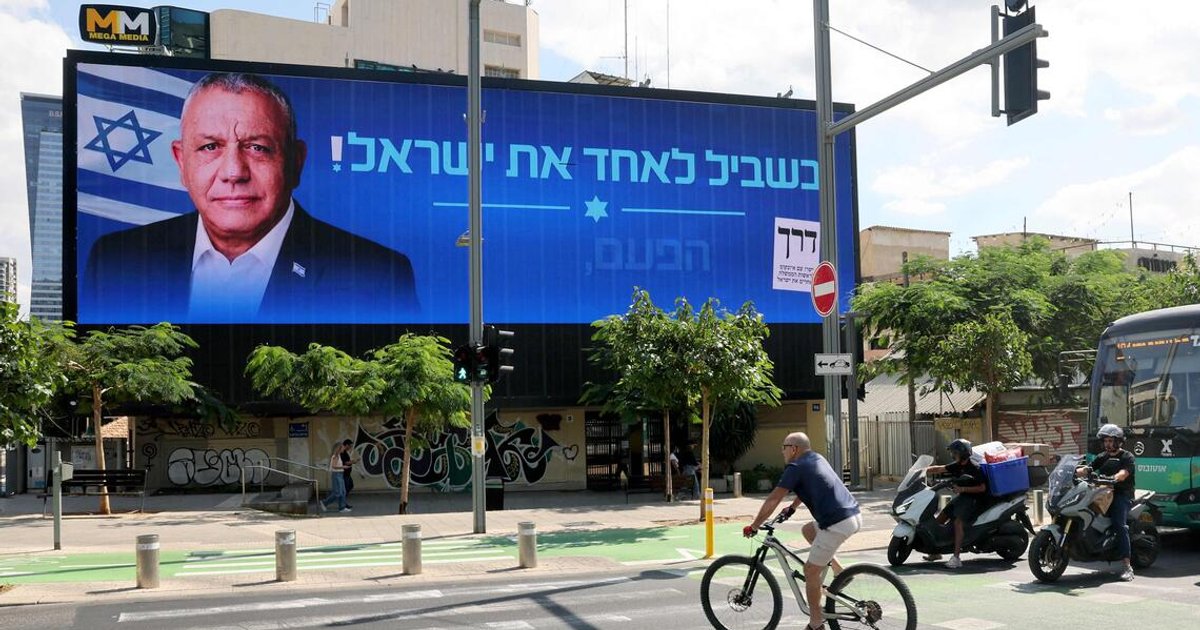
Eisenkot, who founded the Yashar party in 2025, has emerged as a key challenger to Netanyahu ahead of Israel's October 27 election.
asserted
who → found → election
Unlike Netanyahu, a veteran and combative politician, Eisenkot has cultivated an image of a reserved, straightforward leader with strong military credentials.
asserted
Eisenkot → cultivate → credentials
His family has also suffered personal losses during the Gaza war, with his son and two nephews killed while fighting there.
asserted
son → suffer → war
The son of Moroccan immigrants, Eisenkot served in the Israeli military for 41 years, rising to become its chief of staff from 2015 to 2019.
asserted
Eisenkot → serve → 2019
He commanded troops in the West Bank during the second intifada and served during Israel's 2006 war against Hezbollah in Lebanon.
asserted
He → command → Lebanon
During the Lebanon conflict, he employed what became known as the “Dahiyeh doctrine”, a strategy involving overwhelming force against areas used by militant groups, including the destruction of civilian infrastructure.
asserted
what → employ → infrastructure
The approach drew criticism over its humanitarian consequences.
asserted
approach → draw → consequences
Eisenkot entered frontline politics after the October 7 attacks, joining Netanyahu's war cabinet as an observer.
asserted
Eisenkot → enter → observer
He left after eight months, criticising the prime minister's leadership and arguing that Israel had failed to achieve its declared objective of destroying Hamas' military and governing capabilities.
asserted
Israel → leave → capabilities
He has also argued that freeing the hostages taken by Hamas was the only war objective Israel had achieved.
asserted
Israel → argue → Hamas
Where he stands on security and Palestinians
Despite presenting an alternative to Netanyahu's leadership and far-right coalition partners, Eisenkot maintains a hardline position on security.
asserted
Eisenkot → stand → security
He says Hamas' military wing must be destroyed or dismantled and that Israel must prevent Iran from acquiring nuclear weapons, either through military action or a diplomatic agreement backed by the United States.
asserted
Israel → say → States
Eisenkot opposes Palestinian statehood, describing the idea of “two states for two peoples” as a mistake.
asserted
Eisenkot → oppose → mistake
He has argued that Israel must retain overriding security responsibility in the territory between the Jordan River and the Mediterranean Sea.
asserted
Israel → argue → River
He also supports Jewish settlements in the occupied West Bank, while saying they should serve Israeli national interests and be legal.
asserted
they → support → interests
He has criticised settler violence against Palestinians and opposed some of the Netanyahu government's settlement plans, including construction in the E1 area, which critics say would further divide the West Bank.
asserted
critics → criticise → Bank
Eisenkot has rejected partnering with parties representing Arab Israelis, saying they do not accept his core security principles.
asserted
they → reject → principles
This position could complicate his efforts to assemble a parliamentary majority, even if his party performs strongly.
uncertain
party → complicate → majority
Can he replace Netanyahu?
asserted
he → replace → Netanyahu
Eisenkot's campaign offers voters an alternative to Netanyahu's leadership without a major shift away from Israel's hardline security outlook.
asserted
campaign → offer → outlook
His military background, personal losses during the Gaza war and criticism of the government's handling of the October 7 aftermath have shaped his public profile.
asserted
background → shape → profile
Opinion polls cited by news agency Reuters show his party leading Netanyahu's Likud, although Israel's fragmented political landscape could make forming a government difficult for either leader.
uncertain
forming → cite → leader
Eisenkot would need sufficient support from other parties to form a governing coalition, making alliances a crucial factor in the race.
asserted
alliances → need → race
 The Aporia