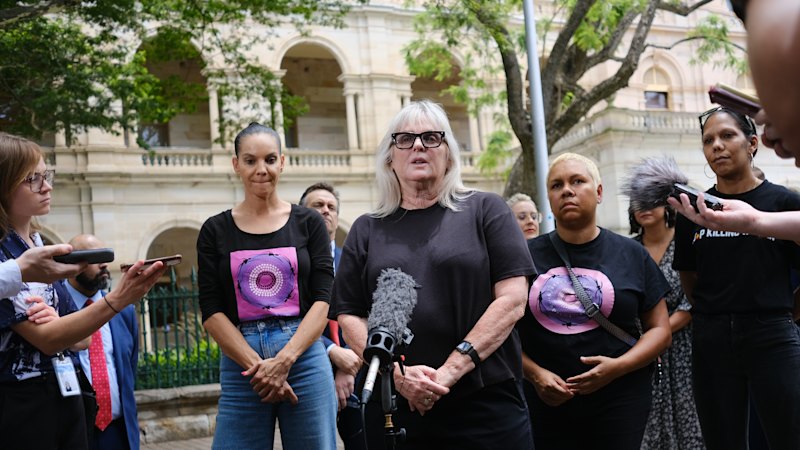
Female GPs are seeing more patients with complex psychosocial and health needs, and spending longer consulting than their male colleagues, a report has found, with women in general practice experiencing higher rates of burnout and stress related to work-life balance.
asserted
women → see → balance
Over 3,500 practising, non-practising and in-training GPs were surveyed for the latest Health of the Nation report, published by the Royal Australian College of General Practitioners on Wednesday.
asserted
GPs → practise → Wednesday
The report found mental health continued to be the number one reason patients sought care, a trend that first emerged in 2017.
asserted
that → find → 2017
Two thirds of GPs said they were spending more time with patients due to the “increasing complexity of health concerns”, with an average time per patient of 19.8 minutes in 2026, compared to 19.7 minutes in 2025 and 17.7 minutes in 2022.
asserted
they → say → 2022
The report noted this had a greater impact on female GPs.
asserted
this → note → GPs
Women spent 21 minutes on average with patients compared to just under 18 minutes for male GPs, and tended to see people with more complex psychosocial, mental health and women’s health issues.
asserted
Women → spend → health
RACGP Queensland chair Dr Cath Hester said the preference for female doctors was influenced by “cultural reasons”, but overall, spoke to the importance of developing strong relationships with patients.
asserted
preference → say → patients
“People feel more comfortable to confide mental health conditions or other sensitive information, like maybe domestic violence, with somebody who they know,” Hester said.
asserted
Hester → feel → who
But we also know female patients tend to prefer female GPs, and that they are more likely to consult their GPs on more complicated health conditions.
asserted
they → know → conditions
“I do think there are cultural reasons [for that].”
asserted
I → think → that
Hester has treated patients at a small clinic in the Brisbane suburb of Karana Downs for more than 10 years.
asserted
Hester → treat → years
She said complex concerns took longer to address, and federal policy should acknowledge the disproportionate impact this has on women.
asserted
this → say → women
“One of the things that we’re calling on the federal government for is to review the time-tiered payment for a GP to help fund those longer consultations … which female GPs predominantly provide,” Hester said.
asserted
Hester → call → which
“Unfortunately, women are suffering the consequences [of the current system] and earn less than male GPs on average.”
asserted
women → suffer → GPs
RACGP president Dr Michael Wright said the report shone a light on the structural gender bias and misogyny embedded in Australia’s Medicare system.
asserted
report → say → system
“Female GPs are playing a critical role delivering complex care across our health system, particularly in mental health, preventive healthcare and women’s health, but the Medicare system has not kept pace with the reality of modern general practice,” he said.
asserted
he → play → practice
“That must change.”
asserted
That → change → ?
The Health of the Nation report noted that, for the first time, female GP satisfaction was found to be lower than male GPs, and women reported higher rates of burnout and trouble maintaining work-life balance.
asserted
women → note → balance
AMA Queensland chair Dr Maria Boulton, a Brisbane-based GP, said women juggled complex patient needs with other gendered responsibilities, including raising children and caring for ageing parents.
asserted
women → base → parents
“The most challenging part for me [was] being a mum and being in the ‘sandwich generation’,” Boulton said.
asserted
Boulton → say → generation
“There was a time [in my career] when I had a young toddler and had a father who was terminal with cancer, and it was such a stressful time.”
asserted
it → be → cancer
Taking time off to care for family created a “moral stress of having to let patients down”, Boulton said, and it was often difficult to strike a balance between work-life responsibilities.
asserted
it → take → responsibilities
“It’s no wonder burnout happens,” she said, adding that the workforce, particularly in Brisbane and Queensland, was already stretched.
“
asserted
workforce → ’ → Brisbane
We need to really protect the workforce …
asserted
We → need → workforce
we can’t afford to be losing anyone to burnout – doctors, nurses – we are short already.”
asserted
we → afford → burnout
Almost nine in 10 GPs are managing conditions that non-GP specialists typically treat, the report found, and most are seeing concerns typically treated in a hospital emergency department.
asserted
most → manage → department
Despite the demand, fewer people reported they waited longer than it felt acceptable to see a GP, and more than half the population were able to access urgent medical care from a GP within 24 hours.
asserted
population → report → hours
 The Aporia