What B.C.'s Conservative win and Alberta's referenda should teach Pierre Poilievre

Read the original at Toronto Star ↗
Cite

Raj, A. (2026, October 27). What B.C.'s Conservative win and Alberta's referenda should teach Pierre Poilievre. Toronto Star. https://www.thestar.com/opinion/star-columnists/what-b-c-s-conservative-win-and-alberta-s-referenda-should-teach-pierre-poilievre/article_b4f4a501-4dc8-4207-9f8c-4ac08a6364f4.html

Dated from the outlet's own feed. Check the original for its byline.

Toronto Star · collected 2026-10-28 · by Althia Raj

Quick Summary

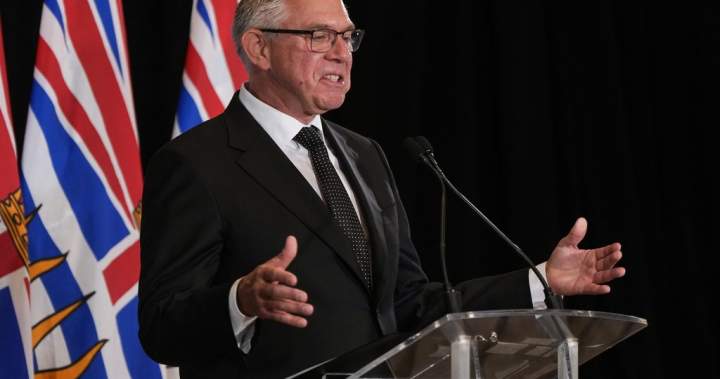
In British Columbia, the interim Conservative leader Lorne Doerkson won a majority government despite receiving fewer votes than in the previous election. His success was largely due to lower NDP voter turnout rather than a significant shift in support from other parties. Federal B.C. Conservative MP Aaron Gunn argues that this victory supports the idea that the federal Conservative Party under Pierre Poilievre should maintain its conservative principles without abandoning them, as Doerkson did on contentious issues like Indigenous rights and LGBTQ+ policies. However, critics suggest that Doerkson's success was more about depressing NDP turnout than winning over new voters with specific policy positions.
Written locally by qwen2.5:14b on 2026-10-28, using this article's own text rather than the other coverage of the same event (that is the story summary below).

AI analysis runs on qwen2.5:14b, locally

Story summary

As of October 27, 2026, British Columbia has elected an interim Conservative leader Lorne Doerkson in a majority government after his disciplined campaign focused on key conservative priorities without abandoning issues like DRIPA (the Declaration on the Rights of Indigenous Peoples Act) and SOGI policies. The victory came despite a low voter turnout of only 48%, with NDP Premier David Eby's early election gamble failing spectacularly. Aaron Gunn, a federal B.C. Conservative MP, noted that those advocating for the federal Conservative Party to abandon its principles based on this win are misguided or disingenuous. This outcome may have implications for how national conservative leaders like Pierre Poilievre approach their strategies moving forward.

Written for “Pierre Poilievre Lessons” on 2026-10-28, grounded in this article and the 0 other(s) covering the same event.
Why this leaning score
The article's own words the score was based on. Each is quoted verbatim and was checked against the article text before being stored, so you can find it in the original.
Reading Leans right (beta estimate) Confidence high
Leaning: leans right for article 110872 (high confidence, 2 verified quotes) · logged 2026-10-28

Story

📰 Pierre Poilievre Lessons
Politics · 1 article(s) covering the same event.

Compared with similar articles

This article reads leans right and hedges 19% of its claims. Each row says how that neighbour differs.
The Globe and Mail
⚖️ Leans left further left than this 🔴 12% hedged 2 of 16 📰 publisher trust 53
“While both articles discuss the outcome of the British Columbia election, Article A describes the closing of polls and beginning of tallying, whereas Article B discusses the results and implications of the election that happened after the polls were closed.”
Five takeaways from B.C.’s election different event · 85%
The Globe and Mail
⚖️ Leans right 🔴 7% hedged 3 of 43 📰 publisher trust 53
“While both articles discuss the election of a Conservative government in British Columbia, they describe different aspects or timelines related to the event.”
Toronto Star
⚖️ leaning not scored 🔴 9% hedged 2 of 22 📰 publisher trust 64
“Article A discusses the need to change the party constitution to allow Lorne Doerkson to become permanent leader after winning the election, while Article B comments on the overall result and implications of the B.C. Conservative win.”
The Globe and Mail
⚖️ leaning not scored 🔴 0% hedged 0 of 40 📰 publisher trust 53
“While both articles discuss David Eby's loss in the election, ARTICLE A focuses on the context leading up to the election and British Columbians' reaction, whereas ARTICLE B discusses the broader implications of the election results for other political figures and movements.”
Global News
⚖️ leaning not scored 🔴 4% hedged 1 of 24 📰 publisher trust 63
“Article A describes the BC Conservatives laying out goals for their first 100 days in office, while Article B discusses the implications of the Conservative win in British Columbia and the Alberta referenda.”
The Globe and Mail
⚖️ leaning not scored 🔴 4% hedged 2 of 50 📰 publisher trust 53
“Article A describes the surprise election called by David Eby, while Article B discusses the outcome of that election with Lorne Doerkson winning a majority. Although related, they describe different stages of the same general event.”
Toronto Star
⚖️ leaning not scored 🔴 0% hedged 0 of 18 📰 publisher trust 64
“Article A discusses the immediate aftermath of the election, focusing on the transition planning, while Article B analyzes the broader implications and lessons from the Conservative win.”
CBC News
⚖️ leaning not scored 🔴 0% hedged 0 of 22 📰 publisher trust 74
“While both articles discuss Lorne Doerkson's victory as B.C.'s new premier, Article A focuses on his promise and background, while Article B discusses the broader implications of his win for other conservative movements.”
National Post
⚖️ leaning not scored 🔴 9% hedged 3 of 32 📰 publisher trust 60
“Article A describes the election day itself and its potential outcome, while Article B discusses the aftermath of the election result and its implications.”
The Straits Times
⚖️ Leans strongly right further right than this 🔴 0% hedged 0 of 12 📰 publisher trust 68
“While both articles discuss the victory of the Conservative Party in British Columbia, Article A focuses on the election results and promises made by the new government, while Article B discusses broader implications and reactions to the win.”
How this article was measured signals, leaning charts, publisher record, byline, topics and claims

Signals How these are calculated →

Claims extracted
37
sentences that state something as happening or true
Uncertain
19%
7 of 37 hedged ("reportedly", "may", "according to")
Leaning
Leans right
of the writing, not the subject · beta estimate
Publisher signals
64/100
Toronto Star's corrections and hedging, across everything collected from it. Not a measure of accuracy.
Outlets on this story
1
Politics
Same framing elsewhere
1
articles that frame the event the way this one does
Analyzed 2026-10-28 · how these are computed

How this is being covered How these are calculated →

Article leaning vs. publisher reliability
Source leaning vs. consistency

Publisher

Toronto Star · 10027 article(s) · 27 correction(s) detected
Running correction rate · 27 correction(s)
2026-10-26
Correction
2026-10-24
Correction
2026-10-07
Correction
2026-09-24
Correction

Who wrote this

Althia Raj
3 article(s) here · 1 carrying a prediction
🔮 Gunn may believe that DRIPA and SOGI policies led British Columbia to turn blue and that the same strategy will pay off for Poilievre.
🔮 Monday, a trial begins in Vancouver whose outcome could significantly alter climate change policies across the country.
🔮 It’s legislation that Conservatives can only dream Canadians would have allowed them to table.
Also by Althia Raj
Nothing else under this byline is closely related to this article, so these are simply their most recent.

Topics

B.C. Conservative Conservatives NDP U.S.

Subjects

Conservative NORP · 7× Poilievre PERSON · 7× NDP ORG · 6× Conservatives NORP · 5× Doerkson PERSON · 5× B.C. GPE · 4× Mark Carney PERSON · 3× U.S. GPE · 3× Liaison ORG · 2× Alberta GPE · 1×

Narrative

With almost all votes counted, referendum results show all of her proposed constitutional Premier Danielle Smith must not only contend with the fallout of a plebiscite she thought she’d easily win that instead leaves her with no mandate to seek financial compensation to opt out of federal programs, or to fight for the supremacy of provincial laws over federal laws.
framing: assertive · carried by 1 article(s) · first seen 2026-10-28
🔮 Gunn may believe that DRIPA and SOGI policies led British Columbia to turn blue and that the same strategy will pay off for Poilievre.

Claims (37 extracted, 7 hedged)

As Conservative MPs gather for their weekly caucus meetings, some are attempting to read the tea leaves from last week’s Alberta referenda and British Columbia’s big Conservative win. asserted
some → gather → referenda
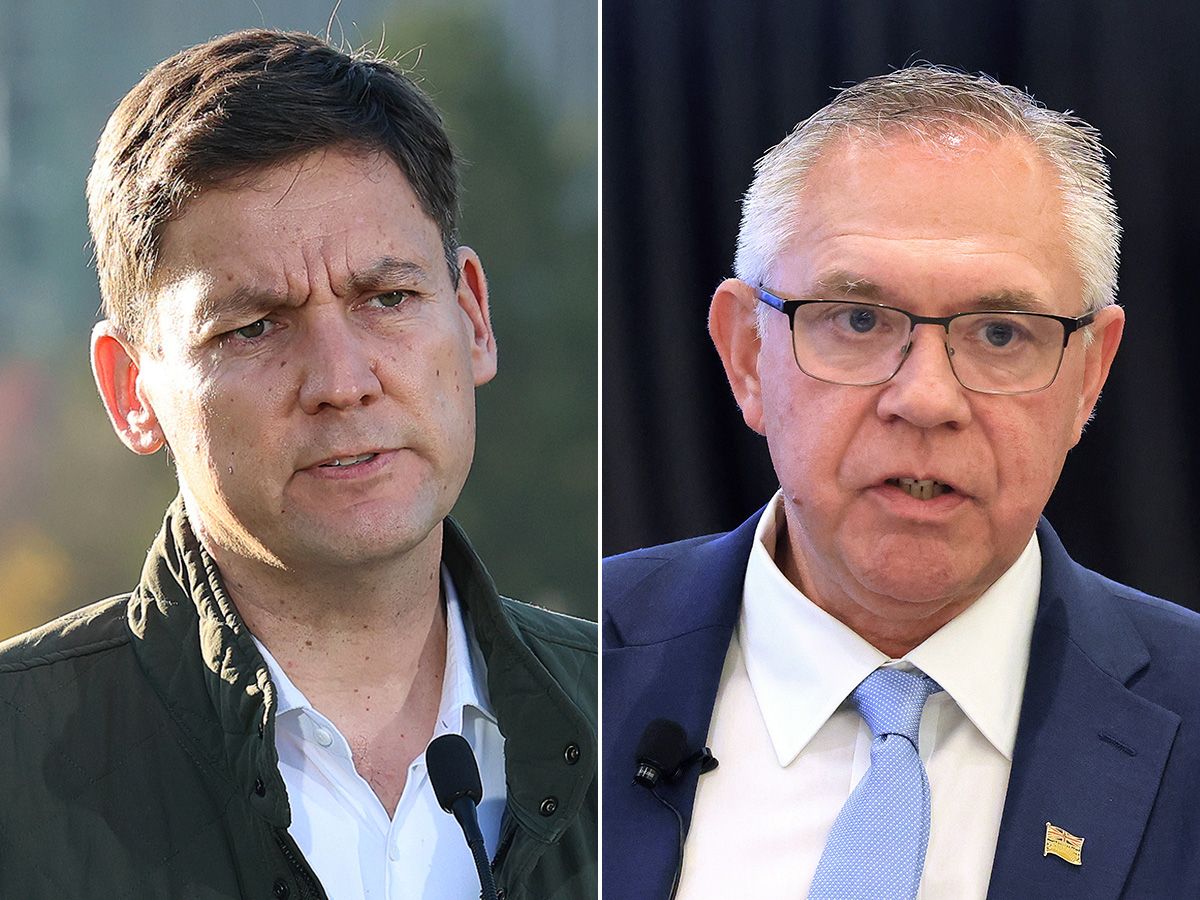
Saturday, David Eby’s early election gamble — two years into his NDP government’s mandate — failed spectacularly. asserted
gamble → fail → mandate
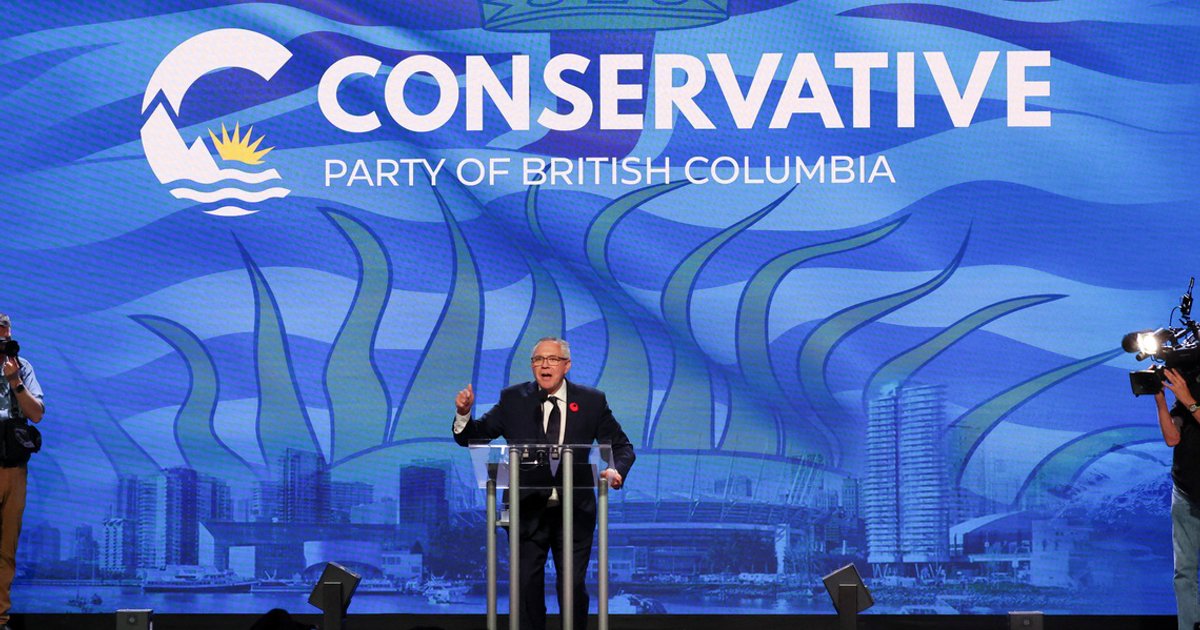
B.C. interim Conservative leader Lorne Doerkson won a majority after running a disciplined campaign and uniting his party — and the conservative movement — around his leadership. asserted
Doerkson → win → leadership
On X, federal B.C. Conservative MP Aaron Gunn posted that Doerkson and his team had articulated a compelling vision for the province “and did so WITHOUT abandoning key conservative priorities or principles, including DRIPA (the Declaration on the Rights of Indigenous Peoples Act), SOGI (Sexual Orientation and Gender Identity) and ending safe supply. asserted
Doerkson → post → supply
“Those trying to use this victory to argue the federal Conservative Party needs to abandon its conservative principles in order to win an election are doing so either disingenuously or ignorantly,” he wrote. asserted
he → try → election
Despite his rodeo announcer background, Doerkson did not create a stampede to the polls. asserted
Doerkson → create → polls
Only 48 per cent of the B.C. electorate showed up to vote. asserted
cent → show → electorate
The Conservatives obtained fewer votes than they did in 2024 — 862,688 to 911,153. asserted
they → obtain → 2024
What led to the party’s large majority is that 273,768 NDP voters from 2024 failed to show up for their party. asserted
voters → lead → party
Some likely voted Green, others Conservative, but many simply stayed home. asserted
many → vote → Green
And it isn’t because Doerkson and his team flexed on controversial issues, like SOGI — it’s precisely because they didn’t. asserted
they → flex → SOGI
Since Prime Minister Mark Carney walked away from “a bad deal” with the U.S. in August, his popularity has reached new heights. asserted
popularity → walk → heights
This makes the Since Prime Minister Mark Carney walked away from “a bad deal” with the U.S. in August, his popularity has reached new heights. asserted
popularity → make → heights
This makes the What the B.C. Conservatives presented, through careful messaging, was a Conservative leader that British Columbians did not need to fear. asserted
Columbians → make → that
Doerkson seemed like a nice positive guy, talking about running a competent government and lowering taxes. asserted
Doerkson → seem → taxes
With not much of a record to defend, his campaign successfully stripped centrists and progressive voters of a reason to mobilize. asserted
campaign → defend → reason
And the NDP failed to make a compelling case otherwise. asserted
NDP → fail → case
Depressing an opponent’s turnout can be as important as turning out your own voters. asserted
turnout → depress → voters
While the NDP made a series of own goals, from calling an election they were ill-equipped to fight, to having no clear message, to Eby’s subsidized child-care revelation, the Conservatives amplified the setbacks. asserted
Conservatives → make → setbacks
NDP voters were left unmotivated. asserted
voters → leave → ?
Gunn may believe that DRIPA and SOGI policies led British Columbia to turn blue and that the same strategy will pay off for Poilievre. uncertain
strategy → believe → Poilievre
But not only does the data suggest that is not true — Research Co.’s exit poll found fewer than 30 per cent of respondents said those were vote drivers — Poilievre is no Doerkson. asserted
Poilievre → suggest → respondents
Voters have already made up their minds about Poilievre, and poll after poll suggests they don’t like him. uncertain
they → make → him
Recent figures from Abacus Data suggest 45 per cent of the country does not like him; Liaison suggests the number is 55 per cent; an Ekos survey this month pegs it at 70 per cent. uncertain
survey → suggest → cent
This isn’t because voters can’t see beyond admiration for Prime Minister Mark Carney. asserted
voters → see → Carney
According to Liaison, NDP Leader Avi Lewis’s negatives are dropping. uncertain
negatives → accord → Liaison
But Lewis is just becoming known; Poilievre is a known quantity. asserted
Poilievre → become → ?
During the 2025 federal election, a major vote driver was U.S. President Donald Trump and his 51st state threats, but dislike for Poilievre also sent voters to the Liberal camp. asserted
dislike → send → camp
Trump may not be there to help the Grits during the next election, but it’s difficult to see how Poilievre can help Conservatives. uncertain
Poilievre → help → Conservatives
He remains a drag on his party, notably in vote-rich Ontario. asserted
He → remain → Ontario
Funnily enough, Carney and Poilievre might both be hoping the Conservatives win the upcoming byelection in Brantford—Brant South, otherwise a potential leadership review could throw both their plans out the window. uncertain
review → hop → window
The Alberta result offers a different but related lesson. asserted
result → offer → lesson
With almost all votes counted, referendum results show all of her proposed constitutional Premier Danielle Smith must not only contend with the fallout of a plebiscite she thought she’d easily win that instead leaves her with no mandate to seek financial compensation to opt out of federal programs, or to fight for the supremacy of provincial laws over federal laws. asserted
that → count → laws
She must also face the challenge of trying to steer her party to where the voters are, rather than where her party’s base is. asserted
base → face → party
Do federal Conservatives also want their party driven by the voices of western separatists, anti-vaxxers, and those focused on gender identity messages? asserted
party → want → messages
Hanging on to the party’s most extreme members might keep the floor from dropping in public opinion polls, but increasingly MPs are aware it comes at a long-term cost. uncertain
it → hang → cost
Those voices are defining the party’s agenda to one that a majority of swing voters cannot support — voters that the Conservatives need without a stronger NDP splitting the Liberals’ base of support. asserted
NDP → define → support

💬Give feedback
🕘History 🎫Support