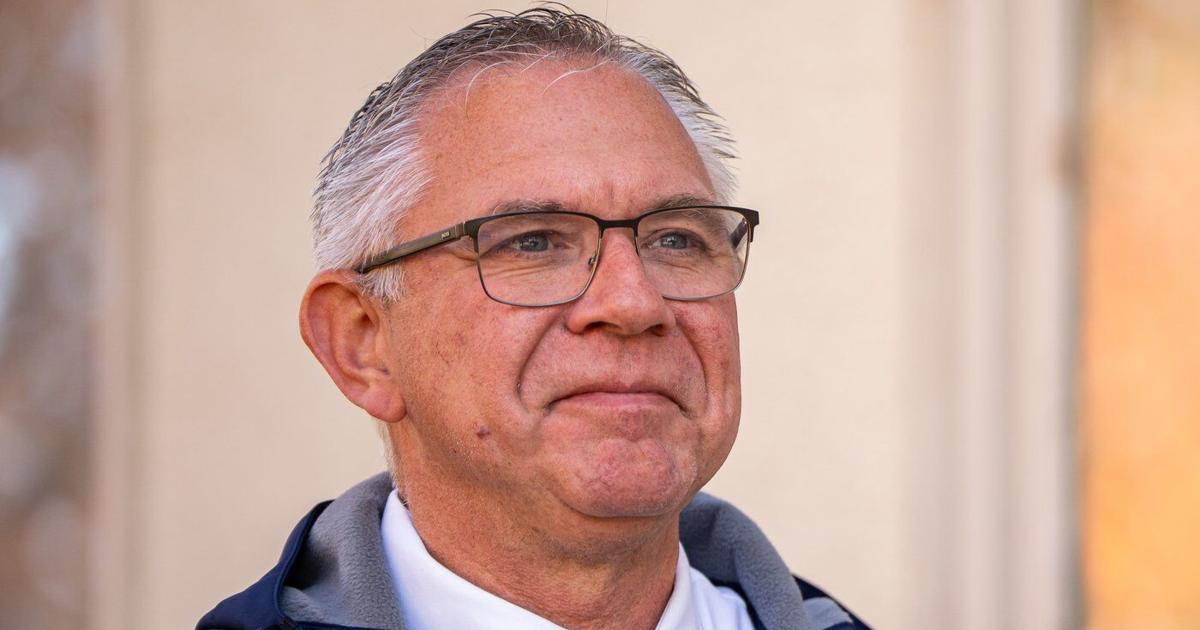
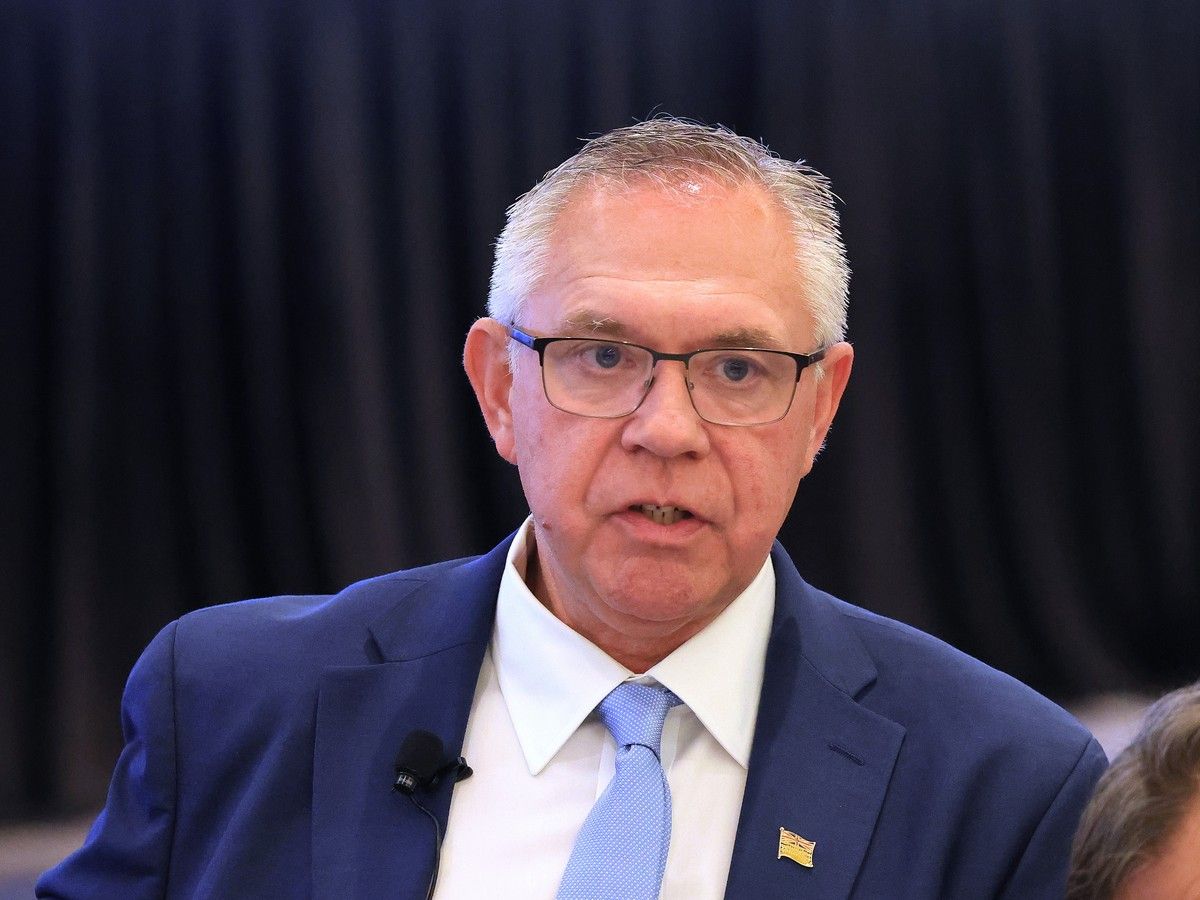
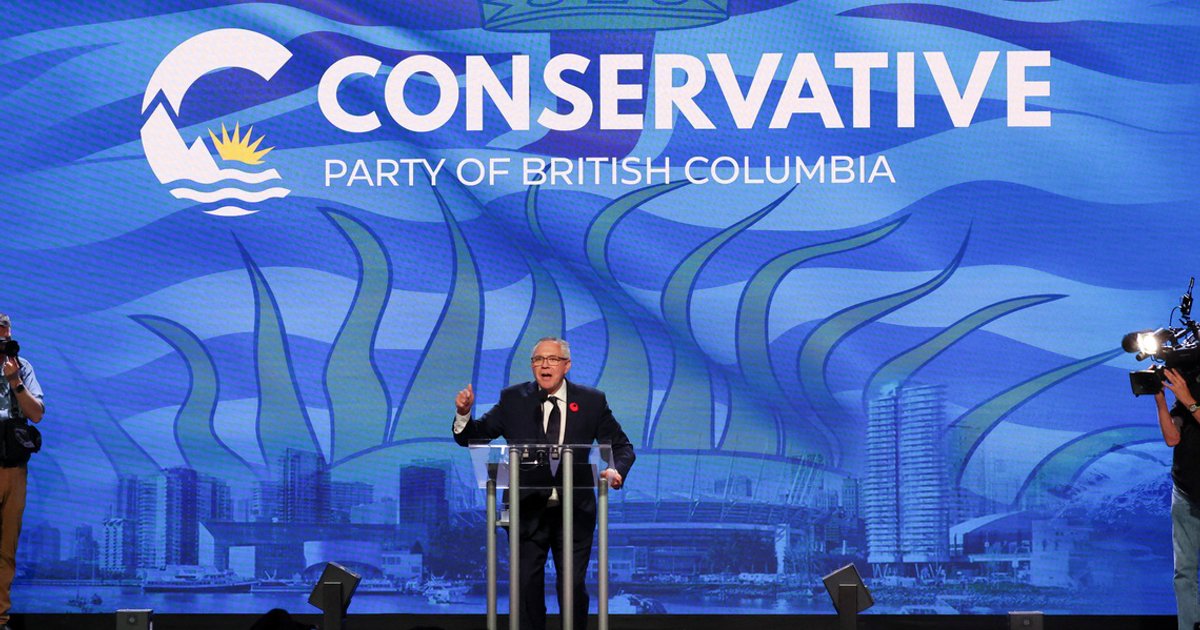
Excitement 'beyond Hope' as B.C.'s next premier promises to bring rural, northern perspective to top job

Read the original at CBC News ↗
Cite

Kurjata, A. (2026, October 27). Excitement 'beyond Hope' as B.C.'s next premier promises to bring rural, northern perspective to top job. CBC News. https://www.cbc.ca/news/canada/british-columbia/lorne-doerkson-rural-and-northern-mayor-9.7396901?cmp=rss

Dated from the outlet's own feed. Check the original for its byline.

CBC News · collected 2026-10-27 · by Andrew Kurjata

Quick Summary

Lorne Doerkson, who moved to B.C.'s Interior as an adult and has lived in Williams Lake since 2001, won the recent general election in British Columbia. This marks the first time in decades that a premier will come from north of Metro Vancouver. Doerkson’s victory speech emphasized his commitment to northern and rural perspectives, stating that “the whole map counts,” implying a shift away from previous governance that neglected these areas. Williams Lake Mayor Surinderpal Rathor and other leaders from northern cities expressed optimism about the new premier's priorities for health care, infrastructure, public safety, and economic growth in their regions.
Written locally by qwen2.5:14b on 2026-10-27, using this article's own text rather than the other coverage of the same event (that is the story summary below).

AI analysis runs on qwen2.5:14b, locally

Story summary

Voters in British Columbia handed a decisive victory to the Conservative Party on October 24, 2026, with Lorne Doerkson winning 64 seats compared to 27 for the NDP and 2 for the Greens. This marks the first time since 1928 that the Conservatives have won an election in B.C., ending nine years of NDP rule.

The shift was largely driven by public anger over NDP Leader David Eby’s decision to call a snap election amid municipal elections, two years before his mandate expired. Doerkson, despite leading a party previously plagued by infighting and controversy, secured the majority due to voter dissatisfaction with Eby's move.

Doerkson promises to bring a rural perspective to the premiership, calling out specific northern cities such as Williams Lake, Fort St. John, and Quesnel, which have long felt neglected by the government based in Victoria. His immediate priorities include launching an independent review of B.C.’s finances, advancing the Pacific Link pipeline project, and repealing Indigenous rights legislation.

The election results highlight a significant political realignment in British Columbia, with Doerkson’s rural background positioning him to address regional disparities long felt across the province.

Written for “BC Election 2026 Results” on 2026-10-28, grounded in this article and the 20 other(s) covering the same event.
Why this leaning score
This article does not take a side on a contested political question, so it has no leaning score. That is an answer rather than a gap: a match report or a rescue can be warmly or critically written without being left or right, and scoring it anyway is how approval of a subject gets recorded as a political position.
No political leaning scored for article 109408 · logged 2026-10-27

Story

📰 BC Election 2026 Results
Politics · 21 article(s) covering the same event. Compare every outlet's account →

Compared with similar articles

This article reads unscored and hedges 0% of its claims. Each row says how that neighbour differs.
The Globe and Mail
⚖️ leaning not scored 🔴 5% hedged 2 of 38 📰 publisher trust 53
“Article A discusses political cameos during a leaders' debate for CentreBC and OneBC, while Article B reports on Lorne Doerkson's victory as the next premier of British Columbia.”
Toronto Star
⚖️ leaning not scored 🔴 0% hedged 0 of 2 📰 publisher trust 64
“Article A reports on Lorne Doerkson's re-election in Cariboo-Chilcotin, while Article B discusses his victory as the next premier of British Columbia and his background.”
National Post
⚖️ Leans strongly right 🔴 9% hedged 4 of 44 📰 publisher trust 60
“Article A describes the Conservative Party winning a majority in the election, while Article B focuses on Lorne Doerkson being elected as the next premier from the northern region of British Columbia.”
The Straits Times
⚖️ Leans strongly right 🔴 0% hedged 0 of 12 📰 publisher trust 68
“Both articles describe the Conservative Party winning the election in British Columbia, marking a significant political shift after nearly a century.”
Daily Mail
⚖️ Leans right 🔴 4% hedged 1 of 23 📰 publisher trust 68
“Both articles report on Lorne Doerkson's victory and his election as the new premier of British Columbia, marking a historic win for conservatives in BC after nearly 100 years.”
Toronto Star
⚖️ leaning not scored 🔴 12% hedged 2 of 16 📰 publisher trust 64
“The articles discuss different aspects of Lorne Doerkson becoming B.C.'s premier designate, but do not describe the same specific incident or occurrence.”
The Globe and Mail
⚖️ Leans left 🔴 12% hedged 2 of 16 📰 publisher trust 53
“Article A describes the closing of polls and vote tallying for the election, while Article B discusses the new premier promising to bring a rural perspective after winning the election.”
CBC News
⚖️ leaning not scored 🔴 11% hedged 5 of 46 📰 publisher trust 74
“While both articles discuss Lorne Doerkson's election victory, Article A is more focused on the reasons for his unexpected rise to premier, while Article B focuses on his background and promises as a new premier from the rural north. They describe different aspects of the same broader event but not the exact same specific incident.”
B.C. Conservatives win majority different event · 85%
The Globe and Mail
⚖️ leaning not scored 🔴 0% hedged 0 of 2 📰 publisher trust 53
“While both articles discuss Lorne Doerkson's victory and his promise to be B.C.'s new premier, they are reporting on different aspects of the same general election outcome occurring at slightly different times.”
Toronto Star
⚖️ leaning not scored 🔴 0% hedged 0 of 18 📰 publisher trust 64
“The articles describe different aspects of Lorne Doerkson's rise to power, with Article A focusing on his transition team and plans after winning the election, while Article B highlights his background and perspective as a premier from outside Metro Vancouver.”
How this article was measured signals, leaning charts, publisher record, byline, topics and claims

Signals How these are calculated →

Claims extracted
22
sentences that state something as happening or true
Uncertain
0%
0 of 22 hedged ("reportedly", "may", "according to")
Leaning
not political
takes no side on a contested political question
Publisher signals
74/100
CBC News's corrections and hedging, across everything collected from it. Not a measure of accuracy.
Outlets on this story
21
Politics
Same framing elsewhere
1
articles that frame the event the way this one does
Analyzed 2026-10-27 · how these are computed

How this is being covered How these are calculated →

Article leaning vs. publisher reliability
Source leaning vs. consistency

Publisher

CBC News · 1639 article(s) · 5 correction(s) detected
Running correction rate · 5 correction(s)

Who wrote this

Andrew Kurjata
4 article(s) here · 1 carrying a prediction
🔮 Excitement 'beyond Hope' as B.C.'s next premier promises to bring rural, northern perspective to top job Lorne Doerkson moved to B.C. Interior as an adult, and isn't shy about making his love for the region known For the first time in decades, British Columbia will have a premier from north of Metro Vancouver following a general election victory.
🔮 Will more follow?
2026-10-04 · assertive framing · A swordfish was found on Haida Gwaii. Will more follow?
🔮 LNG Canada expansion gets go-ahead, as Carney set to highlight 'historic investment' in Canadian energy Expansion of LNG Canada project could double LNG exports from Kitimat, B.C., to overseas markets The multibillion-dollar LNG Canada Phase 2 expansion in Kitimat, B.C., is going forward, Shell Energy Canada says, in a move that could double exports of liquefied natural gas from the northern coastal facility to overseas markets.
🔮 "Even if her phone died, even if she lost her phone, even if she got lost, she would know how to seek help," he said.
Also by Andrew Kurjata
Nothing else under this byline is closely related to this article, so these are simply their most recent.

Topics

B.C. British Columbia Fort St. John Quesnel Williams Lake

Subjects

B.C. GPE · 7× Doerkson PERSON · 5× Williams Lake GPE · 5× British Columbia GPE · 3× Fort St. John GPE · 2× Hope GPE · 2× Lorne Doerkson PERSON · 2× Prince George GPE · 2× Quesnel GPE · 2× Vancouver GPE · 2×

Narrative

"I love Cariboo-Chilcotin," he enthused in his election night victory speech, calling Williams Lake home while also giving specific mention to key northern and Interior cities, including Fort St. John and Quesnel. "For a very long time, a lot of British Columbians have felt like Victoria forgot about them, like the map maybe stopped at Hope," he said, referencing the community often referred to as the unofficial border between southern B.C. and the rest of the province.
framing: assertive · carried by 1 article(s) · first seen 2026-10-27
🔮 Excitement 'beyond Hope' as B.C.'s next premier promises to bring rural, northern perspective to top job Lorne Doerkson moved to B.C. Interior as an adult, and isn't shy about making his love for the region known For the first time in decades, British Columbia will have a premier from north of Metro Vancouver following a general election victory.

Claims (22 extracted, 0 hedged)

Excitement 'beyond Hope' as B.C.'s next premier promises to bring rural, northern perspective to top job Lorne Doerkson moved to B.C. Interior as an adult, and isn't shy about making his love for the region known For the first time in decades, British Columbia will have a premier from north of Metro Vancouver following a general election victory. asserted
Columbia → promise → victory
Though he was born in New Westminster and raised in Surrey, Lorne Doerkson moved to the B.C. Interior as an adult, working for newspapers in Salmon Arm, Prince George and 100 Mile House before settling in Williams Lake in 2001. And he isn't shy about making his love for the region known. asserted
love → bear → region
"I love Cariboo-Chilcotin," he enthused in his election night victory speech, calling Williams Lake home while also giving specific mention to key northern and Interior cities, including Fort St. John and Quesnel. "For a very long time, a lot of British Columbians have felt like Victoria forgot about them, like the map maybe stopped at Hope," he said, referencing the community often referred to as the unofficial border between southern B.C. and the rest of the province. asserted
he → love → province
"But tonight the whole map counts." asserted
map → count → ?
The last party leader from north of Vancouver to win an election was Bill Bennett, who left office in 1986. asserted
who → win → 1986
Dan Miller served as premier and interim leader of the B.C. NDP for six months while representing the North Coast, but he never led his party in a campaign. asserted
he → serve → campaign
An incoming premier from "beyond Hope" has others expressing optimism for the future of the region, too. asserted
others → have → region
"Having someone from the Cariboo step into this role is a proud moment for our city and region," Williams Lake Mayor Surinderpal Rathor wrote on Facebook. " asserted
Rathor → have → Facebook
I look forward to ensuring the priorities of Williams Lake remain part of the provincial conversation, including health care, public safety, infrastructure and a strong local economy. asserted
priorities → look → care
" "Alex Fraser is smiling tonight," said incoming Quesnel mayor Coralee Oakes, referencing the former B.C. transportation minister, who represented the Cariboo region from 1969 until 1989 and was responsible for many infrastructure projects in the region. asserted
who → smile → region
Former B.C. Conservative Party leader Trevor Bolin, now preparing for his first term as mayor of Fort St. John, said he "couldn't be more proud" to see a rural premier-designate getting ready to be sworn in. asserted
designate → prepare → John
Doerkson resides in Williams Lake in B.C.'s Cariboo-Chilcotin region, known for events like the Williams Lake Stampede. asserted
Doerkson → reside → Stampede
Doerkson delved further into what perspective he would bring to the job during a media scrum Sunday morning, directly addressing voters in "rural and northern British Columbia, the Interior, the Peace, the Island and the coast." asserted
he → delve → Columbia
"It has been a long time since you've had a premier from where you live," he said. asserted
he → have → premier
"I know what it means when the mill closes, when the ER shuts at night and when there's fire on the ridge. asserted
ER → know → ridge
Speaking as part of the CBC Daybreak North political panel Monday, former B.C. Liberal MLA Shirley Bond, who lives in Prince George, said Doerkson's challenge would be delivering on the message of change he's promised. asserted
he → speak → change
"Keeping emergency rooms open, I don't think [anyone] is going to disagree on that," she said. asserted
she → keep → that
"The question is, how do you get there?" asserted
you → get → ?
Likewise, University of Northern British Columbia political scientist Jason Morris said Doerkson would still have to pay attention to the population centres in southern B.C. " asserted
Doerkson → say → B.C.
The role of a premier is to be a formal symbol of the province that is expected to effectively engage with and listen and represent citizens from all parts of the province," he said. asserted
he → expect → province
"The balance of the population in British Columbia is concentrated in the metropolis areas of Vancouver and the southern tip of Vancouver Island, and that is always where a significant amount of power and influence is going to be held." asserted
amount → concentrate → power
Doerkson has made sure to connect his message to southern B.C. as well, praising businesses in Vancouver and Surrey and stating "a mine opening in the north keeps a port busy in Delta." asserted
mine → make → Delta

💬Give feedback
🕘History 🎫Support