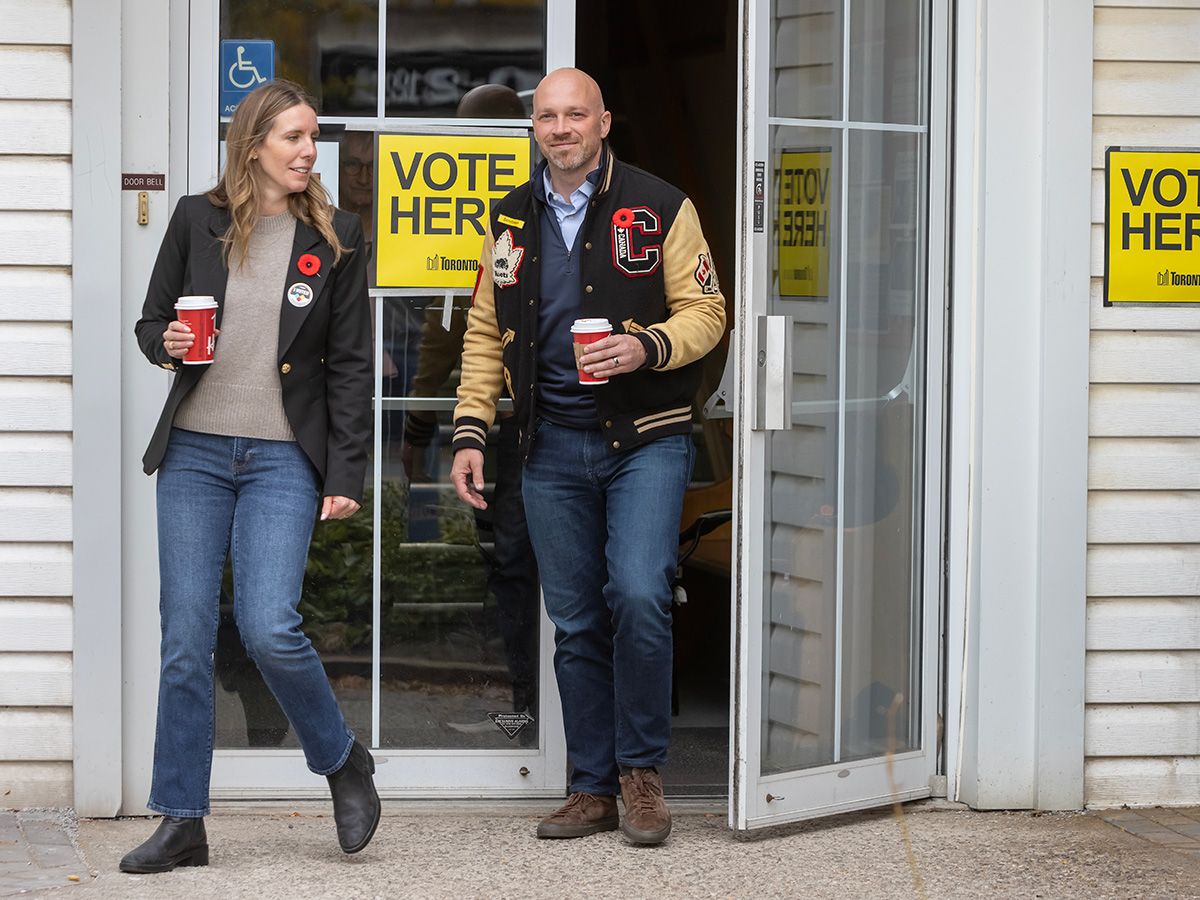
Toronto loves its mayoral incumbents.
asserted
Toronto → love → incumbents
Since the city was amalgamated in 1998, every mayor who has chosen to stand for re-election has successfully won back the mayor’s chair, and by considerable margins.
asserted
who → amalgamate → margins
Mel Lastman won re-election in 2000 with a whopping 80 per cent of the popular vote.
asserted
Lastman → win → vote
Incumbent mayor David Miller bested Jane Pitfield in 2006, winning by a margin of 25 percentage points.
asserted
Miller → best → points
John Tory did better: he won his two bids for re-election in 2018 and 2022 by roughly 40 and 44 percentage points, respectively.
asserted
he → do → points
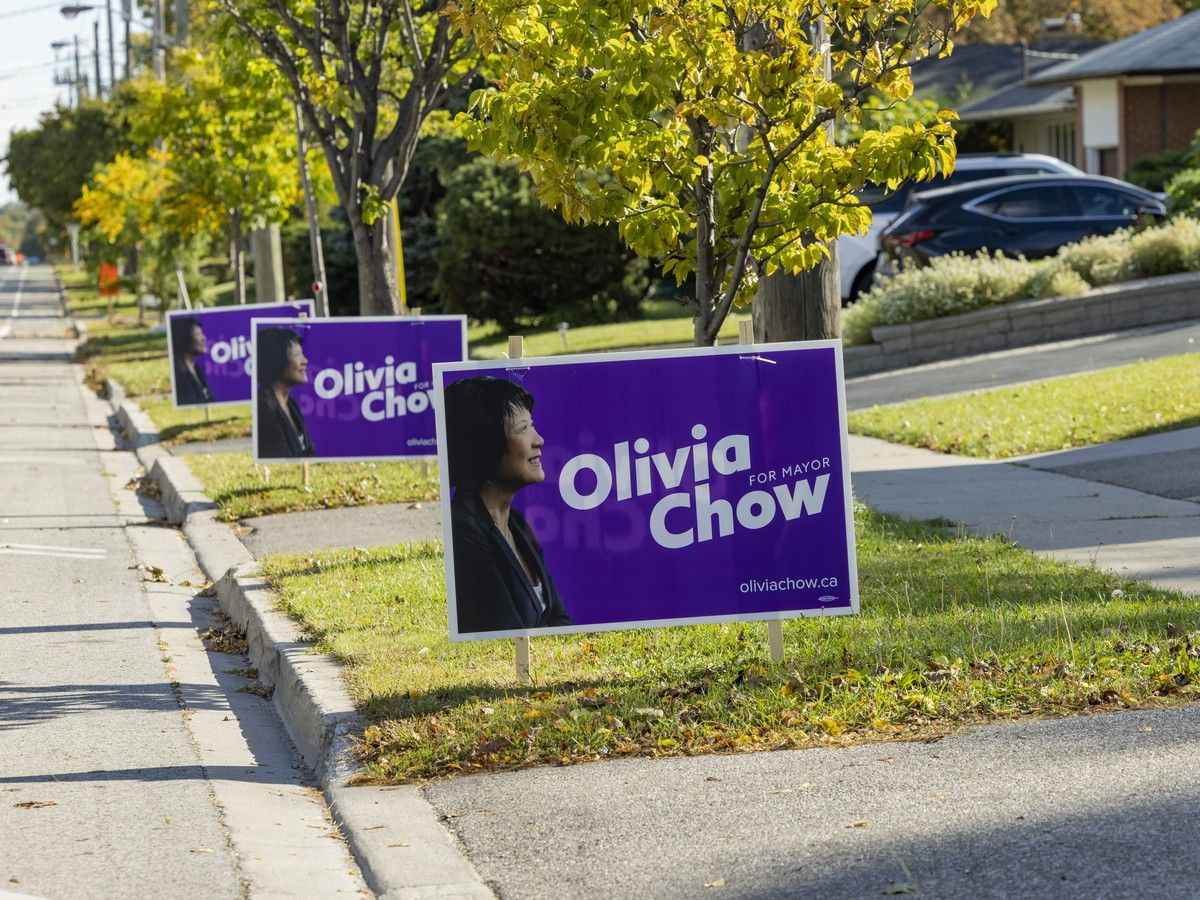
On Monday night, Olivia Chow carried on the tradition to earn a second term as Toronto mayor.
asserted
Chow → carry → mayor
She won handily, sweeping wards in downtown Toronto, all of Scarborough, and even eking out a win in Premier Doug Ford’s riding of Etobicoke North.
asserted
She → win → North
But Ms. Chow’s victory was not the colossal blowout win enjoyed by previous incumbent Toronto mayors; her margin of victory over city councillor Brad Bradford was not 25, 40 or 44 points – but just 13.
asserted
margin → enjoy → Bradford
It’s a decisive win, of course, but hardly the thumping sweep Toronto has come to expect of its mayoral incumbents.
asserted
Toronto → ’ → incumbents
At the outset of the campaign, Ms. Chow appeared to have believed she was headed toward that thumping return enjoyed by her predecessors.
asserted
she → appear → predecessors
She was running a classic front-runner campaign: not saying all that much or promising too many ideas, and instead coasting on her name, her reputation, and her record.
asserted
She → run → name
Ms. Chow’s campaign benefited by the fact that her two main opponents, Mr. Bradford (who got barely over 1 per cent of the vote in the previous race for mayor) and former Harper cabinet minister Chris Alexander were splitting the centre-right vote.
asserted
who → benefit → vote
Ms. Chow wasn’t performing all that well in early debates, but it didn’t seem to matter: she was going to win anyway.
asserted
she → perform → debates
That apparent inevitability started to look less certain a few weeks ago, after Mr. Alexander dropped out of the race and Mr. Bradford’s campaign picked up momentum.
asserted
campaign → start → momentum
His message about Toronto being “stuck” was resonating – among people tired of sitting in traffic, frustrated with the ever-increasing cost of living, and worried about visible signs of social disorder such as open drug use on the TTC.
asserted
Toronto → stick → TTC
Polling showed that more than a third of Torontonians don’t feel safe in their own neighbourhoods after dark, and a majority said that the city is headed in the wrong direction.
asserted
city → show → direction
But Ms. Chow wasn’t acknowledging that reality; when asked during one debate whether Toronto was living up to its full potential, she indicated that it was.
asserted
it → acknowledge → potential
So when the polls began to narrow, Ms. Chow’s campaign did what campaigns often do when they get cornered: it went negative.
asserted
it → begin → what
She attacked Mr. Bradford’s proposal to turn Toronto Water into a publicly owned arms-length corporation (akin to Hydro One) and labelled it an attempt to “privatize” Toronto’s “drinking water.”
asserted
She → attack → water
She warned he will “cut services you rely on,” and Progress Toronto, a group supporting her campaign, charged that Mr. Bradford was aligned with “questionable endorsers.”
asserted
Bradford → warn → endorsers
The attacks ranged from bad faith (by law, Toronto’s drinking water cannot be privatized) to ridiculous (one of the “questionable endorsers” Progress Toronto tried to portray as extreme is Conservative MP Scott Aitchison), but they clearly accomplished what they sought to do.
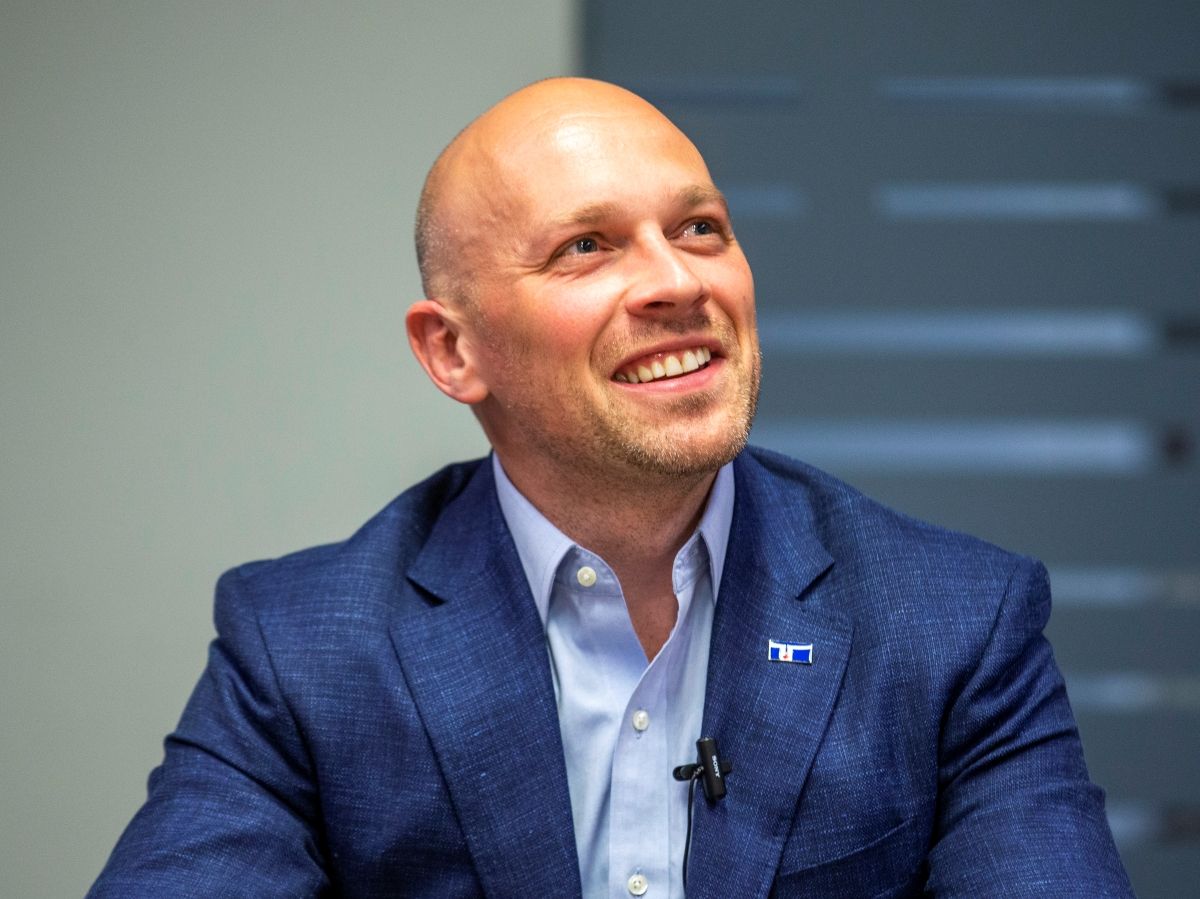
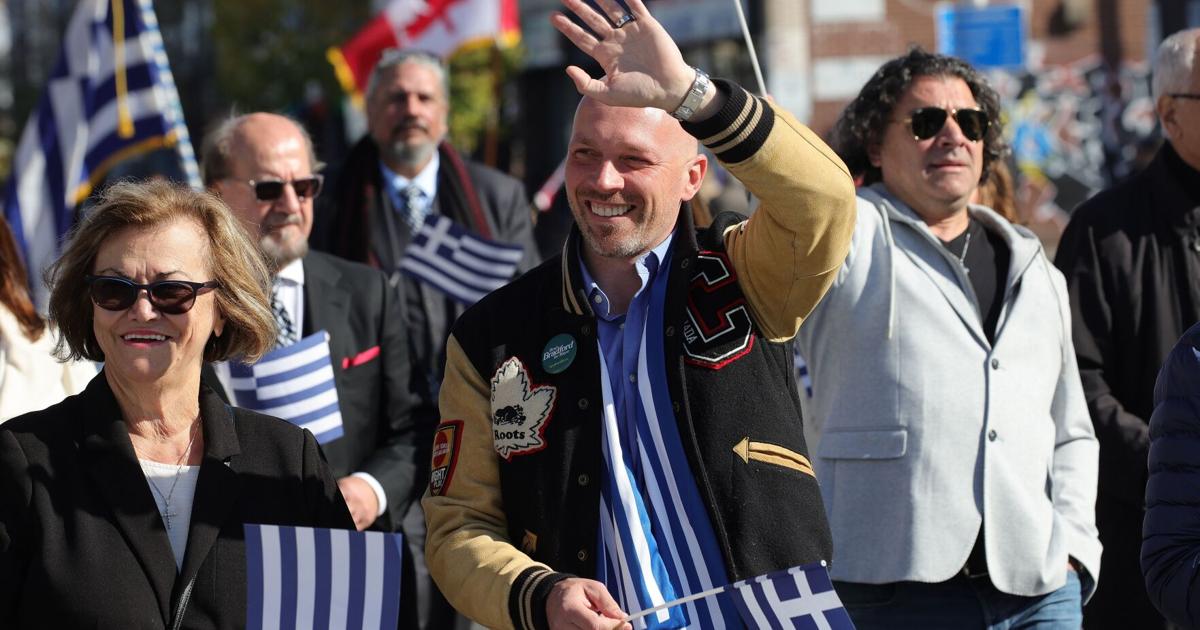
On Monday night, Ms. Chow achieved an unequivocal victory, but the result was also a rather respectable loss for runner-up Brad Bradford (with the exception of the walloping he was handed in his own ward).
asserted
he → range → ward
Mr. Bradford went from 1 per cent of the vote in 2023 to 41 per cent in just three years.
asserted
Bradford → go → years
He resonated with voters by acknowledging the reality they experience living in Toronto, and clearly spooked the Chow campaign by forcing a negative pivot in the 11th hour.
asserted
they → resonate → hour
Ms. Chow came into this election with name recognition, the power of incumbency and her personal legacy as a public figure for the last four decades.
asserted
Chow → come → decades
She had the backing of major public sector unions, the loyalty of many incumbent city councillors, and an incredible get-out-the-vote machine fortified by her time as a city councillor and as a member of the federal NDP.
asserted
She → have → NDP
Ms. Chow also came into this election without a full term behind her (since she was elected mayor in a by-election after Mr. Tory’s abrupt resignation in 2023), and thus could credibly make the case that she has not had the time to fully implement her plans for the city.
uncertain
she → come → city
Ms. Chow still managed to sail her way to victory, but it was on a swell – not a tsunami, as one might have expected.
uncertain
one → manage → swell
It’s clearly a win for the incumbent mayor, but a rather honourable defeat for her challenger, too.
asserted
It → ’ → challenger
 The Aporia