Here’s one last thing to think about before Monday’s municipal elections: sometimes our voting passions are directed to the wrong place.
asserted
passions → ’ → place
We are a country of overlapping jurisdictions, where even experts can be confused as to who-does-what.
asserted
who → overlap → what
Who’s really to blame?
asserted
Who → ’ → ?
They all overlap, and the first two can overpower the latter.
asserted
two → overlap → latter
Yet municipal elections can hinge on multi-jurisdictional issues that aren’t much of an electoral factor at other levels.
asserted
that → hinge → levels
Let me explain.
asserted
me → let → ?
Housing affordability, for instance, has come up over and over in this election, talked about during umpteen debates, part of every stump speech.
asserted
affordability → come → speech
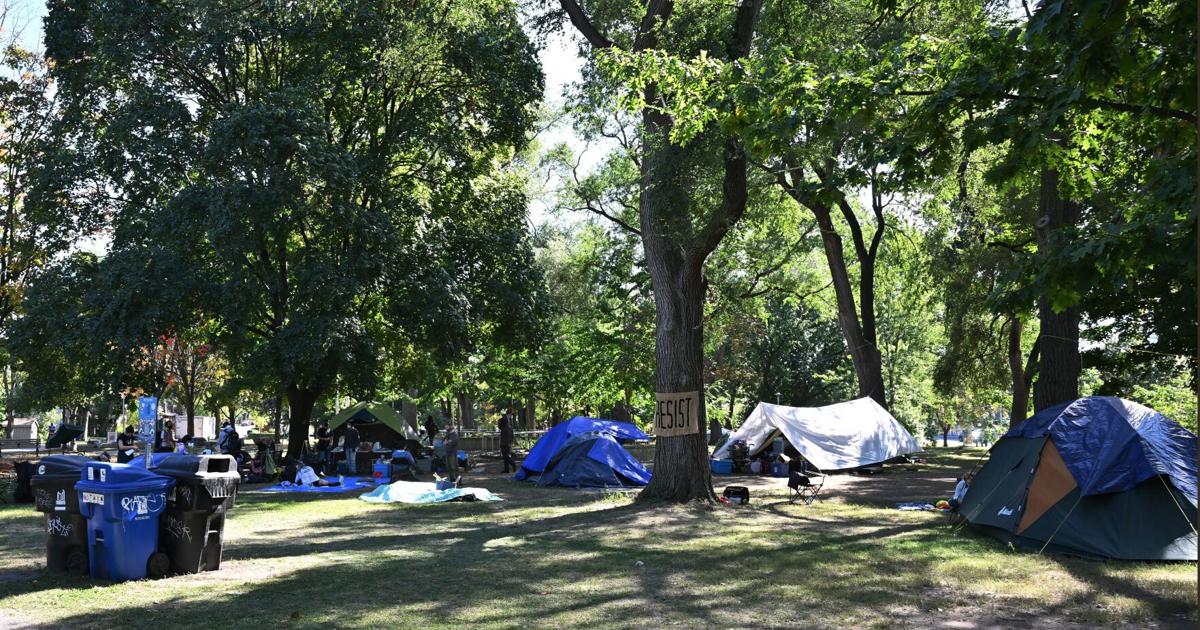
Affordability is connected to other hot election issues, such as encampments, cost of living and people moving away from Toronto.
asserted
Affordability → connect → Toronto
Even the tragedy of public addiction: if people have a stable home they can start to get their lives back in order.
asserted
they → have → order
On Monday, many of us will vote with these worries top of mind, placing their considerable weight on whom we might choose.
uncertain
we → vote → whom
The city has a role in creating affordable housing, of course, and some has been initiated over the last few years, like the massive new co-op project by Kennedy GO station in Scarborough, but we’re just not building like we once did in Canada.
asserted
we → have → Canada
The decades after the Second World War saw a continued, war-like effort of government-supported homebuilding, tall and small, truly affordable or market priced (for profit but government supported).
asserted
decades → see → profit
It’s one reason why the “good old days” were more affordable, but the federal and Ontario governments largely got out of the business of funding affordable housing by the mid-1990s, leaving it up to the market.
asserted
governments → ’ → market
Planning experts say the city’s role has become more “constrained” under Ford, but it still has some levers to pull — if the premier lets them.
Planning experts say the city’s role has become more “constrained” under Ford, but it still has some levers to pull — if the premier lets them.
So when we’re electing someone with housing on our minds, our municipal vote is actually quite weak, competing with market forces that Toronto and other cities have limited control over.
asserted
Toronto → say → control
Nor can perpetually broke cities make up for the absence of federal and provincial funding.
asserted
cities → make → funding
City officials bear the brunt of voter frustration and anger on these related issues that voters ought to be directing at other levels of government with greater intensity.
asserted
voters → bear → intensity
Yet when those elections roll around, the same issues aren’t always top of mind, while the effects are still felt at the city level.
asserted
effects → roll → level
That’s the gap.
asserted
That → ’ → ?
Consider that in the most recent federal and Ontario provincial elections, Trump, trade, “elbows up” and “Captain Canada” sucked up most of the political oxygen.
asserted
Trump → consider → oxygen
In the meantime, federal Liberals required cities to allow for great density in order to receive housing funding, and some were denied money, but funding could be increased considerably to make a greater impact.
uncertain
funding → require → impact
As for Ontario, Ford backed off his promise making fourplexes legal across Ontario in 2024 and last January he paused planned affordable housing requirements near major transit stations.
asserted
he → back → stations
The city itself previously approved them, but must get provincial approval.
asserted
city → approve → approval
Affordability will have a lot of weight during Monday’s municipal vote, but we might not apply the same to other levels of government.
uncertain
we → have → government
In a sense, they can “get away with” it, for better or worse, while the city can’t.
asserted
city → get → it
Housing is often an issue in federal and provincial elections, but I’d argue usually not as red hot as at the municipal level.
asserted
I → argue → level
Big cities, small towns and rural areas make it harder to see common problems, and there are many reasons why an issue won’t get the same attention at another level.
asserted
issue → make → level
There are changes Toronto has made to help affordability, but it’s not been easy.
asserted
it → be → affordability
In 2023, Toronto council greenlit multiplexes of up to four units across the city.
asserted
council → greenlit → city
A pilot project in Scarborough North supported by incumbent councillor Jamaal Myers, allowing sixplexes across the ward, has become an issue during this election, with two former Liberal MPs gunning for Myers’ seat.
asserted
MPs → support → seat
How can a city claim to care about affordability and all its connected problems while preventing one part of the solution?
uncertain
city → claim → solution
Ford, on the other hand, probably could also have made such dwellings legal across Ontario and wouldn’t have lost an election over it.
uncertain
dwellings → make → it
That bit of potential own-goal aside, cities still take care of work like garbage pick up, pothole filling, snow clearing and the like.
asserted
cities → take → pick
All important of course, and why municipal elections affect our day to day lives more than other ones, but pot holes aren’t an issue this election, the bigger, shared problems are.
asserted
problems → affect → ones
Complaints over Mayor Chow’s lacklustre campaign, low ambition and arguments for or against her policies are all valid, but we simply can’t blame her for many of Toronto’s big problems.
asserted
we → blame → problems
On the other hand, if Brad Bradford coasts to victory on that discontent, with the same political dynamic in place, he’s going to have a massive challenge ahead.
asserted
he → coast → challenge
 The Aporia