US bans vehicles from China’s BYD at Japan military base, calling them ‘unacceptable’ risk

Read the original at The Guardian ↗
Cite

Tokyo, J. M. i. (2026, October 27). US bans vehicles from China’s BYD at Japan military base, calling them ‘unacceptable’ risk. The Guardian. https://www.theguardian.com/world/2026/oct/27/us-bans-byd-electric-vehicles-kadena-military-base

Dated from the outlet's own feed. Check the original for its byline.

The Guardian · collected 2026-10-27 · by Justin McCurry in Tokyo

Quick Summary

The US military at Kadena airbase in Okinawa has banned vehicles made by Chinese company BYD due to security concerns. The ban, effective this week, applies to all BYD vehicles including privately owned cars and taxis, with base gates instructed to block entry. This move reflects broader US efforts to restrict Chinese technology over fears of potential information leaks through vehicle-mounted technologies like cameras and GPS devices.
Written locally by qwen2.5:14b on 2026-10-27, using this article's own text rather than the other coverage of the same event (that is the story summary below).

AI analysis runs on qwen2.5:14b, locally

Story summary

The US military has banned vehicles made by Chinese electric vehicle maker BYD at Kadena airbase on Okinawa, Japan, citing security concerns. This ban went into effect this week and applies to all BYD vehicles, including privately owned cars, taxis, and delivery vehicles. Lieut Col Alli Stormer of the US Air Force 18th Wing stated that these vehicles present an "unacceptable and unmitigable risk" to personnel and mission safety at Kadena, which is home to critical military assets like the Typhon missile system. This move fuels speculation about similar bans being implemented at other US military facilities as part of broader efforts to limit Chinese technology due to espionage concerns.

Written for “US Ban Chinese Vehicles At Base” on 2026-10-28, grounded in this article and the 0 other(s) covering the same event.
Why this leaning score
The model judged this article politically coded and scored it +0.35, but all 2 of its quote(s) are attributed speech - words the article quotes from someone, not the article's own narration, so the score is not published.
Written under an earlier scoring contract, which gave a paragraph rather than checkable quotes. Re-analysing this article replaces it.
Leaning score withheld for article 109315: attributed speech only · logged 2026-10-27

Story

📰 US Ban Chinese Vehicles At Base
Politics · 1 article(s) covering the same event.

Compared with similar articles

Nothing to compare against. No article is close enough to this one for the pipeline to have linked or judged the pair.
How this article was measured signals, leaning charts, publisher record, byline, topics and claims

Signals How these are calculated →

Claims extracted
17
sentences that state something as happening or true
Uncertain
18%
3 of 17 hedged ("reportedly", "may", "according to")
Leaning
withheld
no quote in the article backed the model's score
Publisher signals
66/100
The Guardian's corrections and hedging, across everything collected from it. Not a measure of accuracy.
Outlets on this story
1
Politics
Same framing elsewhere
1
articles that frame the event the way this one does
Analyzed 2026-10-27 · how these are computed

How this is being covered How these are calculated →

Article leaning vs. publisher reliability
Source leaning vs. consistency

Publisher

The Guardian · 2537 article(s) · 6 correction(s) detected
Running correction rate · 6 correction(s)

Who wrote this

Justin McCurry in Tokyo
6 article(s) here · 1 carrying a prediction
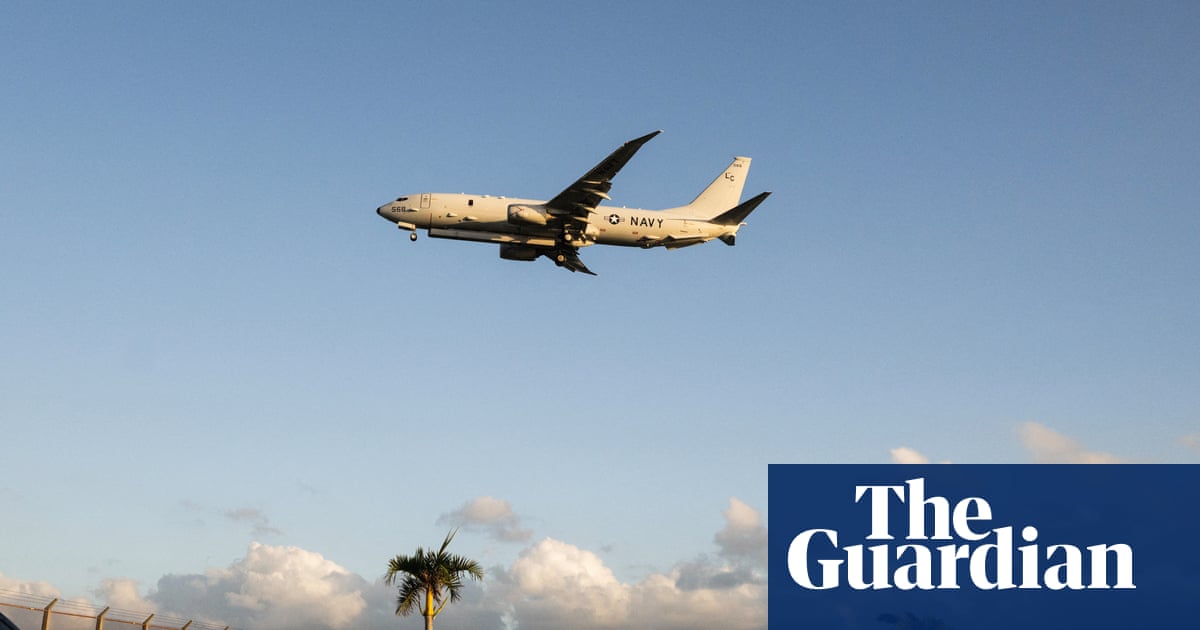
🔮 The ban, which went into effect this week at Kadena airbase on the southern Japanese island of Okinawa, has fueled speculation that similar measures could be taken at other US military facilities as part of Washington’s crackdown on Chinese technology it suspects of being used to collect sensitive information.
🔮 Akihiro Nabae, the deputy mayor of Saijo in western Japan, was carrying a giant float with other participants in a festival on Saturday when he became trapped beneath the structure, Agence France-Presse reported.
🔮 Japanese authorities have raided the country’s four biggest breweries over suspicions they colluded to set the price of beer and other beverages – a practice media reports said could have forced drinkers to pay over the odds.
🔮 Tsuda, 55, claimed that the 188 TikTok videos uploaded on an anonymous account between July 2024 and September last year had been narrated by a “deep” and “lustrous” voice that could only be his.
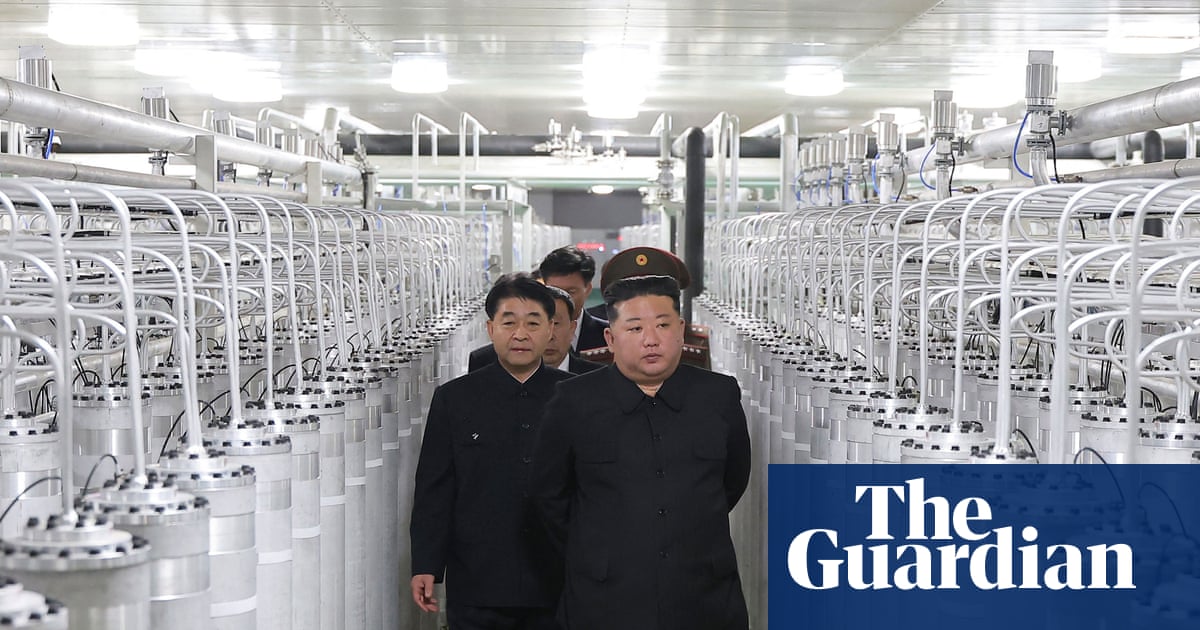
🔮 Citing a 2025 analysis by the James Martin Center for Nonproliferation Studies in the US, South Korea’s Chosun Daily said the potential 28 cascades comprising 4,592 centrifuges at the Yongbyon facility could yield about 85 kg of weapons-grade highly enriched uranium a year – enough to build three or four additional warheads.
🔮 Authorities hopes the restrictions will address concerns that residential areas are not experiencing the same improvements in safety seen on larger roads.
Also by Justin McCurry in Tokyo
Nothing else under this byline is closely related to this article, so these are simply their most recent.
All 6 articles by Justin McCurry in Tokyo →

Topics

BYD China Chinese Kadena Tesla

Subjects

BYD ORG · 5× Chinese NORP · 5× China GPE · 3× Kadena GPE · 3× Tesla ORG · 3× Beijing GPE · 2× Japan GPE · 2× Russia GPE · 2× America GPE · 1× Japanese NORP · 1×

Narrative

It is now expanding overseas, including in the world’s fourth-biggest auto market, Japan, where in July it launched its Racco electric minicar in the hope that the small, cost-efficient vehicle would carve out a place in a market dominated by domestic brands.
framing: assertive · carried by 1 article(s) · first seen 2026-10-27
🔮 The ban, which went into effect this week at Kadena airbase on the southern Japanese island of Okinawa, has fueled speculation that similar measures could be taken at other US military facilities as part of Washington’s crackdown on Chinese technology it suspects of being used to collect sensitive information.

Claims (17 extracted, 3 hedged)

One of America’s biggest overseas military bases has banned vehicles made by the Chinese electric vehicle maker BYD over security concerns, the US military in Japan said on Tuesday. asserted
military → ban → Tuesday
The ban, which went into effect this week at Kadena airbase on the southern Japanese island of Okinawa, has fueled speculation that similar measures could be taken at other US military facilities as part of Washington’s crackdown on Chinese technology it suspects of being used to collect sensitive information. uncertain
it → go → information
“These vehicles present an unacceptable and unmitigable risk to our personnel and our mission,” Lieut Col Alli Stormer, a spokesperson for the US air force 18th Wing at Kadena, said in a statement. asserted
Stormer → present → statement
The restrictions apply to all BYD vehicles, including privately owned cars, taxis and delivery vehicles, reports said, adding that security personnel stationed at the base’s gates had been instructed to block BYD vehicles and instruct drivers to turn around. asserted
personnel → apply → drivers
Kadena, the biggest US air force base east Asia, would be directly involved in responding to a crisis involving China, Russia or North Korea. asserted
Kadena → involve → China
Its inventory includes the powerful Typhon missile system, which is said to be capable of firing Tomahawk missiles as far as 1,600km, putting parts of China and Russia within striking distance. asserted
which → include → distance
Kadena also hosts fighter planes and aircraft used for mid-air refuelling, surveillance and reconnaissance, according to its website. uncertain
Kadena → host → website
The move comes amid concerns of potential information leaks via vehicle-mounted technologies such as cameras, sensors and GPS devices, South Korea’s Yonhap news agency said. asserted
agency → come → cameras
American military officials have not identified a specific threat, but the ban is part of wider measures taken by the US and other western countries to restrict Chinese smart technology in vehicles, mobile phones and other devices they fear could be used to “spy” on their owners. uncertain
they → identify → owners
In June the Pentagon added BYD to a list of 188 Chinese firms it believes have ties to the country’s military, drawing a protest from Beijing. asserted
it → add → Beijing
The blacklist also includes the automaker Nio, e-commerce firm Alibaba and internet company Baidu. asserted
blacklist → include → automaker
The US defence department banned the sale and use of smartphones from Chinese companies Huawei and ZTE at military bases worldwide in 2018, again citing security concerns. asserted
department → ban → concerns
China has imposed similar restrictions on US-made Tesla vehicles. asserted
China → impose → vehicles
In 2021, it barred them from some government compounds due to security concerns over cameras installed on the vehicles. asserted
it → bar → vehicles
Beijing removed that restriction in 2024 after Tesla won an endorsement from the country’s top auto industry association. asserted
Tesla → remove → association
BYD, which has not immediately responded publicly to the Kadena ban, overtook Tesla as the world’s biggest seller of battery-electric vehicles in 2025. asserted
which → respond → 2025
It is now expanding overseas, including in the world’s fourth-biggest auto market, Japan, where in July it launched its Racco electric minicar in the hope that the small, cost-efficient vehicle would carve out a place in a market dominated by domestic brands. asserted
vehicle → expand → brands

💬Give feedback
🕘History 🎫Support