From the Mecca defence pact to Tehran talks: Is the Middle East’s security landscape shifting?

Read the original at Euronews ↗
Cite

Salari, M. (2026, October 26). From the Mecca defence pact to Tehran talks: Is the Middle East’s security landscape shifting? Euronews. https://www.euronews.com/2026/10/26/from-the-mecca-defence-pact-to-tehran-talks-is-the-middle-easts-security-landscape-shiftin

Dated from the outlet's own feed. Check the original for its byline.

Euronews · collected 2026-10-26 · by Massoud Salari

Quick Summary

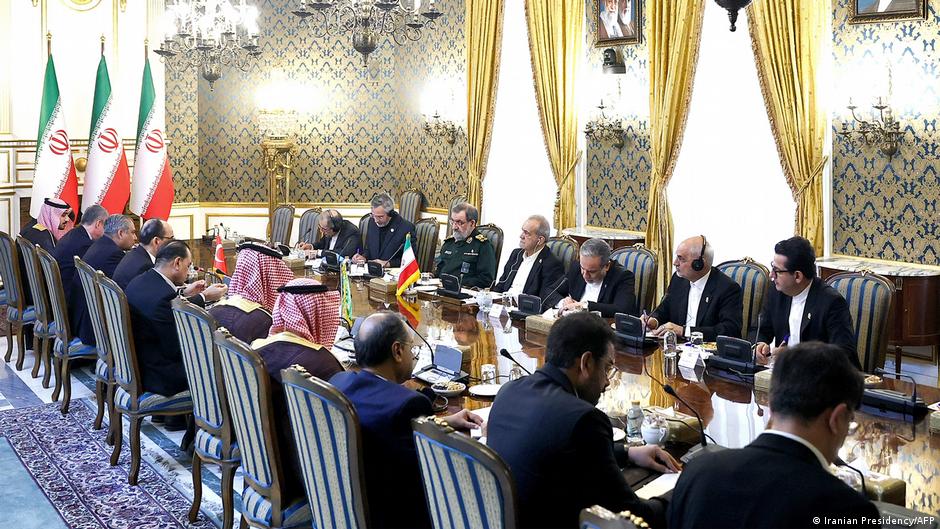
Senior military officials from Saudi Arabia, Pakistan, and Turkey are holding talks with Iranian counterparts in Tehran to discuss regional security amid ongoing tensions between Iran and the United States. This meeting comes as these three countries, members of the Mecca Defence Alliance—a pact aimed at collective defence against regional threats—face increasing pressure from attacks by Yemen's Houthi rebels aligned with Iran. The alliance was established in August 2026 to coordinate military assistance among its members if any one is attacked. Turkish officials emphasize that the agreement does not target specific countries like Iran, but rather serves as a framework for mutual defence and cooperation within the region.
Written by AI on 2026-10-29, from this article's own text only (the story summary below draws on all the coverage).

AI analysis

Story summary

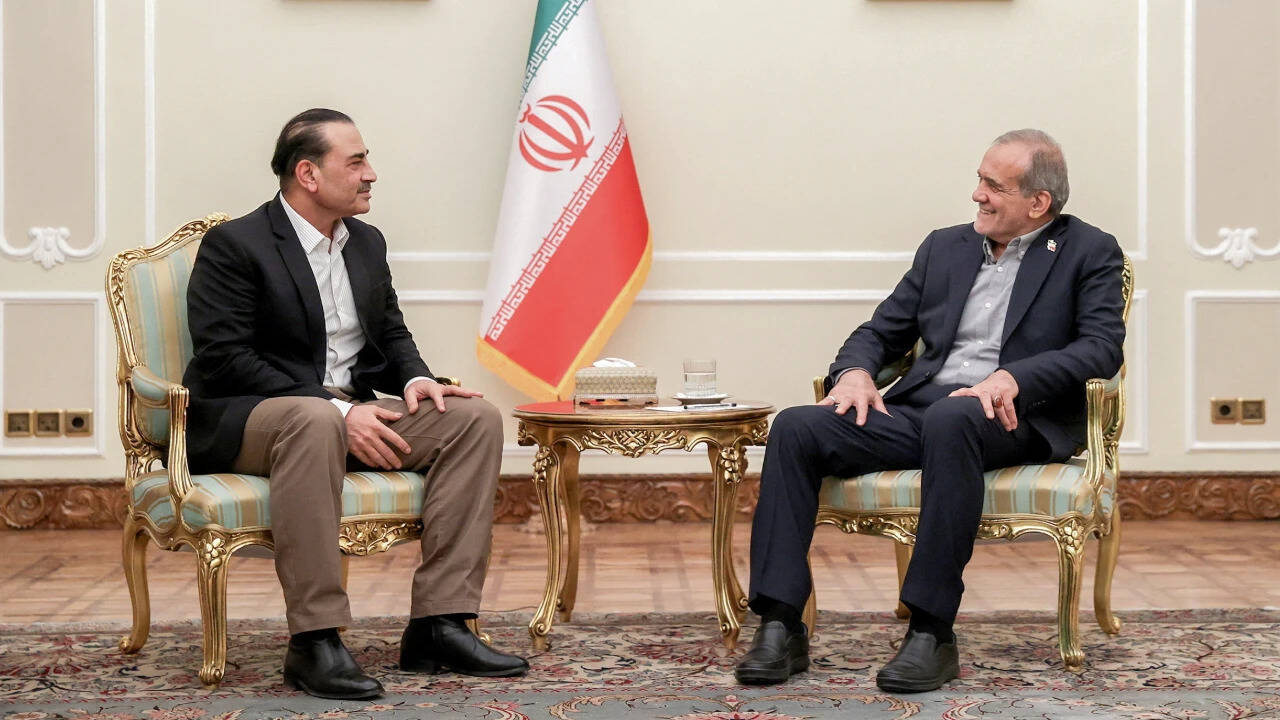
Top officials from Saudi Arabia, Pakistan, and Turkey met with Iranian counterparts in Tehran on October 26 to discuss regional security issues amid tensions between the United States and Iran. The meeting included:

They were joined by

The talks aimed to bolster cooperation among the four nations and address regional peace and security concerns, particularly in light of ongoing conflicts such as those involving Yemen.

Written for “Tehran Security Talks Shift Regional Dynamics” on 2026-10-29, grounded in this article and the 19 other(s) covering the same event.
Why this leaning score
This article does not take a side on a contested political question, so it has no leaning score. That is an answer rather than a gap: a match report or a rescue can be warmly or critically written without being left or right, and scoring it anyway is how approval of a subject gets recorded as a political position.
No political leaning scored for article 108066 · logged 2026-10-29

Story

📰 Tehran Security Talks Shift Regional Dynamics
Politics · 20 article(s) covering the same event. Compare every outlet's account →

Compared with similar articles

This article reads unscored and hedges 10% of its claims. Each row says how that neighbour differs.
Dawn
Hedges 5 of 28 claims Outlet record 71/100
Al Jazeera
Hedges 3 of 24 claims Outlet record 60/100
Semafor
Hedges 3 of 5 claims Outlet record 60/100
Times of India
⚖️ Leans left Hedges 2 of 22 claims Outlet record 59/100
Deutsche Welle
Hedges 7 of 41 claims Outlet record 95/100
The Straits Times
Hedges 16 of 42 claims Outlet record 68/100
“The articles discuss different topics within Middle Eastern security, with Article A focusing on a missile plant expansion in Saudi Arabia and Article B covering diplomatic talks between Saudi Arabia, Pakistan, Turkey, and Iran under the Mecca Defence Alliance.”
The Straits Times
⚖️ Leans left Hedges 1 of 12 claims Outlet record 68/100
Times of India
Hedges 1 of 11 claims Outlet record 59/100
The Guardian
⚖️ Leans left Hedges 3 of 26 claims Outlet record 66/100
The Hindu
Hedges 0 of 2 claims Outlet record 77/100
How this article was measured signals, leaning charts, publisher record, byline, topics and claims

Signals How these are calculated →

Claims extracted
31
sentences that state something as happening or true
Uncertain
10%
3 of 31 hedged ("reportedly", "may", "according to")
Leaning
not political
takes no side on a contested political question
Publisher signals
60/100
Euronews's corrections and hedging, across everything collected from it. Not a measure of accuracy.
Outlets on this story
20
Politics
Same framing elsewhere
1
articles that frame the event the way this one does
Analyzed 2026-10-29 · how these are computed

How this is being covered How these are calculated →

Article leaning vs. publisher reliability
Source leaning vs. consistency

Publisher

Euronews · 1089 article(s) · 1 correction(s) detected
Running correction rate · 1 correction(s)

Who wrote this

Massoud Salari
3 article(s) here · 1 carrying a prediction
🔮 Speaking at his weekly news conference in Tehran, Baghaei reiterated Iran’s longstanding call for what it describes as "endogenous security," a framework that would rely primarily on the capabilities and interests of regional countries.
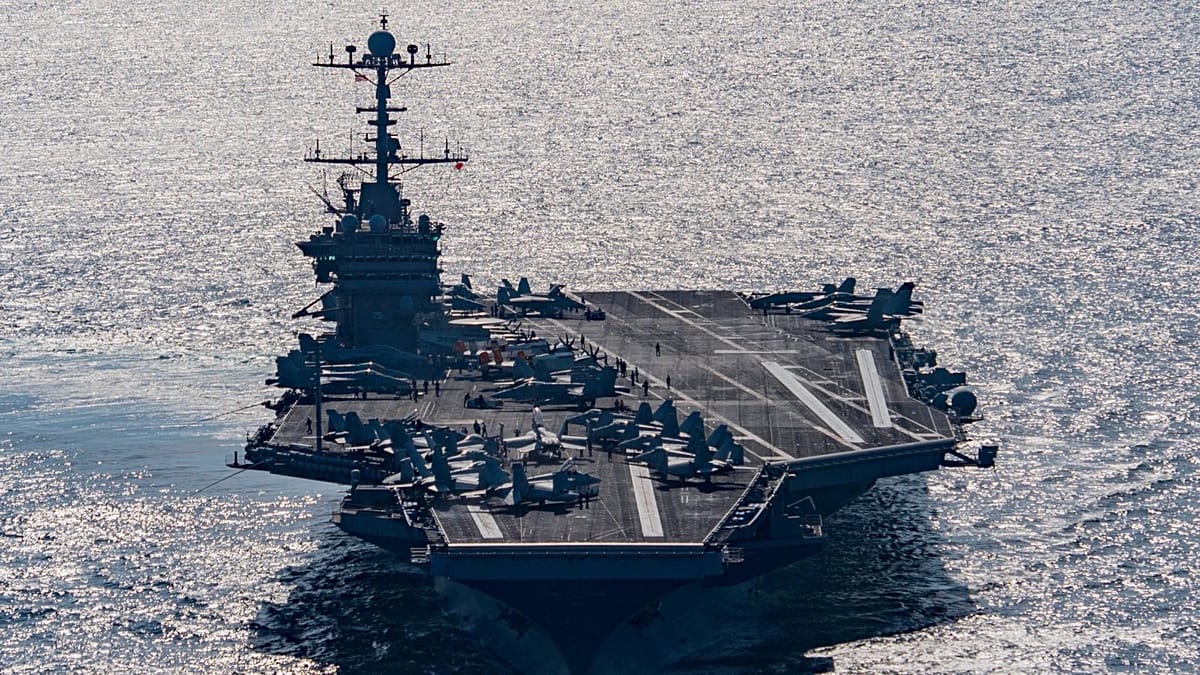
🔮 A US official told Al Jazeera that by the end of November, three carrier strike groups and two amphibious ready groups would be in place around Iran, adding that "leaders will have many options for dealing with Iran." The USS George HW Bush and USS George Washington are currently in the Arabian Sea conducting operations against Iran, according to the US Naval Institute's report from Tuesday. The Navy has maintained a two-carrier presence in the region since the US and Israel launched the war on Iran on 28 February.
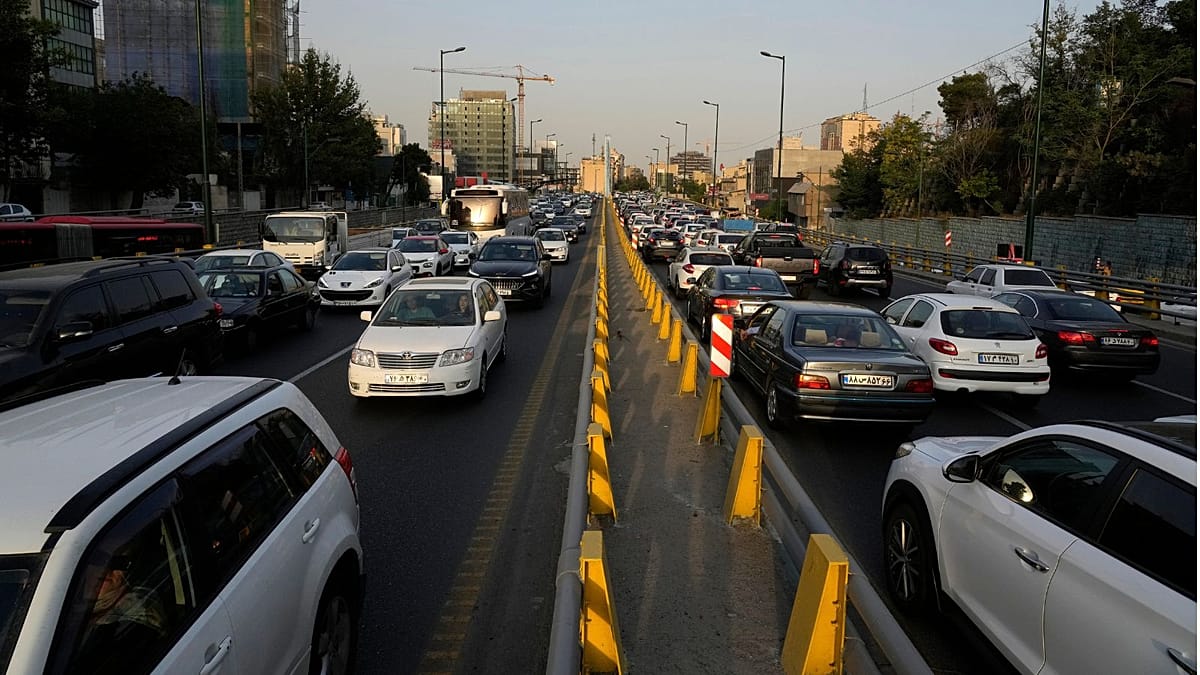
🔮 Lines formed outside Tehran petrol stations from midnight as a daily shortfall met with panic buying, while officials denied a shortage and said prices would have to change, without clarifying when or by how much.
Also by Massoud Salari
Nothing else under this byline is closely related to this article, so these are simply their most recent.

Topics

Iran Pakistan Saudi Arabia Tehran Turkey

Subjects

Tehran GPE · 9× Turkey GPE · 9× Saudi Arabia GPE · 8× Pakistan GPE · 7× Iran GPE · 6× Turkish NORP · 4× Houthi NORP · 3× Iranian NORP · 3× Saudi NORP · 3× Yemen GPE · 3×

Narrative

Significant differences remain, however. Saudi Arabia maintains extensive security ties with the United States, Turkey is a NATO member, and Pakistan continues to pursue defence partnerships with several major powers. Meanwhile, no agreement on a new joint regional security mechanism has been announced.
framing: assertive · carried by 1 article(s) · first seen 2026-10-29
🔮 Speaking at his weekly news conference in Tehran, Baghaei reiterated Iran’s longstanding call for what it describes as "endogenous security," a framework that would rely primarily on the capabilities and interests of regional countries.

Claims (31 extracted, 3 hedged)

Saudi Arabia, Pakistan and Turkey are pursuing talks with Tehran while strengthening their military readiness under the terms of the Mecca Defence Alliance. asserted
Arabia → pursue → Alliance
Senior military and security officials from Saudi Arabia, Pakistan and Turkey are holding talks with Iranian officials in Tehran as diplomatic efforts to ease tensions between Iran and the United States continue. asserted
efforts → hold → Iran
Saudi Arabia, Pakistan and Turkey are members of the Mecca Defence Alliance, a security alliance established amid regional instability and concerns over threats linked to Iran and its allies. asserted
Arabia → establish → Iran
The three countries have now turned to direct talks with Tehran about regional security, even as the alliance faces growing pressure from attacks by Yemen’s Iran-aligned Houthi rebels on Saudi Arabia. asserted
alliance → turn → Arabia
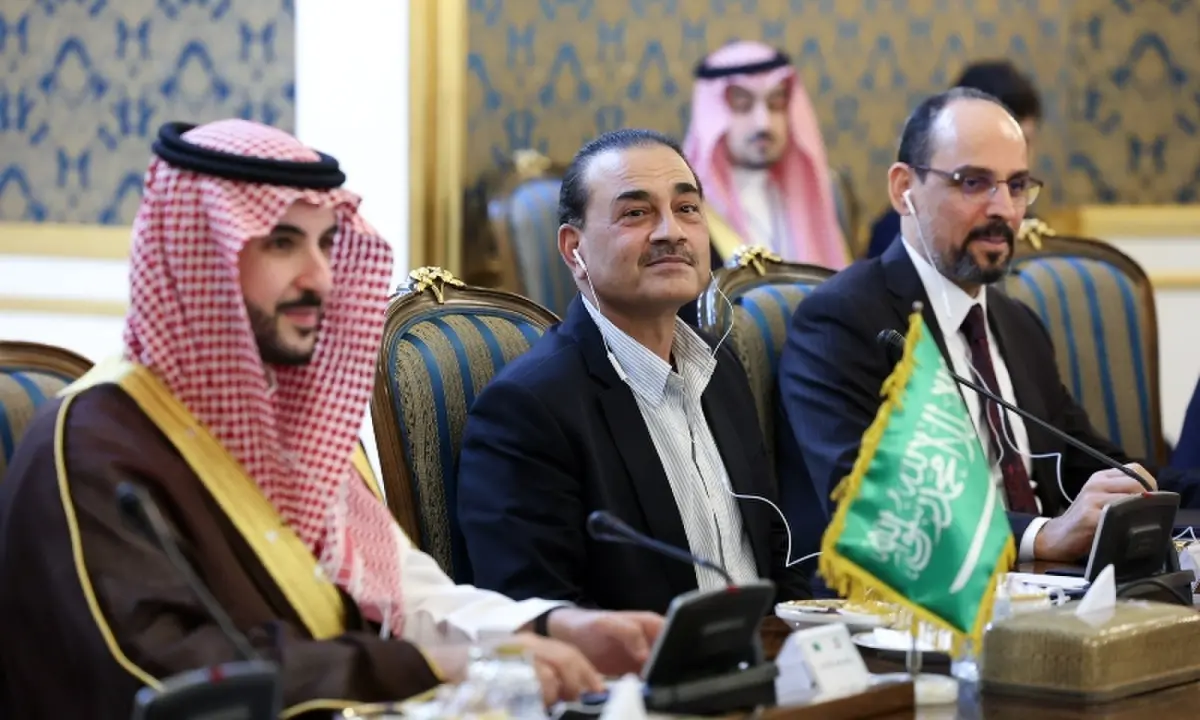
Saudi Defence Minister Prince Khalid bin Salman, Pakistani army chief Field Marshal Asim Munir and Turkish intelligence chief Ibrahim Kalin are attending the talks in Tehran on Monday, according to Saudi and Iranian officials. uncertain
Salman → attend → officials
They are reportedly meeting with Mohsen Rezaei, secretary of Iran's Supreme National Security Council. uncertain
They → meet → Council
Iranian Foreign Ministry spokesperson Esmaeil Baghaei has described the meeting as a potential step towards establishing cooperative regional security mechanisms. asserted
Baghaei → describe → mechanisms
Speaking at his weekly news conference in Tehran, Baghaei reiterated Iran’s longstanding call for what it describes as "endogenous security," a framework that would rely primarily on the capabilities and interests of regional countries. asserted
that → speak → countries
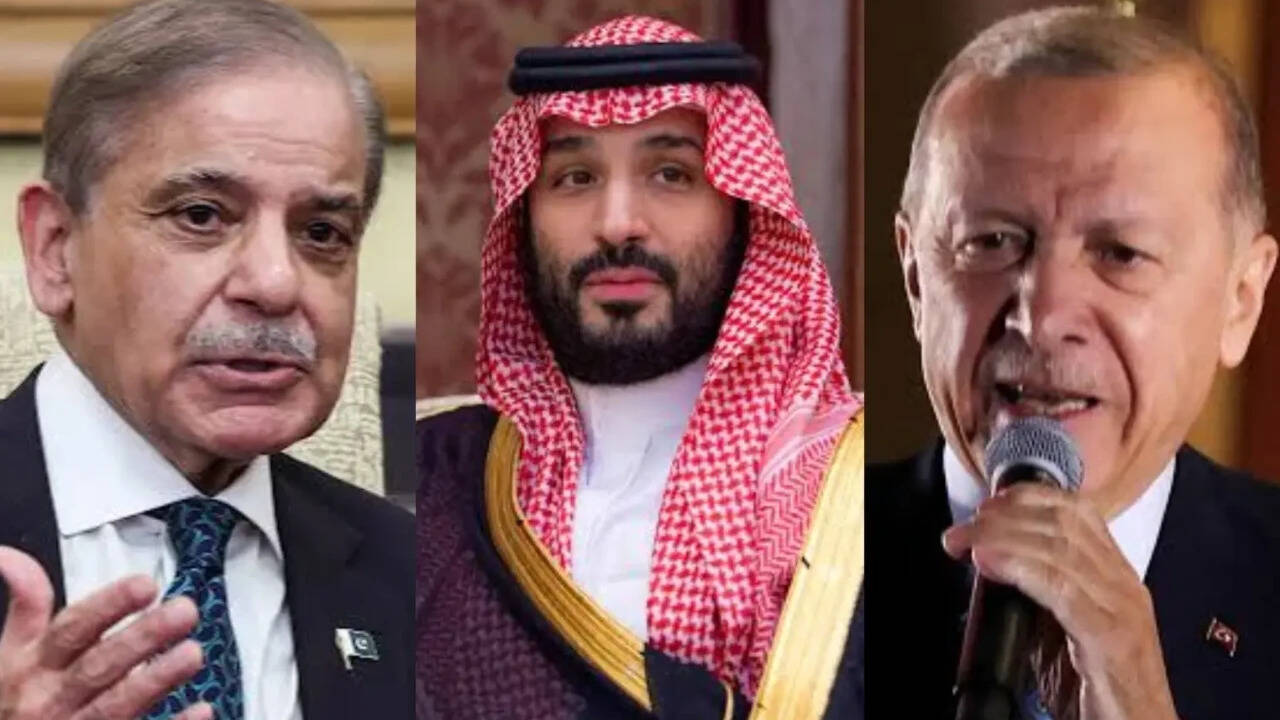
The Mecca pact: collective defence against regional threats Saudi Arabia, Pakistan and Turkey signed the Mecca Joint Defence Agreement in August 2026. asserted
Arabia → sign → August
Under the pact, an armed attack against one member is considered an attack against all three, requiring the others to provide assistance. asserted
attack → consider → assistance
The agreement brings together Saudi Arabia’s financial resources and influence in global energy markets, Pakistan’s nuclear capabilities and Turkey’s advanced defence industry and NATO membership. asserted
agreement → bring → markets
Although the agreement was signed amid growing concerns over Iran and its allied groups, Turkish officials have insisted that it is not directed against Tehran or any other specific country. asserted
it → sign → Tehran
Turkish Foreign Minister Hakan Fidan said in an Aug. 8 interview with Anadolu that the agreement did not identify any country as a common threat. asserted
agreement → say → threat
He explained that countries would not be considered targets unless they attacked a signatory. asserted
they → explain → signatory
The agreement has received approval in Pakistan, while Turkey has submitted it to parliament but has yet to complete the ratification process. asserted
Turkey → receive → process
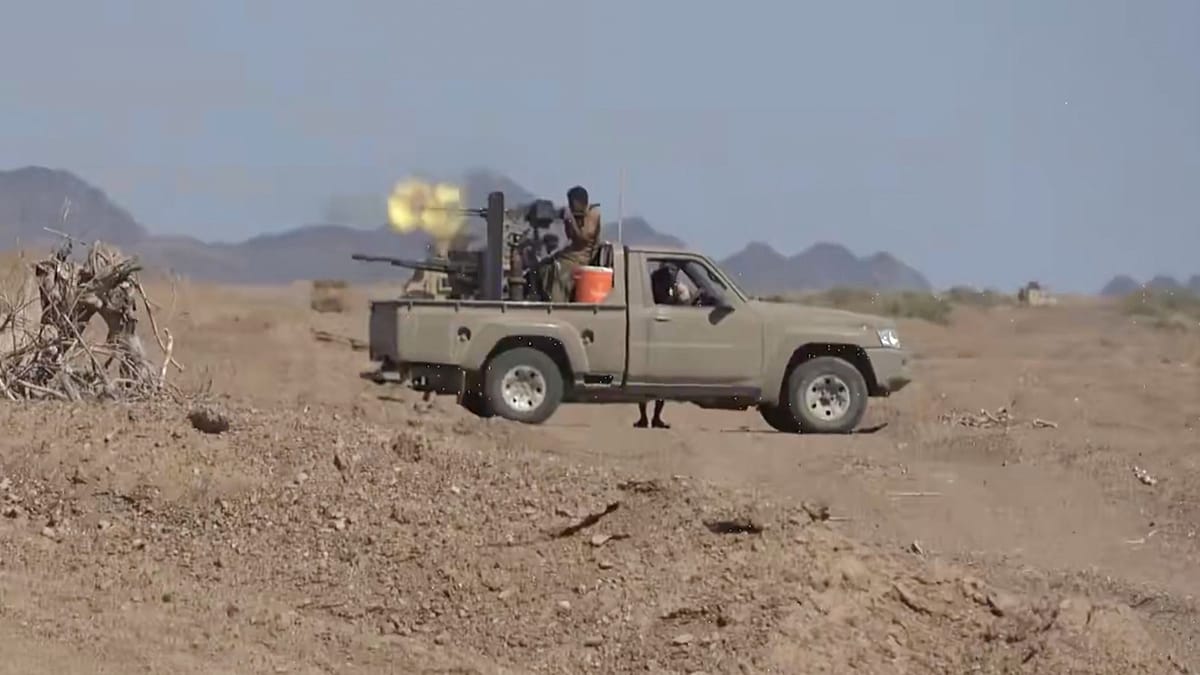
Houthi attacks put collective defence to the test Escalating missile and drone attacks by Yemen’s Houthis against Saudi Arabia have presented the Mecca alliance with its first major test. asserted
attacks → put → test
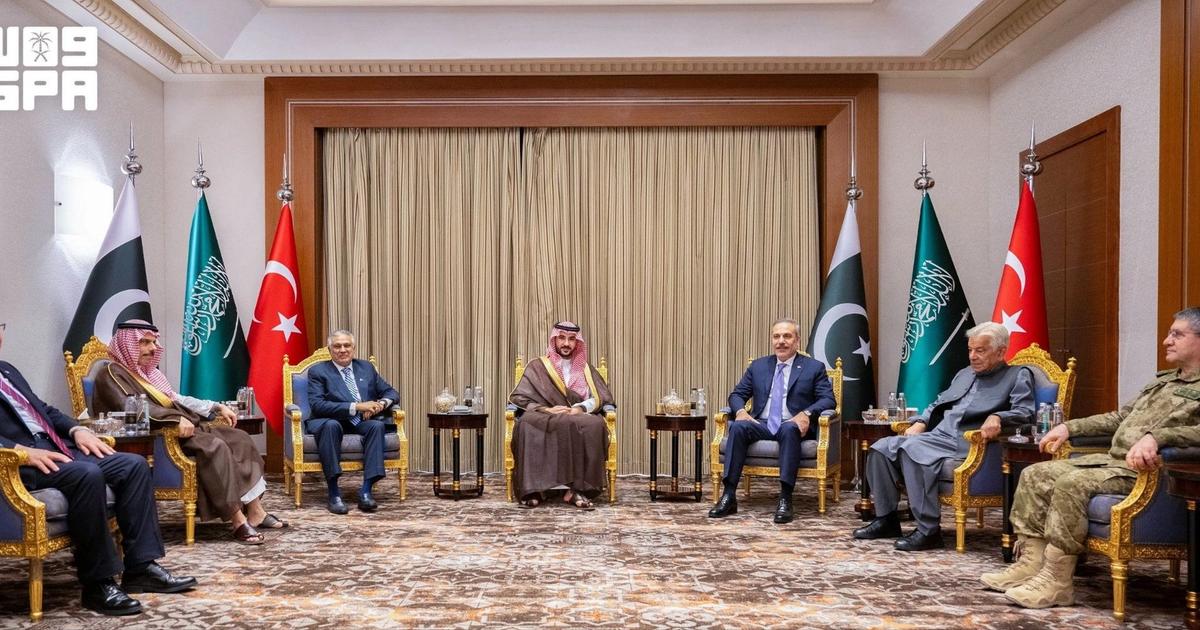
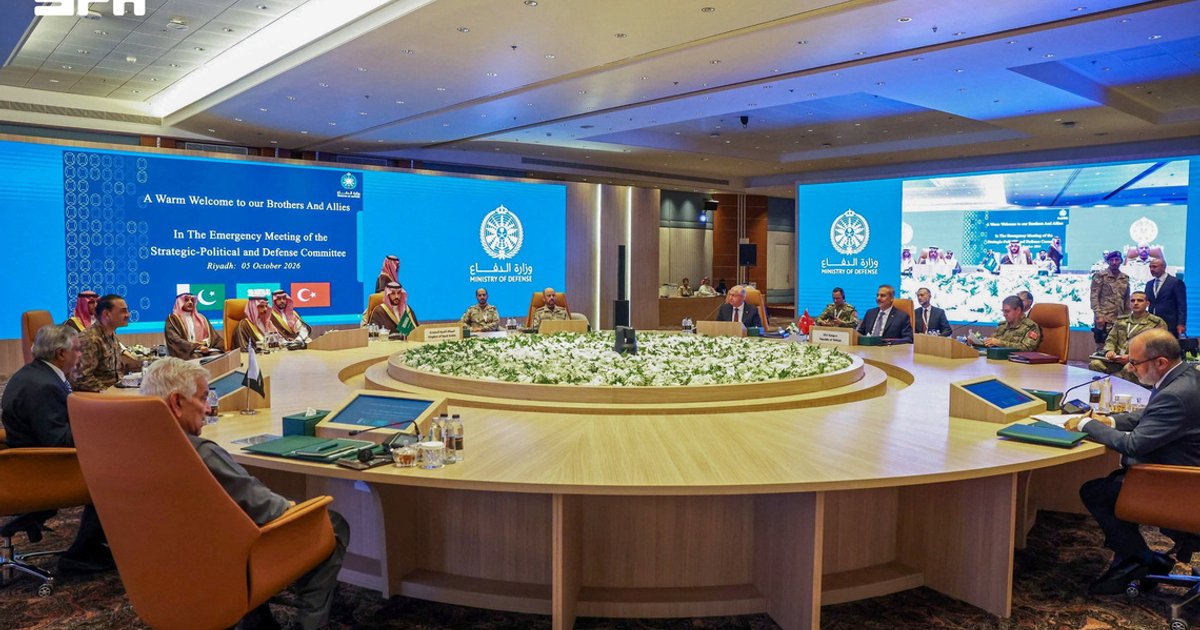
At an emergency meeting in Riyadh on Oct. 5, the three countries agreed to move towards implementing their collective defence commitments, including measures to ensure the rapid deployment of agreed military forces and capabilities to Saudi Arabia. asserted
countries → agree → Arabia
The commitments were outlined in a joint statement published by Turkey’s Foreign Ministry. asserted
commitments → outline → Ministry
Ankara, however, has drawn a line between supporting Saudi Arabia’s defences and joining offensive military operations against the Houthis inside Yemen. asserted
Ankara → draw → Yemen
At an Oct. 8 news conference in Ankara, Fidan said the agreement was defensive and ruled out sending Turkish troops to another country to carry out attacks. asserted
agreement → say → attacks
Turkey has instead been assessing possible contributions in areas such as air defence, electronic warfare and technical assistance. asserted
Turkey → assess → defence
The three nations are therefore pursuing direct engagement with Tehran while strengthening their military readiness under the terms of an alliance designed to deter attacks on its members. asserted
nations → pursue → members
Pakistan has played a mediating role between Tehran and Washington in recent months. asserted
Pakistan → play → months
Saudi Arabia is seeking to contain the threat posed by Houthi attacks on its territory and infrastructure, while Turkey has sought to prevent further regional escalation. asserted
Turkey → seek → escalation
Saudi Deputy Minister for Public Diplomacy Rayed Krimly said in an Oct. 26 post on X that the Tehran visit was part of continued efforts by the Mecca pact countries to reduce tensions and encourage diplomatic solutions. asserted
visit → say → solutions
He said the talks were also intended to support mediation efforts by Qatar and Pakistan. asserted
talks → say → Qatar
The Saudi statement suggests that talks with Iran are being pursued alongside the alliance’s defence commitments, rather than necessarily representing a fundamental change in the pact’s purpose. uncertain
talks → suggest → purpose
Tehran’s emphasis on locally driven security arrangements appears, at least in principle, to share some common ground with the Mecca pact’s stated objective of strengthening security cooperation among regional states. asserted
emphasis → drive → states
Significant differences remain, however. Saudi Arabia maintains extensive security ties with the United States, Turkey is a NATO member, and Pakistan continues to pursue defence partnerships with several major powers. Meanwhile, no agreement on a new joint regional security mechanism has been announced. asserted
agreement → remain → mechanism
Nevertheless, the Tehran meeting highlights a notable development: Three countries that have established a mutual defence alliance in response to mounting regional security threats are now also pursuing direct dialogue with Iran. asserted
that → highlight → Iran
The key question is whether this dual approach can have a lasting impact on regional tensions. asserted
approach → have → tensions

💬Give feedback
🕘History 🎫Support