The Aporia
Biino, M. (2026, October 26). Markets brace for uncertainty after Lula win in Brazil. Semafor. https://www.semafor.com/article/10/26/2026/markets-brace-for-uncertainty-after-lula-win-in-brazil
Biino, Marta. “Markets brace for uncertainty after Lula win in Brazil.” Semafor, 26 Oct. 2026, https://www.semafor.com/article/10/26/2026/markets-brace-for-uncertainty-after-lula-win-in-brazil.
Biino, Marta. “Markets brace for uncertainty after Lula win in Brazil.” Semafor, October 26, 2026. https://www.semafor.com/article/10/26/2026/markets-brace-for-uncertainty-after-lula-win-in-brazil.
Dated from the outlet's own feed. Check the original for its byline.
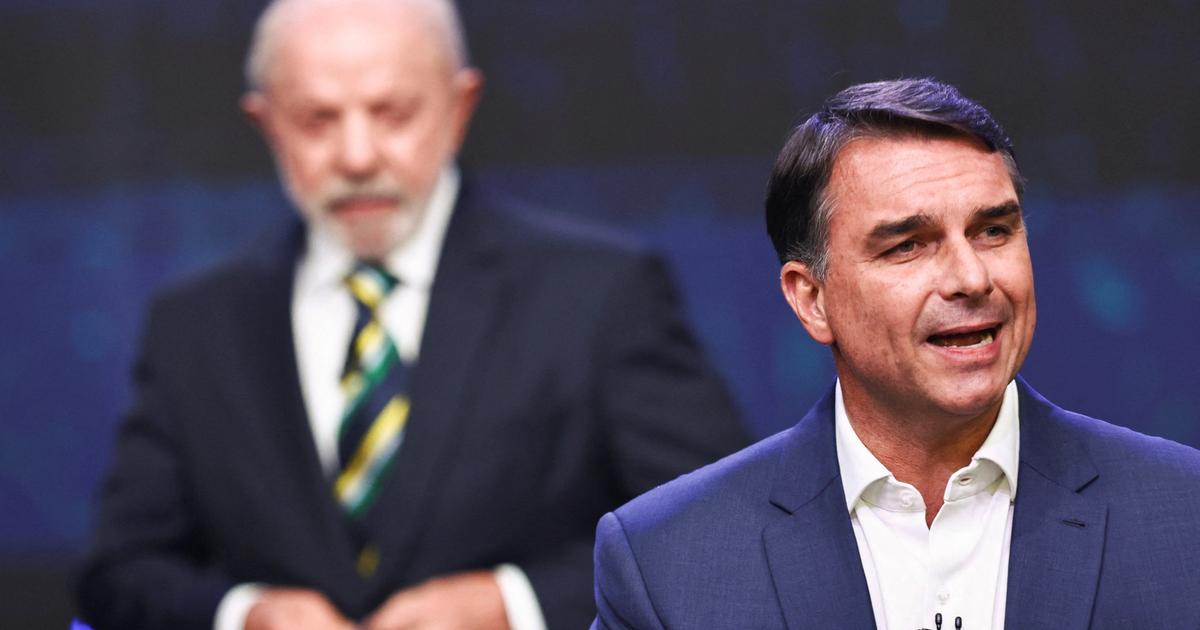
On October 25, 2026, Luiz Inácio Lula da Silva secured his historic fourth term as President of Brazil by defeating right-wing opponent Flávio Bolsonaro in the runoff election. With 64.2 million votes (51.79% of the total), Lula triumphed over Bolsonaro's 59.8 million votes (48.21%), marking a significant political comeback after trailing by 2.2 million votes in the first round.
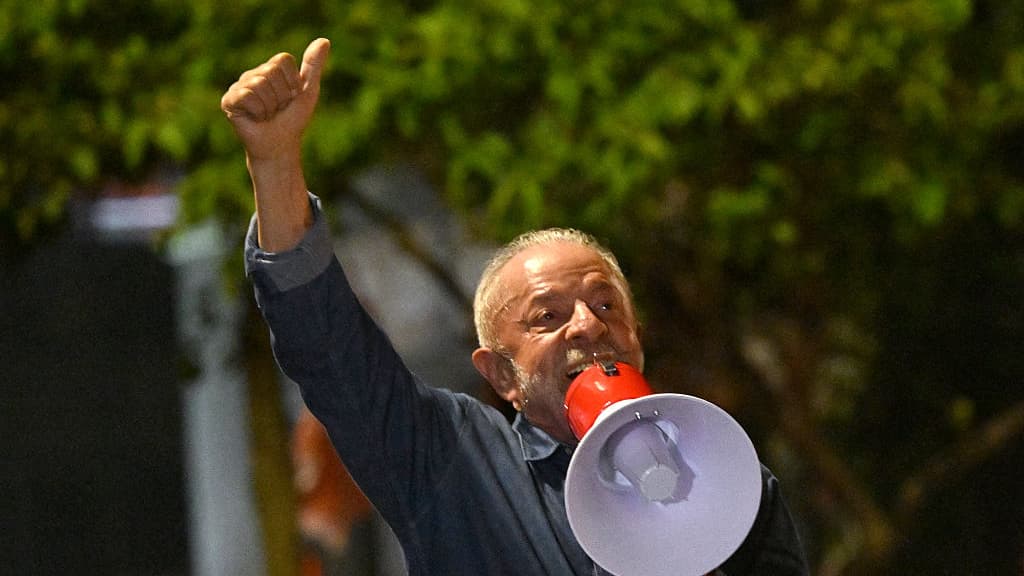
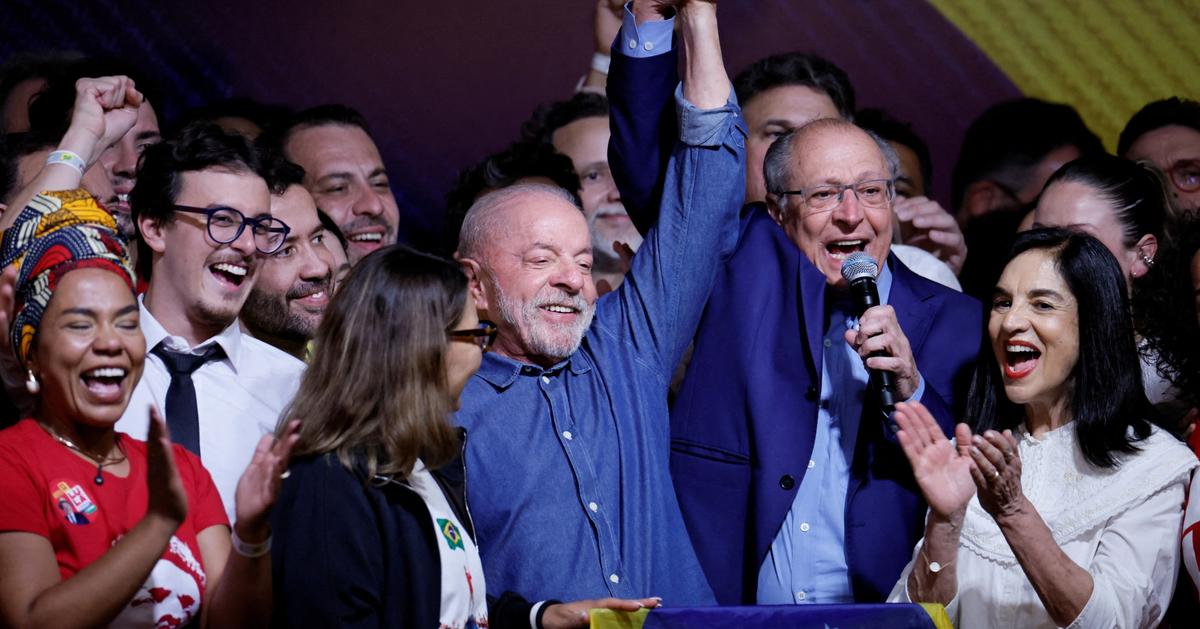
Lula, an 80-year-old left-wing leader, celebrated his victory with tens of thousands of supporters in São Paulo, declaring that "democracy always" and vowing to prevent any return to dictatorship or fascism. His win is seen as a major reversal for right-wing populism in Latin America, following a series of seven consecutive victories by conservative leaders.
Despite Flávio Bolsonaro's call to annul the election, Lula’s victory has sparked widespread celebration across Brazil and optimism globally about the resilience of democracy. The high abstention rate—21.08%—in the first round highlights broader political disengagement among Brazilians but did not deter Lula from securing a decisive win in the runoff.
This outcome is viewed as a significant setback for President Donald Trump's ambitions to align Latin American governments with his policies, underscoring a shift towards more centrist and progressive leadership in the region. (Sources: The Guardian, Washington Examiner, TIME)