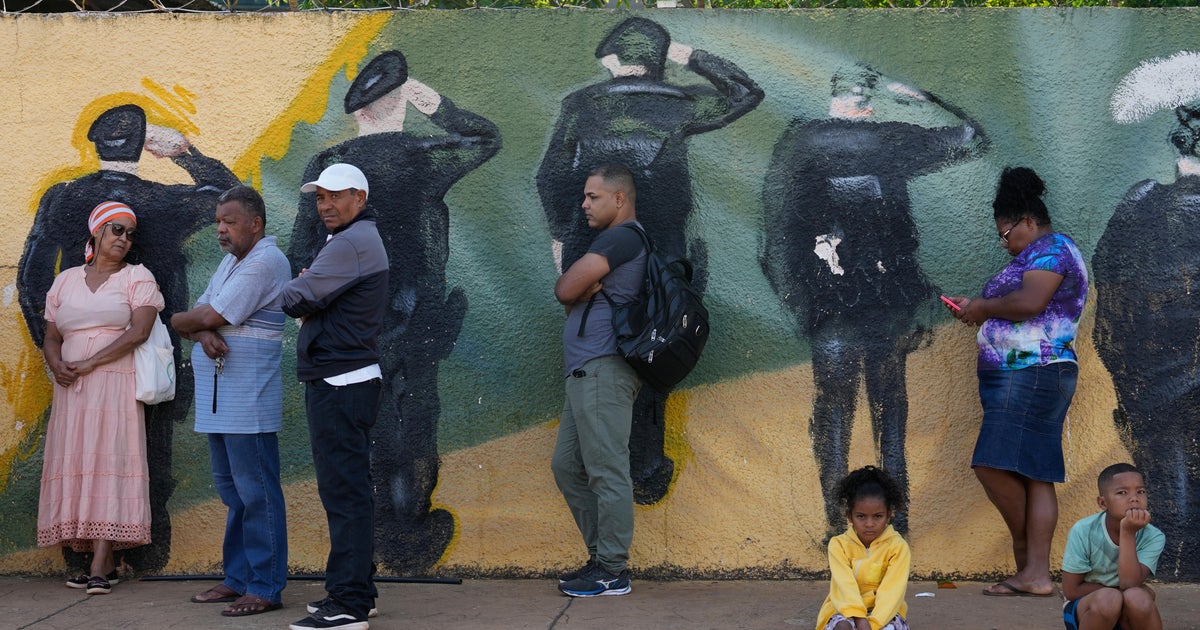
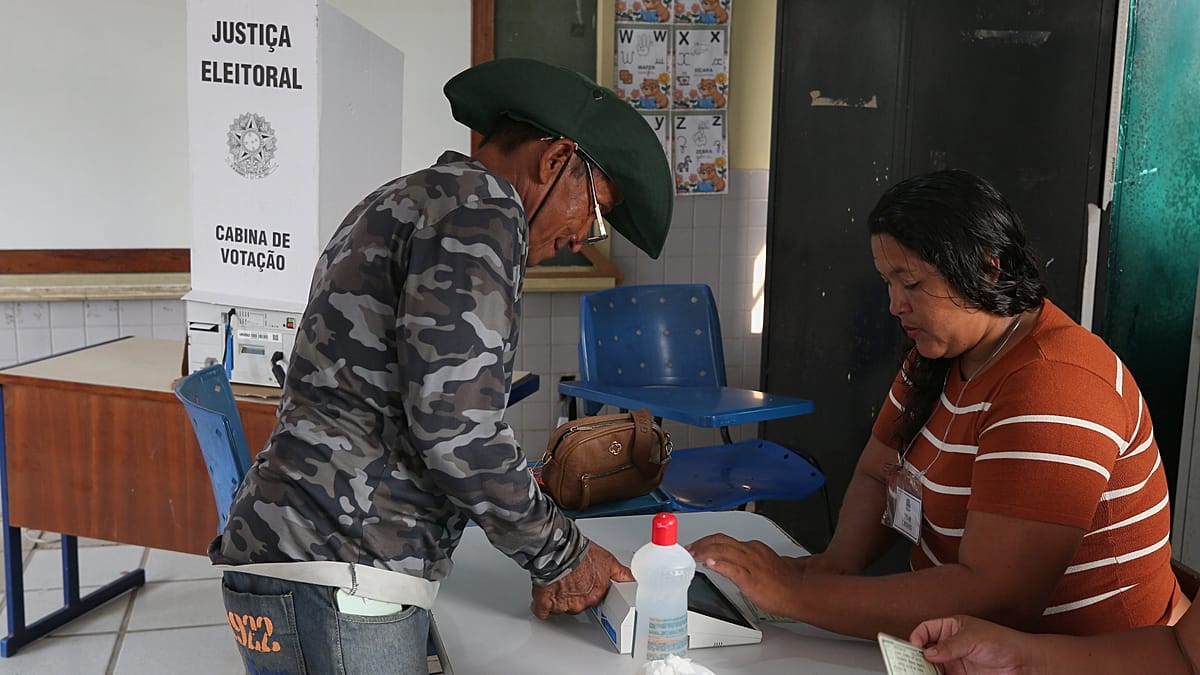
Brazilians are voting in Sunday's polarizing presidential runoff between incumbent
and Flávio Bolsonaro, a contest that will determine whether the U.S. will significantly expand its growing influence in Latin America.
asserted
U.S. → vote → America
Polls showed the two candidates, who need more than 50% of the vote to become Brazil's next leader in January, in a neck-and-neck race.
asserted
who → show → race
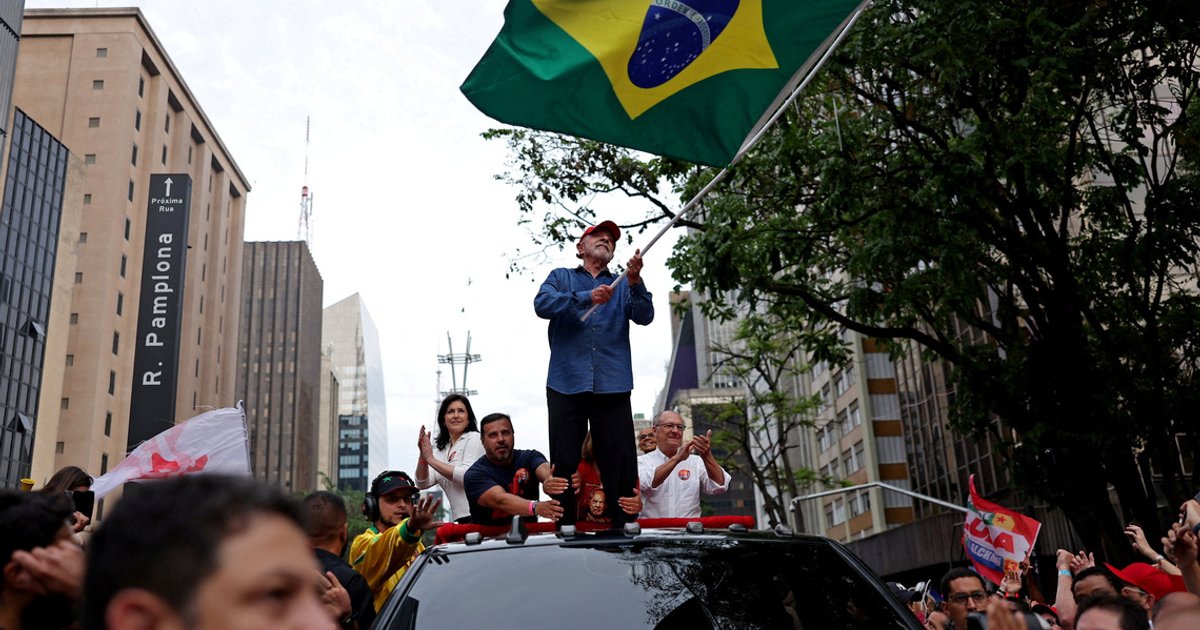
The election pits the left-of-center veteran politician Lula against Bolsonaro, an ally of President Trump and the son of imprisoned former President
.Flávio Bolsonaro bested Lula by more than 2.2 million votes in the first round of the election earlier this month.
asserted
Bolsonaro → pit → election
However, more than 33 million voters out of nearly 160 million did not turn out.
asserted
voters → turn → million
Bolsonaro and Lula have opposing ideological views on issues ranging from U.S.-Brazil relations and climate change to social welfare.
asserted
Bolsonaro → have → welfare
A win for Bolsonaro would signify a pivot to the right by Latin America's most populous country and its largest economy, in a year when Trump allies have scored victories in Chile, Peru and Colombia.
asserted
allies → signify → Chile
A victory for Lula would leave Brazil and Mexico with left-of-center leaders.
asserted
victory → leave → leaders
In many ways, Brazil's runoff vote is another tight rematch between the country's two polarized political forces that trigger passion as much as loathing.
asserted
that → trigger → loathing
Four years ago, Lula beat Bolsonaro's father by the narrowest margin since the country's return to democracy in 1985.
asserted
Lula → beat → 1985
Security and cost-of-living concerns
Lula, who first governed Brazil between 2003 and 2010, has faced a tough reelection battle because of concerns about the cost of living and security.
asserted
who → govern → living
Bolsonaro made a tough-on-crime approach the cornerstone of his campaign and pledged to bring down food costs.
asserted
approach → make → costs
Both have been hit by corruption suspicions involving family members and allies, with Bolsonaro implicated in a sprawling scandal rocking Brazil.
asserted
Bolsonaro → hit → Brazil
Lula previously spent more than a year in prison on corruption convictions that were eventually annulled.
asserted
that → spend → convictions
Bolsonaro's admission that he accepted about $12 million from disgraced former banker Daniel Vorcaro to produce a film on his father's life has cast a shadow over his campaign.
asserted
he → accept → campaign
As Bolsonaro voted at a school in Rio de Janeiro, his supporters shouted "Lula, thief, your place is in prison" while Lula's supporters chanted in his support.
asserted
supporters → vote → support
"The time of real change has arrived," Bolsonaro said.
asserted
Bolsonaro → arrive → change
"Brazil can't go on for another four years on its current trajectory."
asserted
Brazil → go → trajectory
In the lead-up to the vote, Lula frequently portrayed Bolsonaro, whose father is under house arrest for attempting a coup, as a threat to democracy.
asserted
father → portray → democracy
Bolsonaro has promised to seek an amnesty for his father if elected.
asserted
Bolsonaro → promise → father
Lula, trying to lure undecided voters, has invested in costly incentives.
asserted
Lula → try → incentives
His government endorsed a debt relief program for small businesses and promised free public transportation on weekends.
asserted
government → endorse → weekends
A major win then came when the Senate backed a popular proposal to end the six-day working week.
asserted
Senate → come → week
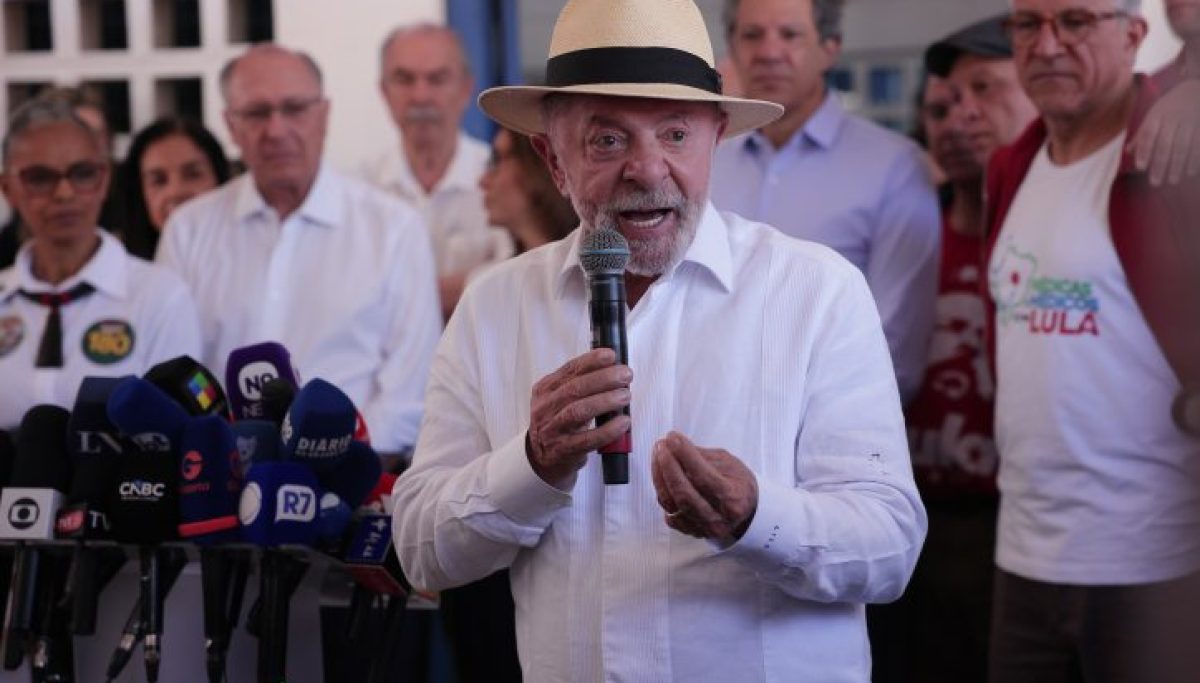
Lula thanked his voters for an outpouring of support while casting his ballot in the city of Sao Bernardo do Campo, where he began his political career as a union leader in the 1960s.
asserted
he → thank → 1960s
I will be forever grateful," Lula said.
asserted
Lula → say → ?
Lula voters respect his past; Bolsonaro voters want change
Lula voters turned out Sunday driven by his history of supporting marginalized people and working to lift Brazilians out of poverty.
asserted
voters → respect → poverty
"Lula is a man of the people and he knows what it's like to be poor," Luzia da Souza, who runs a bar in Rio de Janeiro, said.
asserted
who → know → Janeiro
"I find it impossible not to vote for him."
asserted
it → find → him
Anderson Falcão, a 43-year-old journalist in Brasilia who sported a red shirt in support of Lula, said he worried about Bolsonaro's long-term political vision, which he called "exclusionary."
"It's a project that harms the less fortunate, harms the worker, women, the forest, the Amazon," he said.
asserted
he → sport → worker
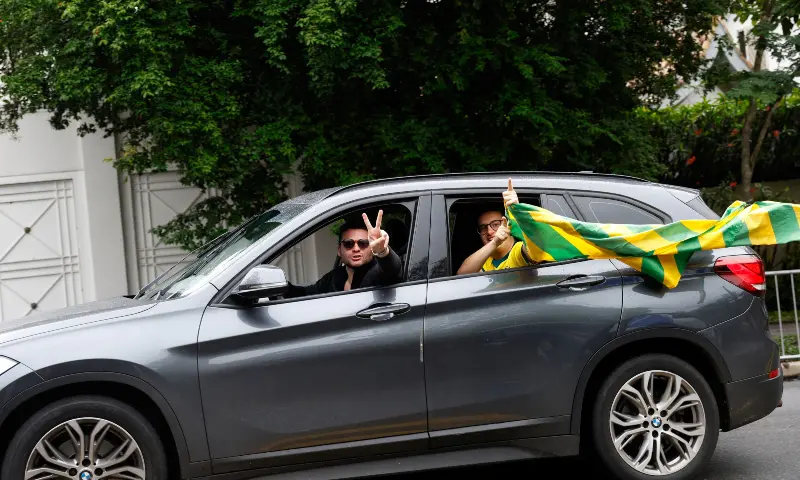
Bolsonaro voters, many of whom wore yellow and green Brazil jerseys in support of the senator, said they want change.
"Things are really expensive and taxes are too high," Fabianne Borges Santoro, a 45-year-old physiotherapist in Rio de Janeiro, said.
asserted
Santoro → wear → Janeiro
She added that she once voted for Lula's party but now associates it with corruption.
asserted
she → add → corruption
Third-party voters and abstentions from first round could decide vote
Kelvin Gomes Pimental, a 28-year-old data analyst in Brasilia, voted for a third-party candidate in the first round, making his vote a decisive one in this election.
uncertain
vote → decide → election
He ultimately decided to vote for Lula.
asserted
He → decide → Lula
He wanted to stage a coup," he said.
asserted
he → want → coup
"These issues scare me a little."
asserted
issues → scare → me
Diogo Furtado, a 35-year-old Uber driver in Rio de Janeiro, didn't vote the first time because of his work, but said he'll vote blank on Sunday.
asserted
he → vote → Sunday
He said that neither candidate convinced him.
asserted
candidate → say → him
"Brazil needs a new candidate," Furtado said.
asserted
Furtado → need → candidate
"But unfortunately our country has become dominated by two names: Lula and Bolsonaro.
asserted
country → dominate → names
Issues with public transportation affect the vote
In Bahia state, a stronghold for President Luiz Inácio Lula da Silva, whose voters tend to live in areas that depend more heavily on buses, at least 75 public buses were prevented from leaving municipal garages during the presidential runoff vote, according to a state electoral judge.
uncertain
buses → affect → judge
He ordered the arrest of the mobility secretary of the capital, Salvador, Pablo Souza, in relation to the case.
asserted
He → order → case
…and 13 more, not listed.
 The Aporia